
JLPT N2: Latihan arti kata - Unsolved

Pelajari arti 1790 kata JLPT N2 dalam bahasa Indonesia melalui soal dengan empat pilihan jawaban.
-
gaun terusan
-
membawa serta
-
berbayar
-
mengering
-
bergaul / berpacaran
-
memisahkan
-
AC
-
tenggat waktu
-
kedudukan setara / aposisi
-
bendungan
-
sampul
-
pusat kota
-
membunyikan / mendentangkan
-
memukul
-
mendapat ide
-
orang yang lebih senior
-
tanjung
-
teks bahasa Inggris
-
mendekat / mendesak
-
menjual grosir / memarut
-
runcing / tampak kesal
-
statistik
-
perempatan
-
cekungan daratan
-
mohon tunggu
-
saya turut prihatin
-
saya juga / terima kasih juga
-
ketat / saksama
-
santai / lalai
-
segi empat
- 「好き好き/すきずき」は名詞的にも用いられ、「人の好き好き」のように「の」を伴う連体用法がある。
ストッキング
stoking
ストッキング
stoking
Explanation
stoking
ストッキング
stoking / kaus kaki panjang tipis (nylon)

( romanization )
斬る
menebas dengan pedang
斬る
menebas dengan pedang
Explanation
斬る
menebas dengan pedang
斬る
memotong / menebas/menetak dengan pedang / membunuh dengan pedang (menebas orang)

Word Forms
The basic and commonly used forms of this verb.
Basic forms
| Form | Word form | Usage |
|---|---|---|
| Imperfective form (mizenkei) |
Alternative:
斬ろ
|
Connects to endings such as nai, reru, and seru. |
| Continuative form (renyokei) | Connects to endings such as masu, tai, and ta. | |
| Conclusive form (shushikei) | Ends a sentence and serves as the dictionary form. | |
| Attributive form (rentaikei) | Modifies a noun. | |
| Conditional form (kateikei) | Combines with ba to express a condition. | |
| Imperative form (meireikei) | Expresses a command or instruction. |
Common forms
モノレール
monorel
モノレール
monorel
Explanation
monorel
モノレール
monorel / kereta rel tunggal / sistem rel tunggal

( romanization )
出入口
pintu keluar masuk
出入口
pintu keluar masuk
Explanation
出入口
pintu keluar masuk
出入口
pintu masuk atau keluar / pintu keluar-masuk / akses masuk/keluar

( Base form )
( romanization )
( hiragana )
煮える
matang direbus
煮える
matang direbus
Explanation
煮える
matang direbus
煮える
menjadi matang karena direbus / (air) mendidih / menjadi marah

Word Forms
The basic and commonly used forms of this verb.
Basic forms
| Form | Word form | Usage |
|---|---|---|
| Imperfective form (mizenkei) | Connects to endings such as nai, reru, and seru. | |
| Continuative form (renyokei) | Connects to endings such as masu, tai, and ta. | |
| Conclusive form (shushikei) | Ends a sentence and serves as the dictionary form. | |
| Attributive form (rentaikei) | Modifies a noun. | |
| Conditional form (kateikei) | Combines with ba to express a condition. | |
| Imperative form (meireikei) |
Alternative:
煮えよ
|
Expresses a command or instruction. |
Common forms
記号
simbol
記号
simbol
Explanation
記号
simbol
記号
simbol / tanda / notasi

( Base form )
( romanization )
( kyūjitai )
( hiragana )
映る
terpantul / terproyeksi
映る
terpantul / terproyeksi
Explanation
映る
terpantul / terproyeksi
映る
tercermin / terlihat / muncul di layar

Word Forms
The basic and commonly used forms of this verb.
Basic forms
| Form | Word form | Usage |
|---|---|---|
| Imperfective form (mizenkei) | Connects to endings such as nai, reru, and seru. | |
| Continuative form (renyokei) | Connects to endings such as masu, tai, and ta. | |
| Conclusive form (shushikei) | Ends a sentence and serves as the dictionary form. | |
| Attributive form (rentaikei) | Modifies a noun. | |
| Conditional form (kateikei) | Combines with ba to express a condition. | |
| Imperative form (meireikei) | Expresses a command or instruction. |
Common forms
臨時
sementara / khusus
臨時
sementara / khusus
Explanation
臨時
sementara / khusus
臨時
sementara / khusus / darurat
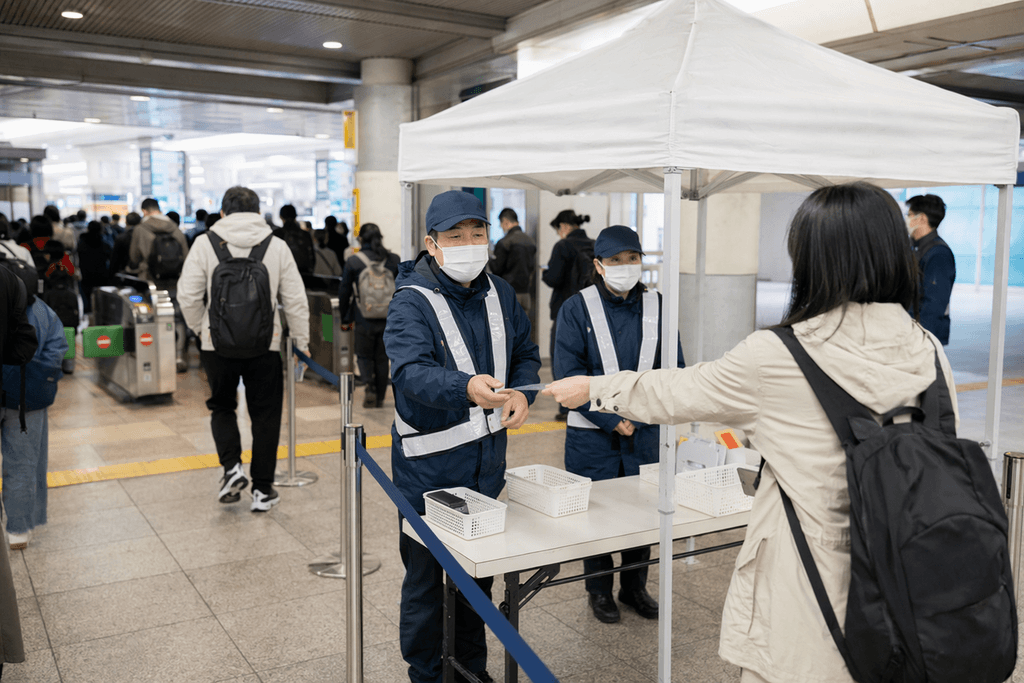
( Base form )
( romanization )
( hiragana )
初めまして
senang bertemu Anda
初めまして
senang bertemu Anda
Explanation
初めまして
senang bertemu Anda
初めまして
senang berkenalan / senang bertemu dengan Anda / salam kenal

( romanization )
好きずき
soal selera
好きずき
soal selera
Explanation
好きずき
soal selera
好きずき
soal selera / selera pribadi / suka dan tidak suka

Word Forms
The basic and commonly used forms of this adjectival noun.
Basic forms
| Form | Word form | Usage |
|---|---|---|
| Imperfective form (mizenkei) | Used in forms such as darou. | |
| Continuative form (renyokei) |
Alternative:
好き好きに
|
Used with de or ni. |
| Conclusive form (shushikei) | Ends a sentence with da. | |
| Attributive form (rentaikei) |
Alternative:
好き好きの
|
Modifies a noun with na. |
| Conditional form (kateikei) | Expresses a condition with nara. | |
| Imperative form (meireikei) | Used in formal expressions such as de are. |
Common forms
| Form | Word form | Usage |
|---|---|---|
| Te-form equivalent | Connects clauses using de. | |
| Ta-form | Expresses the past with datta. | |
| Nai-form |
Alternative:
好き好きじゃない
|
Expresses negation with dewa nai or ja nai. |
| Desu-form | Used for polite speech. |
Notes
Loading...

JLPT N2 多言語単語帳・1790語 / JLPT N2 Multilingual Vocabulary: 1790 Words

Jonathan Waller 氏の JLPT Resources の語彙リスト・レベル分類を出典とし、CC BY の条件に従って DiQt が学習者向けに意味を作り直した1790語の単語帳です。JLPT公式の語彙リストではありません。
This collection of 1790 words is based on the vocabulary list and level classifications in Jonathan Waller’s JLPT Resources under CC BY, with meanings rewritten by DiQt for learners. It is not an official JLPT vocabulary list.
Key Operations
Select the first quiz:
Ctrl + Enter
View Explanation:Ctrl + G
Close a feedback:Esc
When selecting a quiz
Answer:Enter
Select a choice:↓ or ↑
Reading out the question:Ctrl + K
View Hint: Ctrl + M
I don't know: Ctrl + Y



