
JLPT N2: Latihan arti kata - Unsolved

Pelajari arti 1790 kata JLPT N2 dalam bahasa Indonesia melalui soal dengan empat pilihan jawaban.
-
pencemaran lingkungan
-
gunung berapi
-
khayalan
-
mengamuk / meronta
-
memerintah / mengangkat
-
melengkung
-
mencampur
-
berselisih / bersaing
-
menyangrai
- 五段活用(サ行)の動詞。
- 未然形「干そ」は意志形「干そう」に用いる。
-
berlaku / sesuai
-
menghanguskan
-
terbalik
-
pertama-tama
-
pada awalnya
-
tolong
-
lonceng
-
keberlakuan umum
-
kepada instansi
-
indeks
-
toko
-
tanya jawab
-
memerintah / menenangkan
-
merobohkan / menukar uang kecil
-
menyerang
-
pemadaman listrik
-
model
-
daerah produksi
-
bencana kelaparan
-
kalori
-
nilon
始終
terus-menerus / dari awal hingga akhir
始終
terus-menerus / dari awal hingga akhir
Explanation
始終
terus-menerus / dari awal hingga akhir
始終
awal dan akhir / keseluruhan dari awal hingga akhir / kesimpulan

( Base form )
( romanization )
( hiragana )
抑える
menahan / menekan
抑える
menahan / menekan
Explanation
抑える
menahan / menekan
抑える
menahan / menekan / meredam

Word Forms
The basic and commonly used forms of this verb.
Basic forms
| Form | Word form | Usage |
|---|---|---|
| Imperfective form (mizenkei) | Connects to endings such as nai, reru, and seru. | |
| Continuative form (renyokei) | Connects to endings such as masu, tai, and ta. | |
| Conclusive form (shushikei) | Ends a sentence and serves as the dictionary form. | |
| Attributive form (rentaikei) | Modifies a noun. | |
| Conditional form (kateikei) | Combines with ba to express a condition. | |
| Imperative form (meireikei) |
Alternative:
抑えよ
|
Expresses a command or instruction. |
Common forms
干す
menjemur
干す
menjemur
Explanation
干す
menjemur
干す
menjemur; mengeringkan / (slang) mengabaikan; memperlakukan buruk

Word Forms
The basic and commonly used forms of this verb.
Basic forms
| Form | Word form | Usage |
|---|---|---|
| Imperfective form (mizenkei) |
Alternative:
干そ
|
Connects to endings such as nai, reru, and seru. |
| Continuative form (renyokei) | Connects to endings such as masu, tai, and ta. | |
| Conclusive form (shushikei) | Ends a sentence and serves as the dictionary form. | |
| Attributive form (rentaikei) | Modifies a noun. | |
| Conditional form (kateikei) | Combines with ba to express a condition. | |
| Imperative form (meireikei) | Expresses a command or instruction. |
Common forms
| Form | Word form | Usage |
|---|---|---|
| Te-form | Connects clauses with te. | |
| Ta-form | Expresses the past with ta. | |
| Nai-form | Expresses negation with nai. | |
| Masu-form | Used for polite speech. | |
| Ba-form | Expresses a condition with ba. | |
| Volitional form | Expresses intention or invitation. |
Notes
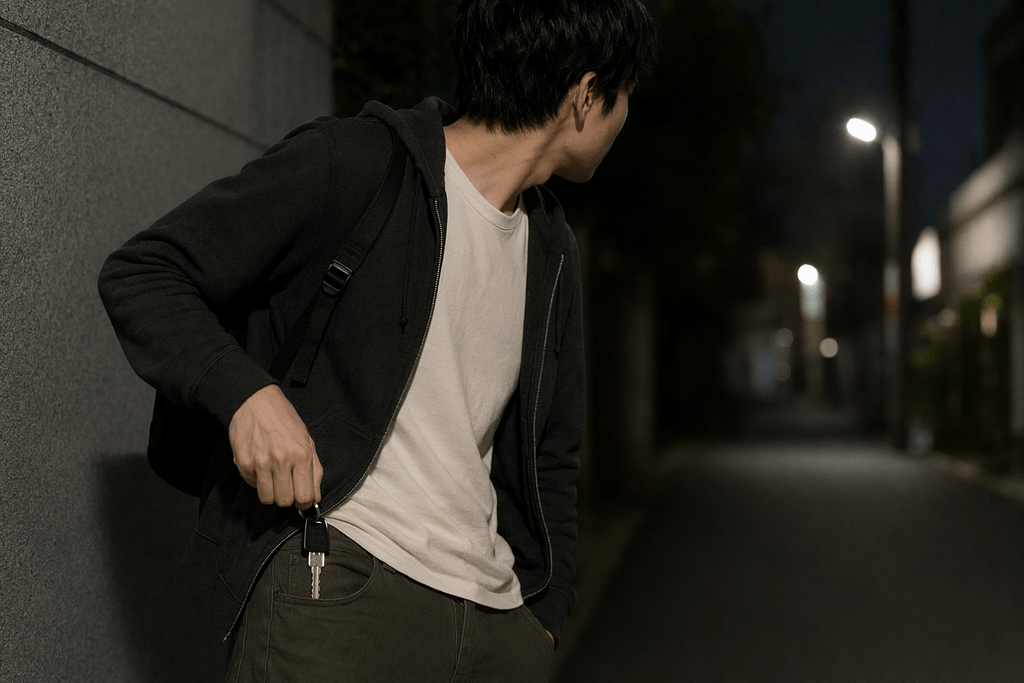
取り出す
mengeluarkan
取り出す
mengeluarkan
Explanation
取り出す
mengeluarkan
取り出す
mengeluarkan / mengekstrak / mengambil data
Word Forms
The basic and commonly used forms of this verb.
Basic forms
| Form | Word form | Usage |
|---|---|---|
| Imperfective form (mizenkei) |
Alternative:
取り出そ
|
Connects to endings such as nai, reru, and seru. |
| Continuative form (renyokei) | Connects to endings such as masu, tai, and ta. | |
| Conclusive form (shushikei) | Ends a sentence and serves as the dictionary form. | |
| Attributive form (rentaikei) | Modifies a noun. | |
| Conditional form (kateikei) | Combines with ba to express a condition. | |
| Imperative form (meireikei) | Expresses a command or instruction. |
Common forms
ご苦労様
terima kasih atas kerja kerasmu
ご苦労様
terima kasih atas kerja kerasmu
Explanation
ご苦労様
terima kasih atas kerja kerasmu
ご苦労様
Terima kasih atas kerja keras Anda. / Saya menghargai usaha Anda. / Ungkapan apresiasi atas kerja, biasanya dari atasan kepada bawahan.

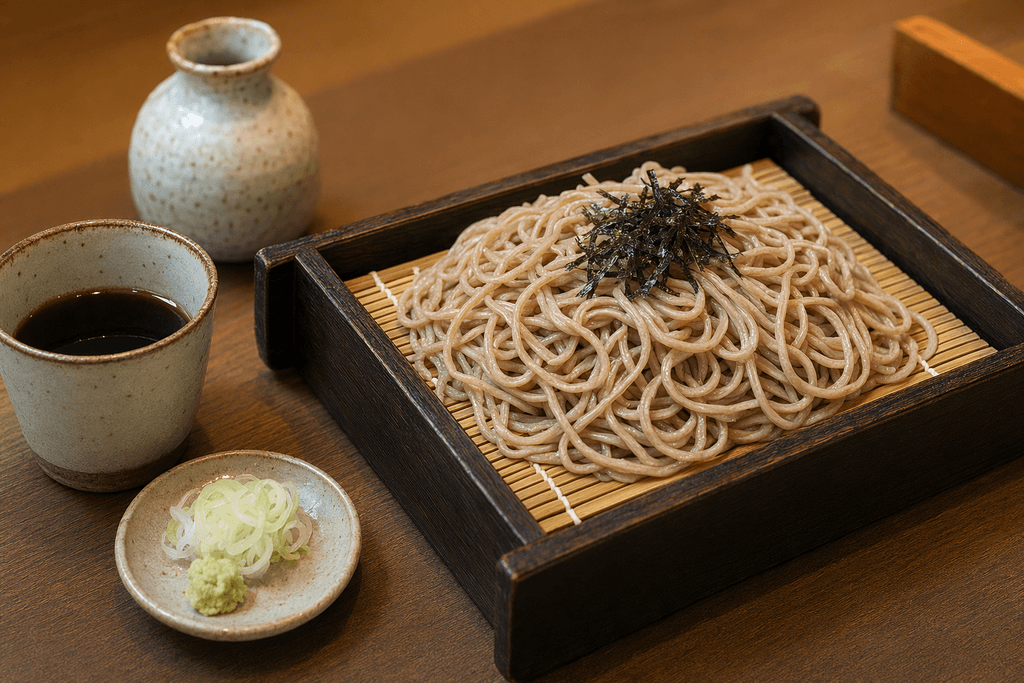
蕎麦
mi soba
蕎麦
mi soba
Explanation
蕎麦
mi soba
蕎麦
mi Jepang dari tepung gandum kuda (soba) / gandum kuda (buckwheat)
( Base form )
( romanization )
( romanization )
( romanization )
( hiragana )
お手伝いさん
pembantu rumah tangga
お手伝いさん
pembantu rumah tangga
Explanation
お手伝いさん
pembantu rumah tangga
お手伝いさん
pembantu rumah tangga / asisten rumah tangga / pekerja rumah tangga

( Base form )
( romanization )
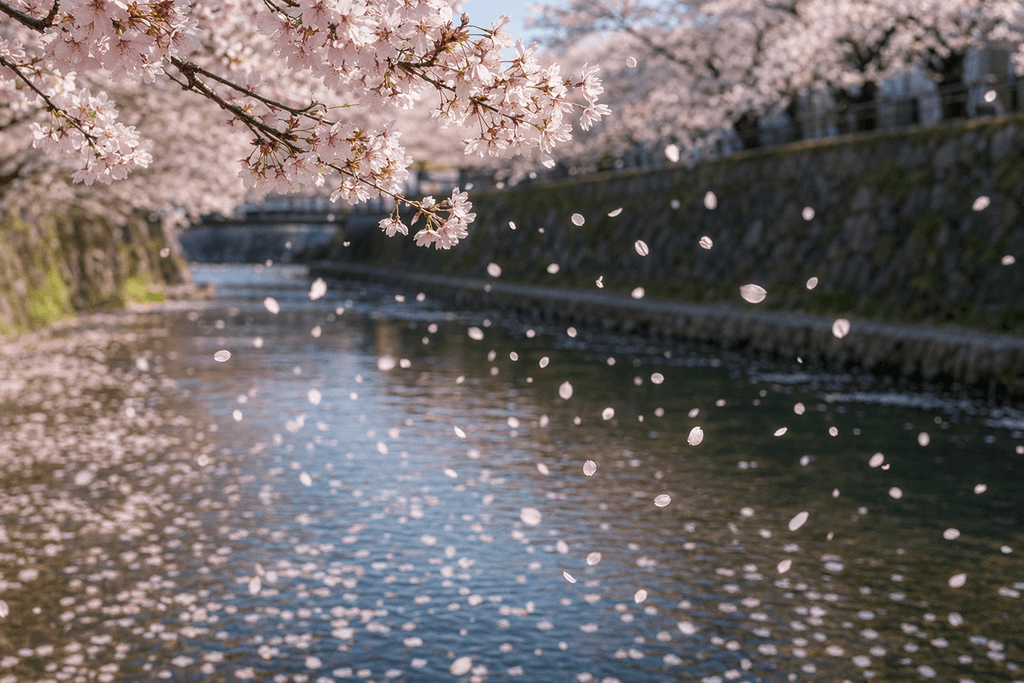
散る
berguguran / berpencar
散る
berguguran / berpencar
Explanation
散る
berguguran / berpencar
散る
gugur (daun/bunga) / berhamburan / berserakan
Word Forms
The basic and commonly used forms of this verb.
Basic forms
| Form | Word form | Usage |
|---|---|---|
| Imperfective form (mizenkei) | Connects to endings such as nai, reru, and seru. | |
| Continuative form (renyokei) | Connects to endings such as masu, tai, and ta. | |
| Conclusive form (shushikei) | Ends a sentence and serves as the dictionary form. | |
| Attributive form (rentaikei) | Modifies a noun. | |
| Conditional form (kateikei) | Combines with ba to express a condition. | |
| Imperative form (meireikei) | Expresses a command or instruction. |
Common forms
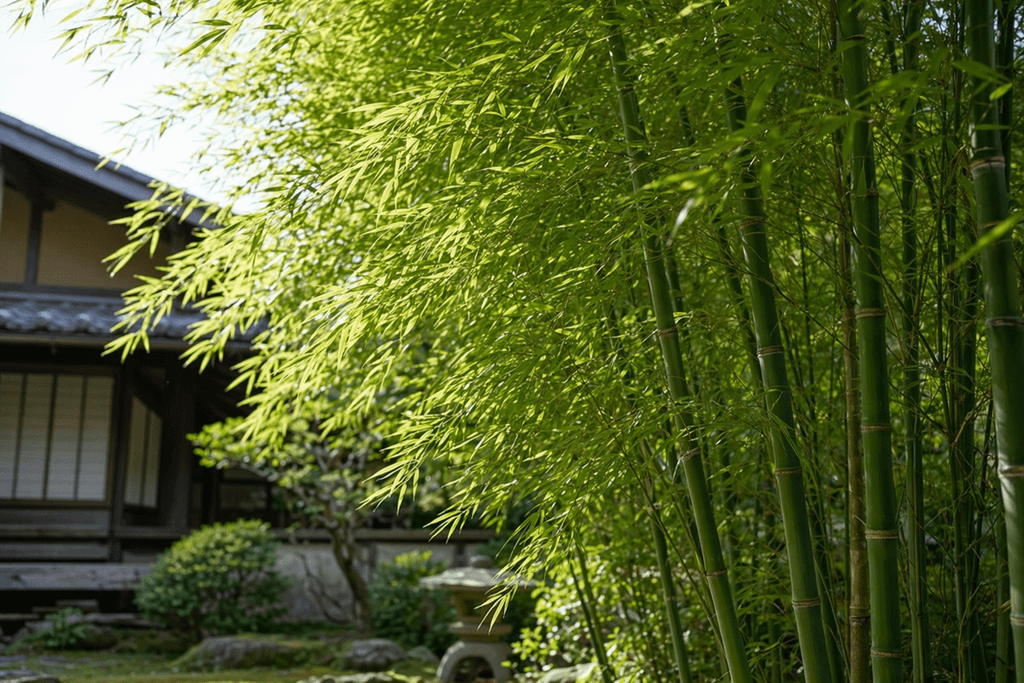
竹
bambu / kelas menengah
竹
bambu / kelas menengah
Explanation
竹
bambu / kelas menengah
竹
bambu / peringkat tengah dalam sistem tiga tingkat
( romanization )
( hiragana )
ランニング
lari / kaus tanpa lengan
ランニング
lari / kaus tanpa lengan
Explanation
lari / kaus tanpa lengan
ランニング
lari (olahraga) / joging / kaus dalam tanpa lengan (singlet)

Loading...

JLPT N2 多言語単語帳・1790語 / JLPT N2 Multilingual Vocabulary: 1790 Words

Jonathan Waller 氏の JLPT Resources の語彙リスト・レベル分類を出典とし、CC BY の条件に従って DiQt が学習者向けに意味を作り直した1790語の単語帳です。JLPT公式の語彙リストではありません。
This collection of 1790 words is based on the vocabulary list and level classifications in Jonathan Waller’s JLPT Resources under CC BY, with meanings rewritten by DiQt for learners. It is not an official JLPT vocabulary list.
Key Operations
Select the first quiz:
Ctrl + Enter
View Explanation:Ctrl + G
Close a feedback:Esc
When selecting a quiz
Answer:Enter
Select a choice:↓ or ↑
Reading out the question:Ctrl + K
View Hint: Ctrl + M
I don't know: Ctrl + Y



