
JLPT N2: Latihan arti kata - Unsolved

Pelajari arti 1790 kata JLPT N2 dalam bahasa Indonesia melalui soal dengan empat pilihan jawaban.
-
menjadi dingin / memudar
-
merobek / membelah
-
berantakan
-
menghangatkan
-
menyuruh / mengadukan
-
duduk
-
belakang
-
matahari terbenam
-
kepengecutan / kecurangan
-
berjajar panjang
-
soalnya
-
di beberapa tempat
-
ceruk hias
-
diskon
-
tahap
-
menyerang
-
menebas dengan pedang
-
membenturkan
-
memaksa / mendesak
-
alat musik
-
daerah produksi
-
pengiriman lewat pos
-
keasaman
-
usia paruh baya
-
pemerintahan sendiri
-
kepada instansi
-
sirkulasi / siklus
-
penerimaan tamu
-
mahkota
-
membawa serta
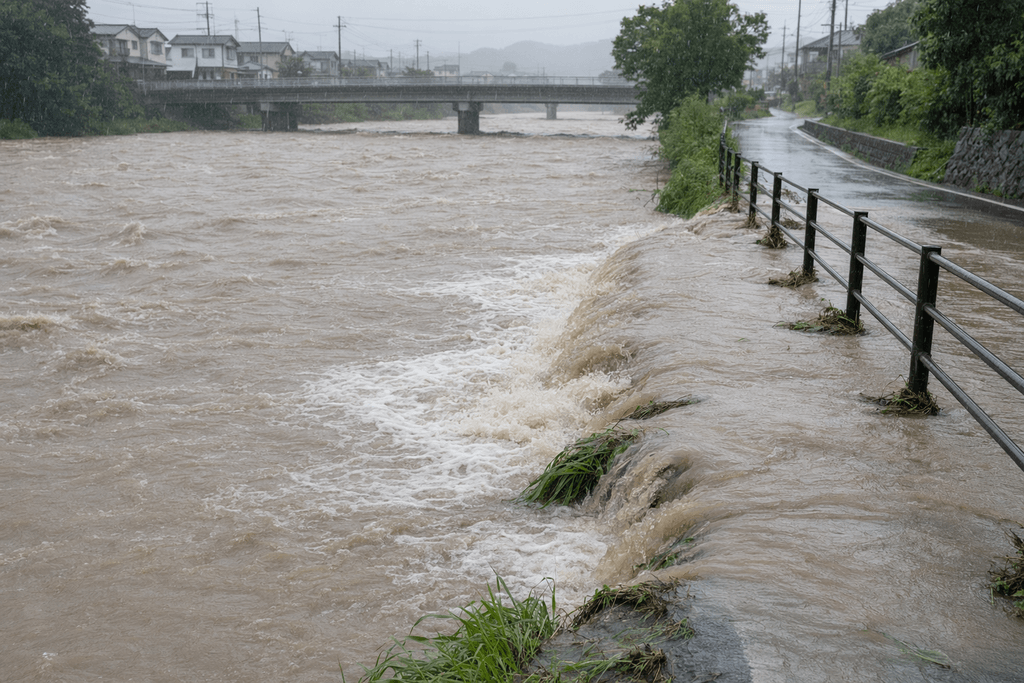
溢れる
meluap
溢れる
meluap
Explanation
溢れる
meluap
溢れる
meluap / melimpah / tumpah ruah
Word Forms
The basic and commonly used forms of this verb.
Basic forms
| Form | Word form | Usage |
|---|---|---|
| Imperfective form (mizenkei) | Connects to endings such as nai, reru, and seru. | |
| Continuative form (renyokei) | Connects to endings such as masu, tai, and ta. | |
| Conclusive form (shushikei) | Ends a sentence and serves as the dictionary form. | |
| Attributive form (rentaikei) | Modifies a noun. | |
| Conditional form (kateikei) | Combines with ba to express a condition. | |
| Imperative form (meireikei) |
Alternative:
溢れよ
|
Expresses a command or instruction. |
Common forms
しびれる
menjadi kebas
しびれる
menjadi kebas
Explanation
menjadi kebas
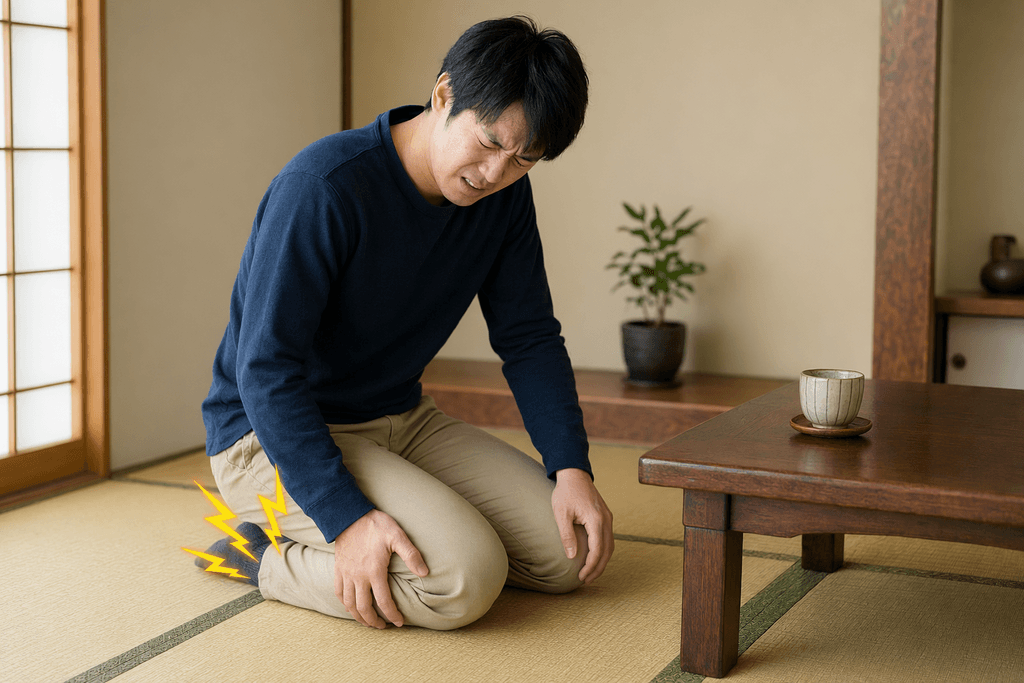
しびれる
menjadi mati rasa (bagian tubuh) / kesemutan
Setelah mendengarkan pembicaraan sambil duduk secara formal berlutut selama satu jam penuh, saya merasakan kaki saya mati rasa saat saya mencoba berdiri.
Word Forms
The basic and commonly used forms of this verb.
Basic forms
| Form | Word form | Usage |
|---|---|---|
| Imperfective form (mizenkei) |
Alternative:
痺れ
|
Connects to endings such as nai, reru, and seru. |
| Continuative form (renyokei) |
Alternative:
痺れ
|
Connects to endings such as masu, tai, and ta. |
| Conclusive form (shushikei) |
Alternative:
痺れる
|
Ends a sentence and serves as the dictionary form. |
| Attributive form (rentaikei) |
Alternative:
痺れる
|
Modifies a noun. |
| Conditional form (kateikei) |
Alternative:
痺れれ
|
Combines with ba to express a condition. |
| Imperative form (meireikei) |
Alternative:
痺れろ
しびれよ
痺れよ
|
Expresses a command or instruction. |
Common forms
| Form | Word form | Usage |
|---|---|---|
| Te-form |
Alternative:
痺れて
|
Connects clauses with te. |
| Ta-form |
Alternative:
痺れた
|
Expresses the past with ta. |
| Nai-form |
Alternative:
痺れない
|
Expresses negation with nai. |
| Masu-form |
Alternative:
痺れます
|
Used for polite speech. |
| Ba-form |
Alternative:
痺れれば
|
Expresses a condition with ba. |
| Volitional form |
Alternative:
痺れよう
|
Expresses intention or invitation. |
文房具
alat tulis
文房具
alat tulis
Explanation
文房具
alat tulis
文房具
alat tulis / alat tulis kantor / perlengkapan kantor

( Base form )
( romanization )
( romanization )
( hiragana historical )
( hiragana )
こないだ
tempo hari
こないだ
tempo hari
Explanation
tempo hari
こないだ
tempo hari / beberapa hari lalu / belum lama ini

( romanization )
( hiragana historical )
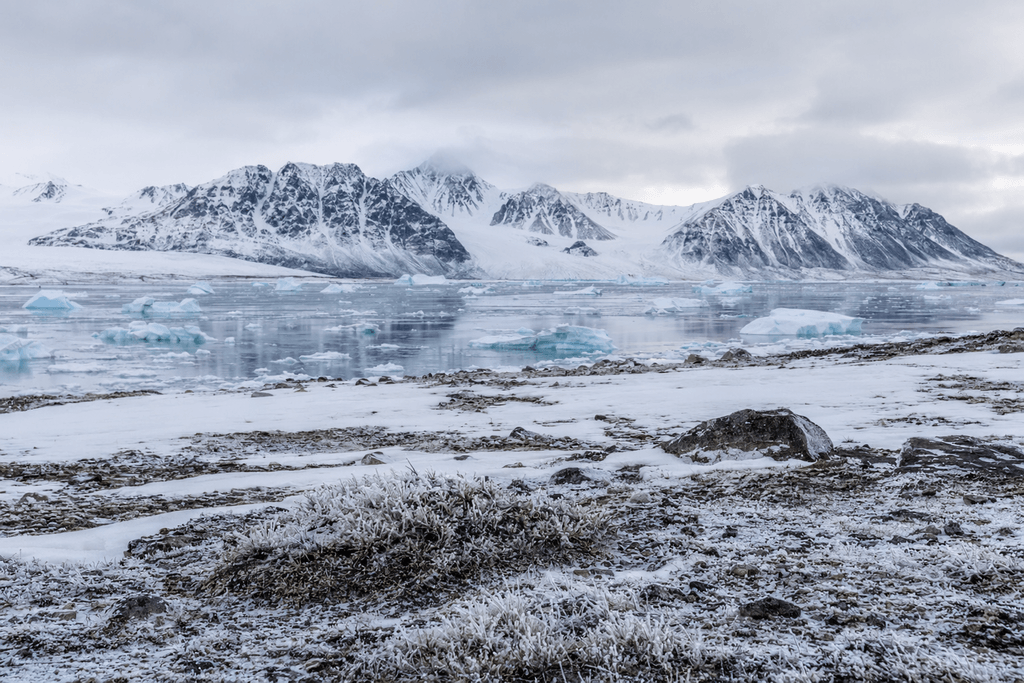
寒帯
zona dingin
寒帯
zona dingin
Explanation
寒帯
zona dingin
寒帯
zona beriklim dingin di sekitar kutub / sabuk iklim dingin di bumi
( Base form )
( romanization )
( hiragana )
慌てる
panik / terburu-buru
慌てる
panik / terburu-buru
Explanation
慌てる
panik / terburu-buru
慌てる
panik / gelagapan / kebingungan dan tergesa-gesa

Word Forms
The basic and commonly used forms of this verb.
Basic forms
| Form | Word form | Usage |
|---|---|---|
| Imperfective form (mizenkei) | Connects to endings such as nai, reru, and seru. | |
| Continuative form (renyokei) | Connects to endings such as masu, tai, and ta. | |
| Conclusive form (shushikei) | Ends a sentence and serves as the dictionary form. | |
| Attributive form (rentaikei) | Modifies a noun. | |
| Conditional form (kateikei) | Combines with ba to express a condition. | |
| Imperative form (meireikei) |
Alternative:
慌てよ
|
Expresses a command or instruction. |
Common forms
短所
kelemahan / kerugian
短所
kelemahan / kerugian
Explanation
短所
kelemahan / kerugian
短所
kelemahan / kekurangan / titik lemah

( Base form )
( romanization )
( hiragana )
重量
berat
重量
berat
Explanation
重量
berat
重量
berat / bobot / berat benda (dalam ukuran)

( Base form )
( romanization )
( hiragana )
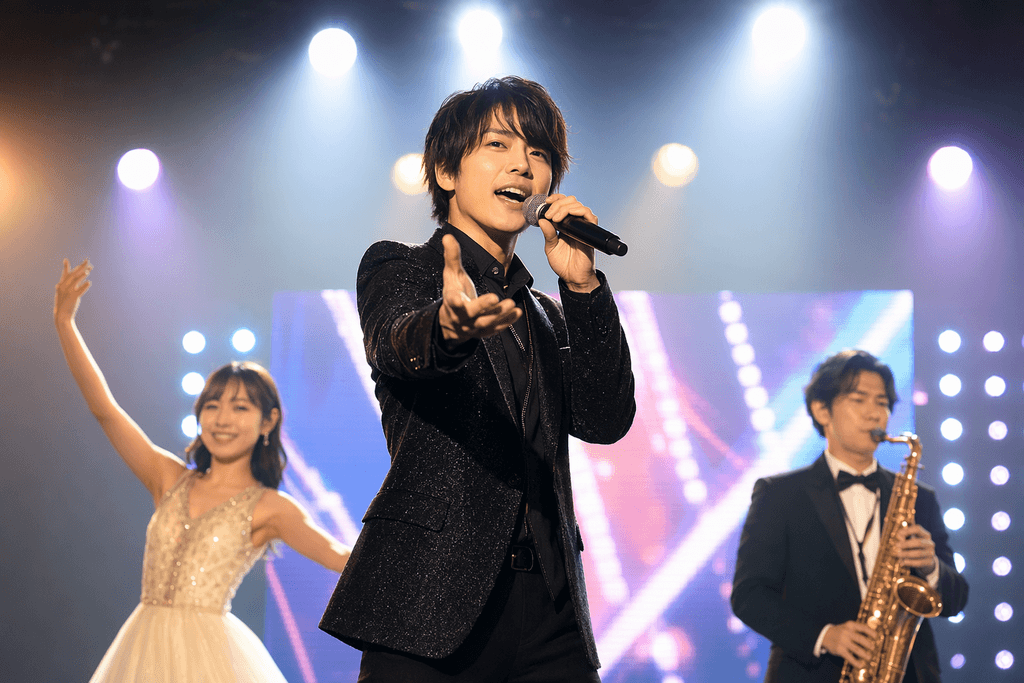
芸能
seni pertunjukan
芸能
seni pertunjukan
Explanation
芸能
seni pertunjukan
芸能
seni pertunjukan / dunia hiburan / hiburan publik
( Base form )
( romanization )
( hiragana )
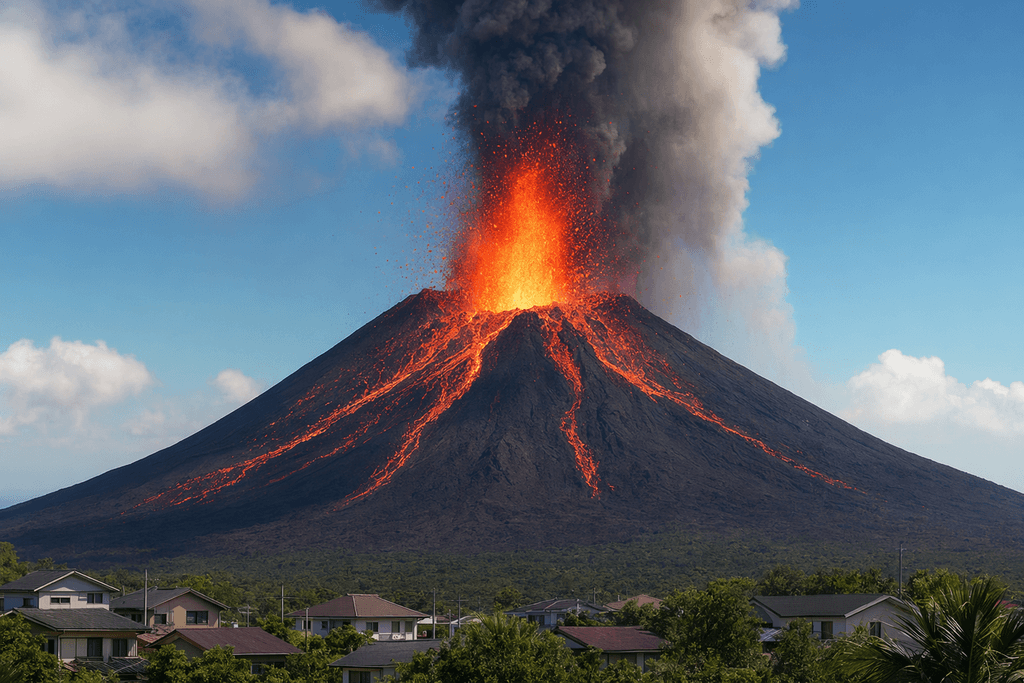
火山
gunung berapi
火山
gunung berapi
Explanation
火山
gunung berapi
火山
gunung api / gunung berapi / bentukan geologi yang memuntahkan magma
( Base form )
( romanization )
( hiragana )
Loading...

JLPT N2 多言語単語帳・1790語 / JLPT N2 Multilingual Vocabulary: 1790 Words

Jonathan Waller 氏の JLPT Resources の語彙リスト・レベル分類を出典とし、CC BY の条件に従って DiQt が学習者向けに意味を作り直した1790語の単語帳です。JLPT公式の語彙リストではありません。
This collection of 1790 words is based on the vocabulary list and level classifications in Jonathan Waller’s JLPT Resources under CC BY, with meanings rewritten by DiQt for learners. It is not an official JLPT vocabulary list.
Key Operations
Select the first quiz:
Ctrl + Enter
View Explanation:Ctrl + G
Close a feedback:Esc
When selecting a quiz
Answer:Enter
Select a choice:↓ or ↑
Reading out the question:Ctrl + K
View Hint: Ctrl + M
I don't know: Ctrl + Y



