
JLPT N2: Latihan arti kata - Unsolved

Pelajari arti 1790 kata JLPT N2 dalam bahasa Indonesia melalui soal dengan empat pilihan jawaban.
-
selain itu
-
justru
-
dengan susah payah / lama dinantikan
-
menghancurkan
-
kebetulan lewat
-
tersampaikan / diwariskan
-
disiplin
-
orang mabuk
-
syal
-
disinfeksi
-
diagnosis
-
otomatisasi
-
lama tidak menghubungi
-
acara
-
afiliasi / kelengkapan
-
memerintah / mengangkat
-
hadir lengkap / seragam
-
memendekkan / mengecilkan
-
ongkos kirim
-
lonceng kecil
-
kapasitas
-
membentak
-
hidup kembali
-
tumbuh
- 表記: 炙る・焙る
-
sebentar lagi
-
setiap kali
-
bagaimanapun juga
-
berlangsung lama
-
gatal
-
mencurigakan / meragukan
- 漢字表記に「諄い」がある。
- 命令形「くどかれ」は現代語ではまれ。
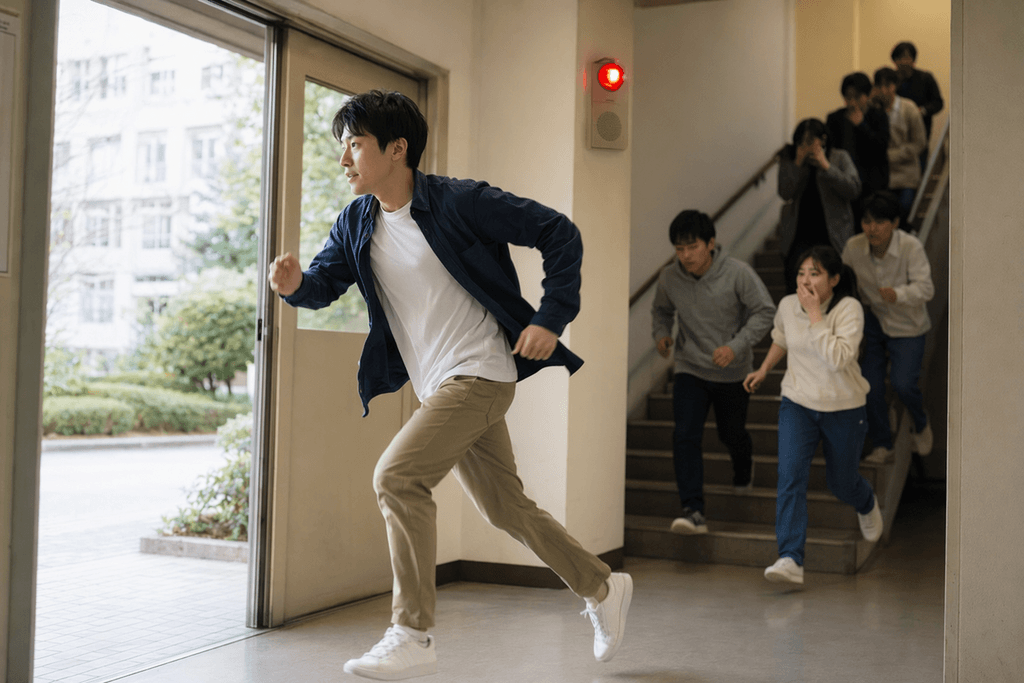
真っ先
paling awal
真っ先
paling awal
Explanation
真っ先
paling awal
真っ先
yang paling pertama / yang terdepan / yang pertama-tama
( Base form )
( romanization )
( kyūjitai )
( hiragana )
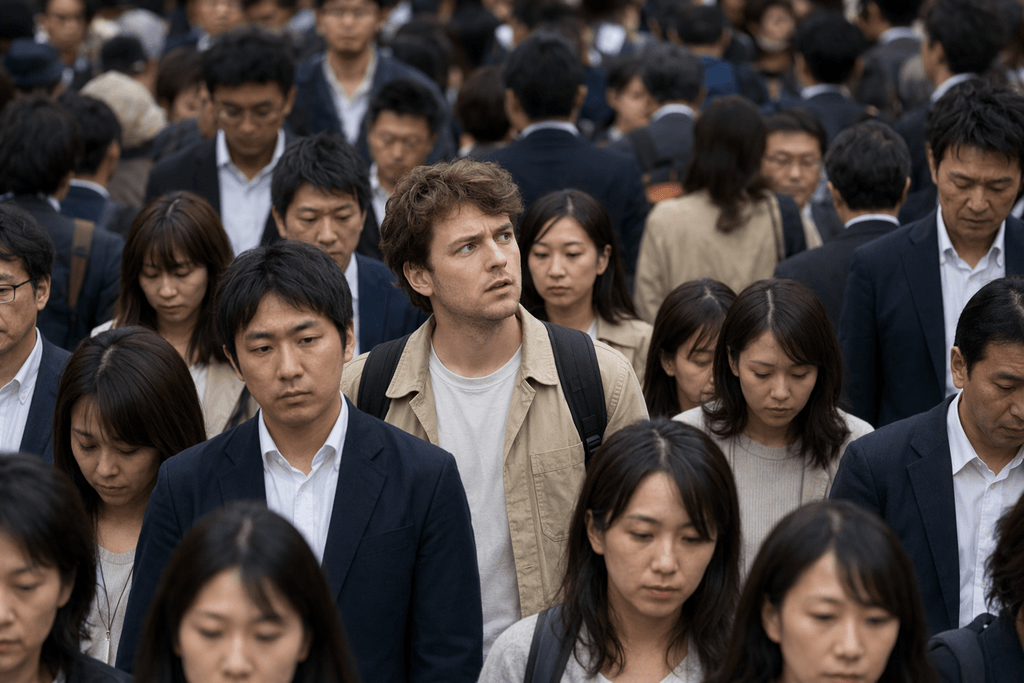
交ざる
tercampur
交ざる
tercampur
Explanation
交ざる
tercampur
交ざる
bercampur / tercampur / bercampur-baur
Word Forms
The basic and commonly used forms of this verb.
Basic forms
| Form | Word form | Usage |
|---|---|---|
| Imperfective form (mizenkei) |
Alternative:
交ざろ
|
Connects to endings such as nai, reru, and seru. |
| Continuative form (renyokei) | Connects to endings such as masu, tai, and ta. | |
| Conclusive form (shushikei) | Ends a sentence and serves as the dictionary form. | |
| Attributive form (rentaikei) | Modifies a noun. | |
| Conditional form (kateikei) | Combines with ba to express a condition. | |
| Imperative form (meireikei) | Expresses a command or instruction. |
Common forms
女の人
wanita
女の人
wanita
Explanation
女の人
wanita
女の人
wanita / perempuan dewasa

( Base form )
( romanization )
( hiragana )
車庫
garasi
車庫
garasi
Explanation
車庫
garasi
車庫
garasi (mobil) / depo kendaraan (mis. bus/kereta)

( Base form )
( romanization )
( hiragana )
生年月日
tanggal lahir
生年月日
tanggal lahir
Explanation
生年月日
tanggal lahir
生年月日
tanggal lahir / tanggal dan tahun kelahiran / tahun, bulan, dan tanggal kelahiran

( Base form )
( romanization )
( hiragana )
転がす
menggelindingkan
転がす
menggelindingkan
Explanation
転がす
menggelindingkan
転がす
menggelindingkan / menggulingkan / membalikkan

Word Forms
The basic and commonly used forms of this verb.
Basic forms
| Form | Word form | Usage |
|---|---|---|
| Imperfective form (mizenkei) |
Alternative:
転がそ
|
Connects to endings such as nai, reru, and seru. |
| Continuative form (renyokei) | Connects to endings such as masu, tai, and ta. | |
| Conclusive form (shushikei) | Ends a sentence and serves as the dictionary form. | |
| Attributive form (rentaikei) | Modifies a noun. | |
| Conditional form (kateikei) | Combines with ba to express a condition. | |
| Imperative form (meireikei) | Expresses a command or instruction. |
Common forms
ウーマン
wanita
ウーマン
wanita
Explanation
wanita
ウーマン
wanita / perempuan
Dengan kebanggaan sebagai seorang perempuan di hati, ia dengan percaya diri menyampaikan pendapatnya bahkan di tempat kerja yang didominasi laki-laki.

( romanization )
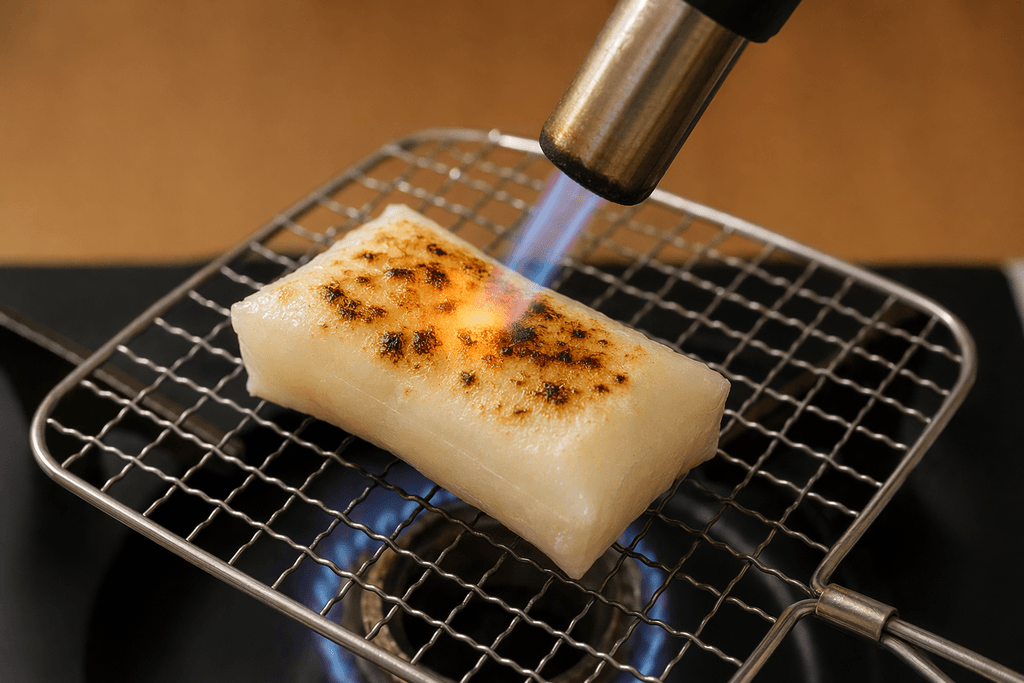
あぶる
memanggang di api
あぶる
memanggang di api
Explanation
memanggang di api
あぶる
memanggang (di atas api) / menghanguskan sedikit; menggosongkan / menghangatkan dekat api
Word Forms
The basic and commonly used forms of this verb.
Basic forms
| Form | Word form | Usage |
|---|---|---|
| Imperfective form (mizenkei) |
Alternative:
あぶろ
|
Connects to endings such as nai, reru, and seru. |
| Continuative form (renyokei) | Connects to endings such as masu, tai, and ta. | |
| Conclusive form (shushikei) | Ends a sentence and serves as the dictionary form. | |
| Attributive form (rentaikei) | Modifies a noun. | |
| Conditional form (kateikei) | Combines with ba to express a condition. | |
| Imperative form (meireikei) | Expresses a command or instruction. |
Common forms
| Form | Word form | Usage |
|---|---|---|
| Te-form | Connects clauses with te. | |
| Ta-form | Expresses the past with ta. | |
| Nai-form | Expresses negation with nai. | |
| Masu-form | Used for polite speech. | |
| Ba-form | Expresses a condition with ba. | |
| Volitional form | Expresses intention or invitation. |
Notes
こうして
dengan cara ini
こうして
dengan cara ini
Explanation
dengan cara ini
こうして
dengan demikian / dengan cara ini / seperti ini

( romanization )
くどい
bertele-tele / terlalu pekat rasanya
くどい
bertele-tele / terlalu pekat rasanya
Explanation
bertele-tele / terlalu pekat rasanya
くどい
bertele-tele / rasa/aroma terlalu kuat/berat / terlalu kaya/berlemak hingga eneg

Word Forms
The basic and commonly used forms of this adjective.
Basic forms
| Form | Word form | Usage |
|---|---|---|
| Imperfective form (mizenkei) | Used in forms such as karou; mainly literary. | |
| Continuative form (renyokei) |
Alternative:
くどかっ
|
Used in forms such as kute and kunai. |
| Conclusive form (shushikei) | Ends a sentence. | |
| Attributive form (rentaikei) | Modifies a noun. | |
| Conditional form (kateikei) | Expresses a condition with kereba. | |
| Imperative form (meireikei) | Rarely used in modern Japanese. |
Common forms
| Form | Word form | Usage |
|---|---|---|
| Te-form | Connects clauses with kute. | |
| Ta-form | Expresses the past with katta. | |
| Nai-form | Expresses negation with kunai. | |
| Ba-form | Expresses a condition with kereba. |
Notes
Loading...

JLPT N2 多言語単語帳・1790語 / JLPT N2 Multilingual Vocabulary: 1790 Words

Jonathan Waller 氏の JLPT Resources の語彙リスト・レベル分類を出典とし、CC BY の条件に従って DiQt が学習者向けに意味を作り直した1790語の単語帳です。JLPT公式の語彙リストではありません。
This collection of 1790 words is based on the vocabulary list and level classifications in Jonathan Waller’s JLPT Resources under CC BY, with meanings rewritten by DiQt for learners. It is not an official JLPT vocabulary list.
Key Operations
Select the first quiz:
Ctrl + Enter
View Explanation:Ctrl + G
Close a feedback:Esc
When selecting a quiz
Answer:Enter
Select a choice:↓ or ↑
Reading out the question:Ctrl + K
View Hint: Ctrl + M
I don't know: Ctrl + Y



