
JLPT N2: Latihan arti kata - Unsolved

Pelajari arti 1790 kata JLPT N2 dalam bahasa Indonesia melalui soal dengan empat pilihan jawaban.
-
jadwal pelajaran
-
pengumuman publik
-
jenis kelamin / gender
-
bahasa hormat
-
prinsip dasar
-
pengenaan pajak
-
dua tahun lalu
-
kegembiraan / ucapan selamat
-
distrik
-
suara bising pengganggu
-
konsentrasi / kepekatan warna
-
kaus kaki belah jari
-
secara mencolok
-
untuk sementara / untuk berjaga-jaga
-
pas sekali / mendadak
-
prosedur
-
menu
-
kantor prefektur
-
jantung berdebar
-
bagaimanapun juga
-
berulang kali
-
mencolok
-
miring
-
landai
- ナ形容詞(形容動詞)として用いる。
- 「真っ白な紙」「真っ白になる」「頭が真っ白だ」のように用いる。
-
berantakan
-
menjadi transparan
-
dibangun
-
kantor prefektur
-
adik laki-laki orang tua
-
wol
拡張
perluasan
拡張
perluasan
Explanation
拡張
perluasan
拡張
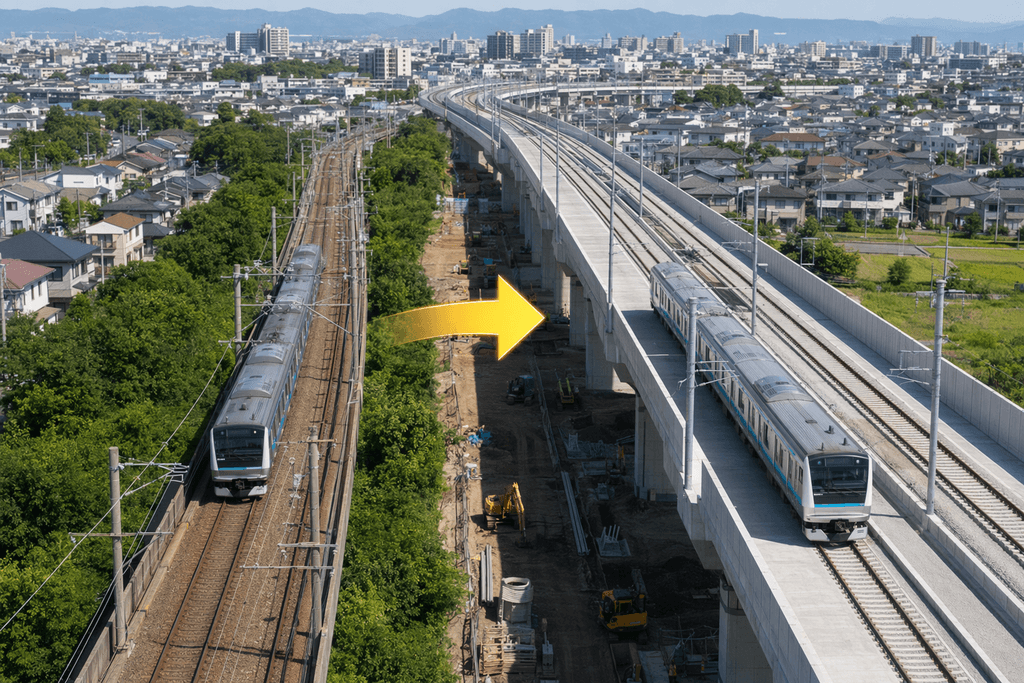
perluasan cakupan, skala, atau pengaruh / ekspansi / ekstensi (penambahan cakupan)
( Base form )
( romanization )
( romanization )
( kyūjitai )
( hiragana historical )
( hiragana )
不通
terputusnya layanan
不通
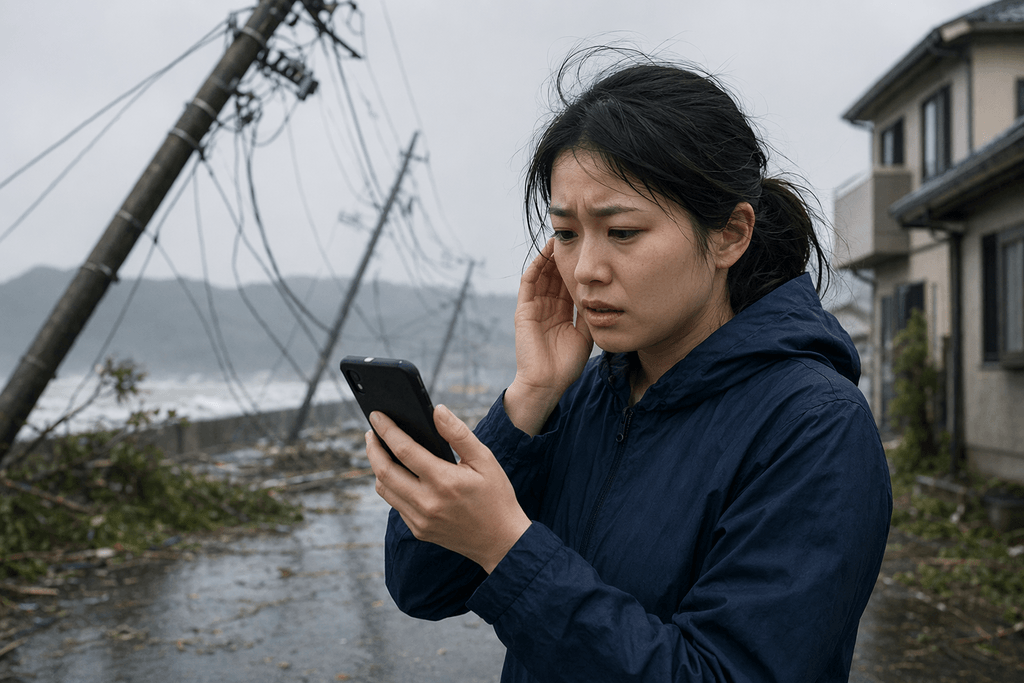
terputusnya layanan
Explanation
不通
terputusnya layanan
不通
gangguan / pemutusan / penghentian
( Base form )
( romanization )
( hiragana )
着替え
berganti pakaian / pakaian ganti
着替え
berganti pakaian / pakaian ganti
Explanation
着替え
berganti pakaian / pakaian ganti
着替え
ganti pakaian / pakaian ganti

( Base form )
( romanization )
石鹸
sabun
石鹸
sabun
Explanation
石鹸
sabun
石鹸
sabun / bahan pembersih untuk mandi atau cuci

( Base form )
( romanization )
( kyūjitai )
( hiragana )
そうっと
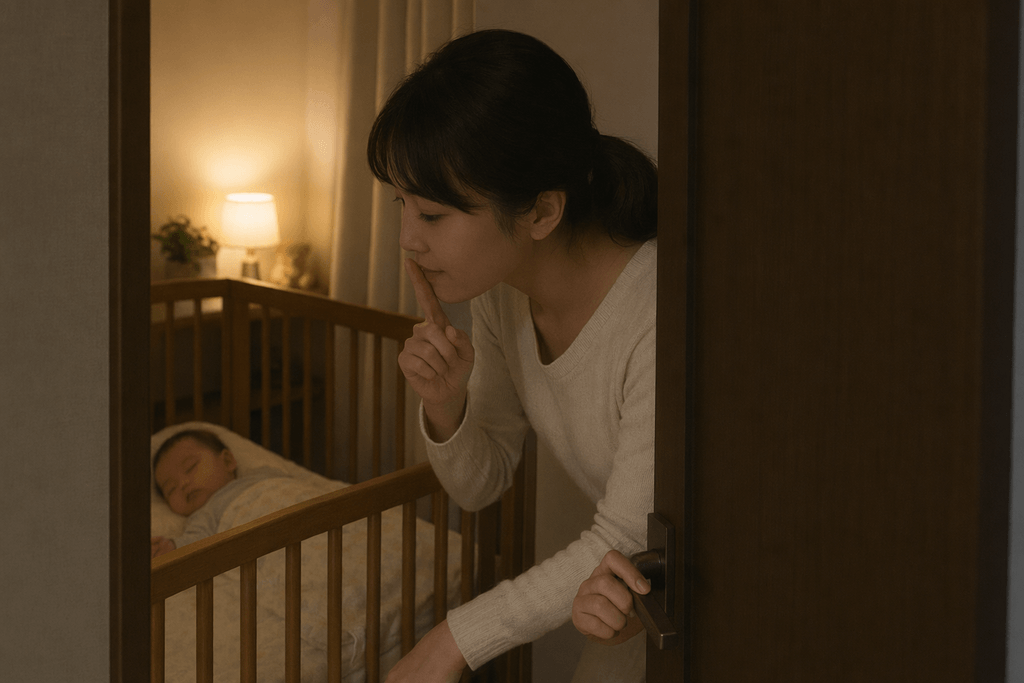
dengan lembut / diam-diam
そうっと
dengan lembut / diam-diam
Explanation
dengan lembut / diam-diam
そうっと
dengan lembut / perlahan / diam-diam
小便
urine
小便
urine
Explanation
小便
urine
小便
air seni / urin / air kencing

( Base form )
( romanization )
( stem )
( Past )
( table-tags )
( inflection-template )
( imperfective stem )
( imperfective stem )
( imperfective )
( continuative stem )
( continuative stem )
( continuative )
( stem terminative )
( stem terminative )
( terminative )
( attributive stem )
( attributive stem )
( attributive )
( hypothetical stem )
( hypothetical stem )
( hypothetical )
( Imperative literary stem )
( colloquial Imperative stem )
( Imperative literary stem )
( colloquial Imperative stem )
( Imperative literary )
( colloquial Imperative )
( Passive voice )
( Passive voice )
( Passive voice )
( causative )
( causative )
( causative )
( causative )
( causative )
( causative )
( potential )
( potential )
( potential )
( volitional )
( volitional )
( volitional )
( negative )
( negative )
( negative )
( continuative negative )
( continuative negative )
( continuative negative )
( formal )
( formal )
( formal )
( perfective )
( perfective )
( perfective )
( conjunctive )
( conjunctive )
( conjunctive )
( Conditional hypothetical )
( Conditional hypothetical )
( Conditional hypothetical )
めっきり
secara mencolok
めっきり
secara mencolok
Explanation
secara mencolok
めっきり
secara nyata / secara signifikan / secara drastis

( romanization )
真っ白
putih bersih
真っ白
putih bersih
Explanation
真っ白
putih bersih
真っ白
putih murni / seputih salju / putih sempurna

Word Forms
The basic and commonly used forms of this adjectival noun.
Basic forms
| Form | Word form | Usage |
|---|---|---|
| Imperfective form (mizenkei) | Used in forms such as darou. | |
| Continuative form (renyokei) |
Alternative:
真っ白に
真っ白だっ
|
Used with de or ni. |
| Conclusive form (shushikei) | Ends a sentence with da. | |
| Attributive form (rentaikei) | Modifies a noun with na. | |
| Conditional form (kateikei) | Expresses a condition with nara. | |
| Imperative form (meireikei) | Used in formal expressions such as de are. |
Common forms
| Form | Word form | Usage |
|---|---|---|
| Te-form equivalent | Connects clauses using de. | |
| Ta-form | Expresses the past with datta. | |
| Nai-form |
Alternative:
真っ白じゃない
|
Expresses negation with dewa nai or ja nai. |
| Desu-form | Used for polite speech. |
Notes
ちぎる
menyobek / memetik
ちぎる
menyobek / memetik
Explanation
menyobek / memetik
ちぎる
merobek-robek; mencabik-cabik / mengoyak / mencabut; memetik

Word Forms
The basic and commonly used forms of this verb.
Basic forms
| Form | Word form | Usage |
|---|---|---|
| Imperfective form (mizenkei) |
Alternative:
千切ら
|
Connects to endings such as nai, reru, and seru. |
| Continuative form (renyokei) |
Alternative:
千切り
|
Connects to endings such as masu, tai, and ta. |
| Conclusive form (shushikei) |
Alternative:
千切る
|
Ends a sentence and serves as the dictionary form. |
| Attributive form (rentaikei) |
Alternative:
千切る
|
Modifies a noun. |
| Conditional form (kateikei) |
Alternative:
千切れ
|
Combines with ba to express a condition. |
| Imperative form (meireikei) |
Alternative:
千切れ
|
Expresses a command or instruction. |
Common forms
| Form | Word form | Usage |
|---|---|---|
| Te-form |
Alternative:
千切って
|
Connects clauses with te. |
| Ta-form |
Alternative:
千切った
|
Expresses the past with ta. |
| Nai-form |
Alternative:
千切らない
|
Expresses negation with nai. |
| Masu-form |
Alternative:
千切ります
|
Used for polite speech. |
| Ba-form |
Alternative:
千切れば
|
Expresses a condition with ba. |
| Volitional form |
Alternative:
千切ろう
|
Expresses intention or invitation. |
電波
gelombang radio
電波
gelombang radio
Explanation
電波
gelombang radio
電波
gelombang radio / sinyal ponsel / (slang) omong kosong yang ngelantur (denpa-kei)

( Base form )
( romanization )
( hiragana )
Loading...

JLPT N2 多言語単語帳・1790語 / JLPT N2 Multilingual Vocabulary: 1790 Words

Jonathan Waller 氏の JLPT Resources の語彙リスト・レベル分類を出典とし、CC BY の条件に従って DiQt が学習者向けに意味を作り直した1790語の単語帳です。JLPT公式の語彙リストではありません。
This collection of 1790 words is based on the vocabulary list and level classifications in Jonathan Waller’s JLPT Resources under CC BY, with meanings rewritten by DiQt for learners. It is not an official JLPT vocabulary list.
Key Operations
Select the first quiz:
Ctrl + Enter
View Explanation:Ctrl + G
Close a feedback:Esc
When selecting a quiz
Answer:Enter
Select a choice:↓ or ↑
Reading out the question:Ctrl + K
View Hint: Ctrl + M
I don't know: Ctrl + Y



