
JLPT N4 ဝေါဟာရအဓိပ္ပာယ် လေ့ကျင့်ခန်း - Unsolved

JLPT N4 စကားလုံး 631 လုံး၏ မြန်မာအဓိပ္ပာယ်ကို အဖြေရွေးချယ်စရာ လေးခုပါသော မေးခွန်းများဖြင့် လေ့လာပါ။
-
စိတ်ဓာတ် / စိတ်အခြေအနေ
-
စက်လှေကား
-
ဘာသာပြန်ဆိုခြင်း
-
သာမန်ဖြစ်သော / ဘူတာတိုင်းရပ်ရထား
-
အချိန်ကြာပြီးနောက်
-
ကြင်နာမှု
- 表記は「だめ」「駄目」「ダメ」など。
- 連用形には用法により「だめで」「だめに」「だめだっ」がある。
- 命令形「だめであれ」は体系上の形で、現代語ではまれ。
-
ရုပ်ပြစာအုပ်
-
လွတ်လပ်မှု
-
ငလျင်
-
ခါးသော
-
ဆိုးရွားသော
-
ရှက်သော
-
ရေကန်ကြီး
-
ယာဉ်သွားလာမှု / သယ်ယူပို့ဆောင်ရေး
-
ကုန်ပစ္စည်း
-
သင့်အိမ်
-
အစားထိုးအရာ
-
သမီး
-
မကြာသေးမီက
-
ခိုင်မာစွာ / တည်ငြိမ်စွာ
-
အလွန်အမင်း
-
စည်းမျဉ်း
-
ရုံးခန်း
-
ကလေး
-
အမေရိကန်ပြည်ထောင်စု
-
ခါးသော
-
အာဖရိက
-
တက်ကြွသော / စည်ပင်သော
-
အချိန်ကြာပြီးနောက်
-
မရသော
- 形容動詞(ナ形容詞)としての活用。
- 連用形「普通に」は副詞的用法としてよく用いられる。
- 連体形では「普通の」も名詞修飾で非常によく用いられる。
途中
လမ်းတစ်ဝက်
途中
လမ်းတစ်ဝက်
Explanation
途中
လမ်းတစ်ဝက်
途中
လမ်းကြား / အလယ်ပိုင်း / မပြီးမြောက်သေးခြင်း
( Base form )
( romanization )
( hiragana )
だめ
မရသော
だめ
မရသော
Explanation
မရသော
だめ
မရ / အသုံးမဝင် / မလုပ်ရ

Word Forms
The basic and commonly used forms of this adjectival noun.
Basic forms
| Form | Word form | Usage |
|---|---|---|
| Imperfective form (mizenkei) |
Alternative:
駄目だろ
|
Used in forms such as darou. |
| Continuative form (renyokei) |
Alternative:
駄目で
だめに
駄目に
だめだっ
駄目だっ
|
Used with de or ni. |
| Conclusive form (shushikei) |
Alternative:
駄目だ
|
Ends a sentence with da. |
| Attributive form (rentaikei) |
Alternative:
駄目な
|
Modifies a noun with na. |
| Conditional form (kateikei) |
Alternative:
駄目なら
|
Expresses a condition with nara. |
| Imperative form (meireikei) |
Alternative:
駄目であれ
|
Used in formal expressions such as de are. |
Common forms
| Form | Word form | Usage |
|---|---|---|
| Te-form equivalent |
Alternative:
駄目で
|
Connects clauses using de. |
| Ta-form |
Alternative:
駄目だった
|
Expresses the past with datta. |
| Nai-form |
Alternative:
駄目ではない
だめじゃない
駄目じゃない
|
Expresses negation with dewa nai or ja nai. |
| Desu-form |
Alternative:
駄目です
|
Used for polite speech. |
Notes
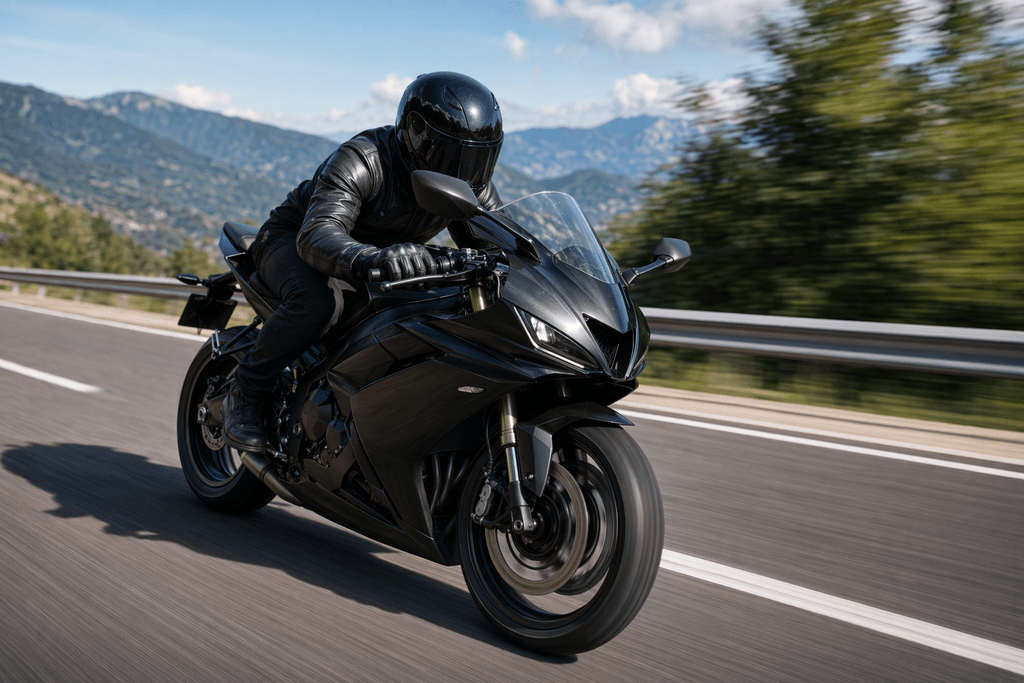
オートバイ
ဆိုင်ကယ်
オートバイ
ဆိုင်ကယ်
Explanation
ဆိုင်ကယ်
オートバイ
အင်ဂျင်သုံး နှစ်ဘီးယာဉ် / မော်တော်ဖြင့် မောင်းနှင်သည့် ဆိုင်ကယ်
( romanization )
寂しい
အထီးကျန်သော
寂しい
အထီးကျန်သော
Explanation
寂しい
အထီးကျန်သော
寂しい
အထီးကျန် / ဝမ်းနည်းဖွယ် / ရှုတ်နေသော

Word Forms
The basic and commonly used forms of this adjective.
Basic forms
| Form | Word form | Usage |
|---|---|---|
| Imperfective form (mizenkei) | Used in forms such as karou; mainly literary. | |
| Continuative form (renyokei) |
Alternative:
寂しかっ
|
Used in forms such as kute and kunai. |
| Conclusive form (shushikei) | Ends a sentence. | |
| Attributive form (rentaikei) | Modifies a noun. | |
| Conditional form (kateikei) | Expresses a condition with kereba. | |
| Imperative form (meireikei) | Rarely used in modern Japanese. |
Common forms
布団
ဂျပန်အိပ်ရာခင်း
布団
ဂျပန်အိပ်ရာခင်း
Explanation
布団
ဂျပန်အိပ်ရာခင်း
布団
ဖူတွန် (ဂျပန်အိပ်ယာခင်း) / အိပ်ယာခင်း/အိပ်ယာအလိပ်

訳
အဓိပ္ပာယ် / အကြောင်းပြချက်
訳
အဓိပ္ပာယ် / အကြောင်းပြချက်
Explanation
訳
အဓိပ္ပာယ် / အကြောင်းပြချက်
訳
အဓိပ္ပာယ် / အကြောင်းရင်း / အခြေအနေ

( romanization )
( hiragana historical )
この間
ဟိုတစ်နေ့က
この間
ဟိုတစ်နေ့က
Explanation
この間
ဟိုတစ်နေ့က
この間
မကြာသေးခင်က / လတ်တလော / ဒီကာလအတွင်း

( romanization )
( romanization )
( hiragana historical )
アルバイト
အချိန်ပိုင်းအလုပ်
アルバイト
အချိန်ပိုင်းအလုပ်
Explanation
အချိန်ပိုင်းအလုပ်
アルバイト
အချိန်ပိုင်းအလုပ် / အလုပ်ချိန်တိုအလုပ်

( romanization )
アジア
အာရှ
アジア
အာရှ
Explanation
အာရှ
アジア
ကမ္ဘာပေါ်ရှိ တိုက်တစ်ခု / အာရှတိုက်

( romanization )
普通
သာမန်ဖြစ်သော / ဘူတာတိုင်းရပ်ရထား
普通
သာမန်ဖြစ်သော / ဘူတာတိုင်းရပ်ရထား
Explanation
普通
သာမန်ဖြစ်သော / ဘူတာတိုင်းရပ်ရထား
普通
သာမန် / ပုံမှန် / ယေဘုယျ

Word Forms
The basic and commonly used forms of this adjectival noun.
Basic forms
| Form | Word form | Usage |
|---|---|---|
| Imperfective form (mizenkei) |
Alternative:
普通でしょ
|
Used in forms such as darou. |
| Continuative form (renyokei) |
Alternative:
普通に
|
Used with de or ni. |
| Conclusive form (shushikei) |
Alternative:
普通です
|
Ends a sentence with da. |
| Attributive form (rentaikei) |
Alternative:
普通の
|
Modifies a noun with na. |
| Conditional form (kateikei) |
Alternative:
普通であれば
|
Expresses a condition with nara. |
| Imperative form (meireikei) | Used in formal expressions such as de are. |
Common forms
| Form | Word form | Usage |
|---|---|---|
| Te-form equivalent | Connects clauses using de. | |
| Ta-form |
Alternative:
普通でした
|
Expresses the past with datta. |
| Nai-form |
Alternative:
普通じゃない
普通でない
|
Expresses negation with dewa nai or ja nai. |
| Desu-form | Used for polite speech. |
Notes
Loading...

JLPT N4 多言語単語帳・631語 / JLPT N4 Multilingual Vocabulary: 631 Words

Jonathan Waller 氏の JLPT Resources の語彙リスト・レベル分類を出典とし、CC BY の条件に従って DiQt が初級向けに意味を作り直した631語の単語帳です。JLPT公式の語彙リストではありません。
This collection of 631 words is based on the vocabulary list and level classifications in Jonathan Waller’s JLPT Resources under CC BY, with meanings rewritten by DiQt for beginners. It is not an official JLPT vocabulary list.
Key Operations
Select the first quiz:
Ctrl + Enter
View Explanation:Ctrl + G
Close a feedback:Esc
When selecting a quiz
Answer:Enter
Select a choice:↓ or ↑
Reading out the question:Ctrl + K
View Hint: Ctrl + M
I don't know: Ctrl + Y



