
JLPT N4 ဝေါဟာရအဓိပ္ပာယ် လေ့ကျင့်ခန်း - Unsolved

JLPT N4 စကားလုံး 631 လုံး၏ မြန်မာအဓိပ္ပာယ်ကို အဖြေရွေးချယ်စရာ လေးခုပါသော မေးခွန်းများဖြင့် လေ့လာပါ။
-
လက်စွပ်
-
ကမ္ဘာ
-
ဂီတဖျော်ဖြေပွဲ
-
မူလတန်းကျောင်း
-
မိဘ
-
တိုင်ဖွန်းမုန်တိုင်း
-
ဖြတ်သွားသည်
-
လျှောသည် / ချော်သည်
-
အသက်ရှင်သည်
- 五段ラ行活用の動詞です。
-
အိမ်ပြောင်းသည်
-
ရယ်သည် / ပြုံးသည်
-
သပ်ရပ်အောင်ရှင်းသည်
-
ပြည်ပတင်ပို့သည်
-
စိုက်ပျိုးသည်
-
ပေါင်းသည်
-
နေ့လယ်နားချိန်
-
ယို
-
စောင့်ရှောက်မှု
-
ဂီတဖျော်ဖြေပွဲ
-
အာရုံစိုက်မှု / သတိပြုခြင်း
-
ရဲ
-
ယေဘုယျအားဖြင့် / အကြမ်းဖျင်း
-
များစွာ
-
လုံးဝ
-
ပညာရေး
-
အစားထိုးအရာ
-
နူးညံ့သော
-
ပိန်လာသည်
-
ချီးမွမ်းသည်
-
စီစဉ်သည်
おもちゃ
ကစားစရာ
おもちゃ
ကစားစရာ
Explanation
ကစားစရာ
おもちゃ
ကလေးကစားစရာ / ကစားရန်အသုံးပြုသည့်ပစ္စည်း

( romanization )
景色
ရှုခင်း
景色
ရှုခင်း
Explanation
景色
ရှုခင်း
景色
ရှုခင်း / မြင်ကွင်း / ပတ်ဝန်းကျင်အလှပြင်

( Base form )
( romanization )
( hiragana )
参る
သွားသည် / လာသည်
参る
သွားသည် / လာသည်
Explanation
参る
သွားသည် / လာသည်
参る
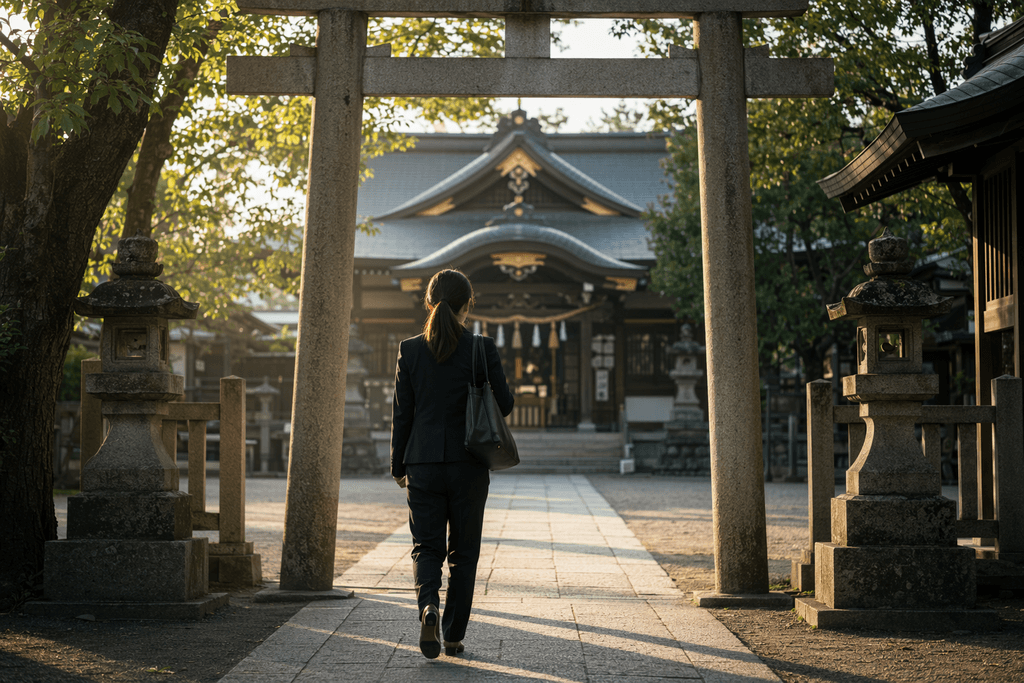
(ယဉ်ကျေးစကား) သွားသည် / (ယဉ်ကျေးစကား) လာသည် / တော်ဝင်အိမ်၊ ဘုရားစေတီ စသဖြင့် အလေးအနက်ရှိနေရာကို သွားဖူးမြော်သည်
Word Forms
The basic and commonly used forms of this verb.
Basic forms
| Form | Word form | Usage |
|---|---|---|
| Imperfective form (mizenkei) | Connects to endings such as nai, reru, and seru. | |
| Continuative form (renyokei) | Connects to endings such as masu, tai, and ta. | |
| Conclusive form (shushikei) | Ends a sentence and serves as the dictionary form. | |
| Attributive form (rentaikei) | Modifies a noun. | |
| Conditional form (kateikei) | Combines with ba to express a condition. | |
| Imperative form (meireikei) | Expresses a command or instruction. |
Common forms
| Form | Word form | Usage |
|---|---|---|
| Te-form | Connects clauses with te. | |
| Ta-form | Expresses the past with ta. | |
| Nai-form | Expresses negation with nai. | |
| Masu-form | Used for polite speech. | |
| Ba-form | Expresses a condition with ba. | |
| Volitional form | Expresses intention or invitation. |
Notes
負ける
ရှုံးသည်
負ける
ရှုံးသည်
Explanation
負ける
ရှုံးသည်
負ける
ရှုံးသည် / အနိုင်ပေးခံရသည်

Word Forms
The basic and commonly used forms of this verb.
Basic forms
| Form | Word form | Usage |
|---|---|---|
| Imperfective form (mizenkei) | Connects to endings such as nai, reru, and seru. | |
| Continuative form (renyokei) | Connects to endings such as masu, tai, and ta. | |
| Conclusive form (shushikei) | Ends a sentence and serves as the dictionary form. | |
| Attributive form (rentaikei) | Modifies a noun. | |
| Conditional form (kateikei) | Combines with ba to express a condition. | |
| Imperative form (meireikei) |
Alternative:
負けよ
|
Expresses a command or instruction. |
Common forms
直す
ပြုပြင်သည်
直す
ပြုပြင်သည်
Explanation
直す
ပြုပြင်သည်
直す
ပြုပြင်သည် / ပြင်ဆင်သည် / မှန်ကန်အောင်ပြင်သည်

Word Forms
The basic and commonly used forms of this verb.
Basic forms
| Form | Word form | Usage |
|---|---|---|
| Imperfective form (mizenkei) |
Alternative:
直そ
|
Connects to endings such as nai, reru, and seru. |
| Continuative form (renyokei) | Connects to endings such as masu, tai, and ta. | |
| Conclusive form (shushikei) | Ends a sentence and serves as the dictionary form. | |
| Attributive form (rentaikei) | Modifies a noun. | |
| Conditional form (kateikei) | Combines with ba to express a condition. | |
| Imperative form (meireikei) | Expresses a command or instruction. |
Common forms
理由
အကြောင်းပြချက်
理由
အကြောင်းပြချက်
Explanation
理由
အကြောင်းပြချက်
理由
အကြောင်းရင်း / အကြောင်းပြချက် / လှုံ့ဆော်အကြောင်းရင်း

( Base form )
( romanization )
( romanization )
( hiragana historical )
( hiragana )
席
ထိုင်ခုံနေရာ
席
ထိုင်ခုံနေရာ
Explanation
席
ထိုင်ခုံနေရာ
席
ထိုင်ရာနေရာ / နေရာ / ဧည့်ပွဲ

( romanization )
( hiragana )
ぜひ
မဖြစ်မနေ
ぜひ
မဖြစ်မနေ
Explanation
မဖြစ်မနေ
ぜひ
မဖြစ်မနေ / အထူးအားပေး၍

( romanization )
講堂
ခန်းမကြီး
講堂
ခန်းမကြီး
Explanation
講堂
ခန်းမကြီး
講堂
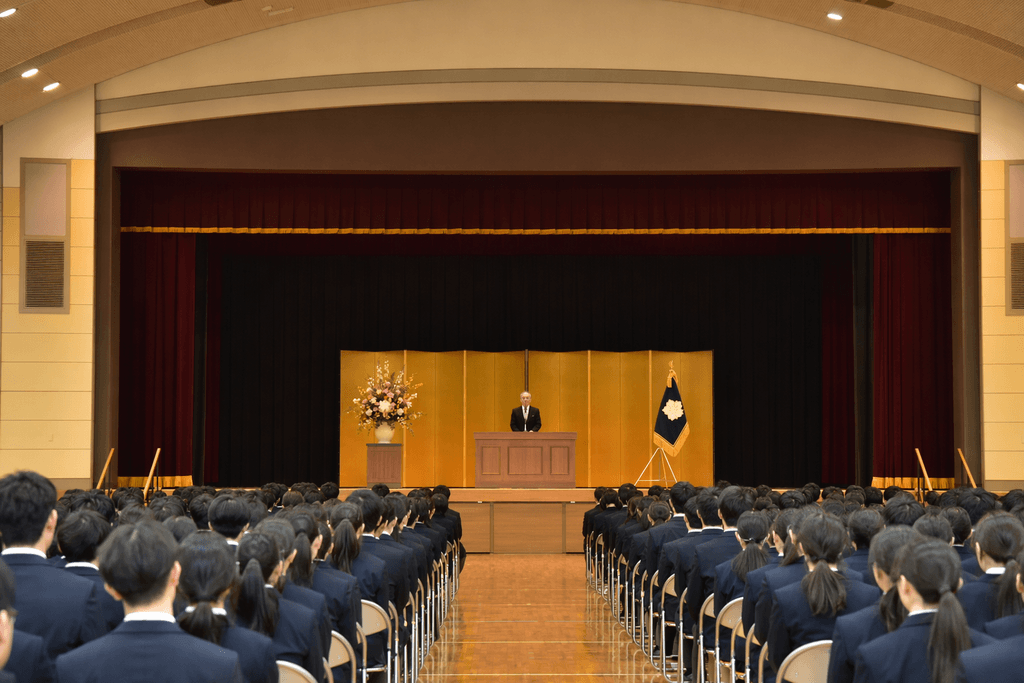
အစည်းအဝေးခန်းမ / မိန့်ခွန်း၊ ဆွေးနွေးပွဲတို့အတွက် မဟာခန်းမ / ကျောင်း/တက္ကသိုလ်၏ အခမ်းအနားခန်းမ
( Base form )
( romanization )
( hiragana )
拾う
ကောက်ယူသည်
拾う
ကောက်ယူသည်
Explanation
拾う
ကောက်ယူသည်
拾う
ကောက်ယူသည် / မြေကနေ ကောက်ရယူသည် / တွေ့ပြီး ကောက်ယူသည်

Word Forms
The basic and commonly used forms of this verb.
Basic forms
| Form | Word form | Usage |
|---|---|---|
| Imperfective form (mizenkei) |
Alternative:
拾お
|
Connects to endings such as nai, reru, and seru. |
| Continuative form (renyokei) |
Alternative:
拾っ
|
Connects to endings such as masu, tai, and ta. |
| Conclusive form (shushikei) | Ends a sentence and serves as the dictionary form. | |
| Attributive form (rentaikei) | Modifies a noun. | |
| Conditional form (kateikei) | Combines with ba to express a condition. | |
| Imperative form (meireikei) | Expresses a command or instruction. |
Common forms
Loading...

JLPT N4 多言語単語帳・631語 / JLPT N4 Multilingual Vocabulary: 631 Words

Jonathan Waller 氏の JLPT Resources の語彙リスト・レベル分類を出典とし、CC BY の条件に従って DiQt が初級向けに意味を作り直した631語の単語帳です。JLPT公式の語彙リストではありません。
This collection of 631 words is based on the vocabulary list and level classifications in Jonathan Waller’s JLPT Resources under CC BY, with meanings rewritten by DiQt for beginners. It is not an official JLPT vocabulary list.
Key Operations
Select the first quiz:
Ctrl + Enter
View Explanation:Ctrl + G
Close a feedback:Esc
When selecting a quiz
Answer:Enter
Select a choice:↓ or ↑
Reading out the question:Ctrl + K
View Hint: Ctrl + M
I don't know: Ctrl + Y



