
JLPT N4 ဝေါဟာရအဓိပ္ပာယ် လေ့ကျင့်ခန်း - Unsolved

JLPT N4 စကားလုံး 631 လုံး၏ မြန်မာအဓိပ္ပာယ်ကို အဖြေရွေးချယ်စရာ လေးခုပါသော မေးခွန်းများဖြင့် လေ့လာပါ။
-
အဆောင်ငှားနေသည်
-
ရှုံးသည်
-
ပိန်လာသည်
-
အသံထွက်
-
ကိုယ်မွေး / တိရစ္ဆာန်အမွေး
-
လျှပ်စစ်မီးလုံး
-
စုံစမ်းသည်
-
ကိုက်သည် / ဝါးသည်
-
ယာဉ်မှဆင်းသည် / အောက်ဆင်းသည်
-
ကိုယ်လက်လှုပ်ရှားမှု
-
အနောက်တိုင်းဝတ်စုံ
-
သမီး / မိန်းမပျို
-
နည်းပညာ / ကျွမ်းကျင်မှု
-
အနည်းဆုံး / ဒါပါပဲ
-
ပြန်ကြားချက်
-
ရန်ဖြစ်ခြင်း
-
သမီး / မိန်းမပျို
-
သုတေသနခန်း / ဓာတ်ခွဲခန်း
-
အကြောင်းပြချက်
-
အတွင်း
-
တိုင်ဖွန်းမုန်တိုင်း
-
ရန်ဖြစ်ခြင်း
-
ပျော်ရွှင်မှု
-
နံရံကပ်ဗီရို
-
အဲဒီလောက်
-
အများဆုံး
-
တည့်တည့် / ရုတ်တရက်
-
များစွာ
-
အတော်အတန်
-
တည့်တည့် / ရုတ်တရက်
眠る
အိပ်သည်
眠る
အိပ်သည်
Explanation
眠る
အိပ်သည်
眠る
အိပ်သည် / အိပ်ပျော်သည် / နားနေသည်

Word Forms
The basic and commonly used forms of this verb.
Basic forms
| Form | Word form | Usage |
|---|---|---|
| Imperfective form (mizenkei) |
Alternative:
眠ろ
|
Connects to endings such as nai, reru, and seru. |
| Continuative form (renyokei) | Connects to endings such as masu, tai, and ta. | |
| Conclusive form (shushikei) | Ends a sentence and serves as the dictionary form. | |
| Attributive form (rentaikei) | Modifies a noun. | |
| Conditional form (kateikei) | Combines with ba to express a condition. | |
| Imperative form (meireikei) | Expresses a command or instruction. |
Common forms
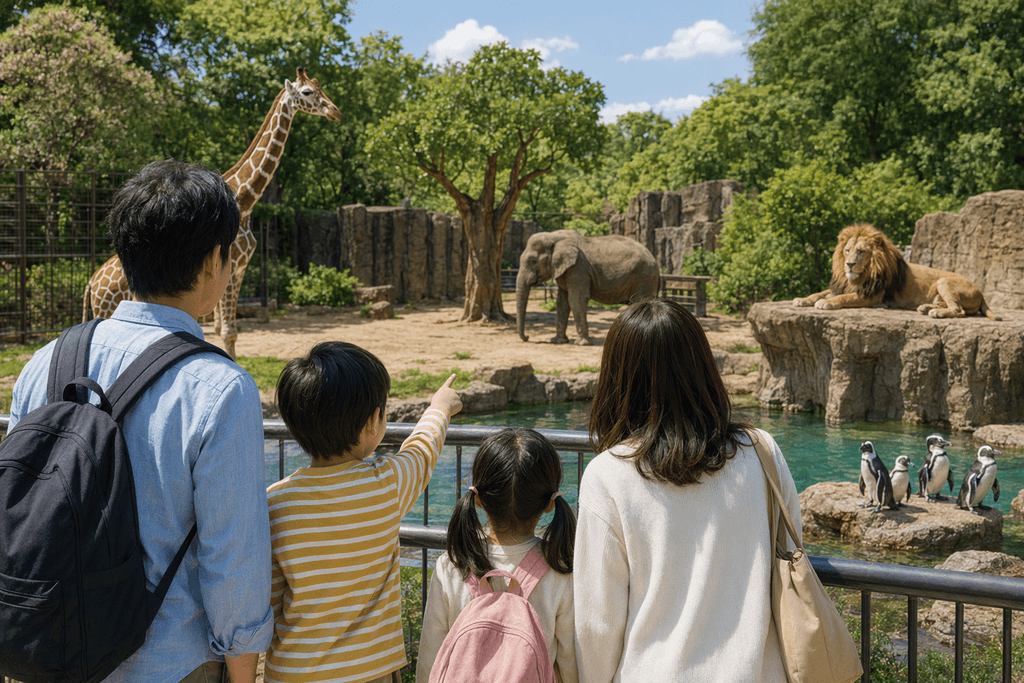
動物園
တိရစ္ဆာန်ဥယျာဉ်
動物園
တိရစ္ဆာန်ဥယျာဉ်
Explanation
動物園
တိရစ္ဆာန်ဥယျာဉ်
動物園
တိရစ္ဆာန်ဥယျာဉ် / တိရစ္ဆာန်များကို ပြသနှင့် ထိန်းသိမ်းထားသော ဥယျာဉ် / လူများကြည့်ရှုနှင့် သင်ကြားရန် တိရစ္ဆာန်များကို စုစည်းထားသောနေရာ
( Base form )
( romanization )
( romanization )
( hiragana historical )
( hiragana )
治る
ပျောက်ကင်းသည်
治る
ပျောက်ကင်းသည်
Explanation
治る
ပျောက်ကင်းသည်
治る
ပြန်ကောင်းလာသည် / သက်သာလာသည် / ကုသ၍ ကောင်းမွန်လာသည်

Word Forms
The basic and commonly used forms of this verb.
Basic forms
| Form | Word form | Usage |
|---|---|---|
| Imperfective form (mizenkei) | Connects to endings such as nai, reru, and seru. | |
| Continuative form (renyokei) | Connects to endings such as masu, tai, and ta. | |
| Conclusive form (shushikei) | Ends a sentence and serves as the dictionary form. | |
| Attributive form (rentaikei) | Modifies a noun. | |
| Conditional form (kateikei) | Combines with ba to express a condition. | |
| Imperative form (meireikei) | Expresses a command or instruction. |
Common forms
将来
အနာဂတ် / ရှေ့အလားအလာ
将来
အနာဂတ် / ရှေ့အလားအလာ
Explanation
将来
အနာဂတ် / ရှေ့အလားအလာ
将来
အနာဂတ် / လာမည့်အချိန် / အနာဂတ်အလားအလာ

( Base form )
( romanization )
( hiragana )
場合
အခြေအနေတစ်ရပ်
場合
အခြေအနေတစ်ရပ်
Explanation
場合
အခြေအနေတစ်ရပ်
場合
အခြေအနေ၊ အနေအထား / ကိစ္စ၊ ဖြစ်ရပ် / အခါ၊ အချိန်

( Base form )
( romanization )
( romanization )
( hiragana historical )
( hiragana )
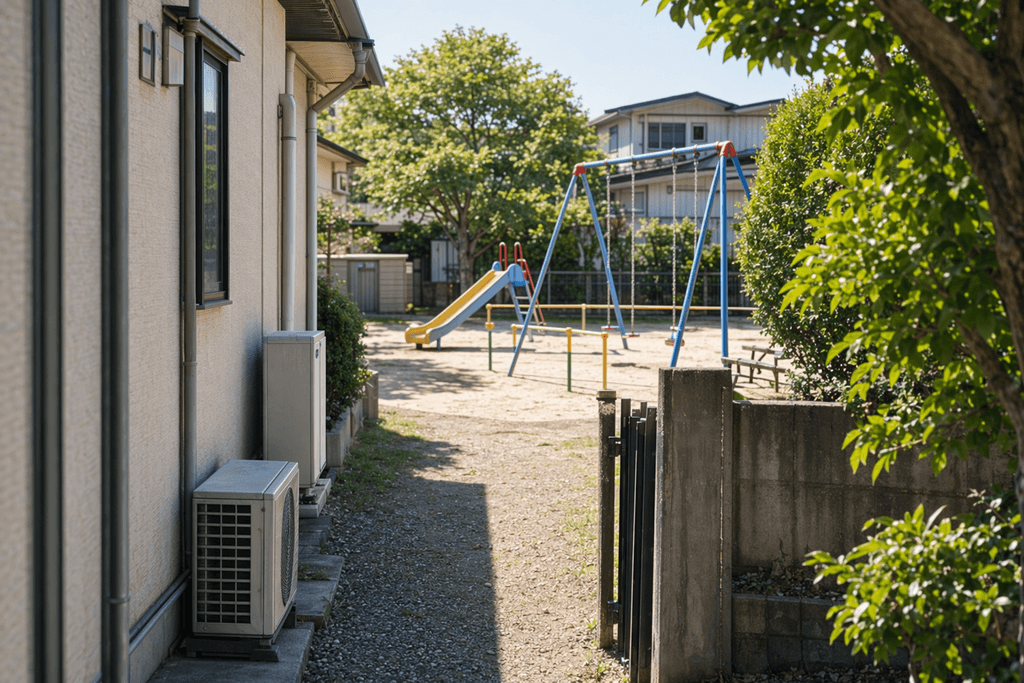
裏
နောက်ဘက်
裏
နောက်ဘက်
Explanation
裏
နောက်ဘက်
裏
နောက်ဘက်၊ အခြားဘက် / အတွင်းဘက်
( romanization )
( hiragana )
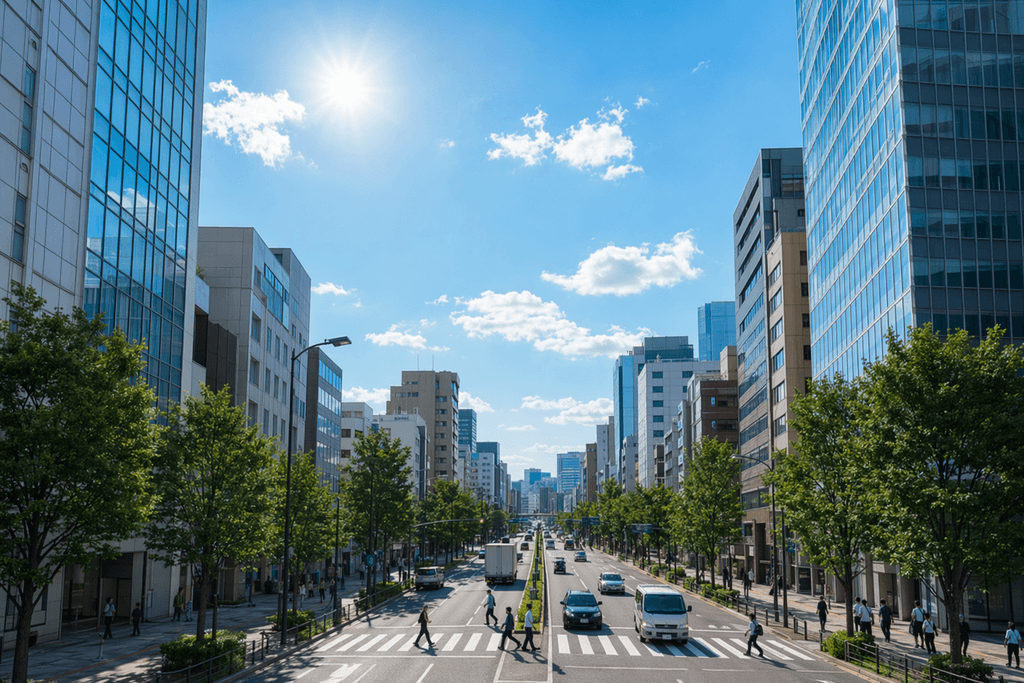
昼間
နေ့အချိန်
昼間
နေ့အချိန်
Explanation
昼間
နေ့အချိန်
昼間
နေ့ခင်း / နေ့ပိုင်း / နေ့ခင်းအတွင်း
( Base form )
( romanization )
( hiragana )
髪
ဆံပင်
髪
ဆံပင်
Explanation
髪
ဆံပင်
髪
ဆံပင် / ခေါင်းပေါ်ရှိ ဆံပင်

( romanization )
( kyūjitai )
( hiragana )
もうすぐ
မကြာမီ
もうすぐ
မကြာမီ
Explanation
မကြာမီ
もうすぐ
မကြာခင် / နီးနီးကပ်ကပ် / လုနီးပါး

やっと
နောက်ဆုံးတွင်
やっと
နောက်ဆုံးတွင်
Explanation
နောက်ဆုံးတွင်
やっと
နောက်ဆုံးတွင် / အတောင့်အတန်ကြာပြီးမှ / ကြာကြာစောင့်ဆိုင်းပြီးမှ

( romanization )
Loading...

JLPT N4 多言語単語帳・631語 / JLPT N4 Multilingual Vocabulary: 631 Words

Jonathan Waller 氏の JLPT Resources の語彙リスト・レベル分類を出典とし、CC BY の条件に従って DiQt が初級向けに意味を作り直した631語の単語帳です。JLPT公式の語彙リストではありません。
This collection of 631 words is based on the vocabulary list and level classifications in Jonathan Waller’s JLPT Resources under CC BY, with meanings rewritten by DiQt for beginners. It is not an official JLPT vocabulary list.
Key Operations
Select the first quiz:
Ctrl + Enter
View Explanation:Ctrl + G
Close a feedback:Esc
When selecting a quiz
Answer:Enter
Select a choice:↓ or ↑
Reading out the question:Ctrl + K
View Hint: Ctrl + M
I don't know: Ctrl + Y



