
JLPT N4 ဝေါဟာရအဓိပ္ပာယ် လေ့ကျင့်ခန်း - Unsolved

JLPT N4 စကားလုံး 631 လုံး၏ မြန်မာအဓိပ္ပာယ်ကို အဖြေရွေးချယ်စရာ လေးခုပါသော မေးခွန်းများဖြင့် လေ့လာပါ။
-
ခိုင်မာစွာ / တည်ငြိမ်စွာ
-
များစွာ
-
မဖြစ်မနေ
-
ပုံမှန်အသွားအပြန်လုပ်သည်
-
ထမင်းစားသည်
-
လျှောသည် / ချော်သည်
- 五段活用バ行の動詞。連用形に接続する「て」「た」では撥音便になり、「選んで」「選んだ」となる。
-
ပေးသည်
-
စိုစွတ်သည်
-
လုပ်ခြင်းကိုရပ်သည်
-
ကြိုတင်မှာယူမှု
-
လွတ်လပ်မှု
-
အာရုံစိုက်မှု / သတိပြုခြင်း
-
အယ်လ်ကိုဟော
-
ဖို့
-
ကြယ်
-
ပုံသဏ္ဌာန်
-
ရှင်းပြချက်
-
ဂျပန်အိပ်ရာခင်း
-
မီဆိုပဲနှစ်
-
သင်ခန်းစာကြိုတင်လေ့လာခြင်း
-
အတားအဆီး
-
လက်ခံရရှိသည် / စားသည်
-
မြည်သည်
-
ပြီးစီးသည်
-
ထောင်သည်
-
ထိသည်
-
ရိုက်သည်
-
ဂျပန်ရိုးရာတည်းခိုခန်း
-
လိမ်စကား
-
ကုန်သွယ်ရေး
そろそろ
တဖြည်းဖြည်း / မကြာမီ
そろそろ
တဖြည်းဖြည်း / မကြာမီ
Explanation
တဖြည်းဖြည်း / မကြာမီ
そろそろ
မကြာခင် / အချိန်တန်ပြီ / တဖြည်းဖြည်းပျော့ပျောင်းစွာ

( romanization )
選ぶ
ရွေးချယ်သည်
選ぶ
ရွေးချယ်သည်
Explanation
選ぶ
ရွေးချယ်သည်
選ぶ
ရွေးချယ်သည် / ရွေးကောက်သည်

Word Forms
The basic and commonly used forms of this verb.
Basic forms
| Form | Word form | Usage |
|---|---|---|
| Imperfective form (mizenkei) |
Alternative:
選ぼ
|
Connects to endings such as nai, reru, and seru. |
| Continuative form (renyokei) | Connects to endings such as masu, tai, and ta. | |
| Conclusive form (shushikei) | Ends a sentence and serves as the dictionary form. | |
| Attributive form (rentaikei) | Modifies a noun. | |
| Conditional form (kateikei) | Combines with ba to express a condition. | |
| Imperative form (meireikei) | Expresses a command or instruction. |
Common forms
| Form | Word form | Usage |
|---|---|---|
| Te-form | Connects clauses with te. | |
| Ta-form | Expresses the past with ta. | |
| Nai-form | Expresses negation with nai. | |
| Masu-form | Used for polite speech. | |
| Ba-form | Expresses a condition with ba. | |
| Volitional form | Expresses intention or invitation. |
Notes
尋ねる
မေးသည်
尋ねる
မေးသည်
Explanation
尋ねる
မေးသည်
尋ねる
မေးမြန်းသည် / မေးသည် / မေးခွန်းထုတ်သည်

Word Forms
The basic and commonly used forms of this verb.
Basic forms
| Form | Word form | Usage |
|---|---|---|
| Imperfective form (mizenkei) | Connects to endings such as nai, reru, and seru. | |
| Continuative form (renyokei) | Connects to endings such as masu, tai, and ta. | |
| Conclusive form (shushikei) | Ends a sentence and serves as the dictionary form. | |
| Attributive form (rentaikei) | Modifies a noun. | |
| Conditional form (kateikei) | Combines with ba to express a condition. | |
| Imperative form (meireikei) |
Alternative:
尋ねよ
|
Expresses a command or instruction. |
Common forms
星
ကြယ်
星
ကြယ်
Explanation
星
ကြယ်
星
ကြယ် / နက္ခတ်

( romanization )
( hiragana )
泥棒
သူခိုး
泥棒
သူခိုး
Explanation
泥棒
သူခိုး
泥棒
ခိုးသူ / အိမ်ခိုးသူ / လုယက်သမား

( Base form )
( romanization )
( romanization )
( stem )
( Past )
( hiragana historical )
( table-tags )
( inflection-template )
( imperfective stem )
( imperfective stem )
( imperfective )
( continuative stem )
( continuative stem )
( continuative )
( stem terminative )
( stem terminative )
( terminative )
( attributive stem )
( attributive stem )
( attributive )
( hypothetical stem )
( hypothetical stem )
( hypothetical )
( Imperative literary stem )
( colloquial Imperative stem )
( Imperative literary stem )
( colloquial Imperative stem )
( Imperative literary )
( colloquial Imperative )
( Passive voice )
( Passive voice )
( Passive voice )
( causative )
( causative )
( causative )
( causative )
( causative )
( causative )
( potential )
( potential )
( potential )
( volitional )
( volitional )
( volitional )
( negative )
( negative )
( negative )
( continuative negative )
( continuative negative )
( continuative negative )
( formal )
( formal )
( formal )
( perfective )
( perfective )
( perfective )
( conjunctive )
( conjunctive )
( conjunctive )
( Conditional hypothetical )
( Conditional hypothetical )
( Conditional hypothetical )
拝見
ကြည့်ရှုခြင်း
拝見
ကြည့်ရှုခြင်း
Explanation
拝見
ကြည့်ရှုခြင်း
拝見
(ယိမ်းညွတ်) ကြည့်ရှုခြင်း / (ယိမ်းညွတ်) မြင်တွေ့ခြင်း

( Base form )
( romanization )
( stem )
( Past )
( table-tags )
( inflection-template )
( imperfective stem )
( imperfective stem )
( imperfective )
( continuative stem )
( continuative stem )
( continuative )
( stem terminative )
( stem terminative )
( terminative )
( attributive stem )
( attributive stem )
( attributive )
( hypothetical stem )
( hypothetical stem )
( hypothetical )
( Imperative literary stem )
( colloquial Imperative stem )
( Imperative literary stem )
( colloquial Imperative stem )
( Imperative literary )
( colloquial Imperative )
( Passive voice )
( Passive voice )
( Passive voice )
( causative )
( causative )
( causative )
( causative )
( causative )
( causative )
( potential )
( potential )
( potential )
( volitional )
( volitional )
( volitional )
( negative )
( negative )
( negative )
( continuative negative )
( continuative negative )
( continuative negative )
( formal )
( formal )
( formal )
( perfective )
( perfective )
( perfective )
( conjunctive )
( conjunctive )
( conjunctive )
( Conditional hypothetical )
( Conditional hypothetical )
( Conditional hypothetical )
ハンドバッグ
လက်ကိုင်အိတ်
ハンドバッグ
လက်ကိုင်အိတ်
Explanation
လက်ကိုင်အိတ်
ハンドバッグ
လက်ကိုင်အိတ် / အမျိုးသမီးများ အသုံးပြုသည့် အသေးစား လက်ကိုင်အိတ်

( romanization )
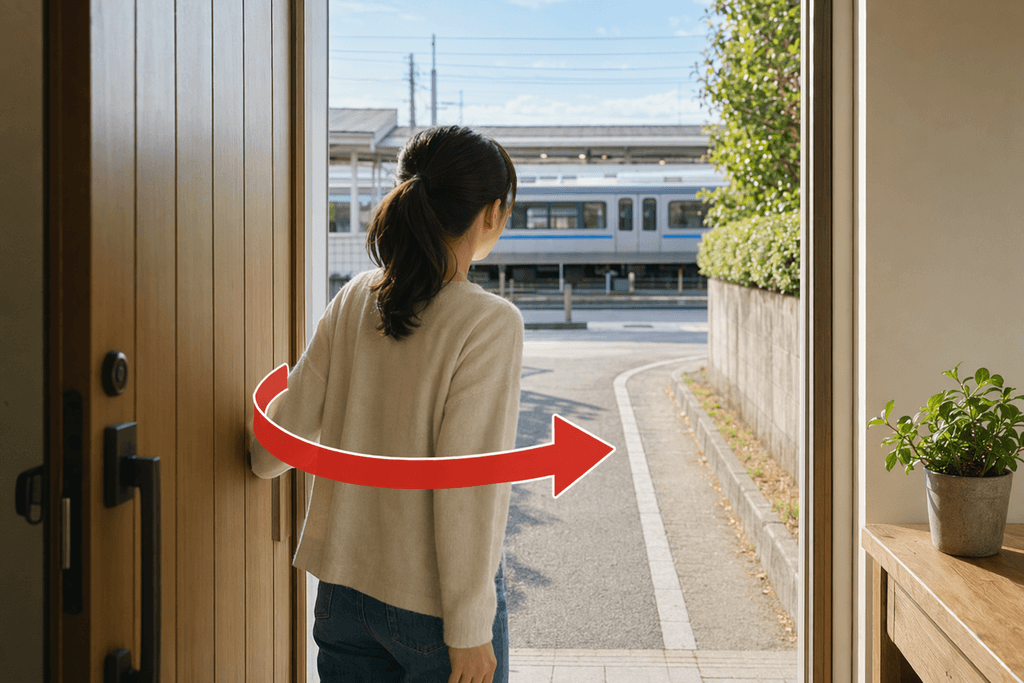
回る
ပတ်သွားသည် / လည်သည်
回る
ပတ်သွားသည် / လည်သည်
Explanation
回る
ပတ်သွားသည် / လည်သည်
回る
လှည့်သည်; လှည့်ပတ်သည် / ပတ်ပတ်လည် သွားလာသည်; နေရာစုံ လှည့်လည်သည် / (အရက် စသည်) ခေါင်းတက်သည်; အာနိသင် ဝင်လာသည်
Word Forms
The basic and commonly used forms of this verb.
Basic forms
| Form | Word form | Usage |
|---|---|---|
| Imperfective form (mizenkei) | Connects to endings such as nai, reru, and seru. | |
| Continuative form (renyokei) | Connects to endings such as masu, tai, and ta. | |
| Conclusive form (shushikei) | Ends a sentence and serves as the dictionary form. | |
| Attributive form (rentaikei) | Modifies a noun. | |
| Conditional form (kateikei) | Combines with ba to express a condition. | |
| Imperative form (meireikei) | Expresses a command or instruction. |
Common forms
通る
ဖြတ်သွားသည်
通る
ဖြတ်သွားသည်
Explanation
通る
ဖြတ်သွားသည်
通る
ဖြတ်သန်းသည် / ကျော်လွှားသည် / အောင်မြင်သည်

Word Forms
The basic and commonly used forms of this verb.
Basic forms
| Form | Word form | Usage |
|---|---|---|
| Imperfective form (mizenkei) |
Alternative:
通ろ
|
Connects to endings such as nai, reru, and seru. |
| Continuative form (renyokei) | Connects to endings such as masu, tai, and ta. | |
| Conclusive form (shushikei) | Ends a sentence and serves as the dictionary form. | |
| Attributive form (rentaikei) | Modifies a noun. | |
| Conditional form (kateikei) | Combines with ba to express a condition. | |
| Imperative form (meireikei) | Expresses a command or instruction. |
Common forms
約束
ကတိ
約束
ကတိ
Explanation
約束
ကတိ
約束
ကတိ / ချိန်းဆိုချက် / စည်းကမ်းသတ်မှတ်ချက်

( Base form )
( romanization )
( hiragana )
Loading...

JLPT N4 多言語単語帳・631語 / JLPT N4 Multilingual Vocabulary: 631 Words

Jonathan Waller 氏の JLPT Resources の語彙リスト・レベル分類を出典とし、CC BY の条件に従って DiQt が初級向けに意味を作り直した631語の単語帳です。JLPT公式の語彙リストではありません。
This collection of 631 words is based on the vocabulary list and level classifications in Jonathan Waller’s JLPT Resources under CC BY, with meanings rewritten by DiQt for beginners. It is not an official JLPT vocabulary list.
Key Operations
Select the first quiz:
Ctrl + Enter
View Explanation:Ctrl + G
Close a feedback:Esc
When selecting a quiz
Answer:Enter
Select a choice:↓ or ↑
Reading out the question:Ctrl + K
View Hint: Ctrl + M
I don't know: Ctrl + Y



