
JLPT N4 ဝေါဟာရအဓိပ္ပာယ် လေ့ကျင့်ခန်း - Unsolved

JLPT N4 စကားလုံး 631 လုံး၏ မြန်မာအဓိပ္ပာယ်ကို အဖြေရွေးချယ်စရာ လေးခုပါသော မေးခွန်းများဖြင့် လေ့လာပါ။
-
မြို့တော်ကြီး
-
မိတ်ဆက်ခြင်း
-
လည်ပတ်ကြည့်ရှုခြင်း
-
ဘာသာပြန်ဆိုခြင်း
-
သူခိုး
-
ကုန်ပစ္စည်း
-
ရှားပါးသော
-
အိပ်ချင်သော
-
သေးမွှားသော / အသေးစိတ်သော
- 命令形「嬉しかれ」は現代語では稀な文語的表現です。
-
ဝတ္ထု
-
ခေတ်
-
ဝါသနာ
-
ခဲဖျက်
-
အိပ်ရာထနောက်ကျခြင်း
-
လမ်းညွှန်မှု
-
တောက်ပသည်
-
အဆောင်ငှားနေသည်
-
ချိတ်ဆွဲသည် / ဖုန်းခေါ်သည်
- 五段活用(カ行)の動詞。
-
ဘယ်တော့မှမဖြစ်
-
ထုတ်လွှင့်သည်
-
မဖြစ်မနေ
-
အဆောက်အအုံခေါင်မိုးထပ်
-
အကျင့် / ဓလေ့
-
ခွန်အား / စွမ်းအား
-
ပြိုင်ဆိုင်မှု
-
ထူးဆန်းသော
-
စတီရီယို
-
နည်းလမ်း
-
ကြေညာသူ
-
အတွင်း
ワープロ
စာစီစာရိုက်စက်
ワープロ
စာစီစာရိုက်စက်
Explanation
စာစီစာရိုက်စက်
ワープロ
စာတမ်း ရေးသား၊ တည်းဖြတ်ရန် စာစီစာရိုက် ဆော့ဖ်ဝဲ / စာစီစာရိုက် သီးသန့်စက်

( romanization )
反対
ဆန့်ကျင်မှု / ဆန့်ကျင်ဘက်
反対
ဆန့်ကျင်မှု / ဆန့်ကျင်ဘက်
Explanation
反対
ဆန့်ကျင်မှု / ဆန့်ကျင်ဘက်
反対
ဆန့်ကျင်မှု / ကန့်ကွက်မှု / မသဘောတူမှု

( Base form )
( romanization )
( stem )
( Past )
( table-tags )
( inflection-template )
( imperfective stem )
( imperfective stem )
( imperfective )
( continuative stem )
( continuative stem )
( continuative )
( stem terminative )
( stem terminative )
( terminative )
( attributive stem )
( attributive stem )
( attributive )
( hypothetical stem )
( hypothetical stem )
( hypothetical )
( Imperative literary stem )
( colloquial Imperative stem )
( Imperative literary stem )
( colloquial Imperative stem )
( Imperative literary )
( colloquial Imperative )
( Passive voice )
( Passive voice )
( Passive voice )
( causative )
( causative )
( causative )
( causative )
( causative )
( causative )
( potential )
( potential )
( potential )
( volitional )
( volitional )
( volitional )
( negative )
( negative )
( negative )
( continuative negative )
( continuative negative )
( continuative negative )
( formal )
( formal )
( formal )
( perfective )
( perfective )
( perfective )
( conjunctive )
( conjunctive )
( conjunctive )
( Conditional hypothetical )
( Conditional hypothetical )
( Conditional hypothetical )
嬉しい
ဝမ်းသာသော
嬉しい
ဝမ်းသာသော
Explanation
嬉しい
ဝမ်းသာသော
嬉しい
ပျော်ရွှင်သော / ဝမ်းသာသော / ပီတိဖြစ်သော

Word Forms
The basic and commonly used forms of this adjective.
Basic forms
| Form | Word form | Usage |
|---|---|---|
| Imperfective form (mizenkei) | Used in forms such as karou; mainly literary. | |
| Continuative form (renyokei) |
Alternative:
嬉しかっ
|
Used in forms such as kute and kunai. |
| Conclusive form (shushikei) | Ends a sentence. | |
| Attributive form (rentaikei) | Modifies a noun. | |
| Conditional form (kateikei) | Expresses a condition with kereba. | |
| Imperative form (meireikei) | Rarely used in modern Japanese. |
Common forms
| Form | Word form | Usage |
|---|---|---|
| Te-form | Connects clauses with kute. | |
| Ta-form | Expresses the past with katta. | |
| Nai-form | Expresses negation with kunai. | |
| Ba-form | Expresses a condition with kereba. |
Notes
ステーキ
စတိတ်
ステーキ
စတိတ်
Explanation
စတိတ်
ステーキ
အမဲသားကို အထူအလွှာဖြတ်ကင်ချက်သည့်ဟင်း / အမဲသားကင်ဟင်း
( romanization )
お見舞い
လူနာသွားမေးခြင်း
お見舞い
လူနာသွားမေးခြင်း
Explanation
お見舞い
လူနာသွားမေးခြင်း
お見舞い
လူနာ/မကျန်းမားသူကို သွားရောက်မေးမြန်းခြင်း / အခြေအနေမေးမြန်းရာတွင် ပို့သ/ယူဆောင်သွားသော လက်ဆောင် သို့မဟုတ် စာ

( Base form )
( romanization )
( romanization )
( hiragana historical )
付く
ကပ်သည်
付く
ကပ်သည်
Explanation
付く
ကပ်သည်
付く
ကပ်လျက်ရှိသည်၊ ထိတွေ့သည် / ပါဝင်သည်၊ ထည့်သွင်းထားသည် / အဖွဲ့/သူတစ်ဦးအောက်တွင် ဆက်နွယ်၍ အောက်ခံဖြစ်သည်၊ ဘက်လိုက်ပေါင်းဖက်ဖြစ်သည်

Word Forms
The basic and commonly used forms of this verb.
Basic forms
| Form | Word form | Usage |
|---|---|---|
| Imperfective form (mizenkei) |
Alternative:
付こ
|
Connects to endings such as nai, reru, and seru. |
| Continuative form (renyokei) | Connects to endings such as masu, tai, and ta. | |
| Conclusive form (shushikei) | Ends a sentence and serves as the dictionary form. | |
| Attributive form (rentaikei) | Modifies a noun. | |
| Conditional form (kateikei) | Combines with ba to express a condition. | |
| Imperative form (meireikei) | Expresses a command or instruction. |
Common forms
| Form | Word form | Usage |
|---|---|---|
| Te-form | Connects clauses with te. | |
| Ta-form | Expresses the past with ta. | |
| Nai-form | Expresses negation with nai. | |
| Masu-form | Used for polite speech. | |
| Ba-form | Expresses a condition with ba. | |
| Volitional form | Expresses intention or invitation. |
Notes
ほど
အတိုင်းအတာ
ほど
အတိုင်းအတာ
Explanation
အတိုင်းအတာ
ほど
အတိုင်းအတာ / ပမာဏ / အကန့်အသတ်

( romanization )
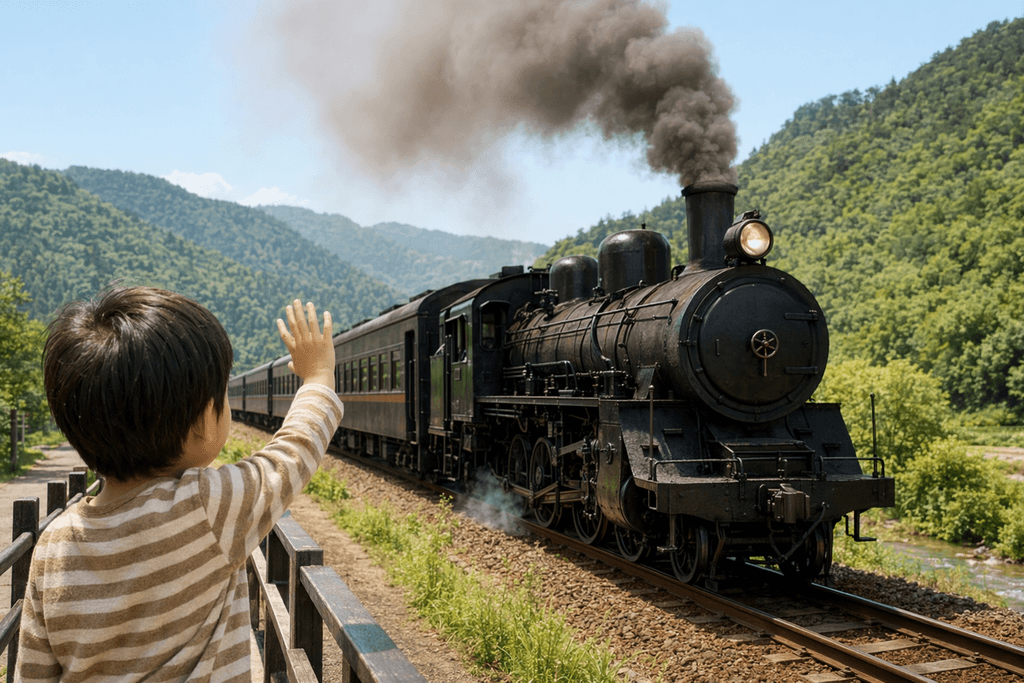
汽車
ရေနွေးငွေ့ရထား
汽車
ရေနွေးငွေ့ရထား
Explanation
汽車
ရေနွေးငွေ့ရထား
汽車
အငွေ့အားဖြင့် မောင်းနှင်သော ရထား / ရထား (ဟောင်း၊ စကားပြော)
( Base form )
( romanization )
( hiragana )
危険
အန္တရာယ်
危険
အန္တရာယ်
Explanation
危険
အန္တရာယ်
危険
အန္တရာယ် / ဘေးအန္တရာယ် / အန္တရာယ်ရှိနေမှု

( Base form )
( romanization )
( kyūjitai )
( hiragana )
血
သွေး
血
သွေး
Explanation
血
သွေး
血
သွေး / မျိုးရိုးသွေးဆက်

( romanization )
( hiragana )
Loading...

JLPT N4 多言語単語帳・631語 / JLPT N4 Multilingual Vocabulary: 631 Words

Jonathan Waller 氏の JLPT Resources の語彙リスト・レベル分類を出典とし、CC BY の条件に従って DiQt が初級向けに意味を作り直した631語の単語帳です。JLPT公式の語彙リストではありません。
This collection of 631 words is based on the vocabulary list and level classifications in Jonathan Waller’s JLPT Resources under CC BY, with meanings rewritten by DiQt for beginners. It is not an official JLPT vocabulary list.
Key Operations
Select the first quiz:
Ctrl + Enter
View Explanation:Ctrl + G
Close a feedback:Esc
When selecting a quiz
Answer:Enter
Select a choice:↓ or ↑
Reading out the question:Ctrl + K
View Hint: Ctrl + M
I don't know: Ctrl + Y



