
JLPT N4 ဝေါဟာရအဓိပ္ပာယ် လေ့ကျင့်ခန်း - Unsolved

JLPT N4 စကားလုံး 631 လုံး၏ မြန်မာအဓိပ္ပာယ်ကို အဖြေရွေးချယ်စရာ လေးခုပါသော မေးခွန်းများဖြင့် လေ့လာပါ။
-
စာပေ
-
မိမိ၏ဇနီး
-
မျဉ်း
-
လှပသော
-
ကြောက်စရာကောင်းသော
-
ဆိုးရွားသော
-
လုံလောက်သော
-
အချိန်ကြာပြီးနောက်
-
တက်ကြွသော / စည်ပင်သော
-
နေ့အချိန်
-
ခံစားချက် / စိတ်အခြေအနေ
-
ဆန်
-
အမှိုက်
-
ရေနွေး
-
အစိုးရဝန်ထမ်း
-
သမီး
-
ကားရပ်နားကွင်း
-
ရေကူးနည်း
-
ခါးသော
-
ကြောက်စရာကောင်းသော
-
ဝမ်းနည်းသော
- 表記は文脈により「上手い」「巧い」「旨い」「美味い」など。
- 「うまい」は「おいしい」「じょうずだ」「都合がよい」などの意味で用いられるイ形容詞。
-
အနာဂတ် / ရှေ့အလားအလာ
-
မတော်တဆမှု
-
ကျေးဇူးတင်စကား
-
မြက်
-
ဘာသာပြန်ဆိုခြင်း
-
လက်ချောင်း
-
သူခိုး
-
အထူးအမြန်ရထား
-
ထိုင်ခုံနေရာ
毛
ကိုယ်မွေး / တိရစ္ဆာန်အမွေး
毛
ကိုယ်မွေး / တိရစ္ဆာန်အမွေး
Explanation
毛
ကိုယ်မွေး / တိရစ္ဆာန်အမွေး
毛
အမွှေး / မွှေး

( romanization )
( hiragana )
深い
နက်သော
深い
နက်သော
Explanation
深い
နက်သော
深い
နက်ရှိုင်းသော / နက်ရင်းသော

Word Forms
The basic and commonly used forms of this adjective.
Basic forms
| Form | Word form | Usage |
|---|---|---|
| Imperfective form (mizenkei) | Used in forms such as karou; mainly literary. | |
| Continuative form (renyokei) |
Alternative:
深かっ
|
Used in forms such as kute and kunai. |
| Conclusive form (shushikei) | Ends a sentence. | |
| Attributive form (rentaikei) | Modifies a noun. | |
| Conditional form (kateikei) | Expresses a condition with kereba. | |
| Imperative form (meireikei) | Rarely used in modern Japanese. |
Common forms
真面目
အလေးအနက်ရှိသော / ကြိုးစားသော
真面目
အလေးအနက်ရှိသော / ကြိုးစားသော
Explanation
真面目
အလေးအနက်ရှိသော / ကြိုးစားသော
真面目
အလေးအနက်ထားသော / တာဝန်ခံသဘောရှိသော / ရိုးသားသော

Word Forms
The basic and commonly used forms of this adjectival noun.
Basic forms
| Form | Word form | Usage |
|---|---|---|
| Imperfective form (mizenkei) | Used in forms such as darou. | |
| Continuative form (renyokei) |
Alternative:
真面目に
|
Used with de or ni. |
| Conclusive form (shushikei) | Ends a sentence with da. | |
| Attributive form (rentaikei) | Modifies a noun with na. | |
| Conditional form (kateikei) | Expresses a condition with nara. | |
| Imperative form (meireikei) | Used in formal expressions such as de are. |
Common forms
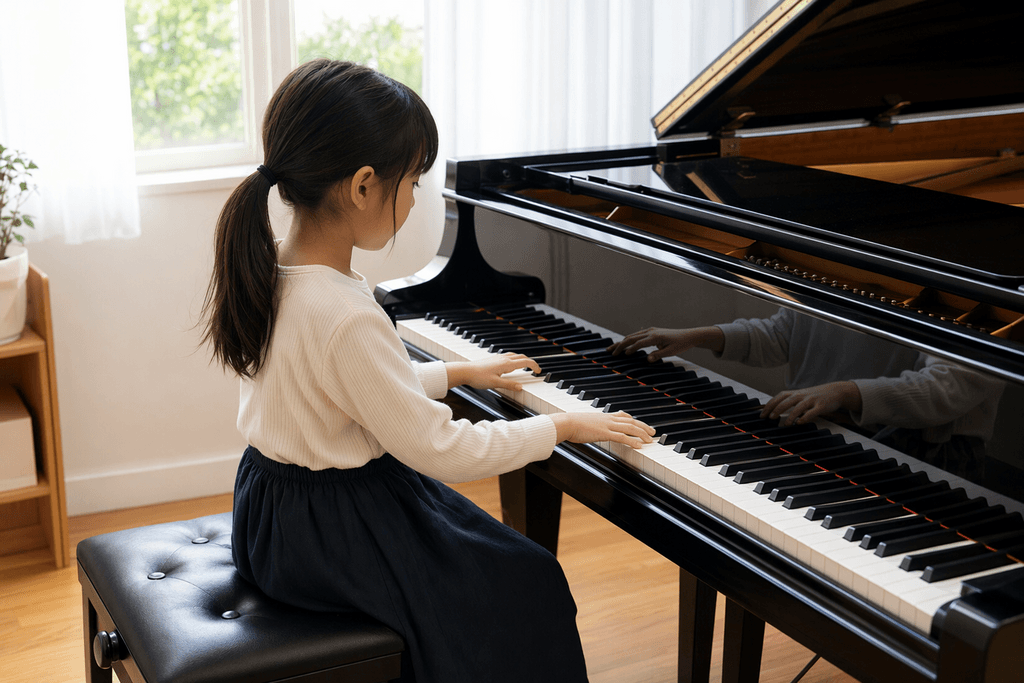
ピアノ
စန္ဒရား
ピアノ
စန္ဒရား
Explanation
စန္ဒရား
ピアノ
ကီးများကို နှိပ်ကာ ကြိုးများကို ခတ်၍ အသံထုတ်သည့် တေးဂီတယန္တရား / တီးဝိုင်းများတွင် အသုံးများသော ကြိုးတီးယန္တရား
( romanization )
絹
ပိုးထည်
絹
ပိုးထည်
Explanation
絹
ပိုးထည်
絹
ပိုး (အထည်) / ပိုးထည် / ပိုးချည်

( romanization )
( hiragana )
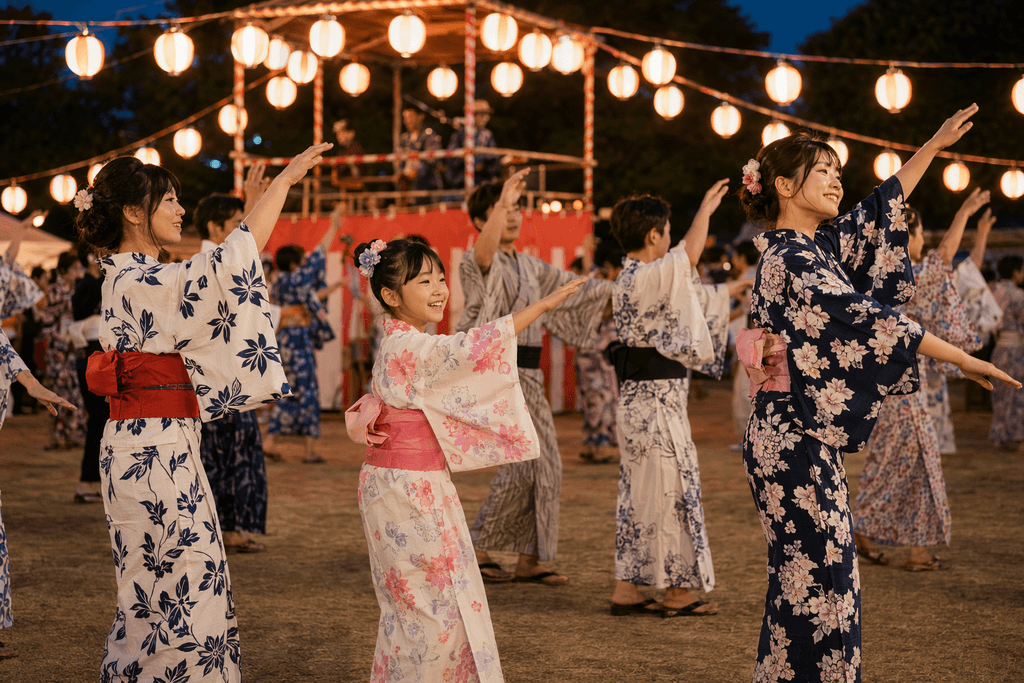
踊り
အက
踊り
အက
Explanation
踊り
အက
踊り
အက / ကခုန်ခြင်း
( Base form )
( romanization )
( romanization )
( hiragana historical )
うまい
အရသာရှိသော / ကျွမ်းကျင်သော
うまい
အရသာရှိသော / ကျွမ်းကျင်သော
Explanation
အရသာရှိသော / ကျွမ်းကျင်သော
うまい
အရသာရှိသော / ကျွမ်းကျင်သော / အောင်မြင်သော

Word Forms
The basic and commonly used forms of this adjective.
Basic forms
| Form | Word form | Usage |
|---|---|---|
| Imperfective form (mizenkei) | Used in forms such as karou; mainly literary. | |
| Continuative form (renyokei) |
Alternative:
うまかっ
|
Used in forms such as kute and kunai. |
| Conclusive form (shushikei) | Ends a sentence. | |
| Attributive form (rentaikei) | Modifies a noun. | |
| Conditional form (kateikei) | Expresses a condition with kereba. | |
| Imperative form (meireikei) | Rarely used in modern Japanese. |
Common forms
| Form | Word form | Usage |
|---|---|---|
| Te-form | Connects clauses with kute. | |
| Ta-form | Expresses the past with katta. | |
| Nai-form | Expresses negation with kunai. | |
| Ba-form | Expresses a condition with kereba. |
Notes
急行
အမြန်ရထား
急行
အမြန်ရထား
Explanation
急行
အမြန်ရထား
急行
အမြန်ရထား / အမြန်သွားလာဝန်ဆောင်မှု

( Base form )
( romanization )
( romanization )
( hiragana historical )
( hiragana )
飛行場
လေယာဉ်ကွင်း
飛行場
လေယာဉ်ကွင်း
Explanation
飛行場
လေယာဉ်ကွင်း
飛行場
လေယာဉ်ကွင်း / စီးပွားရေးမဟုတ်သော လေဆိပ် / လေယာဉ်ဆင်းကွင်း

( Base form )
( romanization )
( hiragana )
怪我
ဒဏ်ရာ
怪我
ဒဏ်ရာ
Explanation
怪我
ဒဏ်ရာ
怪我
ဒဏ်ရာ / အနာ / ထိခိုက်မှု

( Base form )
( romanization )
( hiragana )
Loading...

JLPT N4 多言語単語帳・631語 / JLPT N4 Multilingual Vocabulary: 631 Words

Jonathan Waller 氏の JLPT Resources の語彙リスト・レベル分類を出典とし、CC BY の条件に従って DiQt が初級向けに意味を作り直した631語の単語帳です。JLPT公式の語彙リストではありません。
This collection of 631 words is based on the vocabulary list and level classifications in Jonathan Waller’s JLPT Resources under CC BY, with meanings rewritten by DiQt for beginners. It is not an official JLPT vocabulary list.
Key Operations
Select the first quiz:
Ctrl + Enter
View Explanation:Ctrl + G
Close a feedback:Esc
When selecting a quiz
Answer:Enter
Select a choice:↓ or ↑
Reading out the question:Ctrl + K
View Hint: Ctrl + M
I don't know: Ctrl + Y



