
JLPT N4 ဝေါဟာရအဓိပ္ပာယ် လေ့ကျင့်ခန်း - Unsolved

JLPT N4 စကားလုံး 631 လုံး၏ မြန်မာအဓိပ္ပာယ်ကို အဖြေရွေးချယ်စရာ လေးခုပါသော မေးခွန်းများဖြင့် လေ့လာပါ။
-
လဲကျသည်
-
ဆက်လုပ်သည်
-
တောင်းပန်သည်
-
အရသာရှိသော / ကျွမ်းကျင်သော
-
တင်းကျပ်သော
-
သေးမွှားသော / အသေးစိတ်သော
-
ရှေးအခါ
-
သမီး / မိန်းမပျို
-
ခွန်အား / စွမ်းအား
-
ရွေးချယ်သည်
-
ယာဉ်မှဆင်းသည် / အောက်ဆင်းသည်
-
ပြန်လည်သတိရသည်
- 「くださる」はラ行五段活用だが、連用形で「くださいます」、命令形で「ください」を用いる特殊な形が一般的。
-
ယဉ်ကျေးသော
-
အဘိဓာန်
-
အာရုံစိုက်မှု / သတိပြုခြင်း
-
ပြောင်းလဲသည်
-
အလှဆင်သည်
-
ပြောင်းသွားသည်
-
သစ်ရွက်
-
ဘာသာပြန်ဆိုခြင်း
-
အနီးအနားပတ်ဝန်းကျင်
-
လက်ချောင်း
-
အိပ်မက်
-
ခန်းမကြီး
-
စိမ်သည် / ချဉ်ဖတ်လုပ်သည်
-
ညအိပ်သည်
-
ပြုပြင်သည်
-
ပိုက်ရေ
-
အတားအဆီး
-
နောက်နှစ်ပတ်
役に立つ
အသုံးဝင်သည်
役に立つ
အသုံးဝင်သည်
Explanation
役に立つ
အသုံးဝင်သည်
役に立つ
အသုံးဝင်သည် / အထောက်အကူဖြစ်သည် / အကျိုးရှိသည်

Word Forms
The basic and commonly used forms of this verb.
Basic forms
| Form | Word form | Usage |
|---|---|---|
| Imperfective form (mizenkei) |
Alternative:
役に立と
|
Connects to endings such as nai, reru, and seru. |
| Continuative form (renyokei) | Connects to endings such as masu, tai, and ta. | |
| Conclusive form (shushikei) | Ends a sentence and serves as the dictionary form. | |
| Attributive form (rentaikei) | Modifies a noun. | |
| Conditional form (kateikei) | Combines with ba to express a condition. | |
| Imperative form (meireikei) | Expresses a command or instruction. |
Common forms
珍しい
ရှားပါးသော
珍しい
ရှားပါးသော
Explanation
珍しい
ရှားပါးသော
珍しい
ရှားပါး / ထူးခြား

Word Forms
The basic and commonly used forms of this adjective.
Basic forms
| Form | Word form | Usage |
|---|---|---|
| Imperfective form (mizenkei) | Used in forms such as karou; mainly literary. | |
| Continuative form (renyokei) |
Alternative:
珍しかっ
|
Used in forms such as kute and kunai. |
| Conclusive form (shushikei) | Ends a sentence. | |
| Attributive form (rentaikei) | Modifies a noun. | |
| Conditional form (kateikei) | Expresses a condition with kereba. | |
| Imperative form (meireikei) | Rarely used in modern Japanese. |
Common forms
サンドイッチ
အသားညှပ်ပေါင်မုန့်
サンドイッチ
အသားညှပ်ပေါင်မုန့်
Explanation
အသားညှပ်ပေါင်မုန့်
サンドイッチ
နံပြားနှစ်ပွားကြား အစားအစာထည့်ပြုလုပ်သည့် စားစရာ / လက်ဖြင့်စားနိုင်သော နံပြားအစားအစာ
( romanization )
くださる
ပေးသည်
くださる
ပေးသည်
Explanation
ပေးသည်
くださる
ပေးတော်မူသည် / လုပ်ပေးတော်မူသည်

Word Forms
The basic and commonly used forms of this verb.
Basic forms
| Form | Word form | Usage |
|---|---|---|
| Imperfective form (mizenkei) |
Alternative:
くださろ
|
Connects to endings such as nai, reru, and seru. |
| Continuative form (renyokei) |
Alternative:
ください
|
Connects to endings such as masu, tai, and ta. |
| Conclusive form (shushikei) | Ends a sentence and serves as the dictionary form. | |
| Attributive form (rentaikei) | Modifies a noun. | |
| Conditional form (kateikei) | Combines with ba to express a condition. | |
| Imperative form (meireikei) |
Alternative:
くだされ
|
Expresses a command or instruction. |
Common forms
| Form | Word form | Usage |
|---|---|---|
| Te-form | Connects clauses with te. | |
| Ta-form | Expresses the past with ta. | |
| Nai-form | Expresses negation with nai. | |
| Masu-form |
Alternative:
くださります
|
Used for polite speech. |
| Ba-form | Expresses a condition with ba. | |
| Volitional form | Expresses intention or invitation. |
Notes
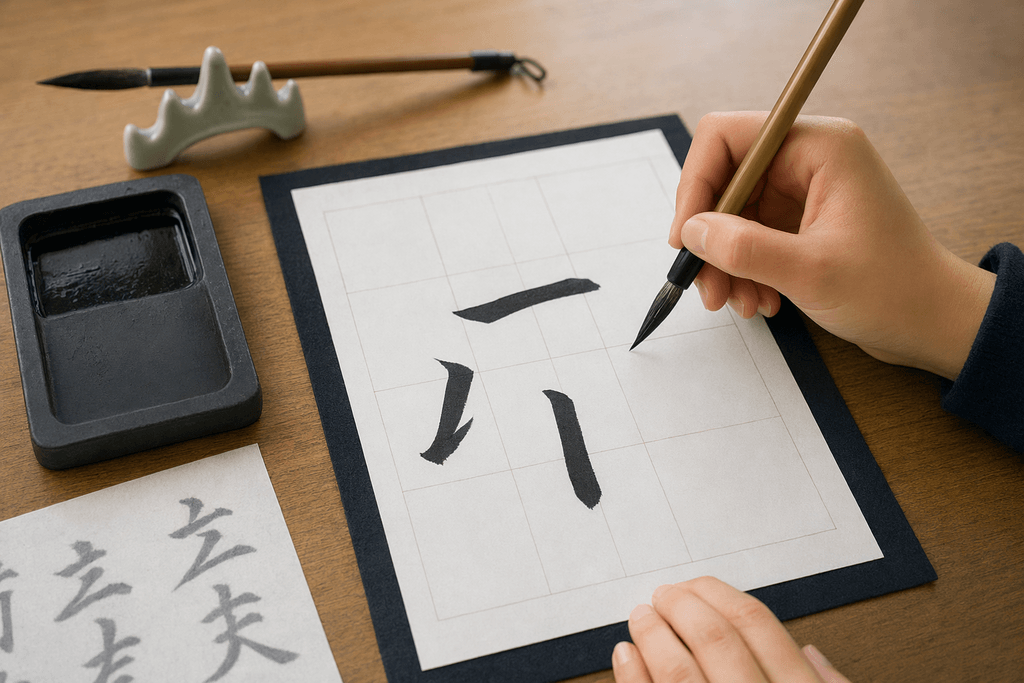
字
အက္ခရာ
字
အက္ခရာ
Explanation
字
အက္ခရာ
字
စာလုံး/အက္ခရာ / လက်ရေး/စာရေးလက်ရာ
( romanization )
( hiragana )
見つける
ရှာတွေ့သည်
見つける
ရှာတွေ့သည်
Explanation
見つける
ရှာတွေ့သည်
見つける
တွေ့ရှိသည် / ရှာတွေ့သည် / ဖော်ထုတ်တွေ့ရှိသည်

Word Forms
The basic and commonly used forms of this verb.
Basic forms
| Form | Word form | Usage |
|---|---|---|
| Imperfective form (mizenkei) | Connects to endings such as nai, reru, and seru. | |
| Continuative form (renyokei) | Connects to endings such as masu, tai, and ta. | |
| Conclusive form (shushikei) | Ends a sentence and serves as the dictionary form. | |
| Attributive form (rentaikei) | Modifies a noun. | |
| Conditional form (kateikei) | Combines with ba to express a condition. | |
| Imperative form (meireikei) |
Alternative:
見つけよ
|
Expresses a command or instruction. |
Common forms
世話
စောင့်ရှောက်မှု
世話
စောင့်ရှောက်မှု
Explanation
世話
စောင့်ရှောက်မှု
世話
စောင့်ရှောက်မှု / အကူအညီ / ကျေးဇူးပြုမှု

( Base form )
( romanization )
( hiragana )
着物
ကီမိုနို
着物
ကီမိုနို
Explanation
着物
ကီမိုနို
着物
ဂျပန်ရိုးရာဝတ်စုံ / အိုဘီခါးပတ်ဖြင့် ခါးထိုးသော အရှည်လက်ဝတ်စုံ

( Base form )
( romanization )
( hiragana )
思い出す
ပြန်လည်သတိရသည်
思い出す
ပြန်လည်သတိရသည်
Explanation
思い出す
ပြန်လည်သတိရသည်
思い出す
မှတ်မိသည် / သတိရသည် / စိတ်ပေါ်တက်လာသည်

Word Forms
The basic and commonly used forms of this verb.
Basic forms
| Form | Word form | Usage |
|---|---|---|
| Imperfective form (mizenkei) |
Alternative:
思い出そ
|
Connects to endings such as nai, reru, and seru. |
| Continuative form (renyokei) | Connects to endings such as masu, tai, and ta. | |
| Conclusive form (shushikei) | Ends a sentence and serves as the dictionary form. | |
| Attributive form (rentaikei) | Modifies a noun. | |
| Conditional form (kateikei) | Combines with ba to express a condition. | |
| Imperative form (meireikei) | Expresses a command or instruction. |
Common forms
| Form | Word form | Usage |
|---|---|---|
| Te-form | Connects clauses with te. | |
| Ta-form | Expresses the past with ta. | |
| Nai-form |
Alternative:
思い出さぬ
|
Expresses negation with nai. |
| Masu-form | Used for polite speech. | |
| Ba-form | Expresses a condition with ba. | |
| Volitional form | Expresses intention or invitation. |
はず
ဖြစ်သင့်သော
はず
ဖြစ်သင့်သော
Explanation
ဖြစ်သင့်သော
はず
မျှော်လင့်ထားချက်၊ ကြိုတင်မျှော်မှန်းချက် / ဖြစ်ရမည့်အရာ၊ ဖြစ်သင့်တယ်ဟုယူဆချက် / (~はずだ) လုပ်ဖို့/ဖြစ်ဖို့သင့်တယ်၊ ဖြစ်ရမယ်လို့ထင်တယ်

Loading...

JLPT N4 多言語単語帳・631語 / JLPT N4 Multilingual Vocabulary: 631 Words

Jonathan Waller 氏の JLPT Resources の語彙リスト・レベル分類を出典とし、CC BY の条件に従って DiQt が初級向けに意味を作り直した631語の単語帳です。JLPT公式の語彙リストではありません。
This collection of 631 words is based on the vocabulary list and level classifications in Jonathan Waller’s JLPT Resources under CC BY, with meanings rewritten by DiQt for beginners. It is not an official JLPT vocabulary list.
Key Operations
Select the first quiz:
Ctrl + Enter
View Explanation:Ctrl + G
Close a feedback:Esc
When selecting a quiz
Answer:Enter
Select a choice:↓ or ↑
Reading out the question:Ctrl + K
View Hint: Ctrl + M
I don't know: Ctrl + Y



