
JLPT N4 ဝေါဟာရအဓိပ္ပာယ် လေ့ကျင့်ခန်း - Unsolved

JLPT N4 စကားလုံး 631 လုံး၏ မြန်မာအဓိပ္ပာယ်ကို အဖြေရွေးချယ်စရာ လေးခုပါသော မေးခွန်းများဖြင့် လေ့လာပါ။
-
ခန်းမကြီး
-
ကစားခြင်း
-
အန္တရာယ်
-
ကုန်သွယ်ရေး
-
ဆေးထိုးခြင်း
-
ကလေး
-
ပြန်လည်သတိရသည်
-
စစ်ဆေးသည်
-
သွားကြိုသည် / ကြိုဆိုသည်
-
မျဉ်း
-
ခဲဖျက်
-
အာရုံစိုက်မှု / သတိပြုခြင်း
-
အစည်းအဝေး
-
အမျိုးသား
-
စိတ်ဝင်စားမှု
-
စိတ်အခြေအနေ
-
အသုံးပြုမှု
-
ကျေးဇူးတင်စကား
-
လေ / ပတ်ဝန်းကျင်အငွေ့အသက်
-
ဆေးရုံတက်ခြင်း
-
ဧည့်သည် / ဖောက်သည်
-
သဒ္ဒါ
-
ကျေးဇူးကြောင့်
-
တိရစ္ဆာန်ဥယျာဉ်
-
အဆုံးပိုင်း / နောက်ဆုံး
-
အမျိုးသား
-
မြို့သူမြို့သား
-
သွားရောက်တွေ့ဆုံသည် / မေးမြန်းသည်
-
ဆုံးဖြတ်ပြီးဖြစ်သည်
-
ကောက်ယူသည်
店員
ဆိုင်ဝန်ထမ်း
店員
ဆိုင်ဝန်ထမ်း
Explanation
店員
ဆိုင်ဝန်ထမ်း
店員
ဆိုင်ဝန်ထမ်း / အရောင်းဝန်ထမ်း / ဆိုင်ရောင်းသူ

( Base form )
( romanization )
( hiragana )
二階建て
နှစ်ထပ်အဆောက်အအုံ
二階建て
နှစ်ထပ်အဆောက်အအုံ
Explanation
二階建て
နှစ်ထပ်အဆောက်အအုံ
二階建て
နှစ်ထပ်အိမ် / နှစ်ထပ်တည်ဆောက်ထားသော (အဆောက်အဦ/အိမ်)

泣く
ငိုသည်
泣く
ငိုသည်
Explanation
泣く
ငိုသည်
泣く
ငိုသည် / မျက်ရည်ထွက်သည် / မျက်ရည်ကျသည်

Word Forms
The basic and commonly used forms of this verb.
Basic forms
| Form | Word form | Usage |
|---|---|---|
| Imperfective form (mizenkei) |
Alternative:
泣こ
|
Connects to endings such as nai, reru, and seru. |
| Continuative form (renyokei) | Connects to endings such as masu, tai, and ta. | |
| Conclusive form (shushikei) | Ends a sentence and serves as the dictionary form. | |
| Attributive form (rentaikei) | Modifies a noun. | |
| Conditional form (kateikei) | Combines with ba to express a condition. | |
| Imperative form (meireikei) | Expresses a command or instruction. |
Common forms
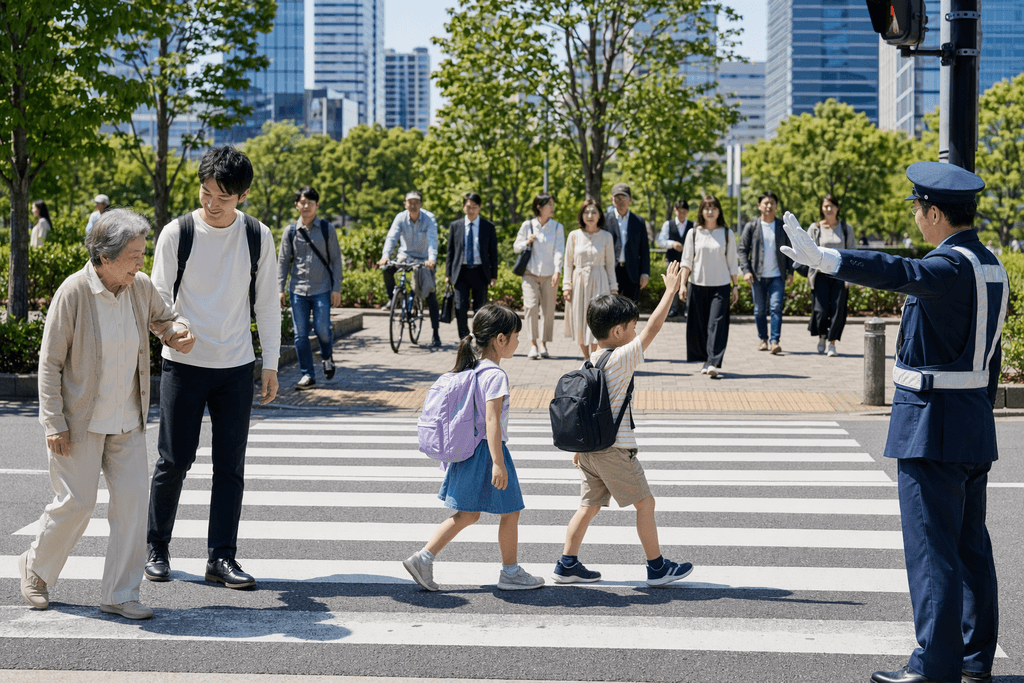
社会
လူ့အဖွဲ့အစည်း
社会
လူ့အဖွဲ့အစည်း
Explanation
社会
လူ့အဖွဲ့အစည်း
社会
လူမှုအသိုင်းအဝိုင်း / လူမှုအဖွဲ့အစည်း / လူမှုရေးပတ်ဝန်းကျင်
( Base form )
( romanization )
( romanization )
( kyūjitai )
( hiragana historical )
( hiragana )
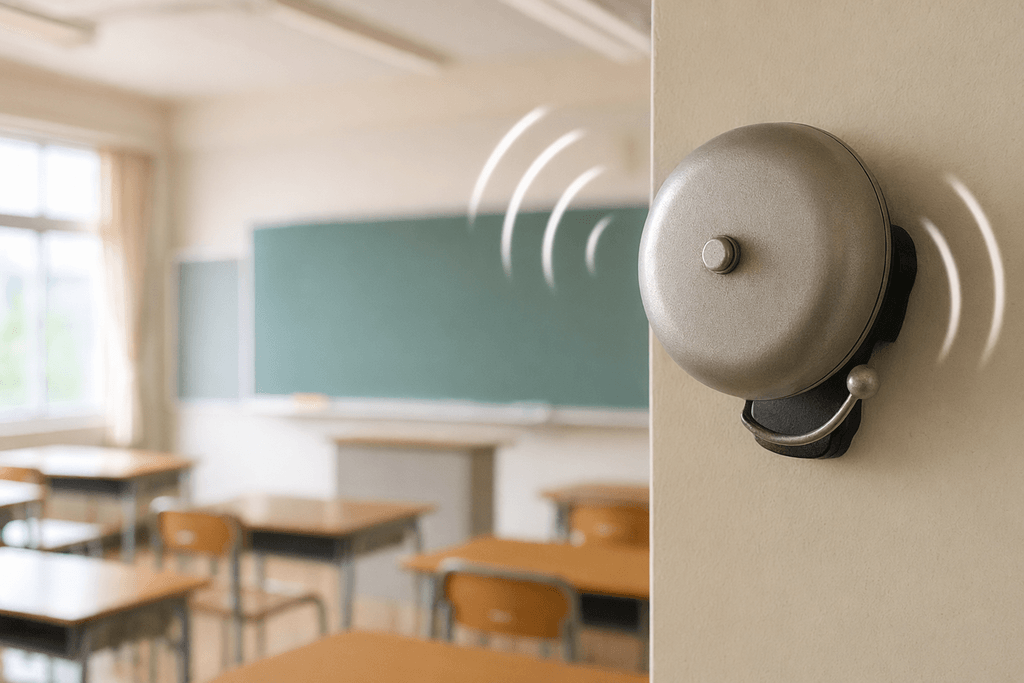
ベル
ခေါင်းလောင်း
ベル
ခေါင်းလောင်း
Explanation
ခေါင်းလောင်း
ベル
ခေါင်းလောင်း / ခေါင်းလောင်းသံ
( romanization )
人形
အရုပ် / ရုပ်တုငယ်
人形
အရုပ် / ရုပ်တုငယ်
Explanation
人形
အရုပ် / ရုပ်တုငယ်
人形
အရုပ် / ကြိုးရုပ် / ရုပ်ပု

( Base form )
( romanization )
( hiragana )
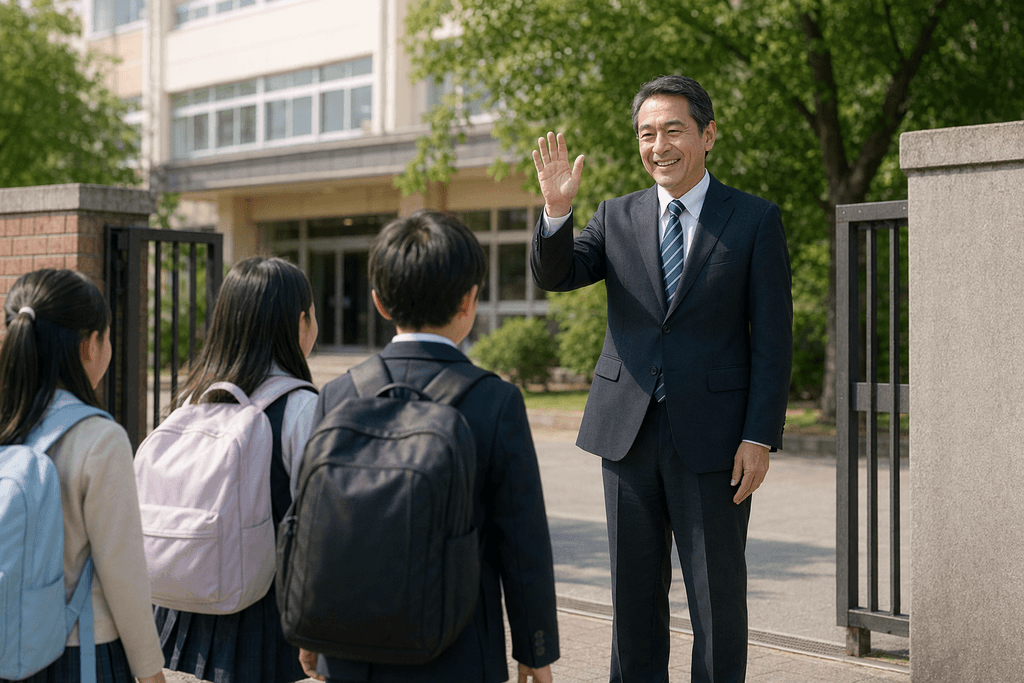
校長
ကျောင်းအုပ်
校長
ကျောင်းအုပ်
Explanation
校長
ကျောင်းအုပ်
校長
ကျောင်းအုပ်ကြီး / ကျောင်းအုပ်
( Base form )
( romanization )
( hiragana )
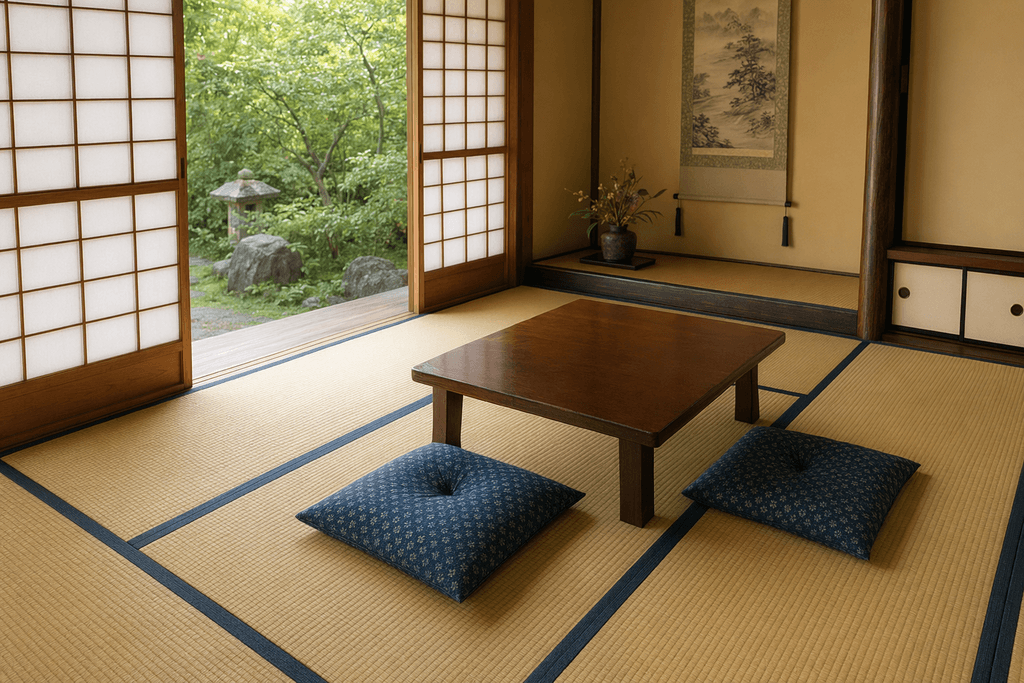
畳
တာတာမီဖျာ
畳
တာတာမီဖျာ
Explanation
畳
တာတာမီဖျာ
畳
ဂျပန်အိမ်များတွင် ခင်းသည့် ခြောက်မြက်လျာ / အခန်းမြေခင်းအတွက် အသုံးပြုသော ဂျပန်လျာ
( romanization )
( hiragana )
帰り
အပြန်ခရီး
帰り
အပြန်ခရီး
Explanation
帰り
အပြန်ခရီး
帰り
ပြန်လာခြင်း / ပြန်လမ်း / ပြန်လာချိန်

( Base form )
( romanization )
( romanization )
( hiragana historical )
調べる
စုံစမ်းသည်
調べる
စုံစမ်းသည်
Explanation
調べる
စုံစမ်းသည်
調べる
စစ်ဆေးသည် / စုံစမ်းလေ့လာသည် / တူညှိသည်
Word Forms
The basic and commonly used forms of this verb.
Basic forms
| Form | Word form | Usage |
|---|---|---|
| Imperfective form (mizenkei) | Connects to endings such as nai, reru, and seru. | |
| Continuative form (renyokei) | Connects to endings such as masu, tai, and ta. | |
| Conclusive form (shushikei) | Ends a sentence and serves as the dictionary form. | |
| Attributive form (rentaikei) | Modifies a noun. | |
| Conditional form (kateikei) | Combines with ba to express a condition. | |
| Imperative form (meireikei) |
Alternative:
調べよ
|
Expresses a command or instruction. |
Common forms
Loading...

JLPT N4 多言語単語帳・631語 / JLPT N4 Multilingual Vocabulary: 631 Words

Jonathan Waller 氏の JLPT Resources の語彙リスト・レベル分類を出典とし、CC BY の条件に従って DiQt が初級向けに意味を作り直した631語の単語帳です。JLPT公式の語彙リストではありません。
This collection of 631 words is based on the vocabulary list and level classifications in Jonathan Waller’s JLPT Resources under CC BY, with meanings rewritten by DiQt for beginners. It is not an official JLPT vocabulary list.
Key Operations
Select the first quiz:
Ctrl + Enter
View Explanation:Ctrl + G
Close a feedback:Esc
When selecting a quiz
Answer:Enter
Select a choice:↓ or ↑
Reading out the question:Ctrl + K
View Hint: Ctrl + M
I don't know: Ctrl + Y



