
JLPT N4 ဝေါဟာရအဓိပ္ပာယ် လေ့ကျင့်ခန်း - Unsolved

JLPT N4 စကားလုံး 631 လုံး၏ မြန်မာအဓိပ္ပာယ်ကို အဖြေရွေးချယ်စရာ လေးခုပါသော မေးခွန်းများဖြင့် လေ့လာပါ။
-
ပင်လယ်ကမ်းရိုးတန်း
-
တိုင်ပင်ခြင်း
-
ပုံသဏ္ဌာန်
-
အဖြေ
-
အသုံးပြုမှု
-
သင်ခန်းစာကြိုတင်လေ့လာခြင်း
-
ကျွန်း
-
စတိတ်
-
လွတ်လပ်မှု
-
သဒ္ဒါ
-
စပျစ်သီး
-
အထူးအမြန်ရထား
-
ရုပ်ပြစာအုပ်
-
သင်္ချာ
-
အားကစားပြိုင်ပွဲ
-
အော်
-
ဪဒီလိုကိုး
-
တကယ်လား
-
သို့သော်
-
အကယ်၍
-
ဒါကြောင့်
-
စောင့်ရှောက်မှု
-
နှစ်ထပ်အဆောက်အအုံ
-
ယဉ်ကျေးသော
-
အရေးထားသည် / ဂရုစိုက်သည်
-
ချိတ်ဆွဲသည် / ဖုန်းခေါ်သည်
-
ဆုတောင်းသည်
-
ပညာရေး
-
တိုင်ပင်ခြင်း
-
လမ်းတစ်ဝက်
値段
ဈေးနှုန်း
値段
ဈေးနှုန်း
Explanation
値段
ဈေးနှုန်း
値段
ဈေးနှုန်း / ဈေးတန်ဖိုး / ကုန်တန်ဖိုး

( Base form )
( romanization )
( hiragana )
警察
ရဲ
警察
ရဲ
Explanation
警察
ရဲ
警察
ရဲ / ရဲတပ်ဖွဲ့ / ဥပဒေအကောင်အထည်ဖော်ရေး အဖွဲ့

( Base form )
( romanization )
( hiragana )
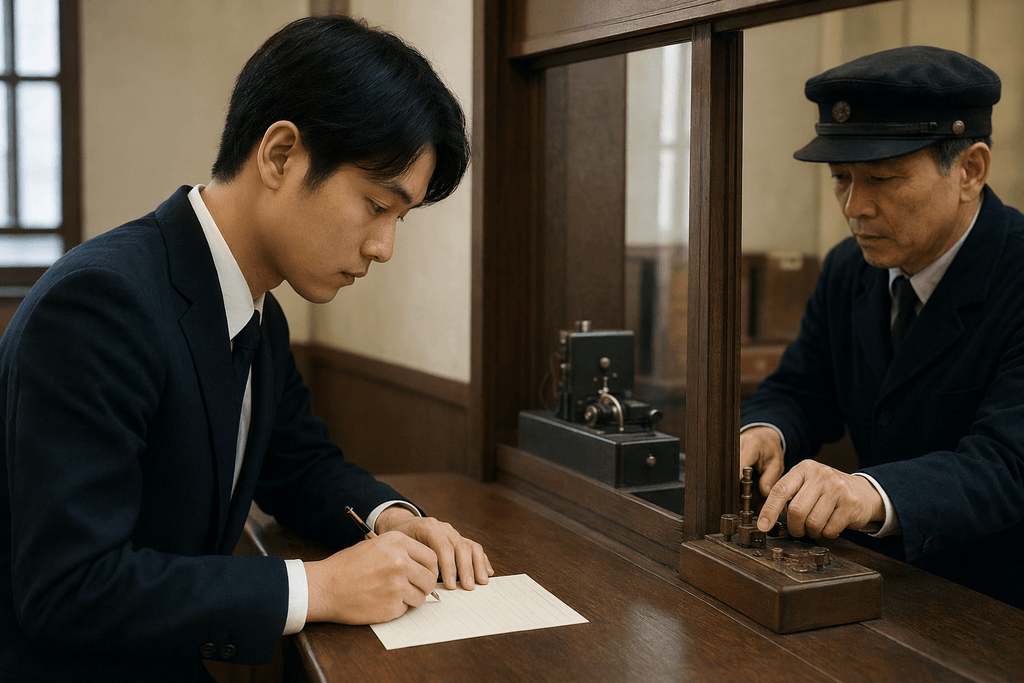
電報
ကြေးနန်း
電報
ကြေးနန်း
Explanation
電報
ကြေးနန်း
電報
တယ်လီဂရမ် / လျှပ်စစ်သတင်းပို့စာ
( Base form )
( romanization )
( hiragana )
子
ကလေး
子
ကလေး
Explanation
子
ကလေး
子
ကလေး; မွေးသား/မွေးသမီး / (တိရစ္ဆာန်၏) ကလေး/မွေးကင်းစ / (ပေါင်းစပ်စကားလုံးများတွင်) အငယ်/အသေး သို့မဟုတ် အခွဲ/အကူပုံစံ

( romanization )
( counter )
( hiragana )
用
အသုံး / ကိစ္စ
用
အသုံး / ကိစ္စ
Explanation
用
အသုံး / ကိစ္စ
用
အသုံး / ကိစ္စ / လုပ်စရာ

( romanization )
( hiragana )
ああ
ဟိုလို
ああ
ဟိုလို
Explanation
ဟိုလို
ああ
အာ… (အံ့သြ/သဘောပေါက်သံ) / အိုး… / အော်… (အာမေဍိတ်သံ) / အင်း / ဟုတ်ကဲ့ (သဘောတူသံ)

それで
ထို့ကြောင့်
それで
ထို့ကြောင့်
Explanation
ထို့ကြောင့်
それで
ထို့ကြောင့် / ပြီးတော့ / ထို့နောက်
道具
ကိရိယာ / နည်းလမ်း
道具
ကိရိယာ / နည်းလမ်း
Explanation
道具
ကိရိယာ / နည်းလမ်း
道具
ကိရိယာပစ္စည်း (အလုပ်လွယ်ကူစေသော ပစ္စည်း) / နည်းလမ်း (လုပ်ဆောင်ရန် သုံးသော အရာ)

( Base form )
( romanization )
( hiragana )
下宿する
အဆောင်ငှားနေသည်
下宿する
အဆောင်ငှားနေသည်
Explanation
下宿する
အဆောင်ငှားနေသည်
下宿する
တည်းခိုသည် / တည်းခိုအိမ်တွင်နေသည် / အိမ်ခန်းငှားပြီးနေသည်

Word Forms
The basic and commonly used forms of this verb.
Basic forms
| Form | Word form | Usage |
|---|---|---|
| Imperfective form (mizenkei) |
Alternative:
下宿せ
下宿さ
|
Connects to endings such as nai, reru, and seru. |
| Continuative form (renyokei) | Connects to endings such as masu, tai, and ta. | |
| Conclusive form (shushikei) | Ends a sentence and serves as the dictionary form. | |
| Attributive form (rentaikei) | Modifies a noun. | |
| Conditional form (kateikei) | Combines with ba to express a condition. | |
| Imperative form (meireikei) |
Alternative:
下宿せよ
|
Expresses a command or instruction. |
Common forms
こと
ကိစ္စ
こと
ကိစ္စ
Explanation
ကိစ္စ
こと
အရာ၊ ကိစ္စ / အခါ၊ အခြေအနေ / ကြိယာ၊ ဝိသေသန စသည်ကို နာမ်ပြုရန် အသုံး

( romanization )
Loading...

JLPT N4 多言語単語帳・631語 / JLPT N4 Multilingual Vocabulary: 631 Words

Jonathan Waller 氏の JLPT Resources の語彙リスト・レベル分類を出典とし、CC BY の条件に従って DiQt が初級向けに意味を作り直した631語の単語帳です。JLPT公式の語彙リストではありません。
This collection of 631 words is based on the vocabulary list and level classifications in Jonathan Waller’s JLPT Resources under CC BY, with meanings rewritten by DiQt for beginners. It is not an official JLPT vocabulary list.
Key Operations
Select the first quiz:
Ctrl + Enter
View Explanation:Ctrl + G
Close a feedback:Esc
When selecting a quiz
Answer:Enter
Select a choice:↓ or ↑
Reading out the question:Ctrl + K
View Hint: Ctrl + M
I don't know: Ctrl + Y



