
JLPT N4 ဝေါဟာရအဓိပ္ပာယ် လေ့ကျင့်ခန်း - Unsolved

JLPT N4 စကားလုံး 631 လုံး၏ မြန်မာအဓိပ္ပာယ်ကို အဖြေရွေးချယ်စရာ လေးခုပါသော မေးခွန်းများဖြင့် လေ့လာပါ။
-
စိတ်အခြေအနေ
-
ဆေးရုံတက်ခြင်း
-
အတွင်း
-
စာသား / ကျောင်းသုံးစာအုပ်
-
ကျောက်တုံး
-
လေယာဉ်ကွင်း
-
စတင်သည်
-
ကားမောင်းသည်
-
ပြုပြင်သည်
-
စဉ်းစားသည်
-
ရှာတွေ့သည်
-
နှိမ့်သည် / ချိတ်ဆွဲသည်
- 「伺う」は五段活用(ワ行)の動詞。謙譲語として「尋ねる・聞く・訪問する」などの意味で用いられる。
-
နှိမ့်သည် / ချိတ်ဆွဲသည်
-
ပျော်မွေ့သည်
-
အနိုင်ရသည်
-
သိသည်
-
အလယ်တန်းကျောင်း
-
အနုပညာပြတိုက်
-
တင်းကျပ်သော
-
လှပသော
-
အထီးကျန်သော
-
နောက်ဆုံးတွင်
-
ဝေးဝေးတွင်
-
မပျက်မကွက်
-
ရေနွေးငွေ့ရထား
-
အခြေအနေ / ကျန်းမာရေးအခြေအနေ
-
ကျေးလက်
-
ပြုပြင်သည်
-
စုံစမ်းသည်
-
အံ့ဩသည်
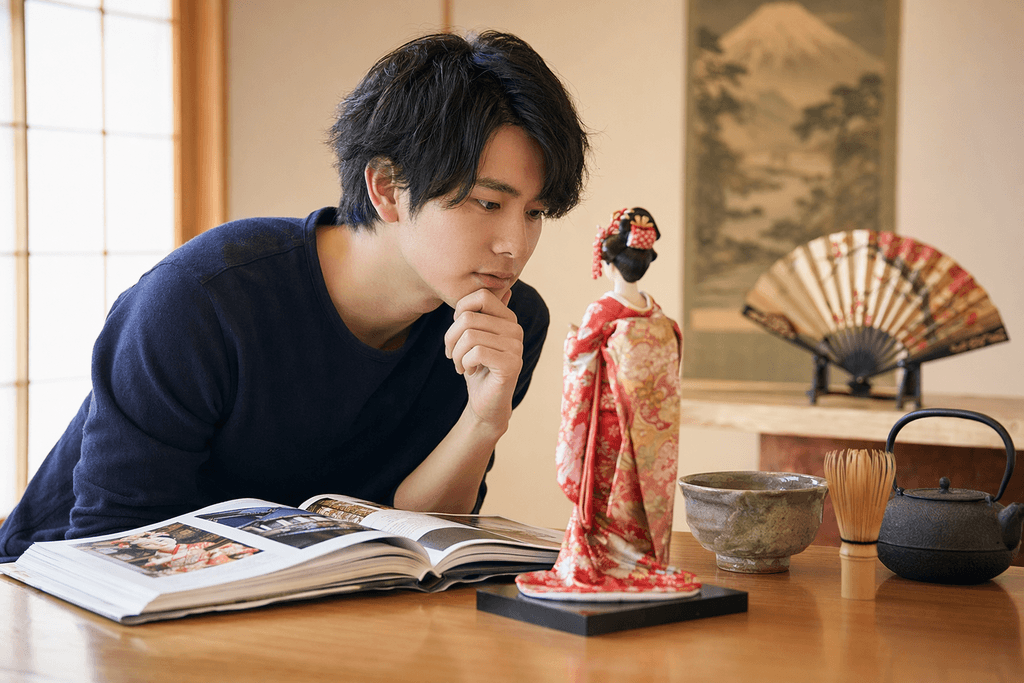
興味
စိတ်ဝင်စားမှု
興味
စိတ်ဝင်စားမှု
Explanation
興味
စိတ်ဝင်စားမှု
興味
စိတ်ဝင်စားမှု / စိတ်ဝင်စားစိတ်
( Base form )
( romanization )
( hiragana )
ガソリンスタンド
ဆီဆိုင်
ガソリンスタンド
ဆီဆိုင်
Explanation
ဆီဆိုင်
ガソリンスタンド
ဆီဖြည့်စခန်း / ဓာတ်ဆီဆိုင်

( romanization )
寄る
ခဏဝင်လည်သည်
寄る
ခဏဝင်လည်သည်
Explanation
寄る
ခဏဝင်လည်သည်
寄る
နီးကပ်လာသည် / တစ်ခဏ ဝင်လည်သည် / စုဝေးသည်

Word Forms
The basic and commonly used forms of this verb.
Basic forms
| Form | Word form | Usage |
|---|---|---|
| Imperfective form (mizenkei) | Connects to endings such as nai, reru, and seru. | |
| Continuative form (renyokei) | Connects to endings such as masu, tai, and ta. | |
| Conclusive form (shushikei) | Ends a sentence and serves as the dictionary form. | |
| Attributive form (rentaikei) | Modifies a noun. | |
| Conditional form (kateikei) | Combines with ba to express a condition. | |
| Imperative form (meireikei) | Expresses a command or instruction. |
Common forms
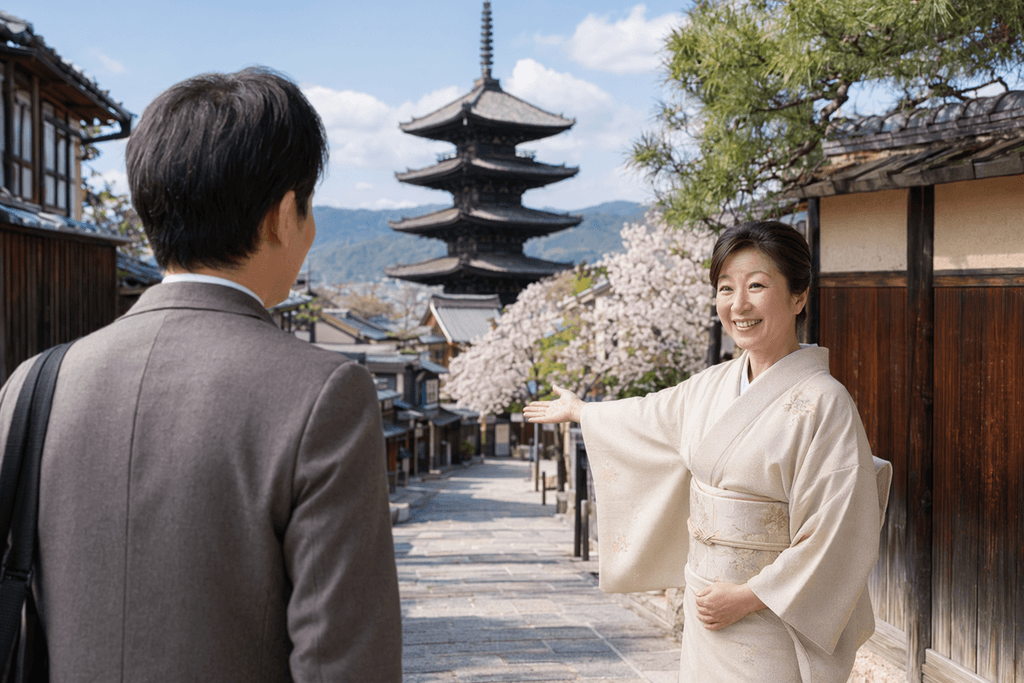
伺う
သွားရောက်တွေ့ဆုံသည် / မေးမြန်းသည်
伺う
သွားရောက်တွေ့ဆုံသည် / မေးမြန်းသည်
Explanation
伺う
သွားရောက်တွေ့ဆုံသည် / မေးမြန်းသည်
伺う
မေးမြန်းသည် (နိမ့်ချ) / ကြားရသည်၊ ပြောပြခံရသည် (နိမ့်ချ) / တစ်ယောက်ယောက်ထံ သွားရောက်လည်ပတ်သည် (နိမ့်ချ)

Word Forms
The basic and commonly used forms of this verb.
Basic forms
| Form | Word form | Usage |
|---|---|---|
| Imperfective form (mizenkei) |
Alternative:
伺お
|
Connects to endings such as nai, reru, and seru. |
| Continuative form (renyokei) | Connects to endings such as masu, tai, and ta. | |
| Conclusive form (shushikei) | Ends a sentence and serves as the dictionary form. | |
| Attributive form (rentaikei) | Modifies a noun. | |
| Conditional form (kateikei) | Combines with ba to express a condition. | |
| Imperative form (meireikei) | Expresses a command or instruction. |
Common forms
| Form | Word form | Usage |
|---|---|---|
| Te-form | Connects clauses with te. | |
| Ta-form | Expresses the past with ta. | |
| Nai-form | Expresses negation with nai. | |
| Masu-form | Used for polite speech. | |
| Ba-form | Expresses a condition with ba. | |
| Volitional form | Expresses intention or invitation. |
Notes
褒める
ချီးမွမ်းသည်
褒める
ချီးမွမ်းသည်
Explanation
褒める
ချီးမွမ်းသည်
褒める
ချီးမွမ်းသည် / ချီးတင်သည် / တင်စားသည်

Word Forms
The basic and commonly used forms of this verb.
Basic forms
| Form | Word form | Usage |
|---|---|---|
| Imperfective form (mizenkei) |
Alternative:
誉め
|
Connects to endings such as nai, reru, and seru. |
| Continuative form (renyokei) |
Alternative:
誉め
|
Connects to endings such as masu, tai, and ta. |
| Conclusive form (shushikei) |
Alternative:
誉める
|
Ends a sentence and serves as the dictionary form. |
| Attributive form (rentaikei) |
Alternative:
誉める
|
Modifies a noun. |
| Conditional form (kateikei) |
Alternative:
誉めれ
|
Combines with ba to express a condition. |
| Imperative form (meireikei) |
Alternative:
褒めよ
誉めろ
誉めよ
|
Expresses a command or instruction. |
Common forms
| Form | Word form | Usage |
|---|---|---|
| Te-form |
Alternative:
誉めて
|
Connects clauses with te. |
| Ta-form |
Alternative:
誉めた
|
Expresses the past with ta. |
| Nai-form |
Alternative:
誉めない
|
Expresses negation with nai. |
| Masu-form |
Alternative:
誉めます
|
Used for polite speech. |
| Ba-form |
Alternative:
誉めれば
|
Expresses a condition with ba. |
| Volitional form |
Alternative:
誉めよう
|
Expresses intention or invitation. |
おいで
ရှိသည်
おいで
ရှိသည်
Explanation
ရှိသည်
おいで
သွားတော်မူခြင်း / လာတော်မူခြင်း / ရှိတော်မူခြင်း
( Base form )
( romanization )
苦い
ခါးသော
苦い
ခါးသော
Explanation
苦い
ခါးသော
苦い
ခါးသော (အရသာ) / စိတ်နာစရာ၊ စိတ်ညစ်စရာ (အတွေ့အကြုံ)

Word Forms
The basic and commonly used forms of this adjective.
Basic forms
| Form | Word form | Usage |
|---|---|---|
| Imperfective form (mizenkei) | Used in forms such as karou; mainly literary. | |
| Continuative form (renyokei) |
Alternative:
苦かっ
|
Used in forms such as kute and kunai. |
| Conclusive form (shushikei) | Ends a sentence. | |
| Attributive form (rentaikei) | Modifies a noun. | |
| Conditional form (kateikei) | Expresses a condition with kereba. | |
| Imperative form (meireikei) | Rarely used in modern Japanese. |
Common forms
決して
ဘယ်တော့မှမဖြစ်
決して
ဘယ်တော့မှမဖြစ်
Explanation
決して
ဘယ်တော့မှမဖြစ်
決して
လုံးဝ မ...ဘူး / ဘယ်တော့မှ မ...ဘူး / ဘယ်မျှမှ မ...ဘူး

( Base form )
( romanization )
お土産
အမှတ်တရလက်ဆောင်
お土産
အမှတ်တရလက်ဆောင်
Explanation
お土産
အမှတ်တရလက်ဆောင်

やめる
လုပ်ခြင်းကိုရပ်သည်
やめる
လုပ်ခြင်းကိုရပ်သည်
Explanation
လုပ်ခြင်းကိုရပ်သည်
やめる
အလုပ်/လုပ်ဆောင်မှုကို ရပ်လိုက်သည် / ထွက်လိုက်သည်၊ နုတ်ထွက်သည် / စွန့်လွှတ်လိုက်သည်

Word Forms
The basic and commonly used forms of this verb.
Basic forms
| Form | Word form | Usage |
|---|---|---|
| Imperfective form (mizenkei) | Connects to endings such as nai, reru, and seru. | |
| Continuative form (renyokei) | Connects to endings such as masu, tai, and ta. | |
| Conclusive form (shushikei) | Ends a sentence and serves as the dictionary form. | |
| Attributive form (rentaikei) | Modifies a noun. | |
| Conditional form (kateikei) | Combines with ba to express a condition. | |
| Imperative form (meireikei) |
Alternative:
やめよ
|
Expresses a command or instruction. |
Common forms
Loading...

JLPT N4 多言語単語帳・631語 / JLPT N4 Multilingual Vocabulary: 631 Words

Jonathan Waller 氏の JLPT Resources の語彙リスト・レベル分類を出典とし、CC BY の条件に従って DiQt が初級向けに意味を作り直した631語の単語帳です。JLPT公式の語彙リストではありません。
This collection of 631 words is based on the vocabulary list and level classifications in Jonathan Waller’s JLPT Resources under CC BY, with meanings rewritten by DiQt for beginners. It is not an official JLPT vocabulary list.
Key Operations
Select the first quiz:
Ctrl + Enter
View Explanation:Ctrl + G
Close a feedback:Esc
When selecting a quiz
Answer:Enter
Select a choice:↓ or ↑
Reading out the question:Ctrl + K
View Hint: Ctrl + M
I don't know: Ctrl + Y



