
JLPT N4 ဝေါဟာရအဓိပ္ပာယ် လေ့ကျင့်ခန်း - Unsolved

JLPT N4 စကားလုံး 631 လုံး၏ မြန်မာအဓိပ္ပာယ်ကို အဖြေရွေးချယ်စရာ လေးခုပါသော မေးခွန်းများဖြင့် လေ့လာပါ။
-
ဆောက်သည်
-
လက်ခံရရှိသည် / စားသည်
-
မြည်သည်
-
နေ့ / နေ
-
ရှုခင်း
-
ယာဉ်
-
လိုက်ဖက်သည် / အံဝင်သည်
-
ထွက်ပြေးသည်
-
ခေါ်ဆောင်သည်
-
ခိုင်မာစွာ / တည်ငြိမ်စွာ
-
လုံးဝမဟုတ်
-
များစွာ
-
တိရစ္ဆာန်ဥယျာဉ်
-
အသုံးပြုမှု
-
မိဘ
-
သယ်ဆောင်သည်
-
အသိပေးသည်
-
ကျန်သည်
- 五段活用(ラ行)の動詞。
- 「上がる」「挙がる」「揚がる」「和了る」などの表記はいずれも同じ活用。
-
စိုစွတ်သည်
-
လူကျဲလာသည် / ဗိုက်ဆာသည်
-
ချိုးသည် / ခေါက်သည်
- 「下りる」と「降りる」は表記差。文脈により「下りる」は下方へ移動する意、「降りる」は乗り物から出る・許可などが出る意で用いられることが多い。
-
အမျိုးအစား / စတိုင်
-
မေ့ကျန်ပစ္စည်း
-
ထင်မြင်ချက်
-
ချယ်ရီပန်းကြည့်ခြင်း
-
အမှတ် / အစက်
-
လူ့အဖွဲ့အစည်း
-
အံ့ဩသည်
-
အမည်တွင်သည် / ပြောသည်
-
ထောင်သည်
移る
နေရာပြောင်းသည် / ကူးပြောင်းသည်
移る
နေရာပြောင်းသည် / ကူးပြောင်းသည်
Explanation
移る
နေရာပြောင်းသည် / ကူးပြောင်းသည်
移る
နေရပ် (သို့) နေအိမ် ပြောင်းသည် / အဖွဲ့အစည်းအတွင်း ဌာန/ရာထူး/တာဝန် ပြောင်းသည် / တစ်နေရာမှ တစ်နေရာသို့ ရွှေ့ပြောင်းသွားသည်

Word Forms
The basic and commonly used forms of this verb.
Basic forms
| Form | Word form | Usage |
|---|---|---|
| Imperfective form (mizenkei) |
Alternative:
移ろ
|
Connects to endings such as nai, reru, and seru. |
| Continuative form (renyokei) | Connects to endings such as masu, tai, and ta. | |
| Conclusive form (shushikei) | Ends a sentence and serves as the dictionary form. | |
| Attributive form (rentaikei) | Modifies a noun. | |
| Conditional form (kateikei) | Combines with ba to express a condition. | |
| Imperative form (meireikei) | Expresses a command or instruction. |
Common forms
支度
အသင့်ပြင်ဆင်မှု
支度
အသင့်ပြင်ဆင်မှု
Explanation
支度
အသင့်ပြင်ဆင်မှု
支度
ကြိုတင်ပြင်ဆင်မှု / အဆင်သင့်ဖြစ်အောင် ပြုလုပ်မှု / စီစဉ်တင်ဆင်မှု

( Base form )
( romanization )
( hiragana )
触る
ထိသည်
触る
ထိသည်
Explanation
触る
ထိသည်
触る
ထိသည် / ထိစမ်းသည် / လက်ဖြင့်စမ်းကြည့်သည်
Word Forms
The basic and commonly used forms of this verb.
Basic forms
| Form | Word form | Usage |
|---|---|---|
| Imperfective form (mizenkei) | Connects to endings such as nai, reru, and seru. | |
| Continuative form (renyokei) | Connects to endings such as masu, tai, and ta. | |
| Conclusive form (shushikei) | Ends a sentence and serves as the dictionary form. | |
| Attributive form (rentaikei) | Modifies a noun. | |
| Conditional form (kateikei) | Combines with ba to express a condition. | |
| Imperative form (meireikei) | Expresses a command or instruction. |
Common forms
どんどん
တိုး၍တိုး၍
どんどん
တိုး၍တိုး၍
Explanation
တိုး၍တိုး၍
どんどん
ဆက်တိုက်၊ တစ်ဆက်တစ်ဆက် / လျှင်လျှင်မြန်မြန် / စည်တီးသံ၊ ဘုန်း/ဘန်းလို ပေါက်ကွဲသံ
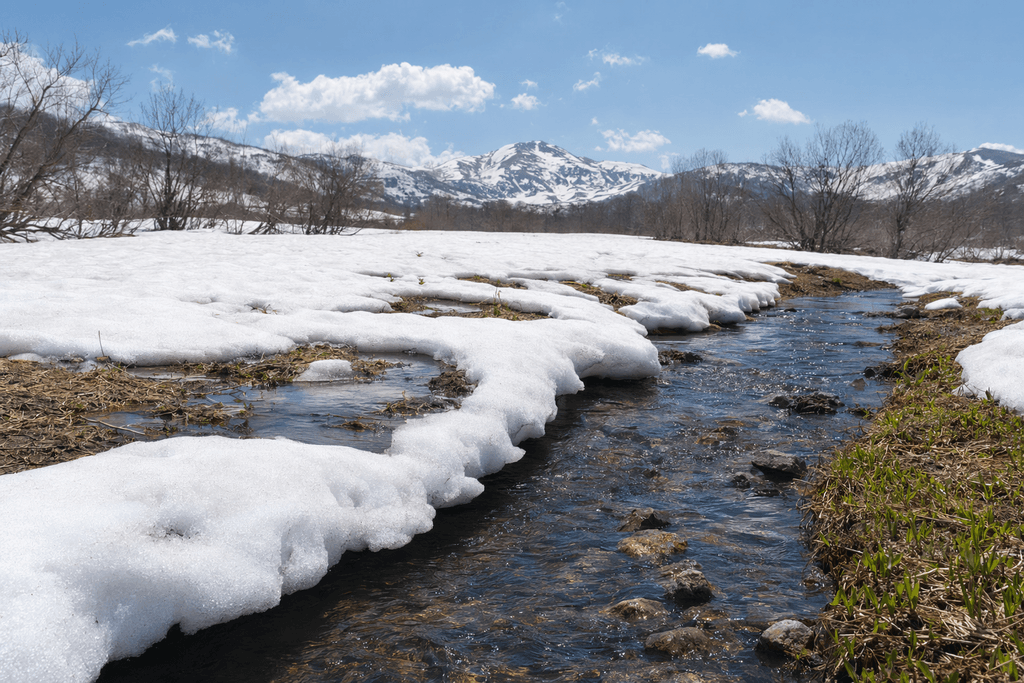
( Base form )
( Base form )
( romanization )
( hiragana historical )
台風
တိုင်ဖွန်းမုန်တိုင်း
台風
တိုင်ဖွန်းမုန်တိုင်း
Explanation
台風
တိုင်ဖွန်းမုန်တိုင်း
台風
ပြင်းထန်သော မုန်တိုင်း / အရှေ့အာရှဒေသတွင် ဖြစ်ပေါ်သော အပူမုန်တိုင်း

( Base form )
( romanization )
( hiragana )
上がる
တက်သည်
上がる
တက်သည်
Explanation
上がる
တက်သည်
上がる
မြင့်တက်သည် / ဖော်ပြခံရသည် / ကြော်ပြီးဖြစ်သည်

Word Forms
The basic and commonly used forms of this verb.
Basic forms
| Form | Word form | Usage |
|---|---|---|
| Imperfective form (mizenkei) |
Alternative:
上がろ
|
Connects to endings such as nai, reru, and seru. |
| Continuative form (renyokei) | Connects to endings such as masu, tai, and ta. | |
| Conclusive form (shushikei) | Ends a sentence and serves as the dictionary form. | |
| Attributive form (rentaikei) | Modifies a noun. | |
| Conditional form (kateikei) | Combines with ba to express a condition. | |
| Imperative form (meireikei) | Expresses a command or instruction. |
Common forms
| Form | Word form | Usage |
|---|---|---|
| Te-form | Connects clauses with te. | |
| Ta-form | Expresses the past with ta. | |
| Nai-form | Expresses negation with nai. | |
| Masu-form | Used for polite speech. | |
| Ba-form | Expresses a condition with ba. | |
| Volitional form | Expresses intention or invitation. |
Notes
下りる
ယာဉ်မှဆင်းသည် / အောက်ဆင်းသည်
下りる
ယာဉ်မှဆင်းသည် / အောက်ဆင်းသည်
Explanation
下りる
ယာဉ်မှဆင်းသည် / အောက်ဆင်းသည်
下りる
ဆင်းသည်; ကျဆင်းသည် / ခွင့်ပြုချက်၊ ငွေပေးချေမှု စသည် ထုတ်ပေးခံရသည်

Word Forms
The basic and commonly used forms of this verb.
Basic forms
| Form | Word form | Usage |
|---|---|---|
| Imperfective form (mizenkei) |
Alternative:
降り
|
Connects to endings such as nai, reru, and seru. |
| Continuative form (renyokei) |
Alternative:
降り
|
Connects to endings such as masu, tai, and ta. |
| Conclusive form (shushikei) |
Alternative:
降りる
|
Ends a sentence and serves as the dictionary form. |
| Attributive form (rentaikei) |
Alternative:
降りる
|
Modifies a noun. |
| Conditional form (kateikei) |
Alternative:
降りれ
|
Combines with ba to express a condition. |
| Imperative form (meireikei) |
Alternative:
下りよ
降りろ
降りよ
|
Expresses a command or instruction. |
Common forms
| Form | Word form | Usage |
|---|---|---|
| Te-form |
Alternative:
降りて
|
Connects clauses with te. |
| Ta-form |
Alternative:
降りた
|
Expresses the past with ta. |
| Nai-form |
Alternative:
降りない
|
Expresses negation with nai. |
| Masu-form |
Alternative:
降ります
|
Used for polite speech. |
| Ba-form |
Alternative:
降りれば
|
Expresses a condition with ba. |
| Volitional form |
Alternative:
降りよう
|
Expresses intention or invitation. |
Notes
ジャム
ယို
ジャム
ယို
Explanation
ယို
ジャム
အသီးသကြားပြုတ် / ပေါင်မုန့်ပေါ် လိမ်းစားသည့် အသီးသကြားပြုတ် / အသီးကို သကြားနဲ့ ပြုတ်ကြပ်ထားသော ထူထဲသည့် အလိမ်း

( romanization )
運動
ကိုယ်လက်လှုပ်ရှားမှု
運動
ကိုယ်လက်လှုပ်ရှားမှု
Explanation
運動
ကိုယ်လက်လှုပ်ရှားမှု
運動
လေ့ကျင့်ခန်း / နိုင်ငံရေး လှုပ်ရှားရေး/လှုံ့ဆော်ရေး / ရုပ်ဗေဒဆိုင်ရာ လှုပ်ရှားမှု

( Base form )
( romanization )
( hiragana )
割れる
ကွဲသည် / အက်သည်
割れる
ကွဲသည် / အက်သည်
Explanation
割れる
ကွဲသည် / အက်သည်
割れる
ကွဲသွားသည် / ကွဲပြား၍ ခွဲခြားသွားသည် / ပေါက်ကြားသွားသည်

Word Forms
The basic and commonly used forms of this verb.
Basic forms
| Form | Word form | Usage |
|---|---|---|
| Imperfective form (mizenkei) | Connects to endings such as nai, reru, and seru. | |
| Continuative form (renyokei) | Connects to endings such as masu, tai, and ta. | |
| Conclusive form (shushikei) | Ends a sentence and serves as the dictionary form. | |
| Attributive form (rentaikei) | Modifies a noun. | |
| Conditional form (kateikei) | Combines with ba to express a condition. | |
| Imperative form (meireikei) |
Alternative:
割れよ
|
Expresses a command or instruction. |
Common forms
Loading...

JLPT N4 多言語単語帳・631語 / JLPT N4 Multilingual Vocabulary: 631 Words

Jonathan Waller 氏の JLPT Resources の語彙リスト・レベル分類を出典とし、CC BY の条件に従って DiQt が初級向けに意味を作り直した631語の単語帳です。JLPT公式の語彙リストではありません。
This collection of 631 words is based on the vocabulary list and level classifications in Jonathan Waller’s JLPT Resources under CC BY, with meanings rewritten by DiQt for beginners. It is not an official JLPT vocabulary list.
Key Operations
Select the first quiz:
Ctrl + Enter
View Explanation:Ctrl + G
Close a feedback:Esc
When selecting a quiz
Answer:Enter
Select a choice:↓ or ↑
Reading out the question:Ctrl + K
View Hint: Ctrl + M
I don't know: Ctrl + Y



