
JLPT N4 ဝေါဟာရအဓိပ္ပာယ် လေ့ကျင့်ခန်း - Unsolved

JLPT N4 စကားလုံး 631 လုံး၏ မြန်မာအဓိပ္ပာယ်ကို အဖြေရွေးချယ်စရာ လေးခုပါသော မေးခွန်းများဖြင့် လေ့လာပါ။
-
အထီးကျန်သော
-
အရသာရှိသော / ကျွမ်းကျင်သော
-
အဆင်ပြေသော
-
စာစီစာရိုက်စက်
-
မူလတန်းကျောင်း
-
မြို့ဆင်ခြေဖုံး
-
စီနီယာ
-
နိုင်ငံရေး / အုပ်ချုပ်ရေး
-
သူခိုး
-
ကစားခြင်း
-
စတီရီယို
-
အံ့ဩမှု
-
အနံ့
-
ဒီတစ်ခါ / နောက်တစ်ခါ
-
သင်္ချာ
-
ပင်လယ်ကမ်းရိုးတန်း
-
အမှတ် / အစက်
-
အိမ်တွင်မရှိခြင်း
-
အသုံး / ကိစ္စ
-
ယဉ်ကျေးမှု
-
လူတိုင်း
-
ကြားရသည်
-
မြင်သည် / ကြည့်သည်
-
အနိုင်ရသည်
- 「較べる」とも表記する。
-
လွတ်လပ်မှု
-
နှစ်ထပ်အဆောက်အအုံ
-
ငွေရှင်းစက်
-
ကျိုးသည် / ကွေးသွားသည်
-
ကောက်ယူသည်
-
ရှာတွေ့သည်
- 自動詞。
厳しい
တင်းကျပ်သော
厳しい
တင်းကျပ်သော
Explanation
厳しい
တင်းကျပ်သော
厳しい
တင်းကြပ် / ခက်ခဲ / ပြင်းထန်

Word Forms
The basic and commonly used forms of this adjective.
Basic forms
| Form | Word form | Usage |
|---|---|---|
| Imperfective form (mizenkei) | Used in forms such as karou; mainly literary. | |
| Continuative form (renyokei) |
Alternative:
厳しかっ
|
Used in forms such as kute and kunai. |
| Conclusive form (shushikei) | Ends a sentence. | |
| Attributive form (rentaikei) | Modifies a noun. | |
| Conditional form (kateikei) | Expresses a condition with kereba. | |
| Imperative form (meireikei) | Rarely used in modern Japanese. |
Common forms
鏡
မှန်
鏡
မှန်
Explanation
鏡
မှန်
鏡
ရုပ်ပုံကို ပြန်မြင်စေသော မှန် / ကိုယ်ပုံကြည့်ရန် သုံးသည့် မှန်ဘီလူး

( romanization )
( hiragana )
びっくり
အံ့ဩမှု
びっくり
အံ့ဩမှု
Explanation
အံ့ဩမှု
びっくり
အံ့အားသင့်မှု / အံ့သြခြင်း / အံ့ဖွယ်ခံစားချက်

( romanization )
品物
ကုန်ပစ္စည်း
品物
ကုန်ပစ္စည်း
Explanation
品物
ကုန်ပစ္စည်း
品物
ကုန်ပစ္စည်း / ရောင်းဝယ်သည့် ပစ္စည်း / ပစ္စည်း

( Base form )
( romanization )
( hiragana )
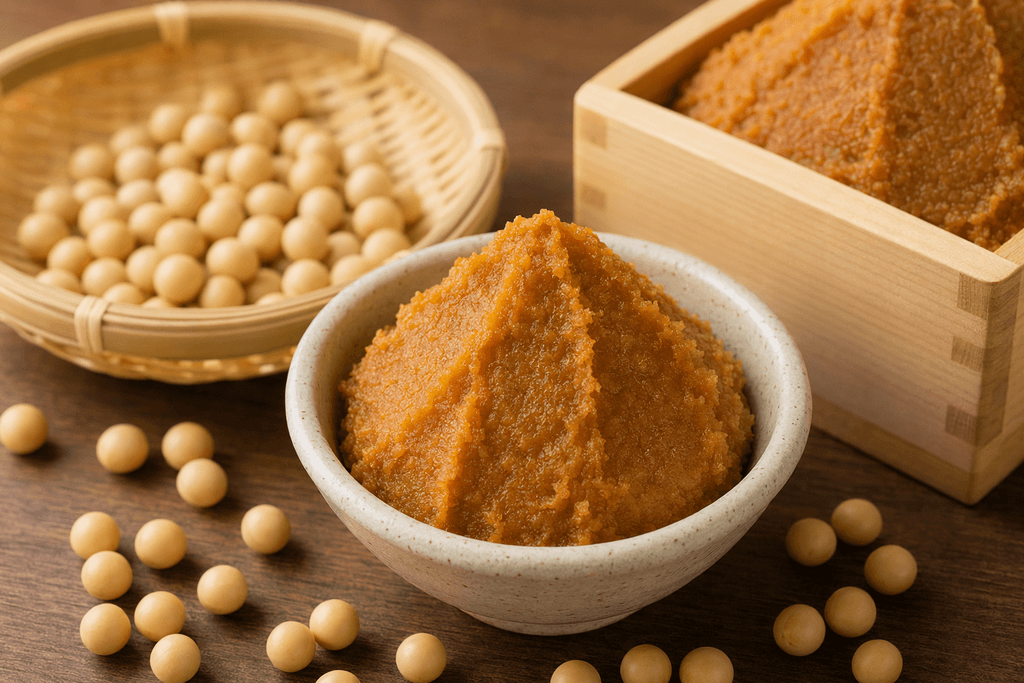
味噌
မီဆိုပဲနှစ်
味噌
မီဆိုပဲနှစ်
Explanation
味噌
မီဆိုပဲနှစ်
味噌
ဂျပန်ဟင်းချက်တွင် အသုံးများသော ပဲပုပ်အကြိတ် / ပဲကို ဆားနှင့် ပုပ်စေ၍ ပြုလုပ်သော အရသာပေးပစ္စည်း
( Base form )
( romanization )
( hiragana )
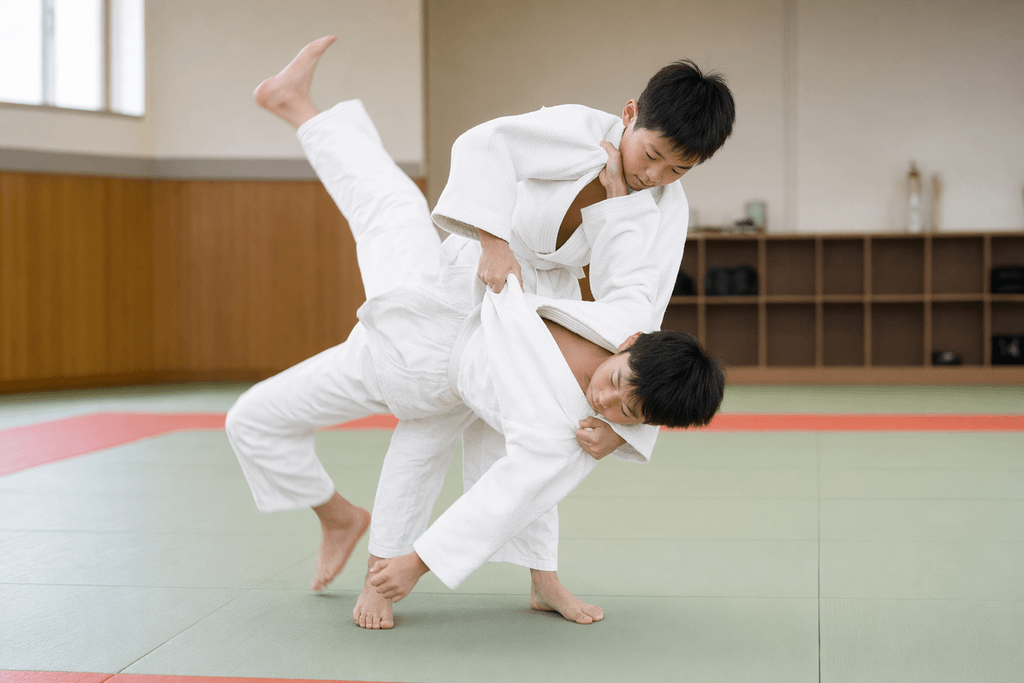
柔道
ဂျူဒို
柔道
ဂျူဒို
Explanation
柔道
ဂျူဒို
柔道
ဂျပန်ရိုးရာ သိုက်ပညာတစ်ရပ် / ပစ်လွှတ်နှင့် မြေတွင် ဖိနှိပ်ခြင်းကို အဓိကထားသည့် ကာကွယ်တိုက်ခိုက်နည်း / အားကစားအဖြစ် ပြိုင်ပွဲဝင်ကစားသည့် သိုက်ပညာ
( Base form )
( romanization )
( romanization )
( hiragana historical )
( hiragana )
ソフト
နူးညံ့သော
ソフト
နူးညံ့သော
Explanation
နူးညံ့သော
ソフト
ကွန်ပျူတာတွင် လုပ်ဆောင်သည့် ပရိုဂရမ်များ / ဘေ့စ်ဘောနှင့် ဆင်တူ၍ ရောင့်ကြီးနူးနူးကို သုံးကစားသော အားကစား

( romanization )
比べる
နှိုင်းယှဉ်သည်
比べる
နှိုင်းယှဉ်သည်
Explanation
比べる
နှိုင်းယှဉ်သည်
比べる
နှိုင်းယှဉ်သည် / ကွာခြားချက်များကို ယှဉ်တင်သည် / တစ်ခုနှင့် တစ်ခုကို ရွေးချယ်ရန် နှိုင်းယှဉ်သည်

Word Forms
The basic and commonly used forms of this verb.
Basic forms
| Form | Word form | Usage |
|---|---|---|
| Imperfective form (mizenkei) | Connects to endings such as nai, reru, and seru. | |
| Continuative form (renyokei) | Connects to endings such as masu, tai, and ta. | |
| Conclusive form (shushikei) | Ends a sentence and serves as the dictionary form. | |
| Attributive form (rentaikei) | Modifies a noun. | |
| Conditional form (kateikei) | Combines with ba to express a condition. | |
| Imperative form (meireikei) |
Alternative:
比べよ
|
Expresses a command or instruction. |
Common forms
| Form | Word form | Usage |
|---|---|---|
| Te-form | Connects clauses with te. | |
| Ta-form | Expresses the past with ta. | |
| Nai-form | Expresses negation with nai. | |
| Masu-form | Used for polite speech. | |
| Ba-form | Expresses a condition with ba. | |
| Volitional form | Expresses intention or invitation. |
Notes
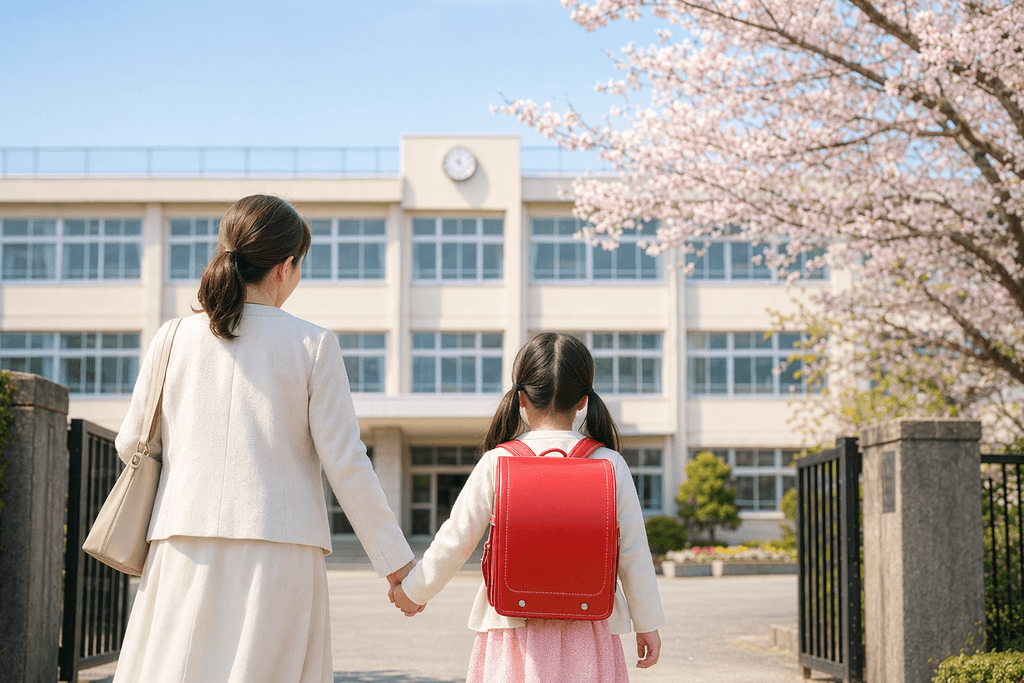
小学校
မူလတန်းကျောင်း
小学校
မူလတန်းကျောင်း
Explanation
小学校
မူလတန်းကျောင်း
小学校
မူလတန်းကျောင်း
( Base form )
( romanization )
( counter )
( kyūjitai )
( hiragana )
濡れる
စိုစွတ်သည်
濡れる
စိုစွတ်သည်
Explanation
濡れる
စိုစွတ်သည်
濡れる
စိုသွားသည် / လိင်လှုံ့ဆော်မှုကြောင့် (ယောနိ) စိုစွတ်လာသည်

Word Forms
The basic and commonly used forms of this verb.
Basic forms
| Form | Word form | Usage |
|---|---|---|
| Imperfective form (mizenkei) | Connects to endings such as nai, reru, and seru. | |
| Continuative form (renyokei) | Connects to endings such as masu, tai, and ta. | |
| Conclusive form (shushikei) | Ends a sentence and serves as the dictionary form. | |
| Attributive form (rentaikei) | Modifies a noun. | |
| Conditional form (kateikei) | Combines with ba to express a condition. | |
| Imperative form (meireikei) |
Alternative:
濡れよ
|
Expresses a command or instruction. |
Common forms
| Form | Word form | Usage |
|---|---|---|
| Te-form | Connects clauses with te. | |
| Ta-form | Expresses the past with ta. | |
| Nai-form |
Alternative:
濡れぬ
|
Expresses negation with nai. |
| Masu-form | Used for polite speech. | |
| Ba-form | Expresses a condition with ba. | |
| Volitional form | Expresses intention or invitation. |
Notes
Loading...

JLPT N4 多言語単語帳・631語 / JLPT N4 Multilingual Vocabulary: 631 Words

Jonathan Waller 氏の JLPT Resources の語彙リスト・レベル分類を出典とし、CC BY の条件に従って DiQt が初級向けに意味を作り直した631語の単語帳です。JLPT公式の語彙リストではありません。
This collection of 631 words is based on the vocabulary list and level classifications in Jonathan Waller’s JLPT Resources under CC BY, with meanings rewritten by DiQt for beginners. It is not an official JLPT vocabulary list.
Key Operations
Select the first quiz:
Ctrl + Enter
View Explanation:Ctrl + G
Close a feedback:Esc
When selecting a quiz
Answer:Enter
Select a choice:↓ or ↑
Reading out the question:Ctrl + K
View Hint: Ctrl + M
I don't know: Ctrl + Y



