
JLPT N4 ဝေါဟာရအဓိပ္ပာယ် လေ့ကျင့်ခန်း - Unsolved

JLPT N4 စကားလုံး 631 လုံး၏ မြန်မာအဓိပ္ပာယ်ကို အဖြေရွေးချယ်စရာ လေးခုပါသော မေးခွန်းများဖြင့် လေ့လာပါ။
-
အထက်တန်းကျောင်း
-
သင်္ချာ
-
စက်မှုလုပ်ငန်း
-
ထင်မြင်ချက်
-
အလယ်တန်းကျောင်း
-
မီးလောင်မှု
-
ဗုဒ္ဓဘာသာဘုန်းကြီးကျောင်း
-
အဓိပ္ပာယ် / အကြောင်းပြချက်
-
သမီး / မိန်းမပျို
-
ထောင်သည်
-
စာမေးပွဲဖြေသည် / သင်ခန်းစာသင်ယူသည်
-
ပြီးစီးသည်
-
အမှိုက်
-
လူနာသွားမေးခြင်း
-
စည်းမျဉ်း
-
လှုပ်ခါသည် / ယိမ်းနွဲ့သည်
-
ပြုပြင်သည်
-
နေရာပြောင်းသည် / ကူးပြောင်းသည်
-
ခွန်အား / စွမ်းအား
-
စားသောက်ကုန်
-
အလယ်တည့်တည့်
-
တစ်ကိုယ်ရေသုံးကွန်ပျူတာ
-
အစည်းအဝေးခန်း
-
အခြေအနေ / ကျန်းမာရေးအခြေအနေ
-
ဆက်ဖြစ်သည်
-
အသက်ရှင်သည်
-
စားသည် / သောက်သည်
- 表記は「混む」「込む」の両方が用いられる。人・場所・交通などが混雑している意では「混む」が一般的。
-
အိမ်တွင်မရှိခြင်း
-
ဖန်
-
သွားဆရာဝန်
会議
အစည်းအဝေး
会議
အစည်းအဝေး
Explanation
会議
အစည်းအဝေး
会議
အစည်းအဝေး / ဆွေးနွေးပွဲ / ကွန်ဖရန့်

( Base form )
( romanization )
( romanization )
( hiragana historical )
( hiragana )
紹介
မိတ်ဆက်ခြင်း
紹介
မိတ်ဆက်ခြင်း
Explanation
紹介
မိတ်ဆက်ခြင်း
紹介
မိတ်ဆက်ခြင်း / တင်ပြခြင်း / ညွှန်းပို့ခြင်း

( Base form )
( romanization )
( hiragana )
科学
သိပ္ပံပညာ
科学
သိပ္ပံပညာ
Explanation
科学
သိပ္ပံပညာ
科学
သိပ္ပံ / သဘာဝအရာဝတ္တုများကို စမ်းသပ်လေ့လာသည့် ပညာ / သက်သေအထောက်အထားပေါ် အခြေခံသည့် ပညာရပ်

( Base form )
( romanization )
( romanization )
( kyūjitai )
( hiragana historical )
( hiragana )
塗る
ဆေးသုတ်သည် / လိမ်းသည်
塗る
ဆေးသုတ်သည် / လိမ်းသည်
Explanation
塗る
ဆေးသုတ်သည် / လိမ်းသည်
塗る
ဆေးသုတ်သည် / လိမ်းသည် / ဖုံးအုပ်သုတ်လိမ်းသည်

Word Forms
The basic and commonly used forms of this verb.
Basic forms
| Form | Word form | Usage |
|---|---|---|
| Imperfective form (mizenkei) | Connects to endings such as nai, reru, and seru. | |
| Continuative form (renyokei) | Connects to endings such as masu, tai, and ta. | |
| Conclusive form (shushikei) | Ends a sentence and serves as the dictionary form. | |
| Attributive form (rentaikei) | Modifies a noun. | |
| Conditional form (kateikei) | Combines with ba to express a condition. | |
| Imperative form (meireikei) | Expresses a command or instruction. |
Common forms
泳ぎ方
ရေကူးနည်း
泳ぎ方
ရေကူးနည်း
Explanation
泳ぎ方
ရေကူးနည်း
泳ぎ方
ရေကူးနည်း / ရေကူးပုံစံ/နည်းလမ်း

変える
ပြောင်းလဲသည်
変える
ပြောင်းလဲသည်
Explanation
変える
ပြောင်းလဲသည်
変える
ပြောင်းလဲစေသည် / အခြား အချိန် သို့မဟုတ် နေရာသို့ ပြောင်းရွှေ့သည်

Word Forms
The basic and commonly used forms of this verb.
Basic forms
| Form | Word form | Usage |
|---|---|---|
| Imperfective form (mizenkei) | Connects to endings such as nai, reru, and seru. | |
| Continuative form (renyokei) | Connects to endings such as masu, tai, and ta. | |
| Conclusive form (shushikei) | Ends a sentence and serves as the dictionary form. | |
| Attributive form (rentaikei) | Modifies a noun. | |
| Conditional form (kateikei) | Combines with ba to express a condition. | |
| Imperative form (meireikei) |
Alternative:
変えよ
|
Expresses a command or instruction. |
Common forms
気持ち
ခံစားချက် / စိတ်အခြေအနေ
気持ち
ခံစားချက် / စိတ်အခြေအနေ
Explanation
気持ち
ခံစားချက် / စိတ်အခြေအနေ
気持ち
စိတ်ခံစားချက်၊ အာရုံခံစားမှု / စိတ်အနေအထား၊ စိတ်ထား / အနည်းငယ်၊ နည်းနည်း

( Base form )
( romanization )
すり
ခါးပိုက်နှိုက်
すり
ခါးပိုက်နှိုက်
Explanation
ခါးပိုက်နှိုက်
すり
ကပ်ခိုးလုပ်သူ / လက်ကပ်ခိုးသူ
( romanization )
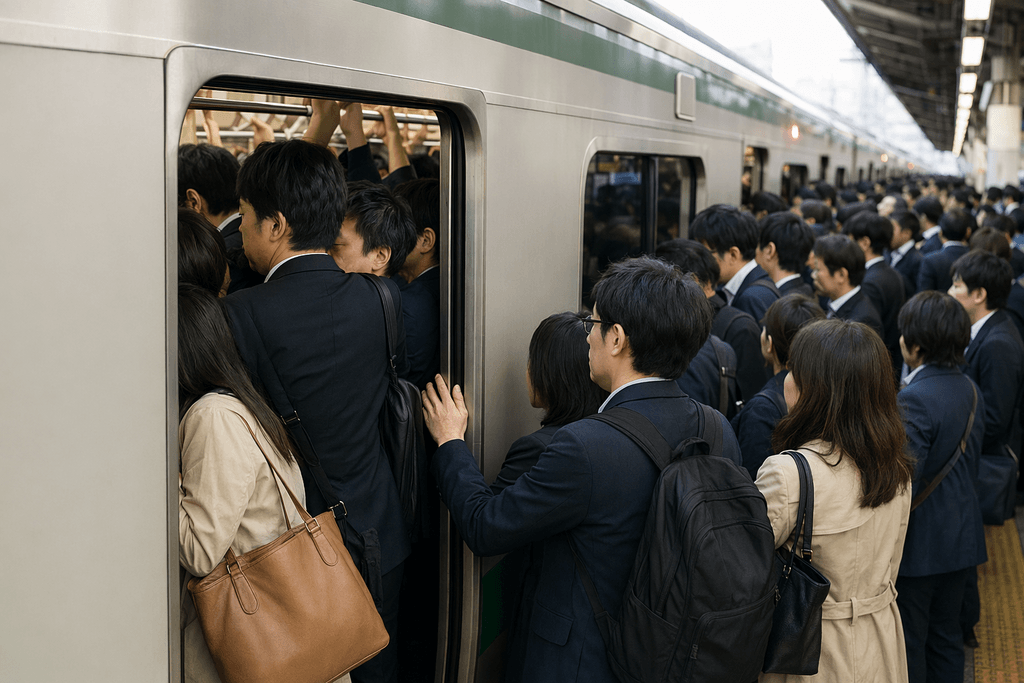
混む
လူကျပ်သည်
混む
လူကျပ်သည်
Explanation
混む
လူကျပ်သည်
混む
လူ/ယာဉ်များ၍ စည်ကားကျပ်တည်းနေသည် / ရရှုပ်ထွေးနေသည် / အချိန်စားသည်
Word Forms
The basic and commonly used forms of this verb.
Basic forms
| Form | Word form | Usage |
|---|---|---|
| Imperfective form (mizenkei) |
Alternative:
込ま
|
Connects to endings such as nai, reru, and seru. |
| Continuative form (renyokei) |
Alternative:
込み
|
Connects to endings such as masu, tai, and ta. |
| Conclusive form (shushikei) |
Alternative:
込む
|
Ends a sentence and serves as the dictionary form. |
| Attributive form (rentaikei) |
Alternative:
込む
|
Modifies a noun. |
| Conditional form (kateikei) |
Alternative:
込め
|
Combines with ba to express a condition. |
| Imperative form (meireikei) |
Alternative:
込め
|
Expresses a command or instruction. |
Common forms
| Form | Word form | Usage |
|---|---|---|
| Te-form |
Alternative:
込んで
|
Connects clauses with te. |
| Ta-form |
Alternative:
込んだ
|
Expresses the past with ta. |
| Nai-form |
Alternative:
込まない
|
Expresses negation with nai. |
| Masu-form |
Alternative:
込みます
|
Used for polite speech. |
| Ba-form |
Alternative:
込めば
|
Expresses a condition with ba. |
| Volitional form |
Alternative:
込もう
|
Expresses intention or invitation. |
Notes
事故
မတော်တဆမှု
事故
မတော်တဆမှု
Explanation
事故
မတော်တဆမှု
事故
မတော်တဆမှု / အဖြစ်အပျက် / ပြဿနာ

( Base form )
( romanization )
( counter )
( hiragana )
Loading...

JLPT N4 多言語単語帳・631語 / JLPT N4 Multilingual Vocabulary: 631 Words

Jonathan Waller 氏の JLPT Resources の語彙リスト・レベル分類を出典とし、CC BY の条件に従って DiQt が初級向けに意味を作り直した631語の単語帳です。JLPT公式の語彙リストではありません。
This collection of 631 words is based on the vocabulary list and level classifications in Jonathan Waller’s JLPT Resources under CC BY, with meanings rewritten by DiQt for beginners. It is not an official JLPT vocabulary list.
Key Operations
Select the first quiz:
Ctrl + Enter
View Explanation:Ctrl + G
Close a feedback:Esc
When selecting a quiz
Answer:Enter
Select a choice:↓ or ↑
Reading out the question:Ctrl + K
View Hint: Ctrl + M
I don't know: Ctrl + Y



