
JLPT N4 ဝေါဟာရအဓိပ္ပာယ် လေ့ကျင့်ခန်း - Unsolved

JLPT N4 စကားလုံး 631 လုံး၏ မြန်မာအဓိပ္ပာယ်ကို အဖြေရွေးချယ်စရာ လေးခုပါသော မေးခွန်းများဖြင့် လေ့လာပါ။
-
ထိသည်
-
နိမ့်ကျသည်
-
ဆောင်ရွက်သည်
-
မြို့
-
ချစ်လေး
-
စတင်သည်
-
ရန်ဖြစ်ခြင်း
-
တိုင်ပင်ခြင်း
-
လျှပ်စစ်မီးလုံး
-
ယာဉ်သွားလာမှု / သယ်ယူပို့ဆောင်ရေး
-
အစည်းအဝေး
-
သဘောတူညီမှု
-
မြို့တော်ကြီး
-
ဘုရားကျောင်း
-
တိုင်ဖွန်းမုန်တိုင်း
-
ယာဉ်ပြောင်းစီးသည်
-
မျက်နှာမူသည် / ဦးတည်သွားသည်
-
ကြားရသည်
-
သဲ
-
အနောက်နိုင်ငံများ
-
ဈေးနှုန်း
-
လက်ခံရရှိသည် / စားသည်
-
အရေးထားသည် / ဂရုစိုက်သည်
-
ရှေ့ဆက်သည်
-
ရှာတွေ့သည်
-
ပြောင်းသွားသည်
-
သွားသည် / လာသည်
- サ変動詞「する」に名詞「食事」が結合した複合動詞。
-
သွားသည် / လာသည်
-
လဲကျသည်
-
ပို့ဆောင်သည်
- 「片づける」は表記ゆれ。
- 一段活用の動詞。
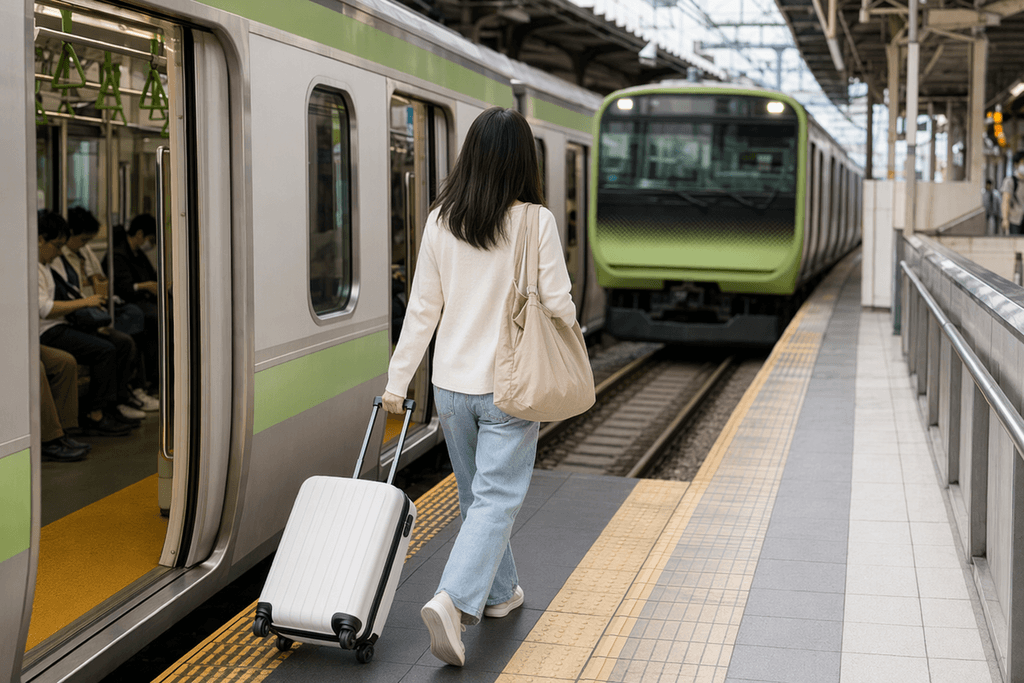
乗り換える
ယာဉ်ပြောင်းစီးသည်
乗り換える
ယာဉ်ပြောင်းစီးသည်
Explanation
乗り換える
ယာဉ်ပြောင်းစီးသည်
乗り換える
ရထားပြောင်းစီးသည် / တစ်ယာဉ်မှ အခြားယာဉ်သို့ ပြောင်းစီးသည်
Word Forms
The basic and commonly used forms of this verb.
Basic forms
| Form | Word form | Usage |
|---|---|---|
| Imperfective form (mizenkei) | Connects to endings such as nai, reru, and seru. | |
| Continuative form (renyokei) | Connects to endings such as masu, tai, and ta. | |
| Conclusive form (shushikei) | Ends a sentence and serves as the dictionary form. | |
| Attributive form (rentaikei) | Modifies a noun. | |
| Conditional form (kateikei) | Combines with ba to express a condition. | |
| Imperative form (meireikei) |
Alternative:
乗り換えよ
|
Expresses a command or instruction. |
Common forms
君
မောင်
君
မောင်
Explanation
君
မောင်
君
ကောင်လေးများ၊ အသက်ငယ်သည့် အမျိုးသားများကို ချစ်ကြည်နီးကပ်စွာ ခေါ်ရာတွင် သုံးသော နောက်ဆက်စွဲ / မိမိထက် ငယ်သူ သို့မဟုတ် လက်အောက်သားများကို ရိုးရိုးသဘောဖြင့် ခေါ်ရန် သုံးသော နောက်ဆက်စွဲ / တခါတရံ မိန်းကလေးများကိုပါ နီးကပ်မှုဖြင့် ခေါ်ရာတွင် သုံးနိုင်သော နောက်ဆက်စွဲ

( romanization )
( hiragana )
時代
ခေတ်
時代
ခေတ်
Explanation
時代
ခေတ်
時代
ခေတ် / အချိန်ကာလ / ဘဝကာလတစ်ပိုင်း

( Base form )
( romanization )
( hiragana )
工場
စက်ရုံ
工場
စက်ရုံ
Explanation
工場
စက်ရုံ
工場
စက်ရုံ / အလုပ်ရုံ / လုပ်ငန်းရုံ

( Base form )
( romanization )
( romanization )
( romanization )
( hiragana historical )
( hiragana )
味
အရသာ
味
အရသာ
Explanation
味
အရသာ
味
အရသာ / ရသာ / စားရသ

( romanization )
( romanization )
( hiragana historical )
( hiragana )
焼く
မီးဖိုဖြင့်ဖုတ်သည် / မီးကင်သည်
焼く
မီးဖိုဖြင့်ဖုတ်သည် / မီးကင်သည်
Explanation
焼く
မီးဖိုဖြင့်ဖုတ်သည် / မီးကင်သည်
焼く
ကင်ဖုတ် / မီးလောင်စေ / နေကင်စေ

Word Forms
The basic and commonly used forms of this verb.
Basic forms
| Form | Word form | Usage |
|---|---|---|
| Imperfective form (mizenkei) |
Alternative:
焼こ
|
Connects to endings such as nai, reru, and seru. |
| Continuative form (renyokei) | Connects to endings such as masu, tai, and ta. | |
| Conclusive form (shushikei) | Ends a sentence and serves as the dictionary form. | |
| Attributive form (rentaikei) | Modifies a noun. | |
| Conditional form (kateikei) | Combines with ba to express a condition. | |
| Imperative form (meireikei) | Expresses a command or instruction. |
Common forms
億
သန်းတစ်ရာ
億
သန်းတစ်ရာ
Explanation
億
သန်းတစ်ရာ
億
ရာသန်း (၁၀၀ သန်း) / သန်းတစ်ရာ / ၁၀^၈

( romanization )
( hiragana )
建てる
ဆောက်သည်
建てる
ဆောက်သည်
Explanation
建てる
ဆောက်သည်
建てる
ဆောက်လုပ်သည် / တည်ဆောက်သည်

Word Forms
The basic and commonly used forms of this verb.
Basic forms
| Form | Word form | Usage |
|---|---|---|
| Imperfective form (mizenkei) | Connects to endings such as nai, reru, and seru. | |
| Continuative form (renyokei) | Connects to endings such as masu, tai, and ta. | |
| Conclusive form (shushikei) | Ends a sentence and serves as the dictionary form. | |
| Attributive form (rentaikei) | Modifies a noun. | |
| Conditional form (kateikei) | Combines with ba to express a condition. | |
| Imperative form (meireikei) |
Alternative:
建てよ
|
Expresses a command or instruction. |
Common forms
食事する
ထမင်းစားသည်
食事する
ထမင်းစားသည်
Explanation
食事する
ထမင်းစားသည်
食事する
ထမင်းစားသည် / အစားအစာစားသည် / အာဟာရယူသည်

Word Forms
The basic and commonly used forms of this verb.
Basic forms
| Form | Word form | Usage |
|---|---|---|
| Imperfective form (mizenkei) |
Alternative:
食事せ
食事さ
|
Connects to endings such as nai, reru, and seru. |
| Continuative form (renyokei) | Connects to endings such as masu, tai, and ta. | |
| Conclusive form (shushikei) | Ends a sentence and serves as the dictionary form. | |
| Attributive form (rentaikei) | Modifies a noun. | |
| Conditional form (kateikei) | Combines with ba to express a condition. | |
| Imperative form (meireikei) |
Alternative:
食事せよ
|
Expresses a command or instruction. |
Common forms
| Form | Word form | Usage |
|---|---|---|
| Te-form | Connects clauses with te. | |
| Ta-form | Expresses the past with ta. | |
| Nai-form |
Alternative:
食事せぬ
|
Expresses negation with nai. |
| Masu-form | Used for polite speech. | |
| Ba-form | Expresses a condition with ba. | |
| Volitional form | Expresses intention or invitation. |
Notes
片付ける
သပ်ရပ်အောင်ရှင်းသည်
片付ける
သပ်ရပ်အောင်ရှင်းသည်
Explanation
片付ける
သပ်ရပ်အောင်ရှင်းသည်
片付ける
ရှင်းသန့်အောင် စီပြင်သည် / ပစ္စည်းများကို စနစ်တကျ နေရာချသည်

Word Forms
The basic and commonly used forms of this verb.
Basic forms
| Form | Word form | Usage |
|---|---|---|
| Imperfective form (mizenkei) |
Alternative:
片づけ
|
Connects to endings such as nai, reru, and seru. |
| Continuative form (renyokei) |
Alternative:
片づけ
|
Connects to endings such as masu, tai, and ta. |
| Conclusive form (shushikei) |
Alternative:
片づける
|
Ends a sentence and serves as the dictionary form. |
| Attributive form (rentaikei) |
Alternative:
片づける
|
Modifies a noun. |
| Conditional form (kateikei) |
Alternative:
片づけれ
|
Combines with ba to express a condition. |
| Imperative form (meireikei) |
Alternative:
片付けよ
片づけろ
片づけよ
|
Expresses a command or instruction. |
Common forms
| Form | Word form | Usage |
|---|---|---|
| Te-form |
Alternative:
片づけて
|
Connects clauses with te. |
| Ta-form |
Alternative:
片づけた
|
Expresses the past with ta. |
| Nai-form |
Alternative:
片づけない
|
Expresses negation with nai. |
| Masu-form |
Alternative:
片づけます
|
Used for polite speech. |
| Ba-form |
Alternative:
片づければ
|
Expresses a condition with ba. |
| Volitional form |
Alternative:
片づけよう
|
Expresses intention or invitation. |
Notes
Loading...

JLPT N4 多言語単語帳・631語 / JLPT N4 Multilingual Vocabulary: 631 Words

Jonathan Waller 氏の JLPT Resources の語彙リスト・レベル分類を出典とし、CC BY の条件に従って DiQt が初級向けに意味を作り直した631語の単語帳です。JLPT公式の語彙リストではありません。
This collection of 631 words is based on the vocabulary list and level classifications in Jonathan Waller’s JLPT Resources under CC BY, with meanings rewritten by DiQt for beginners. It is not an official JLPT vocabulary list.
Key Operations
Select the first quiz:
Ctrl + Enter
View Explanation:Ctrl + G
Close a feedback:Esc
When selecting a quiz
Answer:Enter
Select a choice:↓ or ↑
Reading out the question:Ctrl + K
View Hint: Ctrl + M
I don't know: Ctrl + Y



