
JLPT N4 ဝေါဟာရအဓိပ္ပာယ် လေ့ကျင့်ခန်း - Unsolved

JLPT N4 စကားလုံး 631 လုံး၏ မြန်မာအဓိပ္ပာယ်ကို အဖြေရွေးချယ်စရာ လေးခုပါသော မေးခွန်းများဖြင့် လေ့လာပါ။
-
အန္တရာယ်
-
မိုးလေဝသခန့်မှန်းချက်
-
စောင့်ရှောက်မှု
-
ဓာတ်ဆီ
-
ပို့ချချက်
-
တောအုပ်
-
သင်ခန်းစာပြန်လေ့ကျင့်ခြင်း
-
အမှတ် / အစက်
-
ခရီးဆောင်အိတ်
-
ဆုံးဖြတ်သည်
-
လဲကျသည်
-
စိုစွတ်သည်
-
အမှိုက်
-
အဆင်မပြေမှု
-
အလင်း
-
အထူးဖြစ်သော
-
သာမန်ဖြစ်သော / ဘူတာတိုင်းရပ်ရထား
-
သေချာသော / မှတ်မိသလောက်
- 形容動詞(ナ形容詞)。連用形は接続によって「盛んで」「盛んに」を用いる。
-
သပ်ရပ်အောင်ရှင်းသည်
-
သွားသည် / လာသည်
-
ချိတ်ဆွဲသည် / ဖုန်းခေါ်သည်
-
ကျော်လွန်သည် / ဖြတ်သန်းသွားသည်
-
ပျောက်ကွယ်သည် / ပျောက်ဆုံးသည်
-
အိမ်ပြောင်းသည်
- 五段活用(サ行)。「起こす」を主見出しとし、「興す」「熾す」は表記違いとして variants に収録。
-
စတိတ်
-
လည်ပတ်ကြည့်ရှုခြင်း
-
ဖန်
-
ထင်သည် / ခံစားရသည်
-
ရှာတွေ့ခံရသည်
-
အမည်တွင်သည် / ပြောသည်
形
ပုံသဏ္ဌာန်
形
ပုံသဏ္ဌာန်
Explanation
形
ပုံသဏ္ဌာန်
形
ပုံသဏ္ဍာန် / ပုံစံ / စတိုင်

点
အမှတ် / အစက်
点
အမှတ် / အစက်
Explanation
点
အမှတ် / အစက်
点
အမှတ်အသား / ရမှတ် / အချက်

( romanization )
( hiragana )
留守
အိမ်တွင်မရှိခြင်း
留守
အိမ်တွင်မရှိခြင်း
Explanation
留守
အိမ်တွင်မရှိခြင်း
留守
အိမ်မှာ မရှိခြင်း / အပြင်ထွက်သွား၍ မရှိနေခြင်း / အိမ်မှာ လူမရှိခြင်း

( Base form )
( romanization )
( stem )
( Past )
( table-tags )
( inflection-template )
( imperfective stem )
( imperfective stem )
( imperfective )
( continuative stem )
( continuative stem )
( continuative )
( stem terminative )
( stem terminative )
( terminative )
( attributive stem )
( attributive stem )
( attributive )
( hypothetical stem )
( hypothetical stem )
( hypothetical )
( Imperative literary stem )
( colloquial Imperative stem )
( Imperative literary stem )
( colloquial Imperative stem )
( Imperative literary )
( colloquial Imperative )
( Passive voice )
( Passive voice )
( Passive voice )
( causative )
( causative )
( causative )
( causative )
( causative )
( causative )
( potential )
( potential )
( potential )
( volitional )
( volitional )
( volitional )
( negative )
( negative )
( negative )
( continuative negative )
( continuative negative )
( continuative negative )
( formal )
( formal )
( formal )
( perfective )
( perfective )
( perfective )
( conjunctive )
( conjunctive )
( conjunctive )
( Conditional hypothetical )
( Conditional hypothetical )
( Conditional hypothetical )
出席する
တက်ရောက်သည်
出席する
တက်ရောက်သည်
Explanation
出席する
တက်ရောက်သည်
出席する
တက်ရောက်သည် / ပါဝင်ရှိသည်

Word Forms
The basic and commonly used forms of this verb.
Basic forms
| Form | Word form | Usage |
|---|---|---|
| Imperfective form (mizenkei) |
Alternative:
出席せ
出席さ
|
Connects to endings such as nai, reru, and seru. |
| Continuative form (renyokei) | Connects to endings such as masu, tai, and ta. | |
| Conclusive form (shushikei) | Ends a sentence and serves as the dictionary form. | |
| Attributive form (rentaikei) | Modifies a noun. | |
| Conditional form (kateikei) | Combines with ba to express a condition. | |
| Imperative form (meireikei) |
Alternative:
出席せよ
|
Expresses a command or instruction. |
Common forms
| Form | Word form | Usage |
|---|---|---|
| Te-form | Connects clauses with te. | |
| Ta-form | Expresses the past with ta. | |
| Nai-form |
Alternative:
出席せぬ
|
Expresses negation with nai. |
| Masu-form | Used for polite speech. | |
| Ba-form | Expresses a condition with ba. | |
| Volitional form | Expresses intention or invitation. |
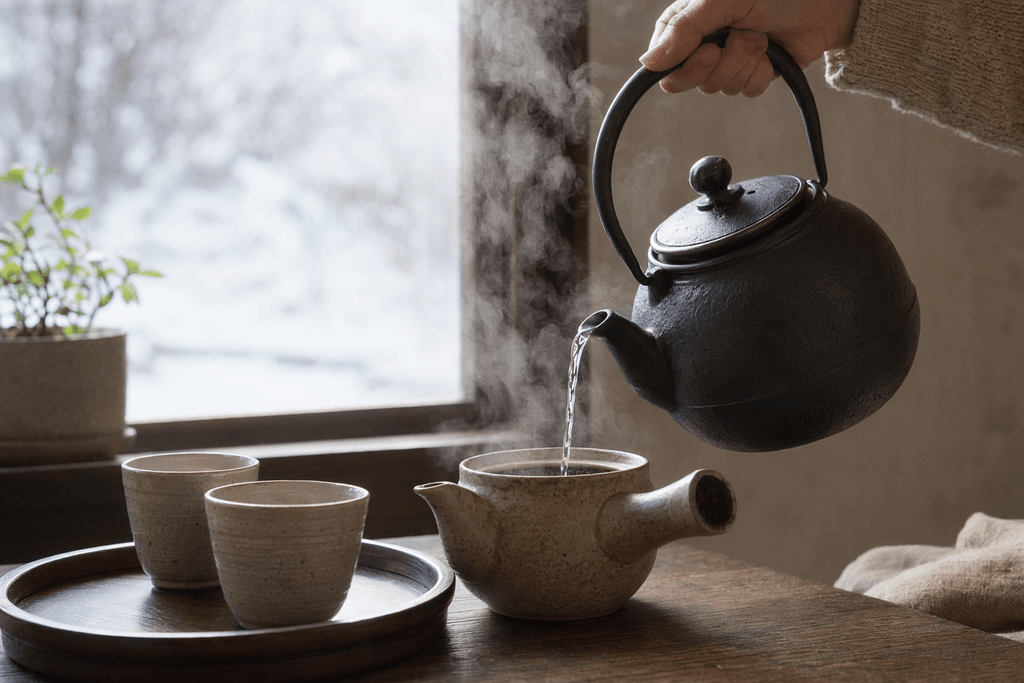
湯
ရေနွေး
湯
ရေနွေး
Explanation
湯
ရေနွေး
湯
ပူရေ / နွေးရေ
( romanization )
( hiragana )
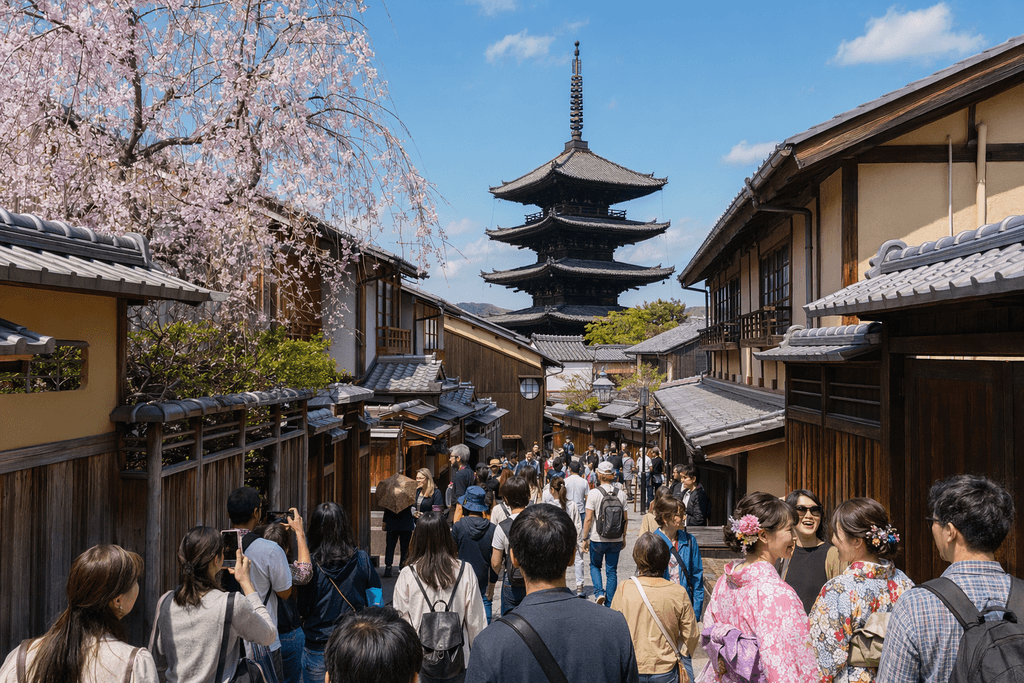
盛ん
တက်ကြွသော / စည်ပင်သော
盛ん
တက်ကြွသော / စည်ပင်သော
Explanation
盛ん
တက်ကြွသော / စည်ပင်သော
盛ん
ဖွံ့ဖြိုးတိုးတက်၍ စည်ကားသော / လူကြိုက်များသော / တက်ကြွသန်စွမ်း၍ ပြင်းထန်သော
Word Forms
The basic and commonly used forms of this adjectival noun.
Basic forms
| Form | Word form | Usage |
|---|---|---|
| Imperfective form (mizenkei) | Used in forms such as darou. | |
| Continuative form (renyokei) |
Alternative:
盛んに
|
Used with de or ni. |
| Conclusive form (shushikei) | Ends a sentence with da. | |
| Attributive form (rentaikei) | Modifies a noun with na. | |
| Conditional form (kateikei) | Expresses a condition with nara. | |
| Imperative form (meireikei) | Used in formal expressions such as de are. |
Common forms
| Form | Word form | Usage |
|---|---|---|
| Te-form equivalent | Connects clauses using de. | |
| Ta-form |
Alternative:
盛んでした
|
Expresses the past with datta. |
| Nai-form |
Alternative:
盛んじゃない
盛んでない
|
Expresses negation with dewa nai or ja nai. |
| Desu-form | Used for polite speech. |
Notes
輸入する
ပြည်ပမှတင်သွင်းသည်
輸入する
ပြည်ပမှတင်သွင်းသည်
Explanation
輸入する
ပြည်ပမှတင်သွင်းသည်
輸入する
ပြည်ပမှ ကုန်စည်ကို တင်သွင်းသည် / ပြည်ပမှ ယူသွင်းသည်

Word Forms
The basic and commonly used forms of this verb.
Basic forms
| Form | Word form | Usage |
|---|---|---|
| Imperfective form (mizenkei) |
Alternative:
輸入せ
輸入さ
|
Connects to endings such as nai, reru, and seru. |
| Continuative form (renyokei) | Connects to endings such as masu, tai, and ta. | |
| Conclusive form (shushikei) | Ends a sentence and serves as the dictionary form. | |
| Attributive form (rentaikei) | Modifies a noun. | |
| Conditional form (kateikei) | Combines with ba to express a condition. | |
| Imperative form (meireikei) |
Alternative:
輸入せよ
|
Expresses a command or instruction. |
Common forms
起こす
နှိုးသည်
起こす
နှိုးသည်
Explanation
起こす
နှိုးသည်
起こす
နိုးထစေသည် / ပြန်လည်ထူထောင်/တည်ထောင်၍ ဖွံ့ဖြိုးတိုးတက်စေသည် / မီးထွန်း၍ လောင်စေသည်

Word Forms
The basic and commonly used forms of this verb.
Basic forms
| Form | Word form | Usage |
|---|---|---|
| Imperfective form (mizenkei) |
Alternative:
興さ
熾さ
起こそ
興そ
熾そ
|
Connects to endings such as nai, reru, and seru. |
| Continuative form (renyokei) |
Alternative:
興し
熾し
|
Connects to endings such as masu, tai, and ta. |
| Conclusive form (shushikei) |
Alternative:
興す
熾す
|
Ends a sentence and serves as the dictionary form. |
| Attributive form (rentaikei) |
Alternative:
興す
熾す
|
Modifies a noun. |
| Conditional form (kateikei) |
Alternative:
興せ
熾せ
|
Combines with ba to express a condition. |
| Imperative form (meireikei) |
Alternative:
興せ
熾せ
|
Expresses a command or instruction. |
Common forms
| Form | Word form | Usage |
|---|---|---|
| Te-form |
Alternative:
興して
熾して
|
Connects clauses with te. |
| Ta-form |
Alternative:
興した
熾した
|
Expresses the past with ta. |
| Nai-form |
Alternative:
興さない
熾さない
|
Expresses negation with nai. |
| Masu-form |
Alternative:
興します
熾します
|
Used for polite speech. |
| Ba-form |
Alternative:
興せば
熾せば
|
Expresses a condition with ba. |
| Volitional form |
Alternative:
興そう
熾そう
|
Expresses intention or invitation. |
Notes
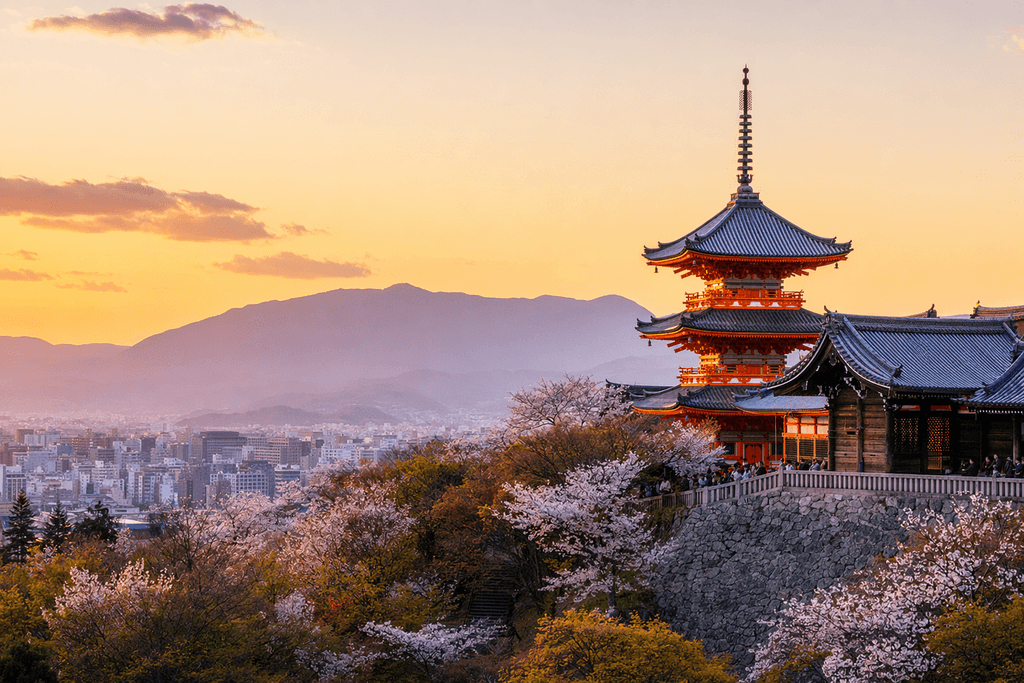
都
မြို့တော်ကြီး
都
မြို့တော်ကြီး
Explanation
都
မြို့တော်ကြီး
都
မြို့တော် / မြို့ကြီး / 東京都 ၏ အတိုကောက် — တိုကျိုမြို့တော်
( romanization )
( hiragana )
痩せる
ပိန်လာသည်
痩せる
ပိန်လာသည်
Explanation
痩せる
ပိန်လာသည်
痩せる
ပိန်သွားသည် / မြေဆီထွက်အားနည်းသွားသည်

Word Forms
The basic and commonly used forms of this verb.
Basic forms
| Form | Word form | Usage |
|---|---|---|
| Imperfective form (mizenkei) | Connects to endings such as nai, reru, and seru. | |
| Continuative form (renyokei) | Connects to endings such as masu, tai, and ta. | |
| Conclusive form (shushikei) | Ends a sentence and serves as the dictionary form. | |
| Attributive form (rentaikei) | Modifies a noun. | |
| Conditional form (kateikei) | Combines with ba to express a condition. | |
| Imperative form (meireikei) |
Alternative:
痩せよ
|
Expresses a command or instruction. |
Common forms
Loading...

JLPT N4 多言語単語帳・631語 / JLPT N4 Multilingual Vocabulary: 631 Words

Jonathan Waller 氏の JLPT Resources の語彙リスト・レベル分類を出典とし、CC BY の条件に従って DiQt が初級向けに意味を作り直した631語の単語帳です。JLPT公式の語彙リストではありません。
This collection of 631 words is based on the vocabulary list and level classifications in Jonathan Waller’s JLPT Resources under CC BY, with meanings rewritten by DiQt for beginners. It is not an official JLPT vocabulary list.
Key Operations
Select the first quiz:
Ctrl + Enter
View Explanation:Ctrl + G
Close a feedback:Esc
When selecting a quiz
Answer:Enter
Select a choice:↓ or ↑
Reading out the question:Ctrl + K
View Hint: Ctrl + M
I don't know: Ctrl + Y



