
JLPT N4 ဝေါဟာရအဓိပ္ပာယ် လေ့ကျင့်ခန်း - Unsolved

JLPT N4 စကားလုံး 631 လုံး၏ မြန်မာအဓိပ္ပာယ်ကို အဖြေရွေးချယ်စရာ လေးခုပါသော မေးခွန်းများဖြင့် လေ့လာပါ။
-
မေးသည်
-
များလာသည်
-
သွားကြိုသည် / ကြိုဆိုသည်
- 「見える」は下一段活用の自動詞。可能の意味を含む用法があるが、形態上は一段活用として扱う。
-
သိပ္ပံပညာ
-
အနာဂတ် / ရှေ့အလားအလာ
-
အချိန်ပိုင်းအလုပ်
-
အမျိုးအစား / စတိုင်
-
မြို့သူမြို့သား
-
နူးညံ့သော
-
တက်ရောက်သည်
-
လှုပ်ခါသည် / ယိမ်းနွဲ့သည်
-
နောက်ကျသည်
- 「空く」は五段活用(カ行)の動詞です。意味・文脈により「あく」とも読みますが、ここでは「すく」の読みを対象にしています。
-
ရှက်သော
-
နက်သော
-
ဆိုးရွားသော
-
သူမ / ချစ်သူမိန်းကလေး
-
သူ / ချစ်သူယောက်ျားလေး
-
သူတို့
-
ဆိုင်ကယ်
-
စည်းမျဉ်း
-
သဘောတူညီမှု
-
ဒီည
-
မှန်
-
အဆောက်အအုံ
-
ဖြစ်သင့်သော
-
လက်ဆောင်
-
လက်ကိုင်အိတ်
-
မာသော
-
ထူးဆန်းသော / ရယ်စရာကောင်းသော
-
တင်းကျပ်သော
見える
မြင်ရသည်
見える
မြင်ရသည်
Explanation
見える
မြင်ရသည်
見える
မြင်ရသည်; မြင်နိုင်သည် / ထင်ရသည်; ထင်ရှားသည် / (ဂုဏ်ပြုသုံး) လာသည်; ရောက်သည်

Word Forms
The basic and commonly used forms of this verb.
Basic forms
| Form | Word form | Usage |
|---|---|---|
| Imperfective form (mizenkei) | Connects to endings such as nai, reru, and seru. | |
| Continuative form (renyokei) | Connects to endings such as masu, tai, and ta. | |
| Conclusive form (shushikei) | Ends a sentence and serves as the dictionary form. | |
| Attributive form (rentaikei) | Modifies a noun. | |
| Conditional form (kateikei) | Combines with ba to express a condition. | |
| Imperative form (meireikei) |
Alternative:
見えよ
|
Expresses a command or instruction. |
Common forms
| Form | Word form | Usage |
|---|---|---|
| Te-form | Connects clauses with te. | |
| Ta-form | Expresses the past with ta. | |
| Nai-form | Expresses negation with nai. | |
| Masu-form | Used for polite speech. | |
| Ba-form | Expresses a condition with ba. | |
| Volitional form | Expresses intention or invitation. |
Notes
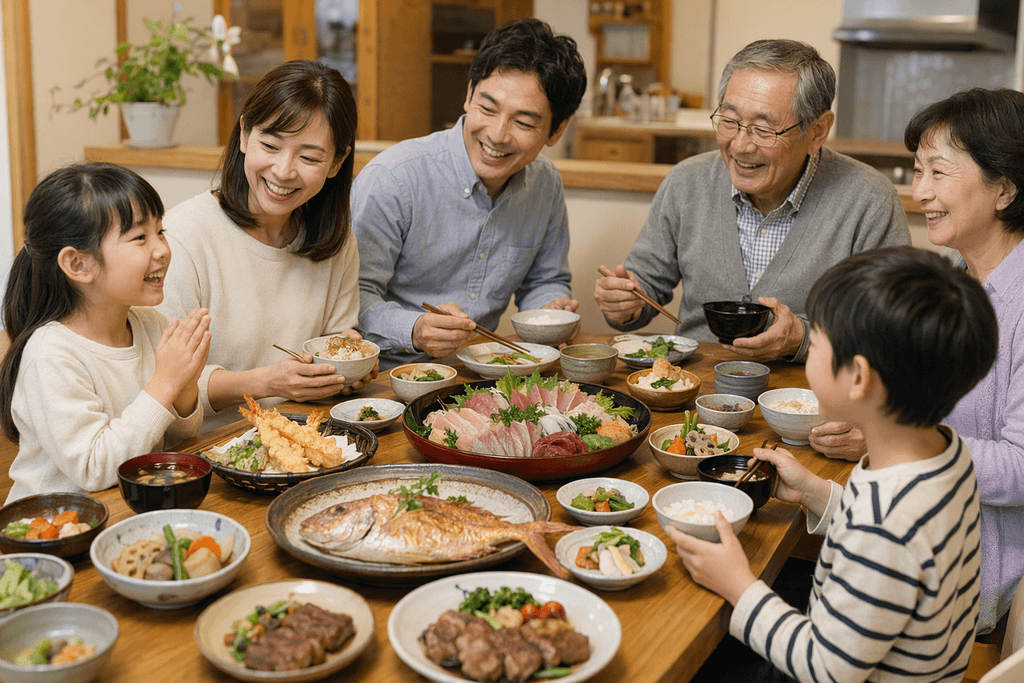
ごちそう
စားသောက်ပွဲ
ごちそう
စားသောက်ပွဲ
Explanation
စားသောက်ပွဲ
ごちそう
ပွဲစား/ပွဲတော်အစားအစာ / အရသာကောင်းသော အစာစားပွဲ၊ စားသောက်ပွဲ / ဧည့်ခံစာ (ထမင်း/ဟင်း)
( Base form )
( romanization )
( hiragana )
すみ
ထောင့်
すみ
ထောင့်
Explanation
ထောင့်
すみ
ထောင့် (အခန်း၊ ဘုတ်မျက်နှာပြင်စသည့်) / နားထောင့် (လျှို့ဝှက်ငယ်ငယ်နေရာ)

( romanization )
( hiragana historical )
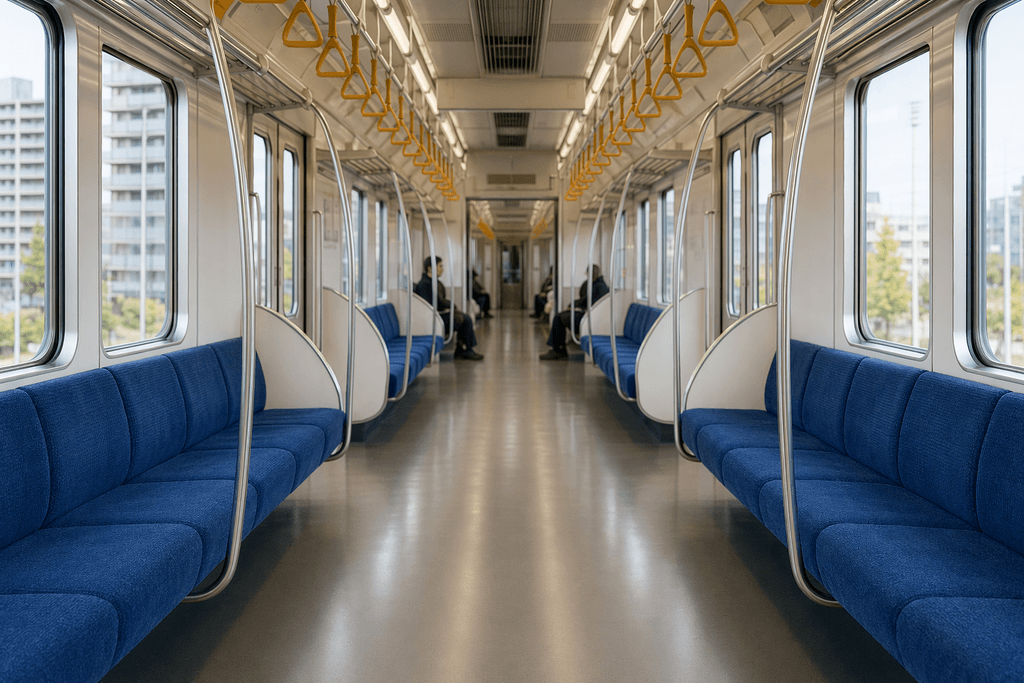
すく
လူကျဲလာသည် / ဗိုက်ဆာသည်
すく
လူကျဲလာသည် / ဗိုက်ဆာသည်
Explanation
လူကျဲလာသည် / ဗိုက်ဆာသည်
すく
လူနည်းသွား၍ မကျပ်မတည်းဖြစ်လာသည် / နေရာလွတ်/အလွတ်ဖြစ်လာသည် / အတွင်းက အရာတွေ လျော့၍ လွတ်လပ်လာသည်
Word Forms
The basic and commonly used forms of this verb.
Basic forms
| Form | Word form | Usage |
|---|---|---|
| Imperfective form (mizenkei) |
Alternative:
すか
|
Connects to endings such as nai, reru, and seru. |
| Continuative form (renyokei) |
Alternative:
すき
|
Connects to endings such as masu, tai, and ta. |
| Conclusive form (shushikei) |
Alternative:
すく
|
Ends a sentence and serves as the dictionary form. |
| Attributive form (rentaikei) |
Alternative:
すく
|
Modifies a noun. |
| Conditional form (kateikei) |
Alternative:
すけ
|
Combines with ba to express a condition. |
| Imperative form (meireikei) |
Alternative:
すけ
|
Expresses a command or instruction. |
Common forms
| Form | Word form | Usage |
|---|---|---|
| Te-form |
Alternative:
すいて
|
Connects clauses with te. |
| Ta-form |
Alternative:
すいた
|
Expresses the past with ta. |
| Nai-form |
Alternative:
すかない
|
Expresses negation with nai. |
| Masu-form |
Alternative:
すきます
|
Used for polite speech. |
| Ba-form |
Alternative:
すけば
|
Expresses a condition with ba. |
| Volitional form |
Alternative:
すこう
|
Expresses intention or invitation. |
Notes
優しい
ကြင်နာသော
優しい
ကြင်နာသော
Explanation
優しい
ကြင်နာသော
優しい
ကြင်နာသော / ယုယျသော / နူးညံ့သော

Word Forms
The basic and commonly used forms of this adjective.
Basic forms
| Form | Word form | Usage |
|---|---|---|
| Imperfective form (mizenkei) | Used in forms such as karou; mainly literary. | |
| Continuative form (renyokei) |
Alternative:
優しかっ
|
Used in forms such as kute and kunai. |
| Conclusive form (shushikei) | Ends a sentence. | |
| Attributive form (rentaikei) | Modifies a noun. | |
| Conditional form (kateikei) | Expresses a condition with kereba. | |
| Imperative form (meireikei) | Rarely used in modern Japanese. |
Common forms
君
မင်း
君
မင်း
Explanation
君
မင်း
君
နင် (ရင်းနှီးသုံး; အငယ်/အောက်ခံကို ခေါ်) / မင်း (အမျိုးသားများသုံး; ရင်းနှီး သို့မဟုတ် အလျော့ထားသံ ရှိနိုင်)

( romanization )
( hiragana )
以下
အများဆုံး / အောက်ပါ
以下
အများဆုံး / အောက်ပါ
Explanation
以下
အများဆုံး / အောက်ပါ
以下
… အောက် (အပါအဝင်) / အောက်ပါ / အဆင့်နိမ့်သော

( Base form )
( romanization )
( hiragana )
人口
လူဦးရေ
人口
လူဦးရေ
Explanation
人口
လူဦးရေ
人口
လူဦးရေ / လူဦးရေ အရေအတွက် / စုစုပေါင်း လူဦးရေ

( Base form )
( romanization )
( hiragana )
産業
စက်မှုလုပ်ငန်း
産業
စက်မှုလုပ်ငန်း
Explanation
産業
စက်မှုလုပ်ငန်း
産業
စက်မှုလုပ်ငန်း / စီးပွားရေးထုတ်လုပ်ရေးကဏ္ဍ
( Base form )
( romanization )
( kyūjitai )
( hiragana )
美しい
လှပသော
美しい
လှပသော
Explanation
美しい
လှပသော
美しい
လှပသော / တင့်တယ်သော / အလှအပရှိသော

Word Forms
The basic and commonly used forms of this adjective.
Basic forms
| Form | Word form | Usage |
|---|---|---|
| Imperfective form (mizenkei) | Used in forms such as karou; mainly literary. | |
| Continuative form (renyokei) |
Alternative:
美しかっ
|
Used in forms such as kute and kunai. |
| Conclusive form (shushikei) | Ends a sentence. | |
| Attributive form (rentaikei) | Modifies a noun. | |
| Conditional form (kateikei) | Expresses a condition with kereba. | |
| Imperative form (meireikei) | Rarely used in modern Japanese. |
Common forms
Loading...

JLPT N4 多言語単語帳・631語 / JLPT N4 Multilingual Vocabulary: 631 Words

Jonathan Waller 氏の JLPT Resources の語彙リスト・レベル分類を出典とし、CC BY の条件に従って DiQt が初級向けに意味を作り直した631語の単語帳です。JLPT公式の語彙リストではありません。
This collection of 631 words is based on the vocabulary list and level classifications in Jonathan Waller’s JLPT Resources under CC BY, with meanings rewritten by DiQt for beginners. It is not an official JLPT vocabulary list.
Key Operations
Select the first quiz:
Ctrl + Enter
View Explanation:Ctrl + G
Close a feedback:Esc
When selecting a quiz
Answer:Enter
Select a choice:↓ or ↑
Reading out the question:Ctrl + K
View Hint: Ctrl + M
I don't know: Ctrl + Y



