
JLPT N2 වචන අර්ථ පුහුණුව - Unsolved

පිළිතුරු විකල්ප හතරක් ඇති ප්රශ්න මඟින් JLPT N2 වචන 1790ක අර්ථ සිංහලෙන් ඉගෙන ගන්න.
-
ප්රබෝධමත්
-
අවාසනාව / විපත
-
රංග කලා
-
පෝස්ටරය
-
සැබෑ හැඟීම / ප්රත්යක්ෂ අවබෝධය
-
කැබැල්ල
-
අවංක
-
අතිවිශාල
-
අනවශ්ය / අධික
-
නිහඬ / කීකරු
-
ගොරෝසු
-
බලවත් / ධෛර්යය දෙන
-
තරගය / ජය පරාජය
-
ඉලක්කම් ස්ථානය / හරස් බාල්කය
-
යට කලිසම
-
කඳුකර දුර්ගය / තීරණාත්මක අවස්ථාව
-
විදුලි කණුව
-
කතුවරයා / නිර්මාතෘ
-
ඇති වෙනවා / ඇති කරනවා
-
වේලනවා
-
රස විඳිනවා / අත්විඳිනවා
-
කිමිදෙනවා / යටිබිම්ගත වෙනවා
-
ඇතුළ පිට පෙරළනවා / පෙරළනවා
-
සම්බන්ධ වී තිබෙනවා
- 「深ける」は異表記。
-
සංඛ්යාලේඛන
-
පසුපස දොරටුව
-
එක් එක්
-
වාහන මාරුව
-
මුඛ ආවරණය
-
කැමරා ද්වාරය / රෝල් දොර
吐き気
ඔක්කාරය
吐き気
ඔක්කාරය
Explanation
吐き気
ඔක්කාරය
吐き気
වමනයට යාමට ඇති හැඟීම (ඔක්කාරය) / වමනය කිරීමට ඇති තල්ලුව/ඉල්ලාම / (රූප) අසහනය, පිළිකුල

( Base form )
( romanization )
( hiragana )
中旬
මාසයේ මැද දින දහය
中旬
මාසයේ මැද දින දහය
Explanation
中旬
මාසයේ මැද දින දහය
中旬
මාසයේ මැද දින දහය / මාසයේ මධ්ය භාගය (දින 11–20)

( Base form )
( romanization )
( hiragana )
的確
නිවැරදි
的確
නිවැරදි
Explanation
的確
නිවැරදි
的確
නිවැරදි හා නිශ්චිත / යථාර්ථයට ගැළපෙන / සත්යසඳහා සුදුසු

Word Forms
The basic and commonly used forms of this adjectival noun.
Basic forms
| Form | Word form | Usage |
|---|---|---|
| Imperfective form (mizenkei) | Used in forms such as darou. | |
| Continuative form (renyokei) |
Alternative:
的確に
|
Used with de or ni. |
| Conclusive form (shushikei) | Ends a sentence with da. | |
| Attributive form (rentaikei) | Modifies a noun with na. | |
| Conditional form (kateikei) | Expresses a condition with nara. | |
| Imperative form (meireikei) | Used in formal expressions such as de are. |
Common forms
まぶしい
ඇස් නිලංකාර කරවන
まぶしい
ඇස් නිලංකාර කරවන
Explanation
ඇස් නිලංකාර කරවන
まぶしい
දැඩි ආලෝකයෙන් ඇස් දෑවෙන / දැසිලෙන ලෙස ඉතා දීප්තිමත් / තද දීප්තියෙන් දිලිසෙන

Word Forms
The basic and commonly used forms of this adjective.
Basic forms
| Form | Word form | Usage |
|---|---|---|
| Imperfective form (mizenkei) |
Alternative:
眩しかろ
|
Used in forms such as karou; mainly literary. |
| Continuative form (renyokei) |
Alternative:
まぶしかっ
眩しく
眩しかっ
|
Used in forms such as kute and kunai. |
| Conclusive form (shushikei) |
Alternative:
眩しい
|
Ends a sentence. |
| Attributive form (rentaikei) |
Alternative:
眩しい
|
Modifies a noun. |
| Conditional form (kateikei) |
Alternative:
眩しけれ
|
Expresses a condition with kereba. |
| Imperative form (meireikei) |
Alternative:
眩しかれ
|
Rarely used in modern Japanese. |
Common forms
防止
වැළැක්වීම
防止
වැළැක්වීම
Explanation
防止
වැළැක්වීම
防止
වැළැක්වීම / නැවැත්වීම / ආරක්ෂා කර තබා ගැනීම

( Base form )
( romanization )
( romanization )
( hiragana historical )
( hiragana )
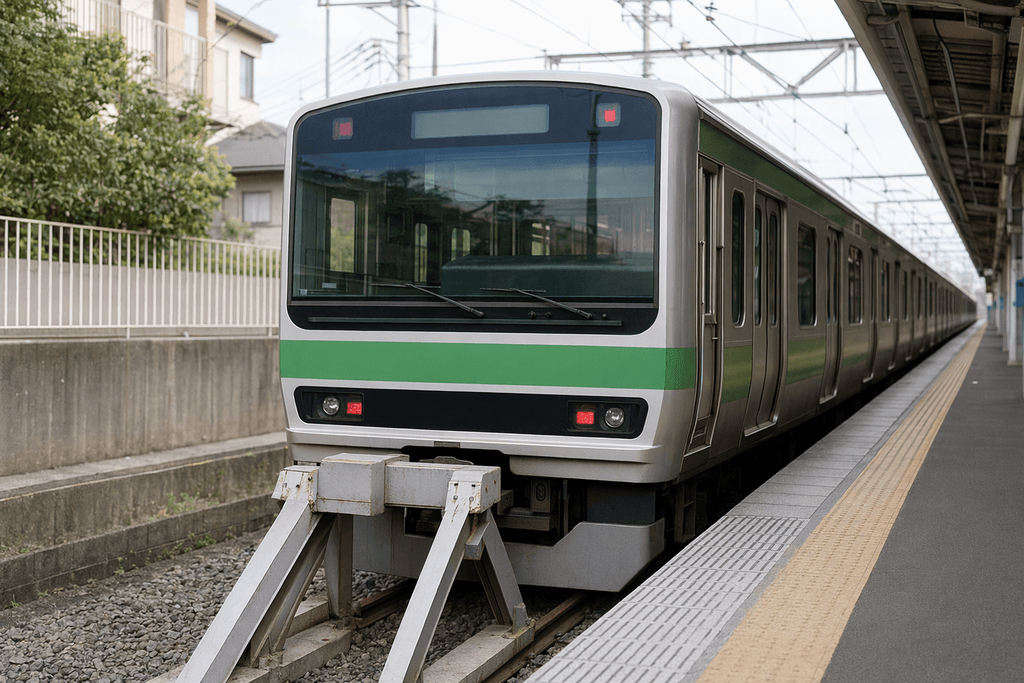
終点
අවසන් නැවතුම
終点
අවසන් නැවතුම
Explanation
終点
අවසන් නැවතුම
終点
අවසන් නැවතුම / අවසන් දුම්රිය/බස් ස්ථානය (ටර්මිනල්) / ගමනාන්තයේ අවසානය
( Base form )
( romanization )
( kyūjitai )
( hiragana )
くっつく
ඇලෙනවා / බදාගෙන සිටිනවා
くっつく
ඇලෙනවා / බදාගෙන සිටිනවා
Explanation
ඇලෙනවා / බදාගෙන සිටිනවා
くっつく
ඇලී සිටිනවා / ළඟටම ඇතුළත්ව සිටිනවා / පසුපස යනවා / සමඟින් යනවා

Word Forms
The basic and commonly used forms of this verb.
Basic forms
| Form | Word form | Usage |
|---|---|---|
| Imperfective form (mizenkei) |
Alternative:
くっ付か
|
Connects to endings such as nai, reru, and seru. |
| Continuative form (renyokei) |
Alternative:
くっ付き
|
Connects to endings such as masu, tai, and ta. |
| Conclusive form (shushikei) |
Alternative:
くっ付く
|
Ends a sentence and serves as the dictionary form. |
| Attributive form (rentaikei) |
Alternative:
くっ付く
|
Modifies a noun. |
| Conditional form (kateikei) |
Alternative:
くっ付け
|
Combines with ba to express a condition. |
| Imperative form (meireikei) |
Alternative:
くっ付け
|
Expresses a command or instruction. |
Common forms
| Form | Word form | Usage |
|---|---|---|
| Te-form |
Alternative:
くっ付いて
|
Connects clauses with te. |
| Ta-form |
Alternative:
くっ付いた
|
Expresses the past with ta. |
| Nai-form |
Alternative:
くっ付かない
|
Expresses negation with nai. |
| Masu-form |
Alternative:
くっ付きます
|
Used for polite speech. |
| Ba-form |
Alternative:
くっ付けば
|
Expresses a condition with ba. |
| Volitional form |
Alternative:
くっ付こう
|
Expresses intention or invitation. |
更ける
රෑ බෝ වෙනවා
更ける
රෑ බෝ වෙනවා
Explanation
更ける
රෑ බෝ වෙනවා
更ける
රෑවෙන්නා/රෑ ගතවෙන්නා / වේලාව අඩුවෙමින් පසුවෙන්නා / දිනය අවසානයට ළඟාවෙන්නා

Word Forms
The basic and commonly used forms of this verb.
Basic forms
| Form | Word form | Usage |
|---|---|---|
| Imperfective form (mizenkei) |
Alternative:
深け
|
Connects to endings such as nai, reru, and seru. |
| Continuative form (renyokei) |
Alternative:
深け
|
Connects to endings such as masu, tai, and ta. |
| Conclusive form (shushikei) |
Alternative:
深ける
|
Ends a sentence and serves as the dictionary form. |
| Attributive form (rentaikei) |
Alternative:
深ける
|
Modifies a noun. |
| Conditional form (kateikei) |
Alternative:
深けれ
|
Combines with ba to express a condition. |
| Imperative form (meireikei) |
Alternative:
更けよ
深けろ
深けよ
|
Expresses a command or instruction. |
Common forms
| Form | Word form | Usage |
|---|---|---|
| Te-form |
Alternative:
深けて
|
Connects clauses with te. |
| Ta-form |
Alternative:
深けた
|
Expresses the past with ta. |
| Nai-form |
Alternative:
深けない
|
Expresses negation with nai. |
| Masu-form |
Alternative:
深けます
|
Used for polite speech. |
| Ba-form |
Alternative:
深ければ
|
Expresses a condition with ba. |
| Volitional form |
Alternative:
深けよう
|
Expresses intention or invitation. |
Notes
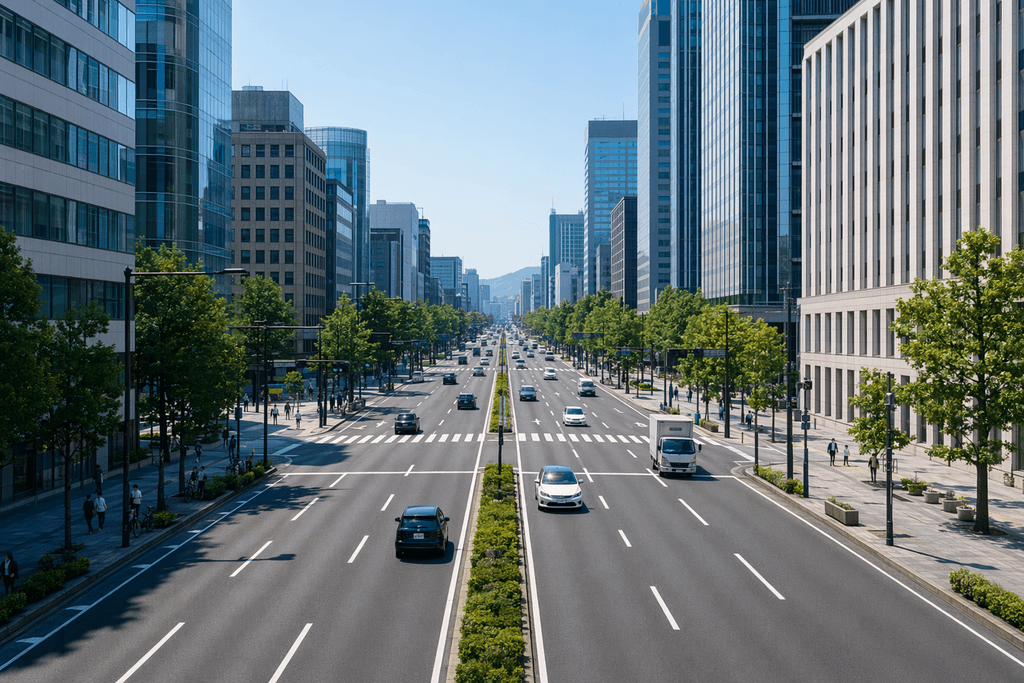
大通り
ප්රධාන වීදිය
大通り
ප්රධාන වීදිය
Explanation
大通り
ප්රධාන වීදිය
大通り
ප්රධාන වීදිය / විශාල මාර්ගය / මහ වීදිය
( Base form )
( romanization )
入れ物
බහාලුම
入れ物
බහාලුම
Explanation
入れ物
බහාලුම
入れ物
බහාලුම / ඇසුරුම / බඳුන

( Base form )
( romanization )
( counter )
( hiragana )
Loading...

JLPT N2 多言語単語帳・1790語 / JLPT N2 Multilingual Vocabulary: 1790 Words

Jonathan Waller 氏の JLPT Resources の語彙リスト・レベル分類を出典とし、CC BY の条件に従って DiQt が学習者向けに意味を作り直した1790語の単語帳です。JLPT公式の語彙リストではありません。
This collection of 1790 words is based on the vocabulary list and level classifications in Jonathan Waller’s JLPT Resources under CC BY, with meanings rewritten by DiQt for learners. It is not an official JLPT vocabulary list.
Key Operations
Select the first quiz:
Ctrl + Enter
View Explanation:Ctrl + G
Close a feedback:Esc
When selecting a quiz
Answer:Enter
Select a choice:↓ or ↑
Reading out the question:Ctrl + K
View Hint: Ctrl + M
I don't know: Ctrl + Y



