
JLPT N2 වචන අර්ථ පුහුණුව - Unsolved

පිළිතුරු විකල්ප හතරක් ඇති ප්රශ්න මඟින් JLPT N2 වචන 1790ක අර්ථ සිංහලෙන් ඉගෙන ගන්න.
-
විනිවිද පෙනෙන
-
තද කළු
-
ප්රීතිමත්
-
සූත්රය / නිල
-
දම් පැහැය
-
ලේඛන ශෛලිය
-
බැලූනය
-
දෙපස
-
සැබෑ හැඟීම / ප්රත්යක්ෂ අවබෝධය
-
ඒප්රනය
-
ප්රස්තාරය / රූප සටහන
-
සාගතය
-
මඟ කෙළවර
-
මහන මැෂිම
-
ප්රබෝධමත්
-
බර / බරපතළ
-
අවලස්සන
-
අශෝභන
- 「永い」は主に時間的な長さ・持続について用いる表記。「長い」はより一般的な表記。
-
ඉව කරනවා
-
නිම වෙනවා
-
ඔතනවා / රෝල් කරනවා
-
පාසල් පන්තිය
-
පෙර සහ පසු / පමණ
-
ලේලිය
-
ගැළපෙන සේ ඇතුළු කරනවා / පලඳිනවා
-
ඊළඟට පැමිණෙනවා
-
රෝල් කර යවනවා
- 五段活用ラ行。自動詞。表記揺れとして「引っくり返る」「引っ繰り返る」「ひっくりかえる」がある。
-
උයනේ ගස / පෝච්චි පැළය
-
සමුරායි සෙබළා
-
පොත් සාප්පුව
率直
අවංක
率直
අවංක
Explanation
率直
අවංක
率直
සෘජුභාවය / නිර්භීතව පැහැදිලිව කථා කරන භාවය / විවෘත හදවතෙන් සත්යය කියන බව

Word Forms
The basic and commonly used forms of this adjectival noun.
Basic forms
| Form | Word form | Usage |
|---|---|---|
| Imperfective form (mizenkei) | Used in forms such as darou. | |
| Continuative form (renyokei) |
Alternative:
率直に
率直だっ
|
Used with de or ni. |
| Conclusive form (shushikei) | Ends a sentence with da. | |
| Attributive form (rentaikei) | Modifies a noun with na. | |
| Conditional form (kateikei) | Expresses a condition with nara. | |
| Imperative form (meireikei) | Used in formal expressions such as de are. |
Common forms
輸送
ප්රවාහනය
輸送
ප්රවාහනය
Explanation
輸送
ප්රවාහනය
輸送
ප්රවාහනය / ප්රවාහය / බඩු/පුද්ගලයන් ප්රවාහනය කිරීම

( Base form )
( romanization )
( hiragana )
出張
රාජකාරි ගමන
出張
රාජකාරි ගමන
Explanation
出張
රාජකාරි ගමන
出張
ව්යාපාරික ගමන / කාර්යයට සම්බන්ධ සංචාරය / නිල රාජකාරි සඳහා පිටරට/පිට පළාතට යාම

( Base form )
( romanization )
( hiragana )
司会
උත්සවය මෙහෙයවීම
司会
උත්සවය මෙහෙයවීම
Explanation
司会
උත්සවය මෙහෙයවීම
司会
සභාපති / කාර්යසූත්රධාරී (MC) / කාර්යය මෙහෙයවන පුද්ගලයා

( Base form )
( romanization )
( romanization )
( hiragana historical )
( hiragana )
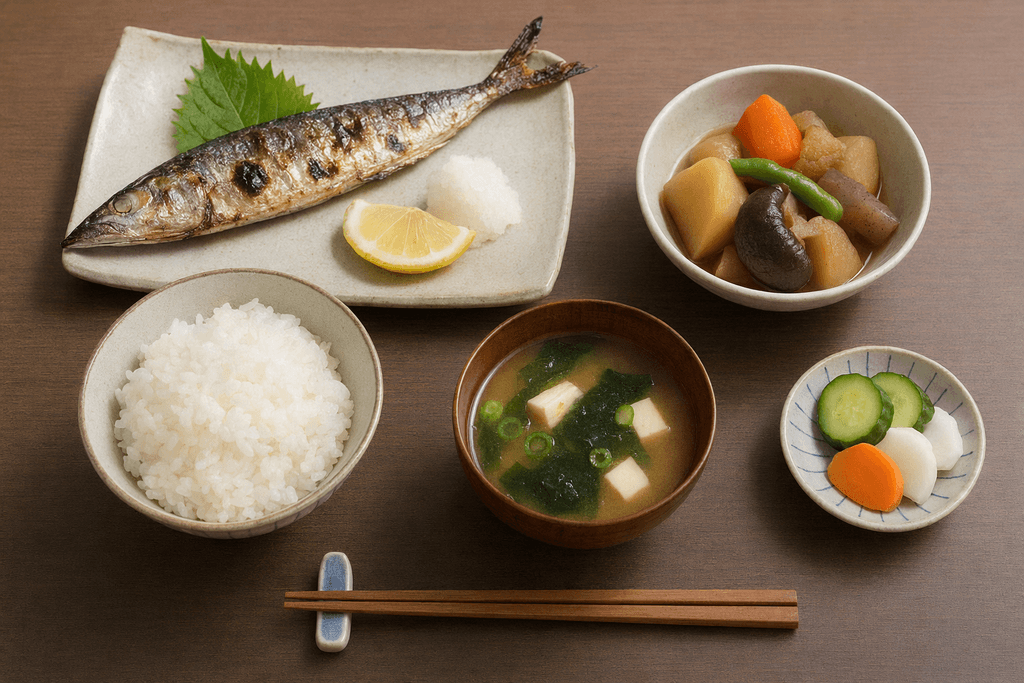
おかず
ව්යංජන
おかず
ව්යංජන
Explanation
ව්යංජන
おかず
අතුරු ව්යංජනය/ආහාරයට එක් කරන පැත්ත ආහාරයක් / (සංගීත) ඩ්රම්ස් ෆිල්-ඉන්/අතුරු තාල කොටස / (ස්ලැංග්) ස්වයංමෛථුන සඳහා යොදාගන්නා දර්ශන/ද්රව්ය
( romanization )
永い
දිගුකාලීන
永い
දිගුකාලීන
Explanation
永い
දිගුකාලීන
永い
දිගු කාලයක් පවතින / දිගු කාලීන / චිරස්ථායි

Word Forms
The basic and commonly used forms of this adjective.
Basic forms
| Form | Word form | Usage |
|---|---|---|
| Imperfective form (mizenkei) |
Alternative:
長かろ
|
Used in forms such as karou; mainly literary. |
| Continuative form (renyokei) |
Alternative:
長く
永かっ
長かっ
|
Used in forms such as kute and kunai. |
| Conclusive form (shushikei) |
Alternative:
長い
|
Ends a sentence. |
| Attributive form (rentaikei) |
Alternative:
長い
|
Modifies a noun. |
| Conditional form (kateikei) |
Alternative:
長けれ
|
Expresses a condition with kereba. |
| Imperative form (meireikei) |
Alternative:
長かれ
|
Rarely used in modern Japanese. |
Common forms
| Form | Word form | Usage |
|---|---|---|
| Te-form |
Alternative:
長くて
|
Connects clauses with kute. |
| Ta-form |
Alternative:
長かった
|
Expresses the past with katta. |
| Nai-form |
Alternative:
長くない
|
Expresses negation with kunai. |
| Ba-form |
Alternative:
長ければ
|
Expresses a condition with kereba. |
Notes
湧く
උල්පතින් ගලනවා / පැන නගිනවා
湧く
උල්පතින් ගලනවා / පැන නගිනවා
Explanation
湧く
උල්පතින් ගලනවා / පැන නගිනවා
湧く
(දිය හෝ හැඟීම් වැනි දේ) උල්ලා නැගීම; ගොඩ නැගීම / (අදහස්/ප්රශ්න/කමෙනට්/ජනාකීර්ති) ඇතිවීම; මතු වීම; හදිසියේ පැන නැගීම / (කීට/පණු වැනි දේ) බොහෝ වශයෙන් පැන නඟිමින් පැතිරීම; ආක්රමණය වීම

Word Forms
The basic and commonly used forms of this verb.
Basic forms
| Form | Word form | Usage |
|---|---|---|
| Imperfective form (mizenkei) |
Alternative:
湧こ
|
Connects to endings such as nai, reru, and seru. |
| Continuative form (renyokei) | Connects to endings such as masu, tai, and ta. | |
| Conclusive form (shushikei) | Ends a sentence and serves as the dictionary form. | |
| Attributive form (rentaikei) | Modifies a noun. | |
| Conditional form (kateikei) | Combines with ba to express a condition. | |
| Imperative form (meireikei) | Expresses a command or instruction. |
Common forms
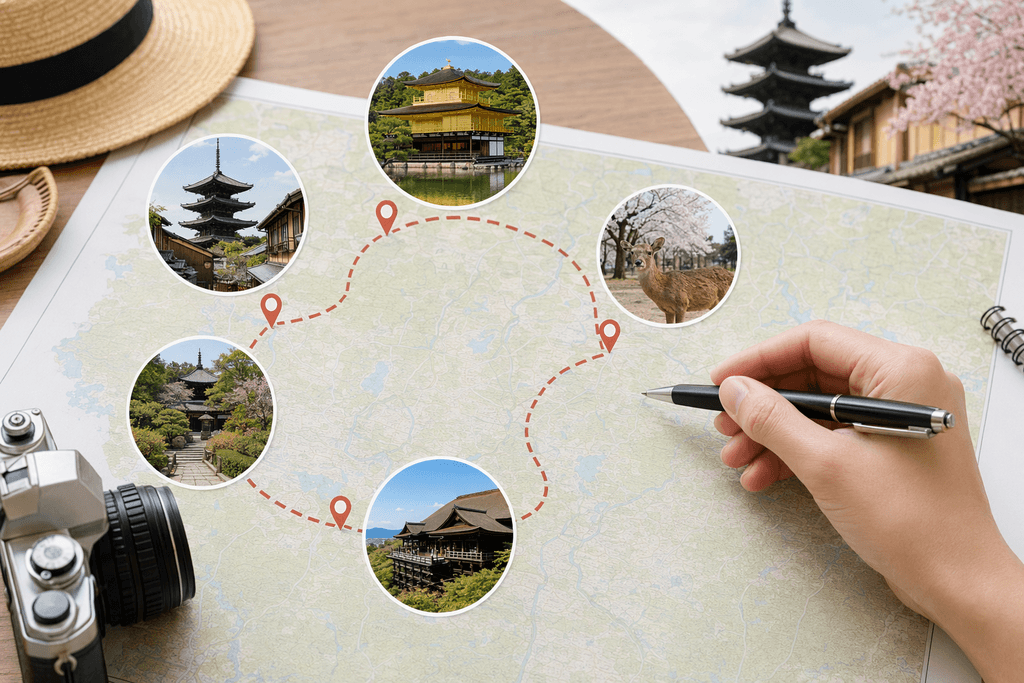
コース
පාඨමාලාව / ගමන් මඟ
コース
පාඨමාලාව / ගමන් මඟ
Explanation
පාඨමාලාව / ගමන් මඟ
コース
ගමන්මාර්ගය / සංචාර සැලැස්ම / ආහාර පිඟන් අනුපිළිවෙල (කෝස් එක) / රේස් පථය / ධාවන පථය
( romanization )
ひっくり返る
පෙරළෙනවා
ひっくり返る
පෙරළෙනවා
Explanation
ひっくり返る
පෙරළෙනවා
ひっくり返る
උඩු යටී වීම / පෙරළී යාම / කලබල වී (අවපීඩනයට) පත්වීම

Word Forms
The basic and commonly used forms of this verb.
Basic forms
| Form | Word form | Usage |
|---|---|---|
| Imperfective form (mizenkei) |
Alternative:
引っくり返ら
引っ繰り返ら
ひっくりかえら
|
Connects to endings such as nai, reru, and seru. |
| Continuative form (renyokei) |
Alternative:
引っくり返り
引っ繰り返り
ひっくりかえり
|
Connects to endings such as masu, tai, and ta. |
| Conclusive form (shushikei) |
Alternative:
引っくり返る
引っ繰り返る
ひっくりかえる
|
Ends a sentence and serves as the dictionary form. |
| Attributive form (rentaikei) |
Alternative:
引っくり返る
引っ繰り返る
ひっくりかえる
|
Modifies a noun. |
| Conditional form (kateikei) |
Alternative:
引っくり返れ
引っ繰り返れ
ひっくりかえれ
|
Combines with ba to express a condition. |
| Imperative form (meireikei) |
Alternative:
引っくり返れ
引っ繰り返れ
ひっくりかえれ
|
Expresses a command or instruction. |
Common forms
| Form | Word form | Usage |
|---|---|---|
| Te-form |
Alternative:
引っくり返って
引っ繰り返って
ひっくりかえって
|
Connects clauses with te. |
| Ta-form |
Alternative:
引っくり返った
引っ繰り返った
ひっくりかえった
|
Expresses the past with ta. |
| Nai-form |
Alternative:
引っくり返らない
引っ繰り返らない
ひっくりかえらない
|
Expresses negation with nai. |
| Masu-form |
Alternative:
引っくり返ります
引っ繰り返ります
ひっくりかえります
|
Used for polite speech. |
| Ba-form |
Alternative:
引っくり返れば
引っ繰り返れば
ひっくりかえれば
|
Expresses a condition with ba. |
| Volitional form |
Alternative:
引っくり返ろう
引っ繰り返ろう
ひっくりかえろう
|
Expresses intention or invitation. |
Notes
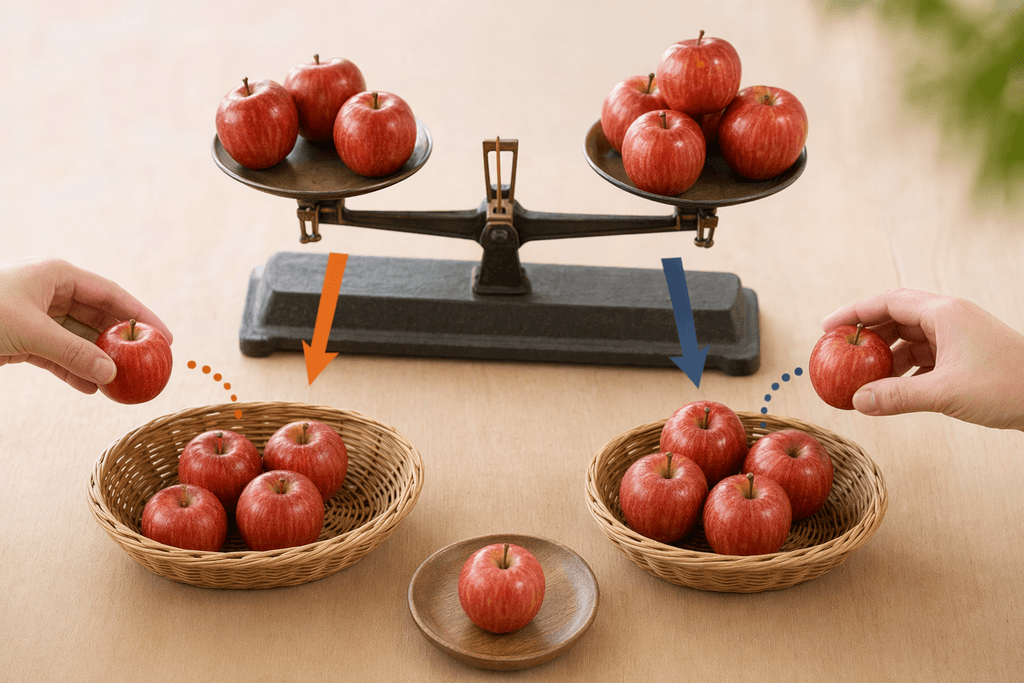
四捨五入
වටයීම
四捨五入
වටයීම
Explanation
四捨五入
වටයීම
四捨五入
සමීපතම සංඛ්යාවට රවුම් කිරීම / දශමය 0.5 සහිතව ඉහළට/0.4 දක්වා පහළට කර රවුම් කිරීම
( Base form )
( romanization )
( hiragana )
Loading...

JLPT N2 多言語単語帳・1790語 / JLPT N2 Multilingual Vocabulary: 1790 Words

Jonathan Waller 氏の JLPT Resources の語彙リスト・レベル分類を出典とし、CC BY の条件に従って DiQt が学習者向けに意味を作り直した1790語の単語帳です。JLPT公式の語彙リストではありません。
This collection of 1790 words is based on the vocabulary list and level classifications in Jonathan Waller’s JLPT Resources under CC BY, with meanings rewritten by DiQt for learners. It is not an official JLPT vocabulary list.
Key Operations
Select the first quiz:
Ctrl + Enter
View Explanation:Ctrl + G
Close a feedback:Esc
When selecting a quiz
Answer:Enter
Select a choice:↓ or ↑
Reading out the question:Ctrl + K
View Hint: Ctrl + M
I don't know: Ctrl + Y



