
JLPT N2 වචන අර්ථ පුහුණුව - Unsolved

පිළිතුරු විකල්ප හතරක් ඇති ප්රශ්න මඟින් JLPT N2 වචන 1790ක අර්ථ සිංහලෙන් ඉගෙන ගන්න.
-
රූපසටහන
-
වාරය
-
ලේලිය
-
යාම් ඒම් ගමන
-
පිස්තෝලය
-
සුදු කෙස්
-
කේන්ද්රස්ථානය
-
දවල් ආහාරය
-
වගා කළ හැකි ඉඩම
-
තුඩුව
-
ගඩොල
-
යකඩ පාලම
-
ලුහුබඳිනවා
-
වාෂ්පයෙන් තම්බනවා / තෙත් රස්නෙ දැනෙනවා
-
දැනෙනවා
-
කබල
-
වැඩිවීම
-
මාලය
-
සුවිශේෂී
-
දුර්ලභ
-
නොමිලේ / සීමා රහිත
-
ගිණුමකට මුදල් ගෙවනවා
-
පසෙකට යනවා
-
එකතු කර තබනවා
- 「論じる」は同義の上一段活用形として広く用いられるため、一部の基本形・派生形の variants に含めた。
-
කාලය ගතවීම
-
විද්යාත්මක නියමය / රීතිය
-
ශීඝ්ර තැපෑල
-
එක් පැත්තකට ඇල වෙනවා / පක්ෂග්රාහී වෙනවා
-
පිටතට යනවා
-
බීජ වපුරනවා
消化
ජීර්ණය
消化
ජීර්ණය
Explanation
消化
ජීර්ණය
消化
ජීර්ණය / ශරීරයට අවශෝෂණය / පරිභෝජනය

( Base form )
( romanization )
( romanization )
( hiragana historical )
( hiragana )
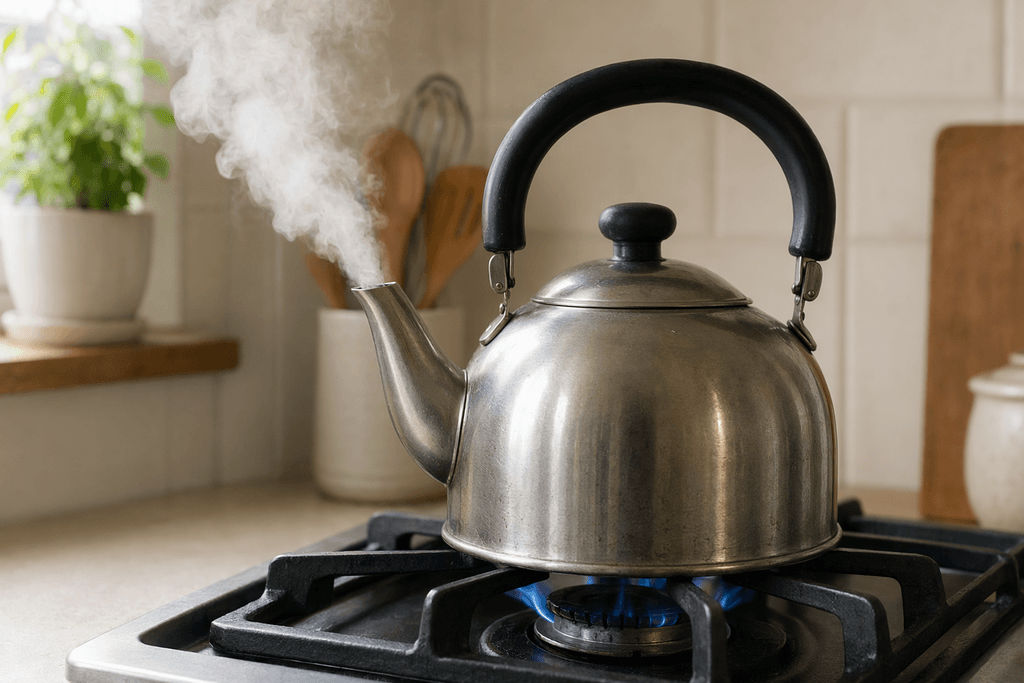
やかん
කේතලය
やかん
කේතලය
Explanation
කේතලය
やかん
කේතලය / තේකේතලය / ජල උණුකරන බඳුන
( Base form )
( Base form )
( romanization )
( romanization )
( romanization )
( kyūjitai )
( CJK )
( CJK )
( hiragana historical )
( hiragana )
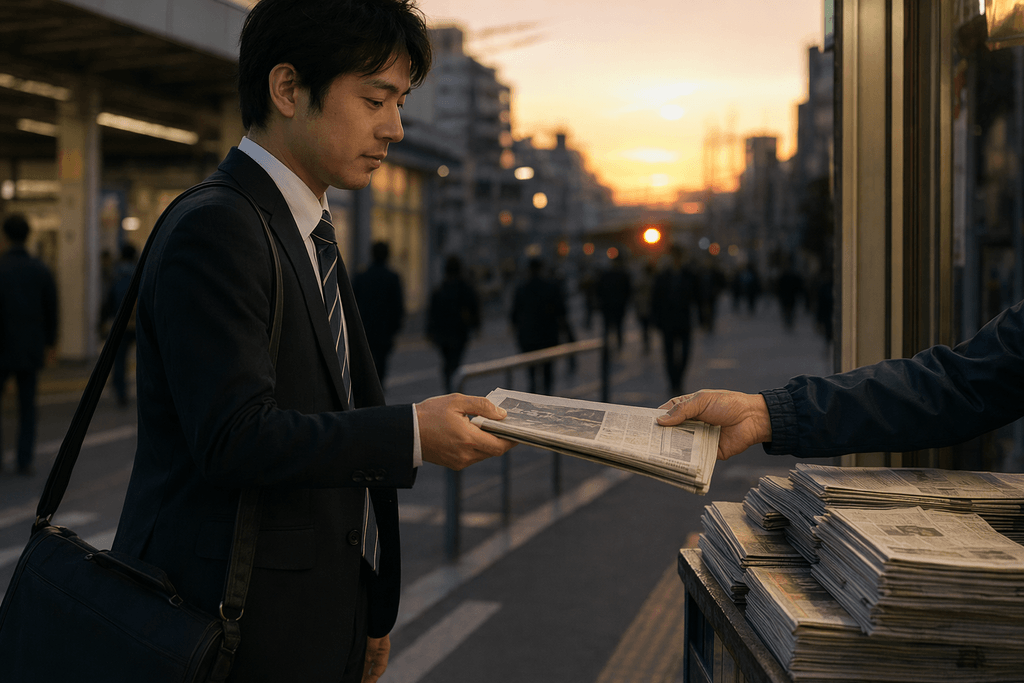
夕刊
සවස පුවත්පත
夕刊
සවස පුවත්පත
Explanation
夕刊
සවස පුවත්පත
夕刊
සවස නිකුත් කරන පුවත්පත / සවස පුවත්පත
( Base form )
( romanization )
( romanization )
( counter )
( hiragana historical )
( hiragana )
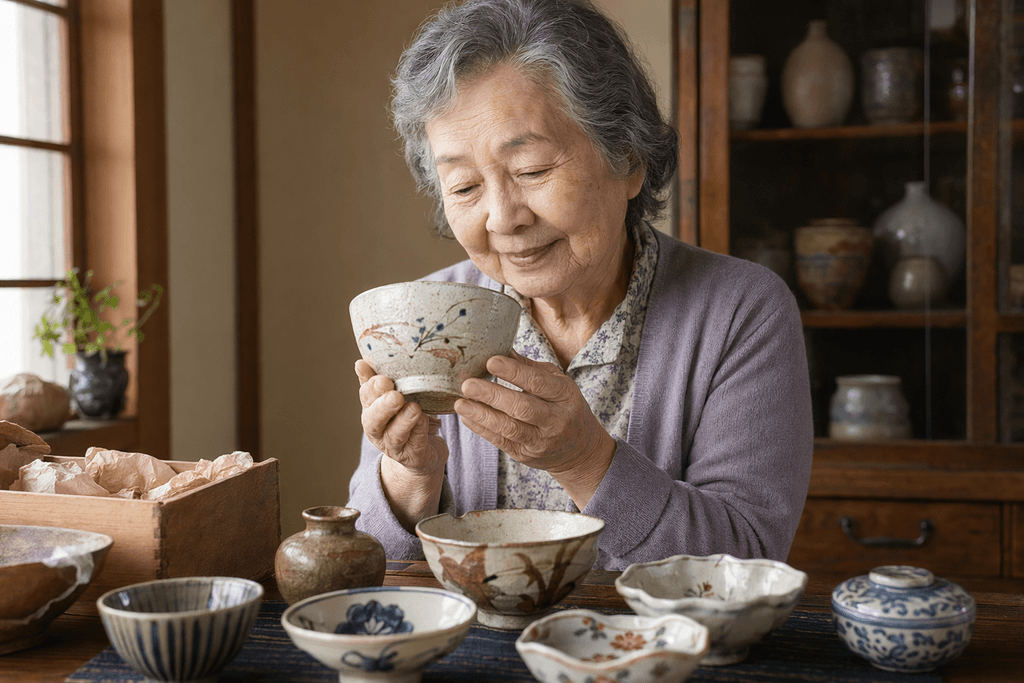
瀬戸物
පිඟන් මැටි භාණ්ඩ
瀬戸物
පිඟන් මැටි භාණ්ඩ
Explanation
瀬戸物
පිඟන් මැටි භාණ්ඩ
瀬戸物
මැටි භාණ්ඩ / චයිනා භාණ්ඩ (සෙරැමික් පෝර්සලින්) / පෝර්සලින්/චයිනා වර්ගයේ බඳුන්
( Base form )
( romanization )
( hiragana )
刻む
සිහින්ව කපනවා / කොටනවා
刻む
සිහින්ව කපනවා / කොටනවා
Explanation
刻む
සිහින්ව කපනවා / කොටනවා
刻む
කපලා කුඩා කුඩා කොටස් බවට කිරීම; මිනිස් කිරීම / කැටයම් කිරීම; කැපී ඇඳීම / (වේලාව) ටික් ටික් ලෙස ගත වීම; වේලාව සටහන් කිරීම

Word Forms
The basic and commonly used forms of this verb.
Basic forms
| Form | Word form | Usage |
|---|---|---|
| Imperfective form (mizenkei) | Connects to endings such as nai, reru, and seru. | |
| Continuative form (renyokei) | Connects to endings such as masu, tai, and ta. | |
| Conclusive form (shushikei) | Ends a sentence and serves as the dictionary form. | |
| Attributive form (rentaikei) | Modifies a noun. | |
| Conditional form (kateikei) | Combines with ba to express a condition. | |
| Imperative form (meireikei) | Expresses a command or instruction. |
Common forms
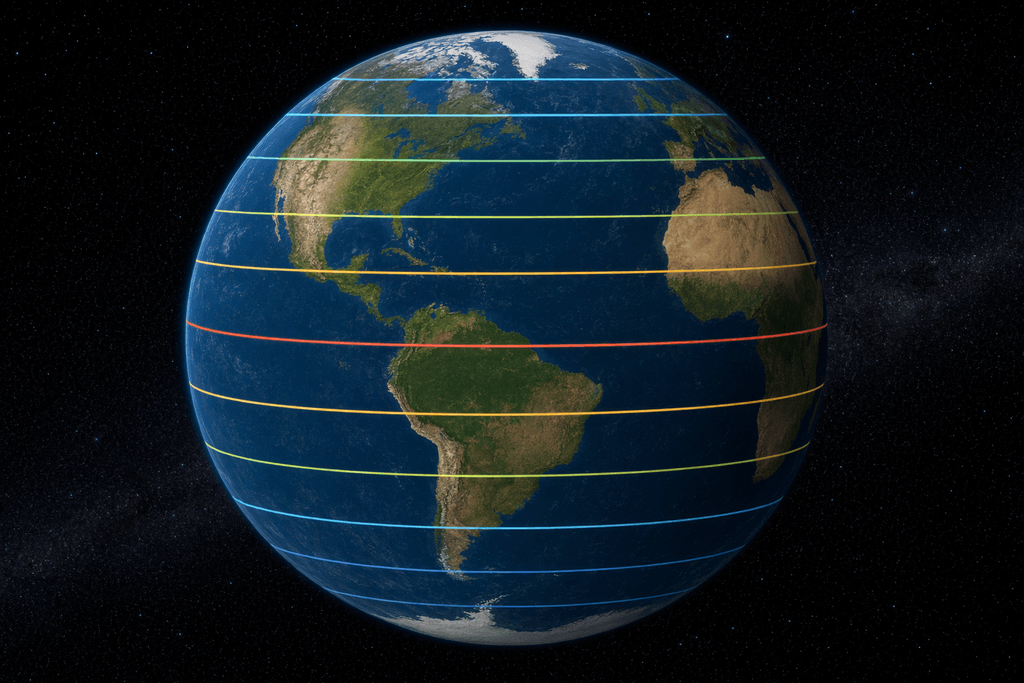
緯度
අක්ෂාංශය
緯度
අක්ෂාංශය
Explanation
緯度
අක්ෂාංශය
緯度
අක්ෂාංශය / අක්ෂාංශ දුර
( Base form )
( romanization )
( romanization )
( hiragana historical )
( hiragana )
消極的
නිෂ්ක්රිය / උනන්දුවක් නැති
消極的
නිෂ්ක්රිය / උනන්දුවක් නැති
Explanation
消極的
නිෂ්ක්රිය / උනන්දුවක් නැති
消極的
නිෂ්ක්රිය / අකැමැත්තෙන්/අර්ධමනස්කව කරන / ඍණාත්මක

Word Forms
The basic and commonly used forms of this adjectival noun.
Basic forms
| Form | Word form | Usage |
|---|---|---|
| Imperfective form (mizenkei) |
Alternative:
消極的でしょ
|
Used in forms such as darou. |
| Continuative form (renyokei) |
Alternative:
消極的に
消極的だっ
|
Used with de or ni. |
| Conclusive form (shushikei) | Ends a sentence with da. | |
| Attributive form (rentaikei) | Modifies a noun with na. | |
| Conditional form (kateikei) |
Alternative:
消極的であれば
|
Expresses a condition with nara. |
| Imperative form (meireikei) | Used in formal expressions such as de are. |
Common forms
論ずる
සාකච්ඡා කරනවා / තර්ක කරනවා
論ずる
සාකච්ඡා කරනවා / තර්ක කරනවා
Explanation
論ずる
සාකච්ඡා කරනවා / තර්ක කරනවා
論ずる
තර්ක කිරීම / විවාද කිරීම / සංවාදයෙන් සාකච්ඡා කිරීම

Word Forms
The basic and commonly used forms of this verb.
Basic forms
| Form | Word form | Usage |
|---|---|---|
| Imperfective form (mizenkei) |
Alternative:
論ぜ
|
Connects to endings such as nai, reru, and seru. |
| Continuative form (renyokei) | Connects to endings such as masu, tai, and ta. | |
| Conclusive form (shushikei) |
Alternative:
論じる
|
Ends a sentence and serves as the dictionary form. |
| Attributive form (rentaikei) |
Alternative:
論じる
|
Modifies a noun. |
| Conditional form (kateikei) |
Alternative:
論じれ
|
Combines with ba to express a condition. |
| Imperative form (meireikei) |
Alternative:
論じよ
論ぜよ
|
Expresses a command or instruction. |
Common forms
| Form | Word form | Usage |
|---|---|---|
| Te-form | Connects clauses with te. | |
| Ta-form | Expresses the past with ta. | |
| Nai-form | Expresses negation with nai. | |
| Masu-form | Used for polite speech. | |
| Ba-form |
Alternative:
論じれば
|
Expresses a condition with ba. |
| Volitional form | Expresses intention or invitation. |
Notes
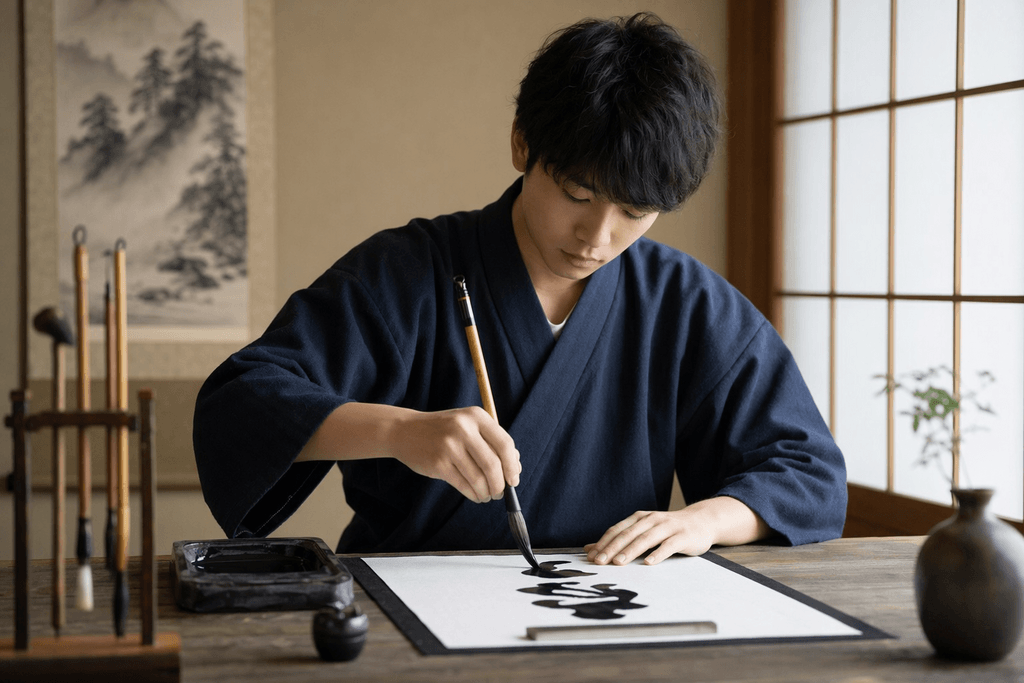
書道
අක්ෂර කලාව
書道
අක්ෂර කලාව
Explanation
書道
අක්ෂර කලාව
書道
ජපන් අක්ෂරලේඛනය / අත්ලිපි කලා / තූනෙන් ලියන ලිවීමේ කලාව
( Base form )
( romanization )
( romanization )
( hiragana historical )
( hiragana )
散らかる
අවුල්ව තිබෙනවා
散らかる
අවුල්ව තිබෙනවා
Explanation
散らかる
අවුල්ව තිබෙනවා
散らかる
අවුල්වී පැතිරී තිබෙනවා / වෙව්මෙන් මෙව්මෙන් විසිරී තිබෙනවා / පැතිරී අසංවිධානයෙන් තිබෙනවා

Word Forms
The basic and commonly used forms of this verb.
Basic forms
| Form | Word form | Usage |
|---|---|---|
| Imperfective form (mizenkei) |
Alternative:
散らかろ
|
Connects to endings such as nai, reru, and seru. |
| Continuative form (renyokei) |
Alternative:
散らかっ
|
Connects to endings such as masu, tai, and ta. |
| Conclusive form (shushikei) | Ends a sentence and serves as the dictionary form. | |
| Attributive form (rentaikei) | Modifies a noun. | |
| Conditional form (kateikei) | Combines with ba to express a condition. | |
| Imperative form (meireikei) | Expresses a command or instruction. |
Common forms
Loading...

JLPT N2 多言語単語帳・1790語 / JLPT N2 Multilingual Vocabulary: 1790 Words

Jonathan Waller 氏の JLPT Resources の語彙リスト・レベル分類を出典とし、CC BY の条件に従って DiQt が学習者向けに意味を作り直した1790語の単語帳です。JLPT公式の語彙リストではありません。
This collection of 1790 words is based on the vocabulary list and level classifications in Jonathan Waller’s JLPT Resources under CC BY, with meanings rewritten by DiQt for learners. It is not an official JLPT vocabulary list.
Key Operations
Select the first quiz:
Ctrl + Enter
View Explanation:Ctrl + G
Close a feedback:Esc
When selecting a quiz
Answer:Enter
Select a choice:↓ or ↑
Reading out the question:Ctrl + K
View Hint: Ctrl + M
I don't know: Ctrl + Y



