
JLPT N2 වචන අර්ථ පුහුණුව - Unsolved

පිළිතුරු විකල්ප හතරක් ඇති ප්රශ්න මඟින් JLPT N2 වචන 1790ක අර්ථ සිංහලෙන් ඉගෙන ගන්න.
-
පදික ගමනාගමනය
-
පොරොත්තු කාමරය
-
විකුණුම් ආදායම
-
පාසලක ඉගෙනුම ලැබීම
-
බර
-
වැඩට යාම
-
දිගු උඩ කබාය
-
රජතුමා
-
දෝංකාරය
-
නිම වෙනවා
-
වැඩි කරනවා
-
බර කරනවා / පරිමාව මනිනවා
-
ව්යාපාර වසා තැබීම
-
සවස පුවත්පත
-
ගල් අඟුරු පතල
-
අඩු කිරීම
-
සංගමය / වෘත්තය
-
ජයග්රහණය / මෙහෙවර
-
ගැටෙනවා
-
ඉල්ලා සිටිනවා / යාදිනවා
-
දියරයක දිය කරනවා
- 「見る」と同じ上一段活用。医療・診察の文脈で用いる。
-
ප්රාදේශීය විශේෂ නිෂ්පාදනය
-
මුල සිට අගට එක් වරක් / දළ වශයෙන්
-
පිළිස්සුම් තුවාලය
-
එකතු වෙනවා
-
දැනෙනවා
-
ඉරෙනවා
- 五段活用(ラ行)。「めぐる」と読む。
- 「〜を巡る/〜を巡って」の形で「〜に関係する・〜を中心とする」の意味でも用いられる。
-
සන්සුන්කම
-
හරිතාගාරය
-
ගැඹුරු හැඟීම්බර බව
定休日
නිතිපතා වසා තබන දිනය
定休日
නිතිපතා වසා තබන දිනය
Explanation
定休日
නිතිපතා වසා තබන දිනය
定休日
නියමිත වසා තැබෙන දිනය / නිත්ය නිවාඩු දිනය / ස්ථිර විවේක දිනය

( Base form )
( romanization )
( hiragana )
車輪
රෝදය
車輪
රෝදය
Explanation
車輪
රෝදය
車輪
රෝදය / වාහන රෝදය / චක්රය

( Base form )
( romanization )
( hiragana )
子孫
පරම්පරාව
子孫
පරම්පරාව
Explanation
子孫
පරම්පරාව
子孫
පරම්පරාව (දරුවන් හා ඔවුන්ගේ දරුවන්) / වංශජයා / පරපුර

( Base form )
( romanization )
( hiragana )
妨げる
බාධා කරනවා / වළක්වනවා
妨げる
බාධා කරනවා / වළක්වනවා
Explanation
妨げる
බාධා කරනවා / වළක්වනවා
妨げる
බාධා කරනවා / අවහිර කරනවා / වැළැක්වෙනවා

Word Forms
The basic and commonly used forms of this verb.
Basic forms
| Form | Word form | Usage |
|---|---|---|
| Imperfective form (mizenkei) | Connects to endings such as nai, reru, and seru. | |
| Continuative form (renyokei) | Connects to endings such as masu, tai, and ta. | |
| Conclusive form (shushikei) | Ends a sentence and serves as the dictionary form. | |
| Attributive form (rentaikei) | Modifies a noun. | |
| Conditional form (kateikei) | Combines with ba to express a condition. | |
| Imperative form (meireikei) |
Alternative:
妨げよ
|
Expresses a command or instruction. |
Common forms
目安
දළ මිනුම් දණ්ඩ
目安
දළ මිනුම් දණ්ඩ
Explanation
目安
දළ මිනුම් දණ්ඩ
目安
නිර්ණායකය / ප්රමිතිය / සඳහන් ලකුණ / යොමුව / ඇස්තමේන්තු දර්ශකය (සමාන්ය අදහස)

( Base form )
( romanization )
( hiragana )
スチュワーデス
ගුවන් සේවිකාව
スチュワーデス
ගුවන් සේවිකාව
Explanation
ගුවන් සේවිකාව
スチュワーデス
(ගුවන් යානයේ) කාන්තා සේවිකාව / ගුවන් සේවිකාව (කාන්තාව) / ස්ටුවාඩෙස්

( romanization )
診る
වෛද්ය පරීක්ෂාව කරනවා
診る
වෛද්ය පරීක්ෂාව කරනවා
Explanation
診る
වෛද්ය පරීක්ෂාව කරනවා
診る
(වෛද්ය) පරීක්ෂා කිරීම / රෝගීයා පරීක්ෂා කර බැලීම / වෛද්ය ලෙස නිරීක්ෂණය කිරීම

Word Forms
The basic and commonly used forms of this verb.
Basic forms
| Form | Word form | Usage |
|---|---|---|
| Imperfective form (mizenkei) | Connects to endings such as nai, reru, and seru. | |
| Continuative form (renyokei) | Connects to endings such as masu, tai, and ta. | |
| Conclusive form (shushikei) | Ends a sentence and serves as the dictionary form. | |
| Attributive form (rentaikei) | Modifies a noun. | |
| Conditional form (kateikei) | Combines with ba to express a condition. | |
| Imperative form (meireikei) |
Alternative:
診よ
|
Expresses a command or instruction. |
Common forms
| Form | Word form | Usage |
|---|---|---|
| Te-form | Connects clauses with te. | |
| Ta-form | Expresses the past with ta. | |
| Nai-form | Expresses negation with nai. | |
| Masu-form | Used for polite speech. | |
| Ba-form | Expresses a condition with ba. | |
| Volitional form | Expresses intention or invitation. |
Notes
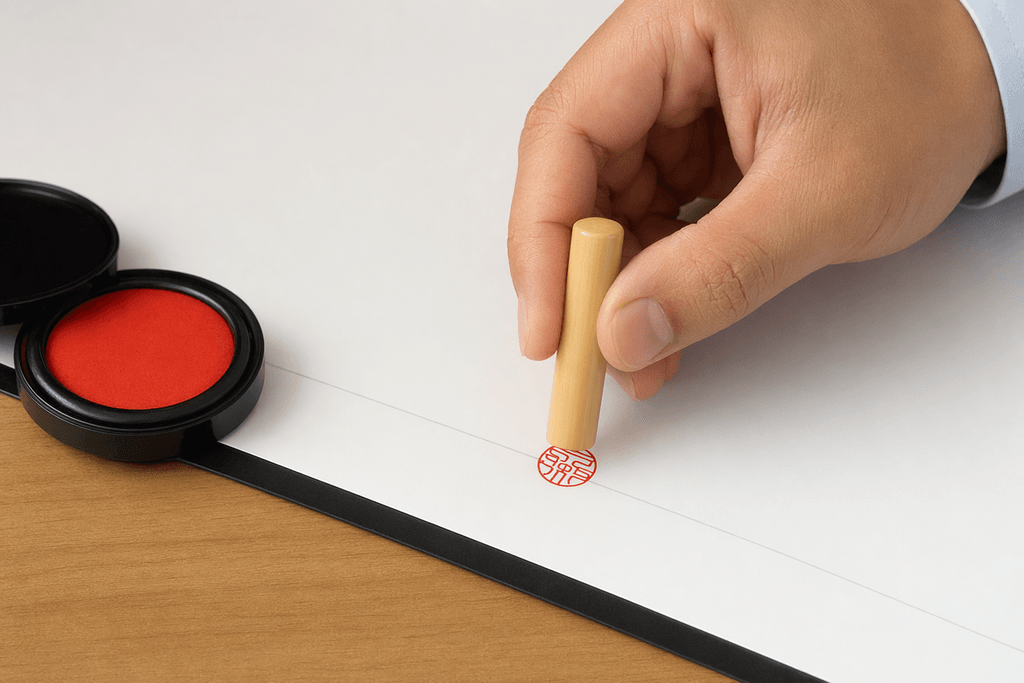
判子
පෞද්ගලික මුද්රාව
判子
පෞද්ගලික මුද්රාව
Explanation
判子
පෞද්ගලික මුද්රාව
判子
මුද්රාව (අත්සනට භාවිත කරන) / මුද්රා තැබීමේ සීල්/මුද්රාකාරය
( Base form )
( romanization )
( hiragana )
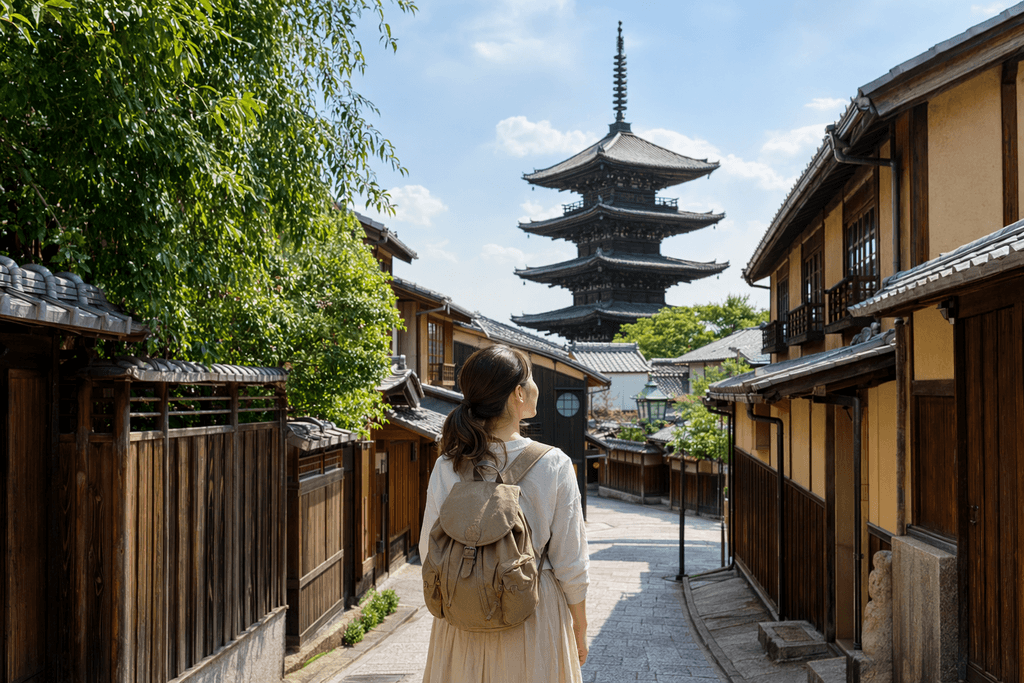
巡る
වටේ යනවා / අදාළ වෙනවා
巡る
වටේ යනවා / අදාළ වෙනවා
Explanation
巡る
වටේ යනවා / අදාළ වෙනවා
巡る
වටේ යාම/සංචාරය කිරීම / වටලා සිටීම; වටකුරු වීම / නැවත පැමිණීම හෝ නැවත නැවත සිදුවීම; (… ගැන) සම්බන්ධ වීම
Word Forms
The basic and commonly used forms of this verb.
Basic forms
| Form | Word form | Usage |
|---|---|---|
| Imperfective form (mizenkei) |
Alternative:
巡ろ
|
Connects to endings such as nai, reru, and seru. |
| Continuative form (renyokei) | Connects to endings such as masu, tai, and ta. | |
| Conclusive form (shushikei) | Ends a sentence and serves as the dictionary form. | |
| Attributive form (rentaikei) | Modifies a noun. | |
| Conditional form (kateikei) | Combines with ba to express a condition. | |
| Imperative form (meireikei) | Expresses a command or instruction. |
Common forms
| Form | Word form | Usage |
|---|---|---|
| Te-form | Connects clauses with te. | |
| Ta-form | Expresses the past with ta. | |
| Nai-form | Expresses negation with nai. | |
| Masu-form | Used for polite speech. | |
| Ba-form | Expresses a condition with ba. | |
| Volitional form | Expresses intention or invitation. |
Notes
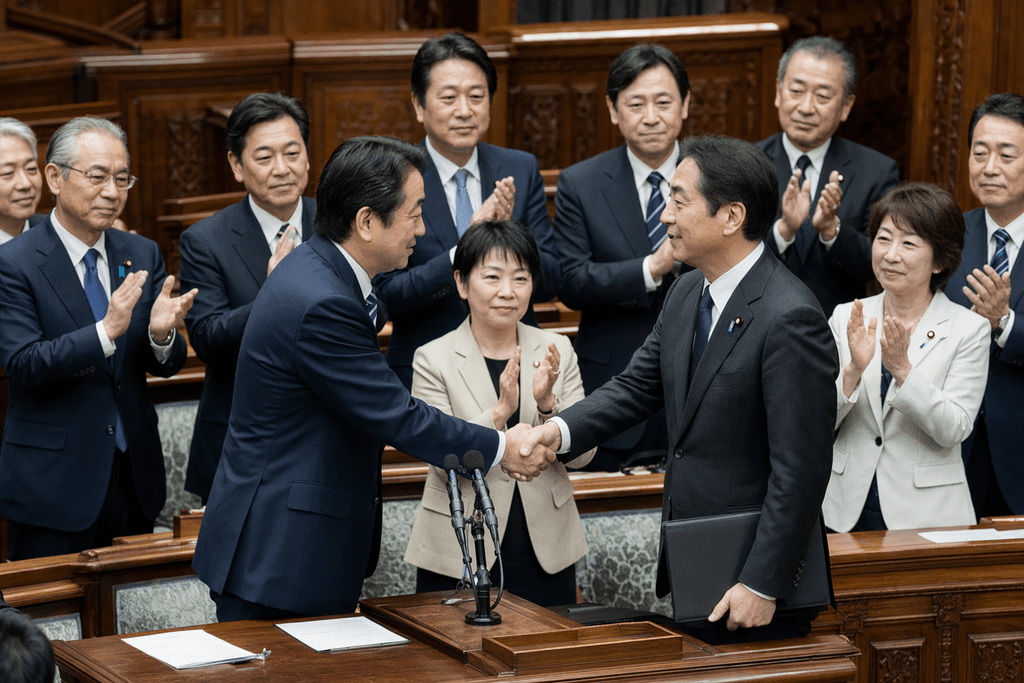
成立
ස්ථාපනය / එකඟතාවකට පැමිණීම
成立
ස්ථාපනය / එකඟතාවකට පැමිණීම
Explanation
成立
ස්ථාපනය / එකඟතාවකට පැමිණීම
成立
ස්ථාපනය වීම; ගොඩනැගීම / පනතක් සම්මත වීම; ගනුදෙනුවක් නිමවීම / ක්රියාත්මක වීම; පවතිමට පැමිණීම
( Base form )
( romanization )
( hiragana )
Loading...

JLPT N2 多言語単語帳・1790語 / JLPT N2 Multilingual Vocabulary: 1790 Words

Jonathan Waller 氏の JLPT Resources の語彙リスト・レベル分類を出典とし、CC BY の条件に従って DiQt が学習者向けに意味を作り直した1790語の単語帳です。JLPT公式の語彙リストではありません。
This collection of 1790 words is based on the vocabulary list and level classifications in Jonathan Waller’s JLPT Resources under CC BY, with meanings rewritten by DiQt for learners. It is not an official JLPT vocabulary list.
Key Operations
Select the first quiz:
Ctrl + Enter
View Explanation:Ctrl + G
Close a feedback:Esc
When selecting a quiz
Answer:Enter
Select a choice:↓ or ↑
Reading out the question:Ctrl + K
View Hint: Ctrl + M
I don't know: Ctrl + Y



