
JLPT N2 වචන අර්ථ පුහුණුව - Unsolved

පිළිතුරු විකල්ප හතරක් ඇති ප්රශ්න මඟින් JLPT N2 වචන 1790ක අර්ථ සිංහලෙන් ඉගෙන ගන්න.
-
ඉලක්ක කරනවා
-
ජනප්රිය වෙනවා / විලාසිතාවක් වෙනවා
-
කොටස්වලට බෙදනවා
-
එක්රැස් වීම / කුලකය
-
බිරිඳ
-
පන්ති කාලසටහන
-
අතර හිර වෙනවා
-
විසුරුවනවා / ඉසිනවා
-
හිර වෙනවා / පිරී තිබෙනවා
- 「信ずる」は現代語では「信じる」とも用いられる。
- 未然形「信ぜ」は「信ぜず」「信ぜられる」などで見られる。
-
සංඛ්යාලේඛන
-
තීරුව / පිරවීමේ කොටුව
-
තමන්ට වඩා උසස් අය
-
කියා පානවා / පෙන්වා දෙනවා
-
හඬ ගසා කතා කරනවා / ආයාචනා කරනවා
-
ඇතුළු කරනවා
-
එක් දිශාවක ගමන
-
ගුරුත්වාකර්ෂණය
-
රැකියාවට යාම් ඊම්
-
වෘත්ත පරිධිය
-
සම්භාව්ය කෘති
-
අත් සේදීම / වැසිකිළිය
-
මිරිදිය
-
නියමිත මිල
-
සරල ධාරාව
-
බාහිර පෙනුම
-
ලකුණු
-
බහුතරය
-
ගබඩා කාමරය
-
රජතුමා
-
ව්යවහාර මුදල්
深まる
ගැඹුරු වෙනවා
深まる
ගැඹුරු වෙනවා
Explanation
深まる
ගැඹුරු වෙනවා
深まる
ගැඹුරු වීම / තීව්ර වීම / වැඩි වීම

Word Forms
The basic and commonly used forms of this verb.
Basic forms
| Form | Word form | Usage |
|---|---|---|
| Imperfective form (mizenkei) |
Alternative:
深まろ
|
Connects to endings such as nai, reru, and seru. |
| Continuative form (renyokei) | Connects to endings such as masu, tai, and ta. | |
| Conclusive form (shushikei) | Ends a sentence and serves as the dictionary form. | |
| Attributive form (rentaikei) | Modifies a noun. | |
| Conditional form (kateikei) | Combines with ba to express a condition. | |
| Imperative form (meireikei) | Expresses a command or instruction. |
Common forms
通貨
ව්යවහාර මුදල්
通貨
ව්යවහාර මුදල්
Explanation
通貨
ව්යවහාර මුදල්
通貨
මුදල් ඒකකය / විනිමය මුදල් / නැණැති භාවිත වන මුදල් වර්ගය

( Base form )
( romanization )
( hiragana )
信ずる
විශ්වාස කරනවා / විශ්වාසය තබනවා
信ずる
විශ්වාස කරනවා / විශ්වාසය තබනවා
Explanation
信ずる
විශ්වාස කරනවා / විශ්වාසය තබනවා
信ずる
විශ්වාස කිරීම / ඇදහිල්ල තැබීම / විශ්වාසයෙන් භාරවීම

Word Forms
The basic and commonly used forms of this verb.
Basic forms
| Form | Word form | Usage |
|---|---|---|
| Imperfective form (mizenkei) |
Alternative:
信ぜ
|
Connects to endings such as nai, reru, and seru. |
| Continuative form (renyokei) | Connects to endings such as masu, tai, and ta. | |
| Conclusive form (shushikei) |
Alternative:
信じる
|
Ends a sentence and serves as the dictionary form. |
| Attributive form (rentaikei) |
Alternative:
信じる
|
Modifies a noun. |
| Conditional form (kateikei) |
Alternative:
信じれ
|
Combines with ba to express a condition. |
| Imperative form (meireikei) |
Alternative:
信じよ
信ぜよ
|
Expresses a command or instruction. |
Common forms
| Form | Word form | Usage |
|---|---|---|
| Te-form | Connects clauses with te. | |
| Ta-form | Expresses the past with ta. | |
| Nai-form |
Alternative:
信ぜない
|
Expresses negation with nai. |
| Masu-form | Used for polite speech. | |
| Ba-form |
Alternative:
信じれば
|
Expresses a condition with ba. |
| Volitional form |
Alternative:
信ぜよう
|
Expresses intention or invitation. |
Notes
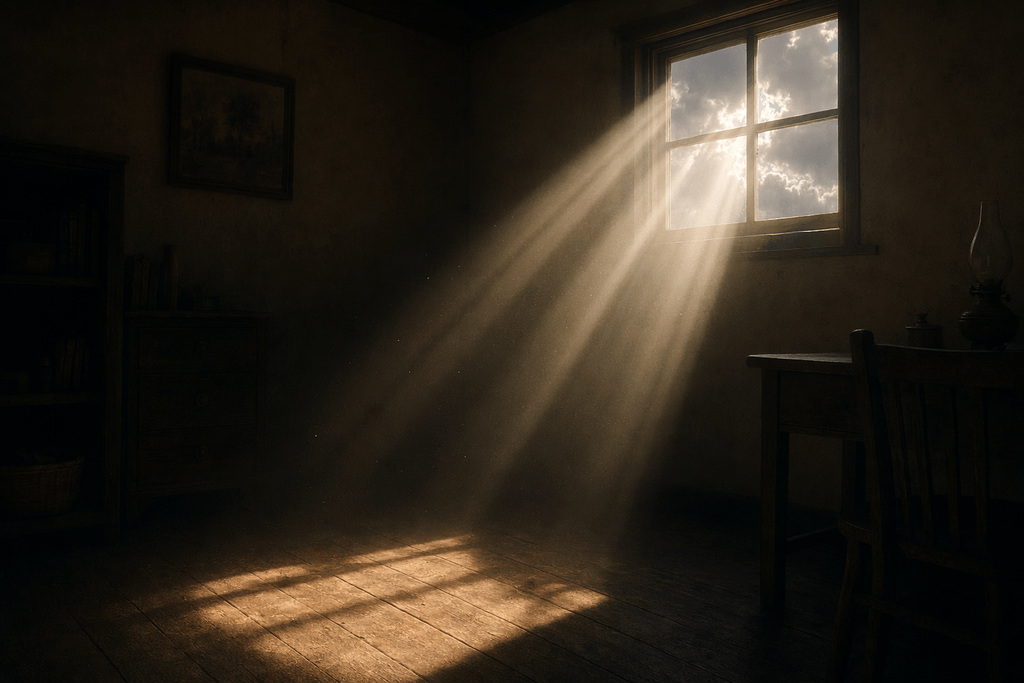
光線
ආලෝක කිරණය
光線
ආලෝක කිරණය
Explanation
光線
ආලෝක කිරණය
光線
ආලෝක කිරණ / ආලෝක රේඛාව / ආලෝක කදම්බය
( Base form )
( romanization )
( hiragana )
透き通る
විනිවිද පෙනෙනවා
透き通る
විනිවිද පෙනෙනවා
Explanation
透き通る
විනිවිද පෙනෙනවා
透き通る
පාරදෘශ්ය වීම / පෙනී යන ලෙස පැහැදිලි වීම / අතරින් දකින්න පුළුවන් වීම

Word Forms
The basic and commonly used forms of this verb.
Basic forms
| Form | Word form | Usage |
|---|---|---|
| Imperfective form (mizenkei) |
Alternative:
透き通ろ
|
Connects to endings such as nai, reru, and seru. |
| Continuative form (renyokei) | Connects to endings such as masu, tai, and ta. | |
| Conclusive form (shushikei) | Ends a sentence and serves as the dictionary form. | |
| Attributive form (rentaikei) | Modifies a noun. | |
| Conditional form (kateikei) | Combines with ba to express a condition. | |
| Imperative form (meireikei) | Expresses a command or instruction. |
Common forms
寝台
ඇඳ / ගමන් රථ නිදන අසුන
寝台
ඇඳ / ගමන් රථ නිදන අසුන
Explanation
寝台
ඇඳ / ගමන් රථ නිදන අසුන
寝台
ඇඳ / නෞකාවේ/රේල් දුම්රියේ නිදාගැනීමේ තට්ටුව (බර්ත්)

( Base form )
( Base form )
( romanization )
( romanization )
( hiragana )
自然科学
ස්වාභාවික විද්යාව
自然科学
ස්වාභාවික විද්යාව
Explanation
自然科学
ස්වාභාවික විද්යාව
自然科学
ස්වභාවික විද්යාව / ප්රකෘති විද්යාව

( Base form )
( romanization )
( romanization )
( hiragana historical )
( hiragana )
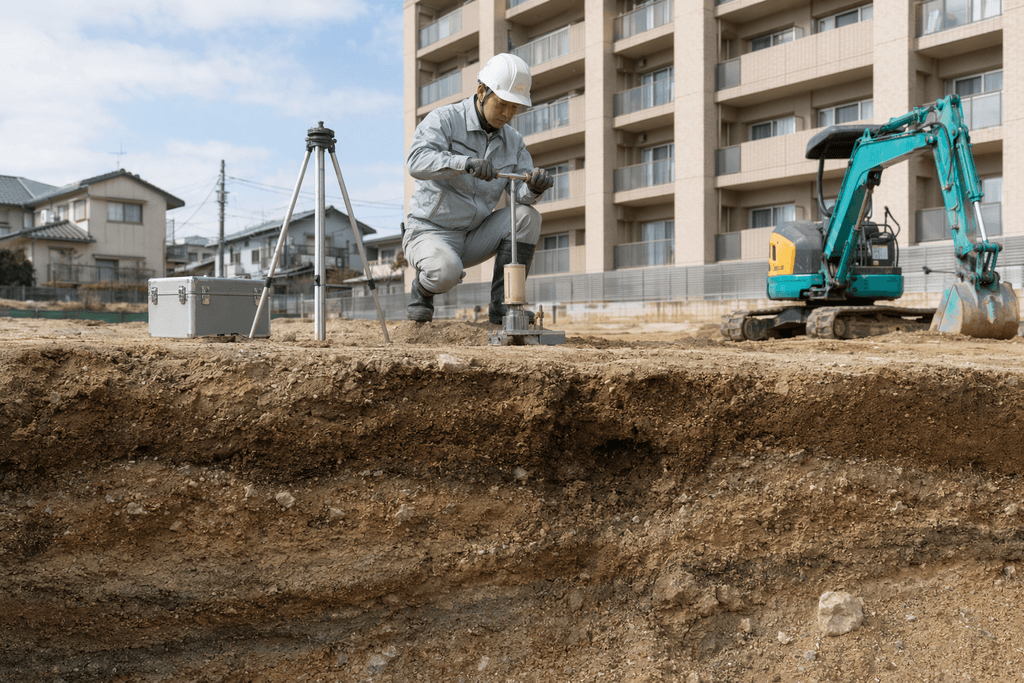
地盤
භූමිය / බල පදනම
地盤
භූමිය / බල පදනම
Explanation
地盤
භූමිය / බල පදනම
地盤
බිම්මට්ටම/බිම් පදනම (මැටි පස) / පදනම/නැගීසිටිමේ පාදකය / දේශපාලන බල පදනම (තම බලකොටුව)
( Base form )
( romanization )
( hiragana )
登場
පෙනී සිටීම
登場
පෙනී සිටීම
Explanation
登場
පෙනී සිටීම
登場
(රඟහල/රංගනයේ) වේදිකාවට ප්රවේශ වීම / පෙනී සිටීම; පෙනී පත් වීම / පැමිණීම; ආගමනය

( Base form )
( romanization )
( romanization )
( hiragana historical )
( hiragana )
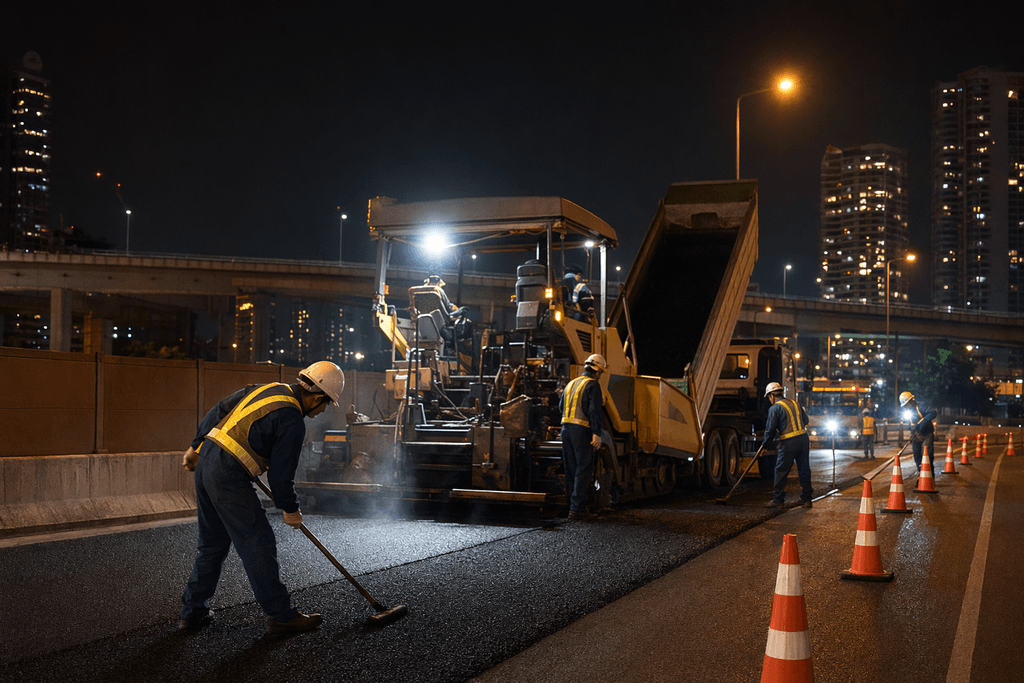
夜間
රාත්රී කාලය
夜間
රාත්රී කාලය
Explanation
夜間
රාත්රී කාලය
夜間
රාත්රික කාලය / රාත්රියේදී / රාත්රිය
( Base form )
( romanization )
( hiragana )
Loading...

JLPT N2 多言語単語帳・1790語 / JLPT N2 Multilingual Vocabulary: 1790 Words

Jonathan Waller 氏の JLPT Resources の語彙リスト・レベル分類を出典とし、CC BY の条件に従って DiQt が学習者向けに意味を作り直した1790語の単語帳です。JLPT公式の語彙リストではありません。
This collection of 1790 words is based on the vocabulary list and level classifications in Jonathan Waller’s JLPT Resources under CC BY, with meanings rewritten by DiQt for learners. It is not an official JLPT vocabulary list.
Key Operations
Select the first quiz:
Ctrl + Enter
View Explanation:Ctrl + G
Close a feedback:Esc
When selecting a quiz
Answer:Enter
Select a choice:↓ or ↑
Reading out the question:Ctrl + K
View Hint: Ctrl + M
I don't know: Ctrl + Y



