
JLPT N2 වචන අර්ථ පුහුණුව - Unsolved

පිළිතුරු විකල්ප හතරක් ඇති ප්රශ්න මඟින් JLPT N2 වචන 1790ක අර්ථ සිංහලෙන් ඉගෙන ගන්න.
-
බෝතල් කිරීම / බෝතල් කළ ආහාර
-
මිනිස් ජීවිතය
-
මුහුදු තැපෑල
-
තාවකාලික / විශේෂ
-
කන්ජි සංයුක්ත පදය / ව්යවහාර ප්රකාශය
-
කෙටි ආහාරය
-
වියළීම / වියළි බව
-
වනාන්තරය
-
සම්පූර්ණ නම
-
ලකුණු
-
නැවතීම / අත්හිටුවීම
-
උපහාසය / දෛවයේ සරදම
-
අරක්කැමියා / කපාටය
-
නිතිපතා වසා තබන දිනය
-
දූපත් දාමය
-
අනවශ්ය ශබ්දය
-
මනඃකල්පිතය
-
චුවිංගම්
-
ප්රමිතිය
-
පාසල් භූමිය
-
ඛනිජය
-
විශ්වාස කරනවා / විශ්වාසය තබනවා
-
අහම්බෙන් පසුකර යනවා
-
ඝන වෙනවා / ස්ථිර වෙනවා
-
කිමිදෙනවා / යටිබිම්ගත වෙනවා
-
ඇල වෙනවා / යොමු වෙනවා
-
පිළිබිඹු වෙනවා / තිරයේ දිස් වෙනවා
- 補助動詞的に他動詞の連用形に付いて「乱雑に〜する」「むやみに〜する」の意を表す用法がある。
-
ක්රියා විශේෂණය
-
අක්ෂරයේ මූල කොටස
-
මැරතන්
メーター
මාපකය
メーター
මාපකය
Explanation
මාපකය
メーター
මීටරය / මිනුම් උපකරණය / මිටර මැනුම් ඒකකය

( romanization )
普及
පුළුල් භාවිතය
普及
පුළුල් භාවිතය
Explanation
普及
පුළුල් භාවිතය
普及
ව්යාප්තිය / ප්රචාරය / සාරවත් කිරීම

( Base form )
( romanization )
( stem )
( Past )
( table-tags )
( inflection-template )
( imperfective stem )
( imperfective stem )
( imperfective )
( continuative stem )
( continuative stem )
( continuative )
( stem terminative )
( stem terminative )
( terminative )
( attributive stem )
( attributive stem )
( attributive )
( hypothetical stem )
( hypothetical stem )
( hypothetical )
( Imperative literary stem )
( colloquial Imperative stem )
( Imperative literary stem )
( colloquial Imperative stem )
( Imperative literary )
( colloquial Imperative )
( Passive voice )
( Passive voice )
( Passive voice )
( causative )
( causative )
( causative )
( causative )
( causative )
( causative )
( potential )
( potential )
( potential )
( volitional )
( volitional )
( volitional )
( negative )
( negative )
( negative )
( continuative negative )
( continuative negative )
( continuative negative )
( formal )
( formal )
( formal )
( perfective )
( perfective )
( perfective )
( conjunctive )
( conjunctive )
( conjunctive )
( Conditional hypothetical )
( Conditional hypothetical )
( Conditional hypothetical )
落し物
අස්ථානගත වූ දේ
落し物
අස්ථානගත වූ දේ
Explanation
落し物
අස්ථානගත වූ දේ
落し物
අහිමි වූ භාණ්ඩය / අහිමි දේපල / අතහැර වැටුණු ද්රව්ය

( Base form )
( romanization )
( hiragana )
綱
ඝන කඹය
綱
ඝන කඹය
Explanation
綱
ඝන කඹය
綱
කඹය / සුමෝ උත්සවීය වැල් පටි (ත්සුනා) / බැඳීම/බැඳුම

( romanization )
( hiragana )
上下
ඉහළ පහළ යාම / ඉහළ සහ පහළ කොටස්
上下
ඉහළ පහළ යාම / ඉහළ සහ පහළ කොටස්
Explanation
上下
ඉහළ පහළ යාම / ඉහළ සහ පහළ කොටස්
上下
ඉහළ හා පහළ; උඩ-යට / උස-පහළ තත්ත්වය/පදවි; උසස්-අධීන / (ඇඳුම්) ඉහළ හා පහළ ඇඳුම් එකතුව

( Base form )
( romanization )
( romanization )
( hiragana historical )
( hiragana )
南北
උතුර හා දකුණ
南北
උතුර හා දකුණ
Explanation
南北
උතුර හා දකුණ
南北
උතුර හා දකුණ / උතුරු-දකුණු දිශා දෙක / උතුරත් දකුණත් (සමූහයෙන්)

( Base form )
( romanization )
( hiragana )
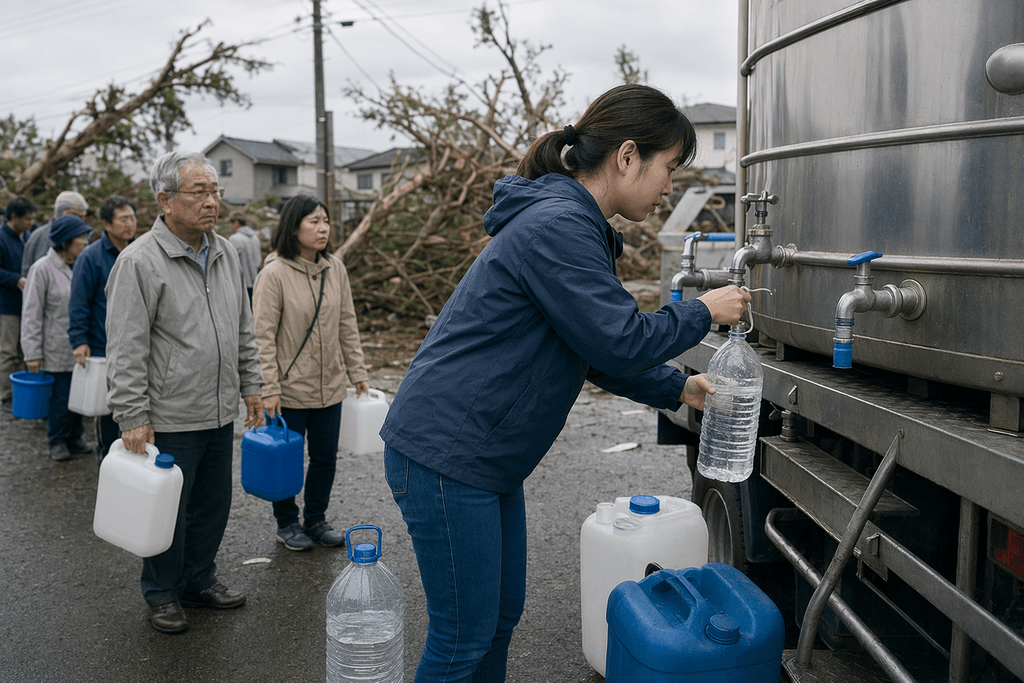
断水
ජල සැපයුම අත්හිටුවීම
断水
ජල සැපයුම අත්හිටුවීම
Explanation
断水
ජල සැපයුම අත්හිටුවීම
断水
ජල සැපයුම කපා හැරීම / ජල සැපයුම නැවතීම / වතුර කප්පය
( Base form )
( romanization )
( stem )
( Past )
( kyūjitai )
( table-tags )
( inflection-template )
( imperfective stem )
( imperfective stem )
( imperfective )
( continuative stem )
( continuative stem )
( continuative )
( stem terminative )
( stem terminative )
( terminative )
( attributive stem )
( attributive stem )
( attributive )
( hypothetical stem )
( hypothetical stem )
( hypothetical )
( Imperative literary stem )
( colloquial Imperative stem )
( Imperative literary stem )
( colloquial Imperative stem )
( Imperative literary )
( colloquial Imperative )
( Passive voice )
( Passive voice )
( Passive voice )
( causative )
( causative )
( causative )
( causative )
( causative )
( causative )
( potential )
( potential )
( potential )
( volitional )
( volitional )
( volitional )
( negative )
( negative )
( negative )
( continuative negative )
( continuative negative )
( continuative negative )
( formal )
( formal )
( formal )
( perfective )
( perfective )
( perfective )
( conjunctive )
( conjunctive )
( conjunctive )
( Conditional hypothetical )
( Conditional hypothetical )
( Conditional hypothetical )
努める
උත්සාහ කරනවා
努める
උත්සාහ කරනවා
Explanation
努める
උත්සාහ කරනවා
努める
උත්සාහ කිරීම / ශක්තිමත්ව උත්සාහ දරීම

Word Forms
The basic and commonly used forms of this verb.
Basic forms
| Form | Word form | Usage |
|---|---|---|
| Imperfective form (mizenkei) | Connects to endings such as nai, reru, and seru. | |
| Continuative form (renyokei) | Connects to endings such as masu, tai, and ta. | |
| Conclusive form (shushikei) | Ends a sentence and serves as the dictionary form. | |
| Attributive form (rentaikei) | Modifies a noun. | |
| Conditional form (kateikei) | Combines with ba to express a condition. | |
| Imperative form (meireikei) |
Alternative:
努めよ
|
Expresses a command or instruction. |
Common forms
散らかす
අවුල් කරනවා
散らかす
අවුල් කරනවා
Explanation
散らかす
අවුල් කරනවා
散らかす
අව්යාකූලව පතුරවලා දමනවා / අපිළිවෙලට/අවුල් තත්ත්වයකට තබනවා / (ක්රියාවේ 連用形 පසු) අකුණුමුණු ලෙස කරදමනවා

Word Forms
The basic and commonly used forms of this verb.
Basic forms
| Form | Word form | Usage |
|---|---|---|
| Imperfective form (mizenkei) |
Alternative:
散らかそ
|
Connects to endings such as nai, reru, and seru. |
| Continuative form (renyokei) | Connects to endings such as masu, tai, and ta. | |
| Conclusive form (shushikei) | Ends a sentence and serves as the dictionary form. | |
| Attributive form (rentaikei) | Modifies a noun. | |
| Conditional form (kateikei) | Combines with ba to express a condition. | |
| Imperative form (meireikei) | Expresses a command or instruction. |
Common forms
| Form | Word form | Usage |
|---|---|---|
| Te-form | Connects clauses with te. | |
| Ta-form | Expresses the past with ta. | |
| Nai-form | Expresses negation with nai. | |
| Masu-form | Used for polite speech. | |
| Ba-form | Expresses a condition with ba. | |
| Volitional form | Expresses intention or invitation. |
Notes
接近
ළඟා වීම
接近
ළඟා වීම
Explanation
接近
ළඟා වීම
接近
සමීප වීම / ළඟා වීම / ඉදිරියට ගොඩවීම

( Base form )
( romanization )
( stem )
( Past )
( table-tags )
( inflection-template )
( imperfective stem )
( imperfective stem )
( imperfective )
( continuative stem )
( continuative stem )
( continuative )
( stem terminative )
( stem terminative )
( terminative )
( attributive stem )
( attributive stem )
( attributive )
( hypothetical stem )
( hypothetical stem )
( hypothetical )
( Imperative literary stem )
( colloquial Imperative stem )
( Imperative literary stem )
( colloquial Imperative stem )
( Imperative literary )
( colloquial Imperative )
( Passive voice )
( Passive voice )
( Passive voice )
( causative )
( causative )
( causative )
( causative )
( causative )
( causative )
( potential )
( potential )
( potential )
( volitional )
( volitional )
( volitional )
( negative )
( negative )
( negative )
( continuative negative )
( continuative negative )
( continuative negative )
( formal )
( formal )
( formal )
( perfective )
( perfective )
( perfective )
( conjunctive )
( conjunctive )
( conjunctive )
( Conditional hypothetical )
( Conditional hypothetical )
( Conditional hypothetical )
Loading...

JLPT N2 多言語単語帳・1790語 / JLPT N2 Multilingual Vocabulary: 1790 Words

Jonathan Waller 氏の JLPT Resources の語彙リスト・レベル分類を出典とし、CC BY の条件に従って DiQt が学習者向けに意味を作り直した1790語の単語帳です。JLPT公式の語彙リストではありません。
This collection of 1790 words is based on the vocabulary list and level classifications in Jonathan Waller’s JLPT Resources under CC BY, with meanings rewritten by DiQt for learners. It is not an official JLPT vocabulary list.
Key Operations
Select the first quiz:
Ctrl + Enter
View Explanation:Ctrl + G
Close a feedback:Esc
When selecting a quiz
Answer:Enter
Select a choice:↓ or ↑
Reading out the question:Ctrl + K
View Hint: Ctrl + M
I don't know: Ctrl + Y



