
JLPT N2 වචන අර්ථ පුහුණුව - Unsolved

පිළිතුරු විකල්ප හතරක් ඇති ප්රශ්න මඟින් JLPT N2 වචන 1790ක අර්ථ සිංහලෙන් ඉගෙන ගන්න.
-
හරිතාගාරය
-
දිගු උඩ කබාය
-
සිපරය
-
අක්ෂාංශය
-
උපභාෂාව
-
ණයට දීම
-
ඇතුළත් කරනවා
-
ප්රමාණවත් වෙනවා
-
භාරගෙන රැකබලා ගන්නවා
- 五段活用(ラ行)の自動詞。表記の異なる「交じる」「雑じる」も用いられる。
-
මැලවෙනවා / හුළං බැස යනවා
-
අයදුම් භාර ගැනීම අවසන් කරනවා / තදින් වසනවා
-
පිළිවෙළ වෙනවා / විසඳෙනවා
-
ඉඩ පිරී තිබීම
-
උත්සව චාරිත්රය
-
බෝවීම
-
විදුලිය ඇනහිටීම
-
සුරංගනා කතාව
-
අඩි කෝදුව
-
දන්තාලේපය / දත් මැදීම
-
රාජකාරි වාරය
-
බෙදීම
-
පෝස්ටරය
-
දිගු කලක් සම්බන්ධ නොවීම
-
ව්යාප්තිය
-
අඩු කිරීම / ඉතිරි ශේෂය
-
ඉක්කාව
-
නිදන ඇඳුම්
-
සතුටුදායක / කෘතඥ
-
ලජ්ජා නැති
-
උණුසුම් තෙත්
- 「鈍い」は「にぶい」「のろい」などと読まれるが、活用形は同じ。
点数
ලකුණු
点数
ලකුණු
Explanation
点数
ලකුණු
点数
ලකුණු / අගය/ශ්රේණිය / පරීක්ෂණ ලකුණු ගණන

( Base form )
( romanization )
( kyūjitai )
( hiragana )
乗車
වාහනයට නැගීම
乗車
වාහනයට නැගීම
Explanation
乗車
වාහනයට නැගීම
乗車
වාහනයක ගමන් කිරීම / වාහනයට නැගීම / වාහනයක පැමිණීම/සැරිසැරීම

( Base form )
( romanization )
( stem )
( Past )
( table-tags )
( inflection-template )
( imperfective stem )
( imperfective stem )
( imperfective )
( continuative stem )
( continuative stem )
( continuative )
( stem terminative )
( stem terminative )
( terminative )
( attributive stem )
( attributive stem )
( attributive )
( hypothetical stem )
( hypothetical stem )
( hypothetical )
( Imperative literary stem )
( colloquial Imperative stem )
( Imperative literary stem )
( colloquial Imperative stem )
( Imperative literary )
( colloquial Imperative )
( Passive voice )
( Passive voice )
( Passive voice )
( causative )
( causative )
( causative )
( causative )
( causative )
( causative )
( potential )
( potential )
( potential )
( volitional )
( volitional )
( volitional )
( negative )
( negative )
( negative )
( continuative negative )
( continuative negative )
( continuative negative )
( formal )
( formal )
( formal )
( perfective )
( perfective )
( perfective )
( conjunctive )
( conjunctive )
( conjunctive )
( Conditional hypothetical )
( Conditional hypothetical )
( Conditional hypothetical )
混じる
මිශ්ර වෙනවා
混じる
මිශ්ර වෙනවා
Explanation
混じる
මිශ්ර වෙනවා
混じる
මිශ්ර වීම / එකට එකතු වී ගැලවීම / අන් අය සමඟ එක්වී ඇසුරු වීම

Word Forms
The basic and commonly used forms of this verb.
Basic forms
| Form | Word form | Usage |
|---|---|---|
| Imperfective form (mizenkei) | Connects to endings such as nai, reru, and seru. | |
| Continuative form (renyokei) |
Alternative:
混じっ
|
Connects to endings such as masu, tai, and ta. |
| Conclusive form (shushikei) | Ends a sentence and serves as the dictionary form. | |
| Attributive form (rentaikei) | Modifies a noun. | |
| Conditional form (kateikei) | Combines with ba to express a condition. | |
| Imperative form (meireikei) | Expresses a command or instruction. |
Common forms
| Form | Word form | Usage |
|---|---|---|
| Te-form | Connects clauses with te. | |
| Ta-form | Expresses the past with ta. | |
| Nai-form | Expresses negation with nai. | |
| Masu-form | Used for polite speech. | |
| Ba-form | Expresses a condition with ba. | |
| Volitional form | Expresses intention or invitation. |
Notes
広める
පුළුල්ව පතුරවනවා
広める
පුළුල්ව පතුරවනවා
Explanation
広める
පුළුල්ව පතුරවනවා
広める
පළල් කරනු / විහිදවනු / ප්රචාරය කරනු

Word Forms
The basic and commonly used forms of this verb.
Basic forms
| Form | Word form | Usage |
|---|---|---|
| Imperfective form (mizenkei) | Connects to endings such as nai, reru, and seru. | |
| Continuative form (renyokei) | Connects to endings such as masu, tai, and ta. | |
| Conclusive form (shushikei) | Ends a sentence and serves as the dictionary form. | |
| Attributive form (rentaikei) | Modifies a noun. | |
| Conditional form (kateikei) | Combines with ba to express a condition. | |
| Imperative form (meireikei) |
Alternative:
広めよ
|
Expresses a command or instruction. |
Common forms
見学
අධ්යයන චාරිකාව
見学
අධ්යයන චාරිකාව
Explanation
見学
අධ්යයන චාරිකාව
見学
නිරීක්ෂණ සංචාරය / අධ්යයන චාරිකාව / පරීක්ෂා කිරීම සඳහා ගමන

( Base form )
( romanization )
( stem )
( Past )
( kyūjitai )
( table-tags )
( inflection-template )
( imperfective stem )
( imperfective stem )
( imperfective )
( continuative stem )
( continuative stem )
( continuative )
( stem terminative )
( stem terminative )
( terminative )
( attributive stem )
( attributive stem )
( attributive )
( hypothetical stem )
( hypothetical stem )
( hypothetical )
( Imperative literary stem )
( colloquial Imperative stem )
( Imperative literary stem )
( colloquial Imperative stem )
( Imperative literary )
( colloquial Imperative )
( Passive voice )
( Passive voice )
( Passive voice )
( causative )
( causative )
( causative )
( causative )
( causative )
( causative )
( potential )
( potential )
( potential )
( volitional )
( volitional )
( volitional )
( negative )
( negative )
( negative )
( continuative negative )
( continuative negative )
( continuative negative )
( formal )
( formal )
( formal )
( perfective )
( perfective )
( perfective )
( conjunctive )
( conjunctive )
( conjunctive )
( Conditional hypothetical )
( Conditional hypothetical )
( Conditional hypothetical )
田植え
වී පැළ සිටුවීම
田植え
වී පැළ සිටුවීම
Explanation
田植え
වී පැළ සිටුවීම
田植え
වී රෝපණය / වී පැළ සිටුවීම / වී ගොවිතැන සඳහා පැළ රෝපණ ක්රියාව
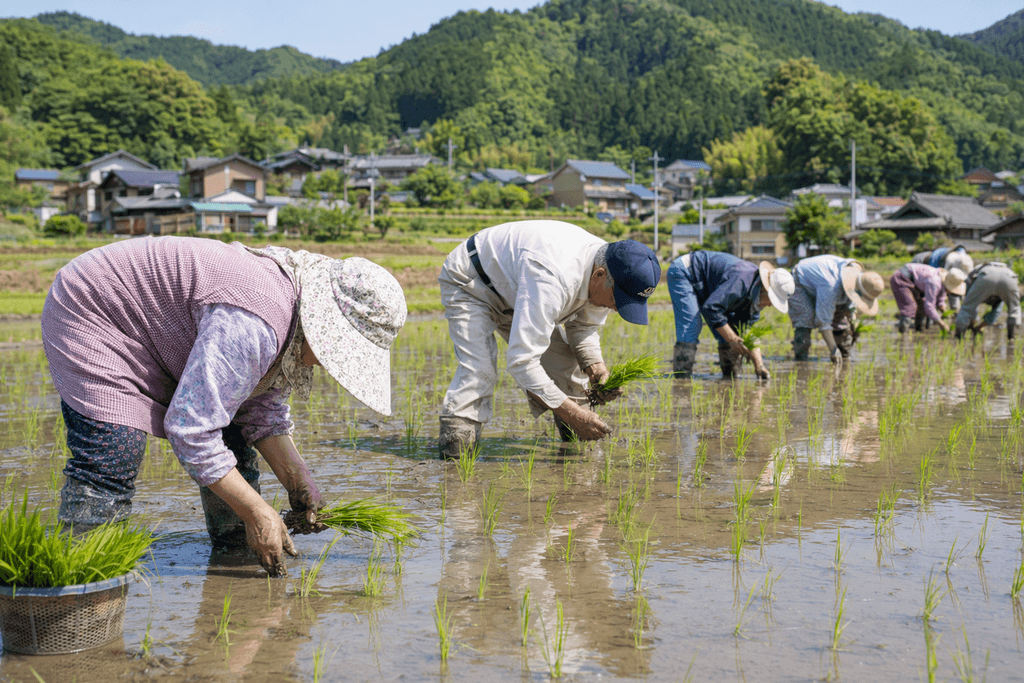
( Base form )
( romanization )
( romanization )
( hiragana historical )
気体
වායුව
気体
වායුව
Explanation
気体
වායුව
気体
වායු / වායුමය ද්රව්යය / ගෑස්

( Base form )
( romanization )
( kyūjitai )
( hiragana )
終了
සම්පූර්ණ කිරීම / අවසන් කිරීම
終了
සම්පූර්ණ කිරීම / අවසන් කිරීම
Explanation
終了
සම්පූර්ණ කිරීම / අවසන් කිරීම
終了
අවසන් වීම / අවසානය / නිමාව

( Base form )
( romanization )
( romanization )
( stem )
( Past )
( hiragana historical )
( table-tags )
( inflection-template )
( imperfective stem )
( imperfective stem )
( imperfective )
( continuative stem )
( continuative stem )
( continuative )
( stem terminative )
( stem terminative )
( terminative )
( attributive stem )
( attributive stem )
( attributive )
( hypothetical stem )
( hypothetical stem )
( hypothetical )
( Imperative literary stem )
( colloquial Imperative stem )
( Imperative literary stem )
( colloquial Imperative stem )
( Imperative literary )
( colloquial Imperative )
( Passive voice )
( Passive voice )
( Passive voice )
( causative )
( causative )
( causative )
( causative )
( causative )
( causative )
( potential )
( potential )
( potential )
( volitional )
( volitional )
( volitional )
( negative )
( negative )
( negative )
( continuative negative )
( continuative negative )
( continuative negative )
( formal )
( formal )
( formal )
( perfective )
( perfective )
( perfective )
( conjunctive )
( conjunctive )
( conjunctive )
( Conditional hypothetical )
( Conditional hypothetical )
( Conditional hypothetical )
感激
ගැඹුරු හැඟීම්බර බව
感激
ගැඹුරු හැඟීම්බර බව
Explanation
感激
ගැඹුරු හැඟීම්බර බව
感激
ගැඹුරු හැඟීම / බෙහෙවින් ආවේගයට පත්වීම / ඉතාමත් ආකර්ෂණයට/ප්රභාවයට පත් වීම

( Base form )
( romanization )
( stem )
( Past )
( table-tags )
( inflection-template )
( imperfective stem )
( imperfective stem )
( imperfective )
( continuative stem )
( continuative stem )
( continuative )
( stem terminative )
( stem terminative )
( terminative )
( attributive stem )
( attributive stem )
( attributive )
( hypothetical stem )
( hypothetical stem )
( hypothetical )
( Imperative literary stem )
( colloquial Imperative stem )
( Imperative literary stem )
( colloquial Imperative stem )
( Imperative literary )
( colloquial Imperative )
( Passive voice )
( Passive voice )
( Passive voice )
( causative )
( causative )
( causative )
( causative )
( causative )
( causative )
( potential )
( potential )
( potential )
( volitional )
( volitional )
( volitional )
( negative )
( negative )
( negative )
( continuative negative )
( continuative negative )
( continuative negative )
( formal )
( formal )
( formal )
( perfective )
( perfective )
( perfective )
( conjunctive )
( conjunctive )
( conjunctive )
( Conditional hypothetical )
( Conditional hypothetical )
( Conditional hypothetical )
鈍い
මොට / මන්දගාමී
鈍い
මොට / මන්දගාමී
Explanation
鈍い
මොට / මන්දගාමී
鈍い
මොට (කැපීමේ අරුතෙන්) / මන්ද/සුළු (ඉන්ද්රිය සංවේදන) / මෝඩ/අබුද්ධිමත්
Word Forms
The basic and commonly used forms of this adjective.
Basic forms
| Form | Word form | Usage |
|---|---|---|
| Imperfective form (mizenkei) | Used in forms such as karou; mainly literary. | |
| Continuative form (renyokei) |
Alternative:
鈍かっ
|
Used in forms such as kute and kunai. |
| Conclusive form (shushikei) | Ends a sentence. | |
| Attributive form (rentaikei) | Modifies a noun. | |
| Conditional form (kateikei) | Expresses a condition with kereba. | |
| Imperative form (meireikei) | Rarely used in modern Japanese. |
Common forms
| Form | Word form | Usage |
|---|---|---|
| Te-form | Connects clauses with kute. | |
| Ta-form | Expresses the past with katta. | |
| Nai-form | Expresses negation with kunai. | |
| Ba-form | Expresses a condition with kereba. |
Notes
Loading...

JLPT N2 多言語単語帳・1790語 / JLPT N2 Multilingual Vocabulary: 1790 Words

Jonathan Waller 氏の JLPT Resources の語彙リスト・レベル分類を出典とし、CC BY の条件に従って DiQt が学習者向けに意味を作り直した1790語の単語帳です。JLPT公式の語彙リストではありません。
This collection of 1790 words is based on the vocabulary list and level classifications in Jonathan Waller’s JLPT Resources under CC BY, with meanings rewritten by DiQt for learners. It is not an official JLPT vocabulary list.
Key Operations
Select the first quiz:
Ctrl + Enter
View Explanation:Ctrl + G
Close a feedback:Esc
When selecting a quiz
Answer:Enter
Select a choice:↓ or ↑
Reading out the question:Ctrl + K
View Hint: Ctrl + M
I don't know: Ctrl + Y



