
JLPT N2 වචන අර්ථ පුහුණුව - Hindi pa nasagutan

පිළිතුරු විකල්ප හතරක් ඇති ප්රශ්න මඟින් JLPT N2 වචන 1790ක අර්ථ සිංහලෙන් ඉගෙන ගන්න.
-
දිගු උඩ කබාය
-
සිපරය
-
හරිතාගාරය
-
ණයට දීම
-
උපභාෂාව
-
අක්ෂාංශය
-
භාරගෙන රැකබලා ගන්නවා
-
ඇතුළත් කරනවා
-
ප්රමාණවත් වෙනවා
- 五段活用(ラ行)の自動詞。表記の異なる「交じる」「雑じる」も用いられる。
-
අයදුම් භාර ගැනීම අවසන් කරනවා / තදින් වසනවා
-
මැලවෙනවා / හුළං බැස යනවා
-
පිළිවෙළ වෙනවා / විසඳෙනවා
-
උත්සව චාරිත්රය
-
බෝවීම
-
ඉඩ පිරී තිබීම
-
සුරංගනා කතාව
-
විදුලිය ඇනහිටීම
-
අඩි කෝදුව
-
රාජකාරි වාරය
-
බෙදීම
-
දන්තාලේපය / දත් මැදීම
-
ව්යාප්තිය
-
දිගු කලක් සම්බන්ධ නොවීම
-
පෝස්ටරය
-
අඩු කිරීම / ඉතිරි ශේෂය
-
නිදන ඇඳුම්
-
ඉක්කාව
-
සතුටුදායක / කෘතඥ
-
උණුසුම් තෙත්
-
ලජ්ජා නැති
- 「鈍い」は「にぶい」「のろい」などと読まれるが、活用形は同じ。
点数
ලකුණු
点数
ලකුණු
Paliwanag
点数
ලකුණු
点数
ලකුණු / අගය/ශ්රේණිය / පරීක්ෂණ ලකුණු ගණන

( Batayang anyo )
( romanization )
( kyūjitai )
( hiragana )
乗車
වාහනයට නැගීම
乗車
වාහනයට නැගීම
Paliwanag
乗車
වාහනයට නැගීම
乗車
වාහනයක ගමන් කිරීම / වාහනයට නැගීම / වාහනයක පැමිණීම/සැරිසැරීම

( Batayang anyo )
( romanization )
( stem )
( Nakaraan )
( table-tags )
( inflection-template )
( imperfective stem )
( imperfective stem )
( imperfective )
( continuative stem )
( continuative stem )
( continuative )
( stem terminative )
( stem terminative )
( terminative )
( attributive stem )
( attributive stem )
( attributive )
( hypothetical stem )
( hypothetical stem )
( hypothetical )
( Pautos literary stem )
( colloquial Pautos stem )
( Pautos literary stem )
( colloquial Pautos stem )
( Pautos literary )
( colloquial Pautos )
( Tinig na balintiyak )
( Tinig na balintiyak )
( Tinig na balintiyak )
( causative )
( causative )
( causative )
( causative )
( causative )
( causative )
( potential )
( potential )
( potential )
( volitional )
( volitional )
( volitional )
( negative )
( negative )
( negative )
( continuative negative )
( continuative negative )
( continuative negative )
( formal )
( formal )
( formal )
( perfective )
( perfective )
( perfective )
( conjunctive )
( conjunctive )
( conjunctive )
( Kondisyonal hypothetical )
( Kondisyonal hypothetical )
( Kondisyonal hypothetical )
混じる
මිශ්ර වෙනවා
混じる
මිශ්ර වෙනවා
Paliwanag
混じる
මිශ්ර වෙනවා
混じる
මිශ්ර වීම / එකට එකතු වී ගැලවීම / අන් අය සමඟ එක්වී ඇසුරු වීම

Mga anyo ng salita
Narito ang mga batayang anyo at mga karaniwang anyo ng pandiwa na ito.
Mga batayang anyo
| Anyo | Anyo ng salita | Gamit |
|---|---|---|
| Pormang irrealis (みぜんけい) | Ginagamit ang anyong ito bago ang "ない", "れる", "せる", at iba pa. | |
| Pormang pang-ugnay (れんようけい) |
Ibang pananalita:
混じっ
|
Ginagamit ang anyong ito bago ang "ます", "たい", "た", at iba pa. |
| Pormang pangwakas (しゅうしけい) | Ito ang pormang diksyunaryo (じしょけい) na ginagamit sa pagwawakas ng pangungusap. | |
| Pormang panuring sa pangngalan (れんたいけい) | Panuring ito sa pangngalan. | |
| Pormang kondisyonal (かていけい) | Dinurugtungan ng "ば" para magpahayag ng kondisyon. | |
| Pormang pautos (めいれいけい) | Nagsasaad ang anyong ito ng utos o tagubilin. |
Mga karaniwang anyo
| Anyo | Anyo ng salita | Gamit |
|---|---|---|
| Pormang て | Pang-ugnay ng mga sugnay ang "〜て". | |
| Pormang た | Nagsasaad ng nakaraan (〜た). | |
| Pormang ない | Nagsasaad ng negasyon (〜ない). | |
| Pormang ます | Ginagamit sa magalang na pahayag. | |
| Pormang ば | Nagsasaad ng kondisyon (〜ば). | |
| Pormang volitional (いしけい) | Nagsasaad ng intensiyon o pag-anyaya (〜よう). |
Mga tala
広める
පුළුල්ව පතුරවනවා
広める
පුළුල්ව පතුරවනවා
Paliwanag
広める
පුළුල්ව පතුරවනවා
広める
පළල් කරනු / විහිදවනු / ප්රචාරය කරනු

Mga anyo ng salita
Narito ang mga batayang anyo at mga karaniwang anyo ng pandiwa na ito.
Mga batayang anyo
| Anyo | Anyo ng salita | Gamit |
|---|---|---|
| Pormang irrealis (みぜんけい) | Ginagamit ang anyong ito bago ang "ない", "れる", "せる", at iba pa. | |
| Pormang pang-ugnay (れんようけい) | Ginagamit ang anyong ito bago ang "ます", "たい", "た", at iba pa. | |
| Pormang pangwakas (しゅうしけい) | Ito ang pormang diksyunaryo (じしょけい) na ginagamit sa pagwawakas ng pangungusap. | |
| Pormang panuring sa pangngalan (れんたいけい) | Panuring ito sa pangngalan. | |
| Pormang kondisyonal (かていけい) | Dinurugtungan ng "ば" para magpahayag ng kondisyon. | |
| Pormang pautos (めいれいけい) |
Ibang pananalita:
広めよ
|
Nagsasaad ang anyong ito ng utos o tagubilin. |
Mga karaniwang anyo
| Anyo | Anyo ng salita | Gamit |
|---|---|---|
| Pormang て | Pang-ugnay ng mga sugnay ang "〜て". | |
| Pormang た | Nagsasaad ng nakaraan (〜た). | |
| Pormang ない | Nagsasaad ng negasyon (〜ない). | |
| Pormang ます | Ginagamit sa magalang na pahayag. | |
| Pormang ば | Nagsasaad ng kondisyon (〜ば). | |
| Pormang volitional (いしけい) | Nagsasaad ng intensiyon o pag-anyaya (〜よう). |
見学
අධ්යයන චාරිකාව
見学
අධ්යයන චාරිකාව
Paliwanag
見学
අධ්යයන චාරිකාව
見学
නිරීක්ෂණ සංචාරය / අධ්යයන චාරිකාව / පරීක්ෂා කිරීම සඳහා ගමන

( Batayang anyo )
( romanization )
( stem )
( Nakaraan )
( kyūjitai )
( table-tags )
( inflection-template )
( imperfective stem )
( imperfective stem )
( imperfective )
( continuative stem )
( continuative stem )
( continuative )
( stem terminative )
( stem terminative )
( terminative )
( attributive stem )
( attributive stem )
( attributive )
( hypothetical stem )
( hypothetical stem )
( hypothetical )
( Pautos literary stem )
( colloquial Pautos stem )
( Pautos literary stem )
( colloquial Pautos stem )
( Pautos literary )
( colloquial Pautos )
( Tinig na balintiyak )
( Tinig na balintiyak )
( Tinig na balintiyak )
( causative )
( causative )
( causative )
( causative )
( causative )
( causative )
( potential )
( potential )
( potential )
( volitional )
( volitional )
( volitional )
( negative )
( negative )
( negative )
( continuative negative )
( continuative negative )
( continuative negative )
( formal )
( formal )
( formal )
( perfective )
( perfective )
( perfective )
( conjunctive )
( conjunctive )
( conjunctive )
( Kondisyonal hypothetical )
( Kondisyonal hypothetical )
( Kondisyonal hypothetical )
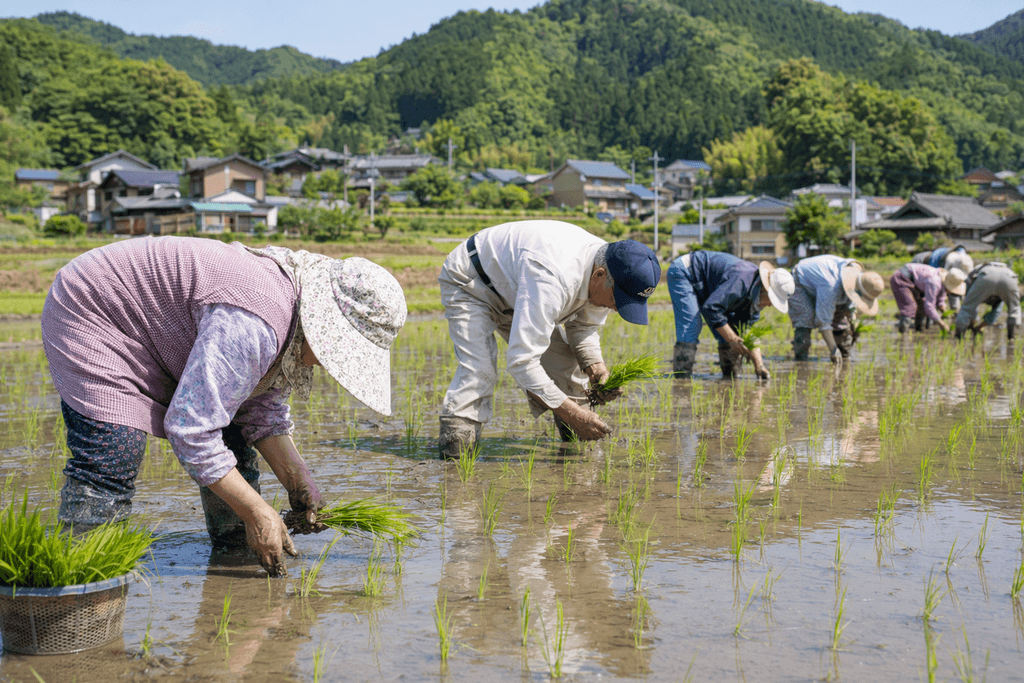
田植え
වී පැළ සිටුවීම
田植え
වී පැළ සිටුවීම
Paliwanag
田植え
වී පැළ සිටුවීම
田植え
වී රෝපණය / වී පැළ සිටුවීම / වී ගොවිතැන සඳහා පැළ රෝපණ ක්රියාව
( Batayang anyo )
( romanization )
( romanization )
( hiragana historical )
気体
වායුව
気体
වායුව
Paliwanag
気体
වායුව
気体
වායු / වායුමය ද්රව්යය / ගෑස්

( Batayang anyo )
( romanization )
( kyūjitai )
( hiragana )
終了
සම්පූර්ණ කිරීම / අවසන් කිරීම
終了
සම්පූර්ණ කිරීම / අවසන් කිරීම
Paliwanag
終了
සම්පූර්ණ කිරීම / අවසන් කිරීම
終了
අවසන් වීම / අවසානය / නිමාව

( Batayang anyo )
( romanization )
( romanization )
( stem )
( Nakaraan )
( hiragana historical )
( table-tags )
( inflection-template )
( imperfective stem )
( imperfective stem )
( imperfective )
( continuative stem )
( continuative stem )
( continuative )
( stem terminative )
( stem terminative )
( terminative )
( attributive stem )
( attributive stem )
( attributive )
( hypothetical stem )
( hypothetical stem )
( hypothetical )
( Pautos literary stem )
( colloquial Pautos stem )
( Pautos literary stem )
( colloquial Pautos stem )
( Pautos literary )
( colloquial Pautos )
( Tinig na balintiyak )
( Tinig na balintiyak )
( Tinig na balintiyak )
( causative )
( causative )
( causative )
( causative )
( causative )
( causative )
( potential )
( potential )
( potential )
( volitional )
( volitional )
( volitional )
( negative )
( negative )
( negative )
( continuative negative )
( continuative negative )
( continuative negative )
( formal )
( formal )
( formal )
( perfective )
( perfective )
( perfective )
( conjunctive )
( conjunctive )
( conjunctive )
( Kondisyonal hypothetical )
( Kondisyonal hypothetical )
( Kondisyonal hypothetical )
感激
ගැඹුරු හැඟීම්බර බව
感激
ගැඹුරු හැඟීම්බර බව
Paliwanag
感激
ගැඹුරු හැඟීම්බර බව
感激
ගැඹුරු හැඟීම / බෙහෙවින් ආවේගයට පත්වීම / ඉතාමත් ආකර්ෂණයට/ප්රභාවයට පත් වීම

( Batayang anyo )
( romanization )
( stem )
( Nakaraan )
( table-tags )
( inflection-template )
( imperfective stem )
( imperfective stem )
( imperfective )
( continuative stem )
( continuative stem )
( continuative )
( stem terminative )
( stem terminative )
( terminative )
( attributive stem )
( attributive stem )
( attributive )
( hypothetical stem )
( hypothetical stem )
( hypothetical )
( Pautos literary stem )
( colloquial Pautos stem )
( Pautos literary stem )
( colloquial Pautos stem )
( Pautos literary )
( colloquial Pautos )
( Tinig na balintiyak )
( Tinig na balintiyak )
( Tinig na balintiyak )
( causative )
( causative )
( causative )
( causative )
( causative )
( causative )
( potential )
( potential )
( potential )
( volitional )
( volitional )
( volitional )
( negative )
( negative )
( negative )
( continuative negative )
( continuative negative )
( continuative negative )
( formal )
( formal )
( formal )
( perfective )
( perfective )
( perfective )
( conjunctive )
( conjunctive )
( conjunctive )
( Kondisyonal hypothetical )
( Kondisyonal hypothetical )
( Kondisyonal hypothetical )
鈍い
මොට / මන්දගාමී
鈍い
මොට / මන්දගාමී
Paliwanag
鈍い
මොට / මන්දගාමී
鈍い
මොට (කැපීමේ අරුතෙන්) / මන්ද/සුළු (ඉන්ද්රිය සංවේදන) / මෝඩ/අබුද්ධිමත්
Mga anyo ng salita
Narito ang mga batayang anyo at mga karaniwang anyo ng pang-uri na ito.
Mga batayang anyo
| Anyo | Anyo ng salita | Gamit |
|---|---|---|
| Pormang irrealis (みぜんけい) | Ginagamit sa "〜かろう" at iba pang anyong pampanitikan. | |
| Pormang pang-ugnay (れんようけい) |
Ibang pananalita:
鈍かっ
|
Ginagamit sa "〜くて", "〜くない", at iba pa. |
| Pormang pangwakas (しゅうしけい) | Pangwakas ito ng pangungusap. | |
| Pormang panuring sa pangngalan (れんたいけい) | Panuring ito sa pangngalan. | |
| Pormang kondisyonal (かていけい) | Nagsasaad ng kondisyon gamit ang "〜ければ". | |
| Pormang pautos (めいれいけい) | Bihira ito sa makabagong wikang Hapon. |
Mga karaniwang anyo
| Anyo | Anyo ng salita | Gamit |
|---|---|---|
| Pormang て | Pang-ugnay ng mga sugnay ang "〜くて". | |
| Pormang た | Nagsasaad ng nakaraan (〜かった). | |
| Pormang ない | Nagsasaad ng negasyon (〜くない). | |
| Pormang ば | Nagsasaad ng kondisyon (〜ければ). |
Mga tala
Naglo-load…

JLPT N2 多言語単語帳・1790語 / JLPT N2 Multilingual Vocabulary: 1790 Words

Jonathan Waller 氏の JLPT Resources の語彙リスト・レベル分類を出典とし、CC BY の条件に従って DiQt が学習者向けに意味を作り直した1790語の単語帳です。JLPT公式の語彙リストではありません。
This collection of 1790 words is based on the vocabulary list and level classifications in Jonathan Waller’s JLPT Resources under CC BY, with meanings rewritten by DiQt for learners. It is not an official JLPT vocabulary list.
Mga keyboard shortcut
Pagpili ng unang tanong:
Ctrl + Enter
Tingnan ang paliwanag:Ctrl + G
Pagsasara ng feedback:Esc
Habang pumipili ng tanong
Sagutin:Enter
Pagpili ng pagpipilian:↓ o ↑
Pagbasa nang malakas ng tanong:Ctrl + K
Tingnan ang pahiwatig: Ctrl + M
Hindi ko alam: Ctrl + Y



