
JLPT N2 වචන අර්ථ පුහුණුව - Unsolved

පිළිතුරු විකල්ප හතරක් ඇති ප්රශ්න මඟින් JLPT N2 වචන 1790ක අර්ථ සිංහලෙන් ඉගෙන ගන්න.
-
රෝල් කර යවනවා
-
බෙදෙනවා / අතු බෙදෙනවා
-
එකතු වෙනවා
-
බැහැර වෙනවා / මාර්ගයෙන් ඉවත් වෙනවා
-
හිරි වැටෙනවා
-
කෑම තම්බනවා
-
හීලෑ වෙනවා
-
ගැළපී එක් වෙනවා / දියවී එක් වෙනවා
-
හේතුවෙන් වෙනවා
-
මතක් වී ආශා කරන
-
සුබ / ප්රීතිදායක
-
බලවත් / ධෛර්යය දෙන
-
සැසඳීම
-
බලකොටු අගල
-
වඩා අඩු
-
ජපන් ෂෝගි ක්රීඩාව
-
වට්ටම
-
මාසයේ මුල් දින දහය
-
විකුණුම් තත්ත්වය
-
ලිපි ද්රව්ය
-
කඳු පාමුල
-
වෙඩි තැබීම / දියත් කිරීම
-
ගබඩා කාමරය
-
ලිපි කඩදාසි
-
මාරුවෙන් මාරුවට / පිළිවෙළින්
-
දැනට
-
මෙලෙස
-
බාධාව
-
ඇඳුම් මාරුව / මාරු ඇඳුම්
-
ළමා රැකවරණය
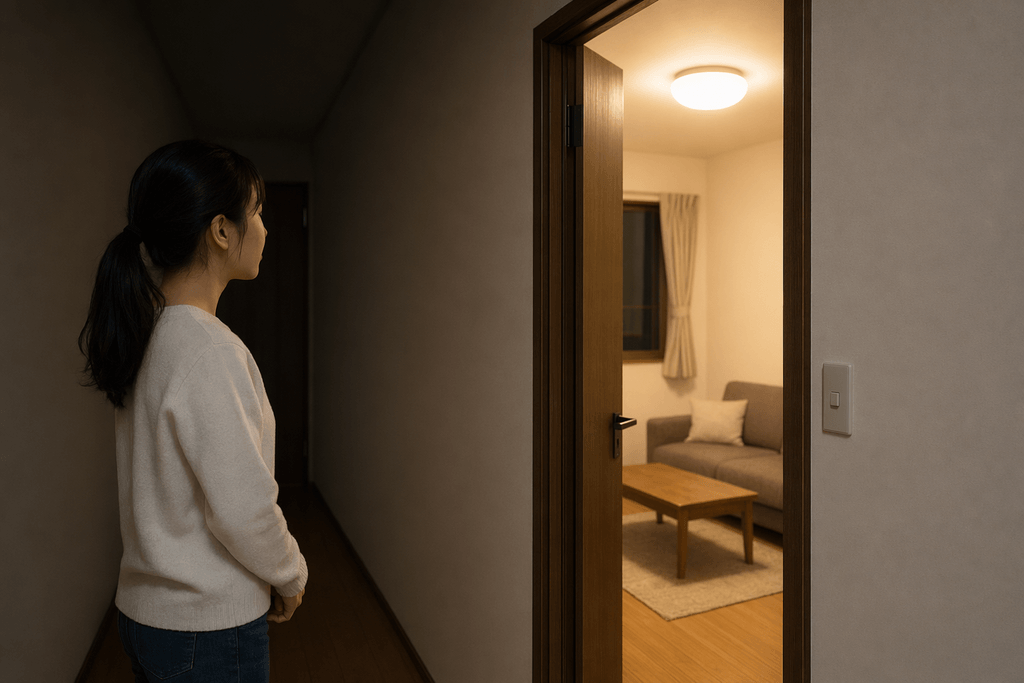
点く
ගිනි ඇවිළෙනවා / දැල්වෙනවා
点く
ගිනි ඇවිළෙනවා / දැල්වෙනවා
Explanation
点く
ගිනි ඇවිළෙනවා / දැල්වෙනවා
点く
(විදුලිය/ලයිට්) ඇවිළීම / ගිනි ඇවිළීම / ගිනි ගැසීම / ආලෝකමත් වීම
Word Forms
The basic and commonly used forms of this verb.
Basic forms
| Form | Word form | Usage |
|---|---|---|
| Imperfective form (mizenkei) |
Alternative:
点こ
|
Connects to endings such as nai, reru, and seru. |
| Continuative form (renyokei) | Connects to endings such as masu, tai, and ta. | |
| Conclusive form (shushikei) | Ends a sentence and serves as the dictionary form. | |
| Attributive form (rentaikei) | Modifies a noun. | |
| Conditional form (kateikei) | Combines with ba to express a condition. | |
| Imperative form (meireikei) | Expresses a command or instruction. |
Common forms
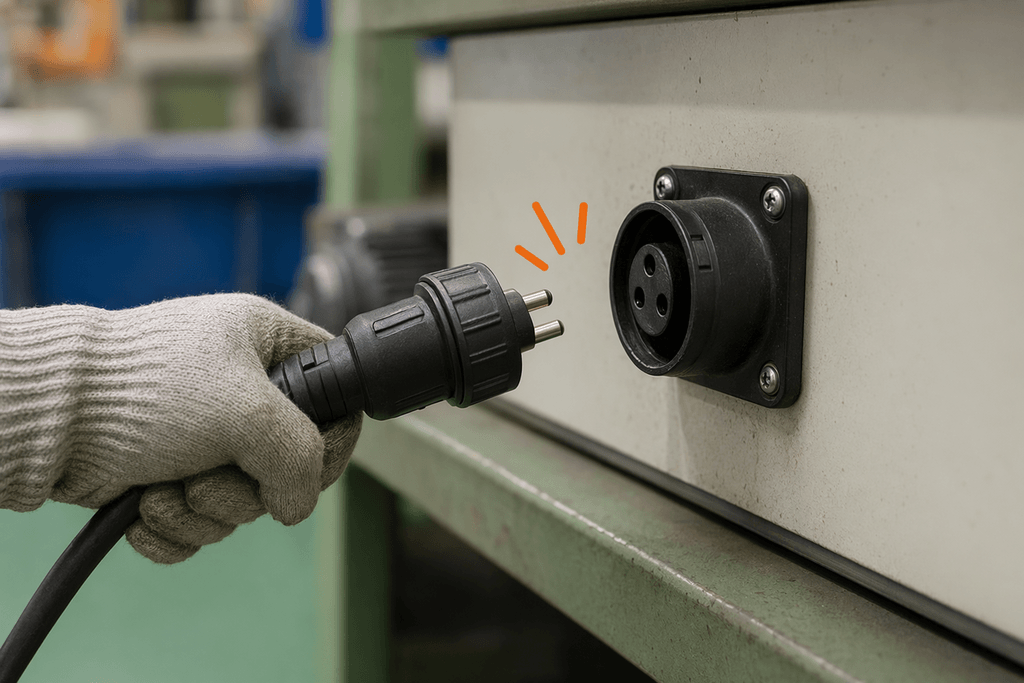
外れる
ගැලවෙනවා / ඉලක්කය වරදිනවා
外れる
ගැලවෙනවා / ඉලක්කය වරදිනවා
Explanation
外れる
ගැලවෙනවා / ඉලක්කය වරදිනවා
外れる
වෙන් වී යාම / ගැලවී යාම / තැනින් ඉවත් වීම / ස්ථානයෙන් බස්නා / වැරදි වීම / ඉලක්කය නොවැදීම
Word Forms
The basic and commonly used forms of this verb.
Basic forms
| Form | Word form | Usage |
|---|---|---|
| Imperfective form (mizenkei) | Connects to endings such as nai, reru, and seru. | |
| Continuative form (renyokei) | Connects to endings such as masu, tai, and ta. | |
| Conclusive form (shushikei) | Ends a sentence and serves as the dictionary form. | |
| Attributive form (rentaikei) | Modifies a noun. | |
| Conditional form (kateikei) | Combines with ba to express a condition. | |
| Imperative form (meireikei) |
Alternative:
外れよ
|
Expresses a command or instruction. |
Common forms
受け持つ
භාරව සිටිනවා
受け持つ
භාරව සිටිනවා
Explanation
受け持つ
භාරව සිටිනවා
受け持つ
වගකීම භාරගන්නවා / භාරයෙන් කටයුතු කරනවා / අධීක්ෂණයට/පාලනයට ගන්නවා

Word Forms
The basic and commonly used forms of this verb.
Basic forms
| Form | Word form | Usage |
|---|---|---|
| Imperfective form (mizenkei) |
Alternative:
受け持と
|
Connects to endings such as nai, reru, and seru. |
| Continuative form (renyokei) | Connects to endings such as masu, tai, and ta. | |
| Conclusive form (shushikei) | Ends a sentence and serves as the dictionary form. | |
| Attributive form (rentaikei) | Modifies a noun. | |
| Conditional form (kateikei) | Combines with ba to express a condition. | |
| Imperative form (meireikei) | Expresses a command or instruction. |
Common forms
憎らしい
පිළිකුල් සහගත
憎らしい
පිළිකුල් සහගත
Explanation
憎らしい
පිළිකුල් සහගත
憎らしい
ද්වේෂකාරී / අප්රියකර / ඝෘණාජනක

Word Forms
The basic and commonly used forms of this adjective.
Basic forms
| Form | Word form | Usage |
|---|---|---|
| Imperfective form (mizenkei) | Used in forms such as karou; mainly literary. | |
| Continuative form (renyokei) |
Alternative:
憎らしかっ
|
Used in forms such as kute and kunai. |
| Conclusive form (shushikei) | Ends a sentence. | |
| Attributive form (rentaikei) | Modifies a noun. | |
| Conditional form (kateikei) | Expresses a condition with kereba. | |
| Imperative form (meireikei) | Rarely used in modern Japanese. |
Common forms
寝間着
නිදන ඇඳුම්
寝間着
නිදන ඇඳුම්
Explanation
寝間着
නිදන ඇඳුම්
寝間着
රාත්රී ඇඳුම / පජාමා / නිදාගැනීමට පළඳින ඇඳුම

( Base form )
( Base form )
( romanization )
的確
නිරවද්යතාව
的確
නිරවද්යතාව
Explanation
的確
නිරවද්යතාව
的確
නිවැරදිභාවය / සූක්ෂමතාව / යථාර්ථතාව

( Base form )
( romanization )
( hiragana )
幼児
කුඩා දරුවා
幼児
කුඩා දරුවා
Explanation
幼児
කුඩා දරුවා
幼児
කුඩා දරුවා (ශිශුව/දරුකම) / ටොඩ්ලර් වයසේ දරුවා / (නීතිමය) වසර එක සිට ප්රාථමික පාසල් ඇතුළුවන තෙක් දරුවන්

( Base form )
( romanization )
( hiragana )
理科
පාසල් විද්යාව
理科
පාසල් විද්යාව
Explanation
理科
පාසල් විද්යාව
理科
විද්යා විෂයය / ස්වාභාවික විද්යාව

( Base form )
( romanization )
( romanization )
( hiragana historical )
( hiragana )
せっせと
කඩිසරව
せっせと
කඩිසරව
Explanation
කඩිසරව
せっせと
දක්ෂ ලෙස හා කැපවී / නිරන්තරයෙන්/අඛණ්ඩව / උත්සාහයෙන් (තදින්)

( romanization )
接続
සම්බන්ධතාව / ප්රවාහන සබැඳිය
接続
සම්බන්ධතාව / ප්රවාහන සබැඳිය
Explanation
接続
සම්බන්ධතාව / ප්රවාහන සබැඳිය
接続
සම්බන්ධ කිරීම / සම්බන්ධතාවය / එකතු කිරීම

( Base form )
( romanization )
( kyūjitai )
( hiragana )
Loading...

JLPT N2 多言語単語帳・1790語 / JLPT N2 Multilingual Vocabulary: 1790 Words

Jonathan Waller 氏の JLPT Resources の語彙リスト・レベル分類を出典とし、CC BY の条件に従って DiQt が学習者向けに意味を作り直した1790語の単語帳です。JLPT公式の語彙リストではありません。
This collection of 1790 words is based on the vocabulary list and level classifications in Jonathan Waller’s JLPT Resources under CC BY, with meanings rewritten by DiQt for learners. It is not an official JLPT vocabulary list.
Key Operations
Select the first quiz:
Ctrl + Enter
View Explanation:Ctrl + G
Close a feedback:Esc
When selecting a quiz
Answer:Enter
Select a choice:↓ or ↑
Reading out the question:Ctrl + K
View Hint: Ctrl + M
I don't know: Ctrl + Y



