
JLPT N1 වචන අර්ථ පුහුණුව - Unsolved

පිළිතුරු විකල්ප හතරක් ඇති ප්රශ්න මඟින් JLPT N1 වචන 3032ක අර්ථ සිංහලෙන් ඉගෙන ගන්න.
-
සමනය කරනවා
-
ගසා ඇතුළු කරනවා / කැප වෙනවා
-
අතපත ගානවා / අනිසි ලෙස වෙනස් කරනවා
-
අහම්බෙන් හමුවෙනවා
-
වරදිනවා
-
කැපී පෙනී ලස්සන වෙනවා
-
උත්සව ශාලාව
-
ආයතනයක් ඇරඹීම
-
සහනය / ගැලවීම
-
ප්රතිඵලදායකත්වය
-
සම්බන්ධ වීම
-
ශ්රේණිය
-
නින්දිත
-
හිඟ
-
මඳ උණුසුම් / උදාසීන
-
සමනය කරනවා
-
අලුත් වෙනවා / නිල ස්වභාවයක් ගන්නවා
-
මැදට පනිනවා
-
මිනුම් දෝෂය
-
තරුණිය
-
පිරිමි සතා
-
වැරදි ලෙස කරනවා / වෙනස් කරනවා
-
ගසා ඇතුළු කරනවා / කැප වෙනවා
-
ඇණවුම් කර ගෙන්වනවා
-
විධිමත් ඉල්ලීමක් කරනවා
-
භාරගන්නවා / පිටව යනවා
-
සංචාරය කරනවා / පැමිණෙනවා
-
හොඳම දේ
-
අංග චලනය
-
ඉපැයීම්
養う
පෝෂණය කරනවා / වර්ධනය කරනවා
養う
පෝෂණය කරනවා / වර්ධනය කරනවා
Explanation
養う
පෝෂණය කරනවා / වර්ධනය කරනවා
養う
පවත්වාගෙන යාම; ජීවිකාව සැපයීම / 培養 කිරීම; දක්ෂතා/චරිත වර්ධනය කිරීම

Word Forms
The basic and commonly used forms of this verb.
Basic forms
| Form | Word form | Usage |
|---|---|---|
| Imperfective form (mizenkei) |
Alternative:
養お
|
Connects to endings such as nai, reru, and seru. |
| Continuative form (renyokei) | Connects to endings such as masu, tai, and ta. | |
| Conclusive form (shushikei) | Ends a sentence and serves as the dictionary form. | |
| Attributive form (rentaikei) | Modifies a noun. | |
| Conditional form (kateikei) | Combines with ba to express a condition. | |
| Imperative form (meireikei) | Expresses a command or instruction. |
Common forms
仕掛ける
උගුල් අටවනවා / ආරම්භ කරනවා
仕掛ける
උගුල් අටවනවා / ආරම්භ කරනවා
Explanation
仕掛ける
උගුල් අටවනවා / ආරම්භ කරනවා
仕掛ける
ආරම්භ කිරීම; පටන්ගැනීම / උගුලක්/බෝම්බයක් ආදිය සකස් කර තැබීම; වටලීම / අභියෝග කිරීම; සටනක්/යුද්ධයක් ඇරඹීමට උත්සාහ කිරීම

Word Forms
The basic and commonly used forms of this verb.
Basic forms
| Form | Word form | Usage |
|---|---|---|
| Imperfective form (mizenkei) | Connects to endings such as nai, reru, and seru. | |
| Continuative form (renyokei) | Connects to endings such as masu, tai, and ta. | |
| Conclusive form (shushikei) | Ends a sentence and serves as the dictionary form. | |
| Attributive form (rentaikei) | Modifies a noun. | |
| Conditional form (kateikei) | Combines with ba to express a condition. | |
| Imperative form (meireikei) |
Alternative:
仕掛けよ
|
Expresses a command or instruction. |
Common forms
年鑑
වාර්ෂික ග්රන්ථය
年鑑
වාර්ෂික ග්රන්ථය
Explanation
年鑑
වාර්ෂික ග්රන්ථය
年鑑
වාර්ෂික සංග්රහය / අල්මනාක් (වාර්ෂික දත්ත පොත) / යෙර්බුක්/වාර්ෂික වාර්තා පොත

( Base form )
( romanization )
( hiragana )
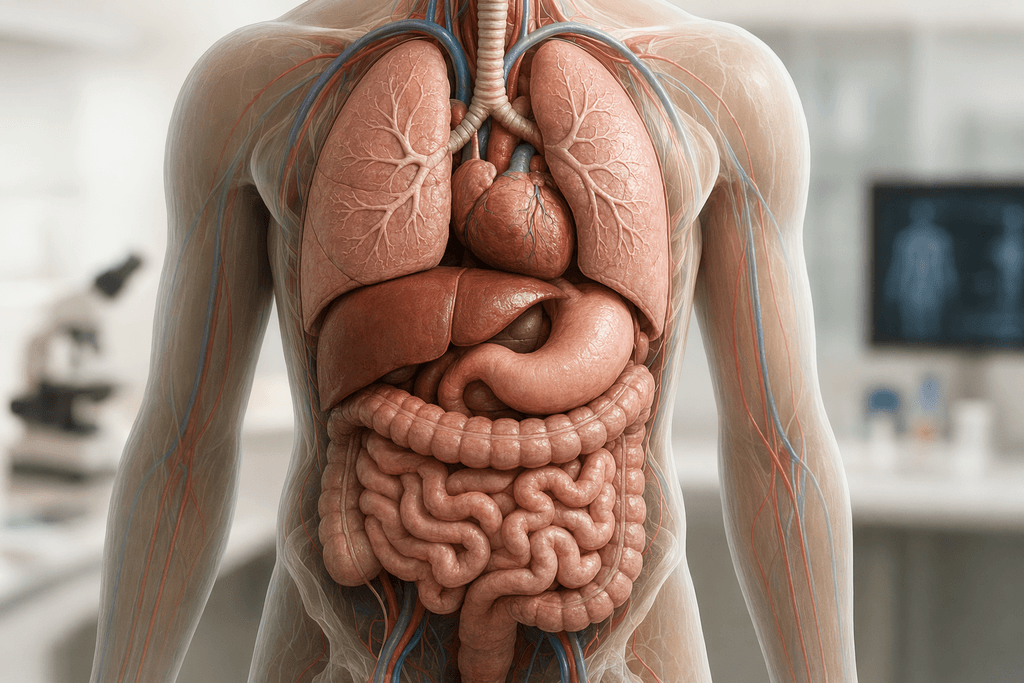
器官
ශරීර අවයවය
器官
ශරීර අවයවය
Explanation
器官
ශරීර අවයවය
器官
(ශරීරයේ) අංගය / අවයවය
( Base form )
( romanization )
( hiragana )
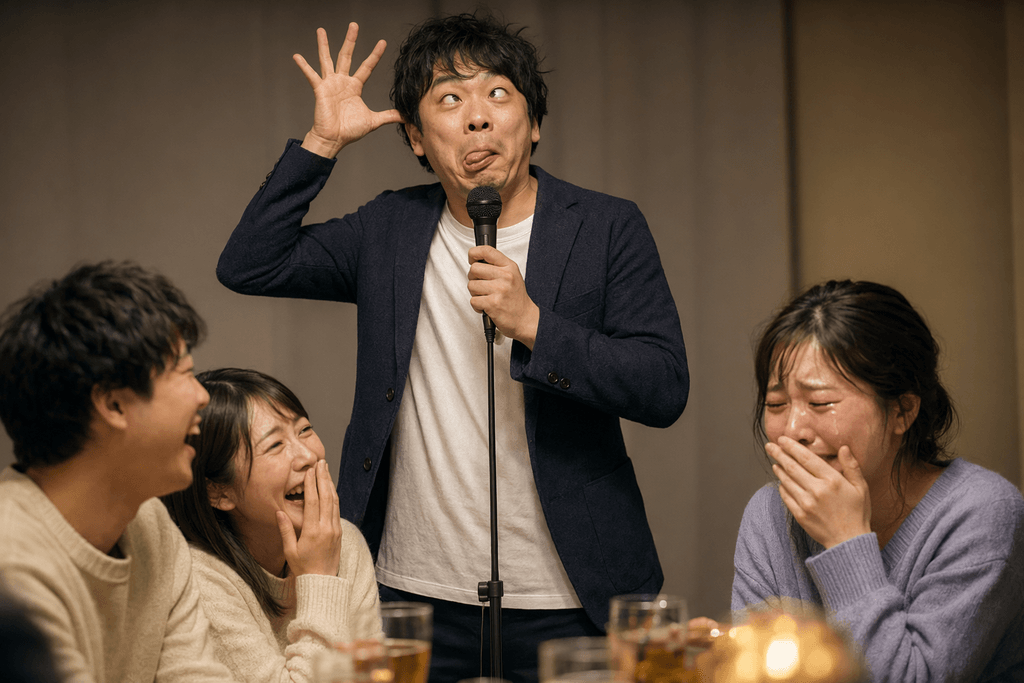
可笑しい
අමුතු / හාස්යජනක
可笑しい
අමුතු / හාස්යජනක
Explanation
可笑しい
අමුතු / හාස්යජනක
可笑しい
විහිළු සහගත; හිනාවෙනසුළු / අමුතු; විචිත්ර / සැකසහිත; වැරදි/අනුචිත
Word Forms
The basic and commonly used forms of this adjective.
Basic forms
| Form | Word form | Usage |
|---|---|---|
| Imperfective form (mizenkei) | Used in forms such as karou; mainly literary. | |
| Continuative form (renyokei) |
Alternative:
可笑しかっ
|
Used in forms such as kute and kunai. |
| Conclusive form (shushikei) | Ends a sentence. | |
| Attributive form (rentaikei) | Modifies a noun. | |
| Conditional form (kateikei) | Expresses a condition with kereba. | |
| Imperative form (meireikei) | Rarely used in modern Japanese. |
Common forms
負かす
පරාජය කරනවා
負かす
පරාජය කරනවා
Explanation
負かす
පරාජය කරනවා
負かす
(කෙනෙකු) පරාජය කිරීම / (කෙනෙකුට) ජය ගැනීම / විරුද්ධයාට පරාජය ලබාදීම

Word Forms
The basic and commonly used forms of this verb.
Basic forms
| Form | Word form | Usage |
|---|---|---|
| Imperfective form (mizenkei) |
Alternative:
負かそ
|
Connects to endings such as nai, reru, and seru. |
| Continuative form (renyokei) | Connects to endings such as masu, tai, and ta. | |
| Conclusive form (shushikei) | Ends a sentence and serves as the dictionary form. | |
| Attributive form (rentaikei) | Modifies a noun. | |
| Conditional form (kateikei) | Combines with ba to express a condition. | |
| Imperative form (meireikei) | Expresses a command or instruction. |
Common forms
一連
මාලාව
一連
මාලාව
Explanation
一連
මාලාව
一連
මාලාවක් / දාමයක් / අනුක්රමයක්

( Base form )
( romanization )
( hiragana )
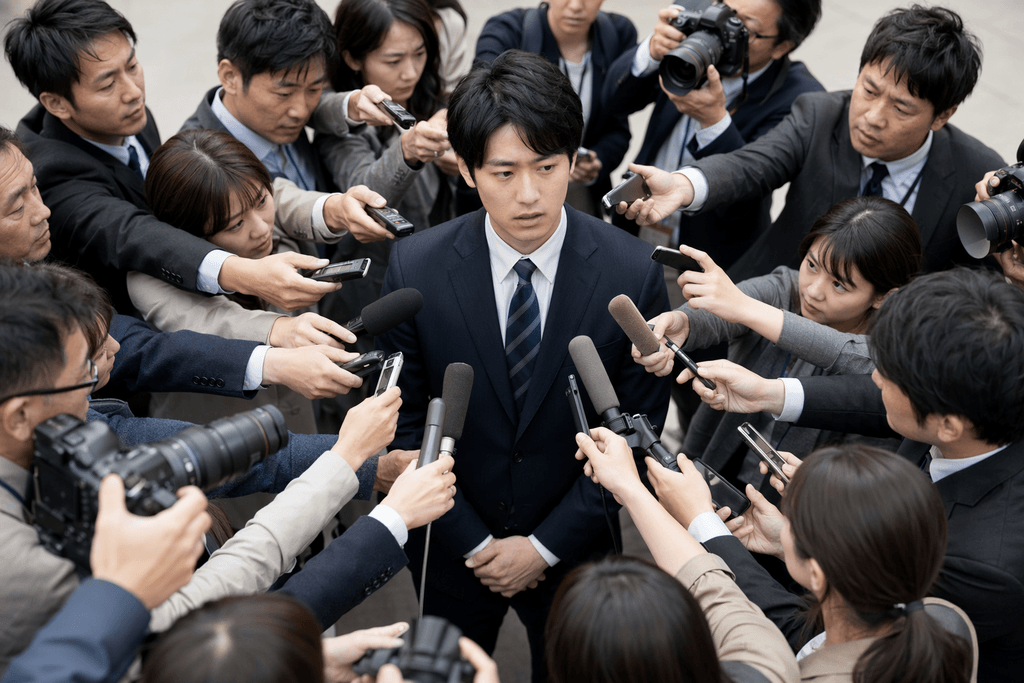
取り巻く
වටකරනවා
取り巻く
වටකරනවා
Explanation
取り巻く
වටකරනවා
取り巻く
වටලාගන්නවා / වටකරගෙන ඉඳී/එක්වෙලා වටවෙනවා / පරිවෘත්ත කරලා අවට ගන්නවා
Word Forms
The basic and commonly used forms of this verb.
Basic forms
| Form | Word form | Usage |
|---|---|---|
| Imperfective form (mizenkei) |
Alternative:
取り巻こ
|
Connects to endings such as nai, reru, and seru. |
| Continuative form (renyokei) | Connects to endings such as masu, tai, and ta. | |
| Conclusive form (shushikei) | Ends a sentence and serves as the dictionary form. | |
| Attributive form (rentaikei) | Modifies a noun. | |
| Conditional form (kateikei) | Combines with ba to express a condition. | |
| Imperative form (meireikei) | Expresses a command or instruction. |
Common forms
詰る
තරවටු කරනවා
詰る
තරවටු කරනවා
Explanation
詰る
තරවටු කරනවා
詰る
දොස් කියා තරවටු කිරීම / කෑගසා දොස් දමමින් බැණ වැදීම / වැරදියක් සොයා දොස් පෙන්වා චෝදනා කිරීම
ඔහු රැස්වීමේදී යටත් සේවකයෙකුගේ සුළු අසාර්ථකතාවක් පිළිබඳව දිගින් දිගටම දැඩි ලෙස දෝෂාරෝපණය කරමින්, කාර්යාලයේ වාතාවරණය එකපාරටම හිමෙන් දියවී ගිය පරිදි සීතල කර දැමීය.

Word Forms
The basic and commonly used forms of this verb.
Basic forms
| Form | Word form | Usage |
|---|---|---|
| Imperfective form (mizenkei) |
Alternative:
なじら
|
Connects to endings such as nai, reru, and seru. |
| Continuative form (renyokei) |
Alternative:
なじり
|
Connects to endings such as masu, tai, and ta. |
| Conclusive form (shushikei) |
Alternative:
なじる
|
Ends a sentence and serves as the dictionary form. |
| Attributive form (rentaikei) |
Alternative:
なじる
|
Modifies a noun. |
| Conditional form (kateikei) |
Alternative:
なじれ
|
Combines with ba to express a condition. |
| Imperative form (meireikei) |
Alternative:
なじれ
|
Expresses a command or instruction. |
Common forms
| Form | Word form | Usage |
|---|---|---|
| Te-form |
Alternative:
なじって
|
Connects clauses with te. |
| Ta-form |
Alternative:
なじった
|
Expresses the past with ta. |
| Nai-form |
Alternative:
なじらない
|
Expresses negation with nai. |
| Masu-form |
Alternative:
なじります
|
Used for polite speech. |
| Ba-form |
Alternative:
なじれば
|
Expresses a condition with ba. |
| Volitional form |
Alternative:
なじろう
|
Expresses intention or invitation. |
原子
පරමාණුව
原子
පරමාණුව
Explanation
原子
පරමාණුව
原子
පරමාණුව / මූලික අණුව

( Base form )
( romanization )
( hiragana )
Loading...

JLPT N1 多言語単語帳・3032語 / JLPT N1 Multilingual Vocabulary: 3032 Words

Jonathan Waller 氏の JLPT Resources の語彙リスト・レベル分類を出典とし、CC BY の条件に従って DiQt が学習者向けに意味を作り直した3032語の単語帳です。JLPT公式の語彙リストではありません。
This collection of 3032 words is based on the vocabulary list and level classifications in Jonathan Waller’s JLPT Resources under CC BY, with meanings rewritten by DiQt for learners. It is not an official JLPT vocabulary list.
Key Operations
Select the first quiz:
Ctrl + Enter
View Explanation:Ctrl + G
Close a feedback:Esc
When selecting a quiz
Answer:Enter
Select a choice:↓ or ↑
Reading out the question:Ctrl + K
View Hint: Ctrl + M
I don't know: Ctrl + Y



