
JLPT N1 වචන අර්ථ පුහුණුව - Unsolved

පිළිතුරු විකල්ප හතරක් ඇති ප්රශ්න මඟින් JLPT N1 වචන 3032ක අර්ථ සිංහලෙන් ඉගෙන ගන්න.
-
පැමිණීම / ඇඳුම්
-
පතල් කර්මාන්තය
-
ක්රීඩා මෝටර් රථය
-
වටිනවා / සුදුසු වෙනවා
-
විසඳීමට යෙදෙනවා
-
හුරතල් වෙනවා / කරුණාවෙන් වාසි ගන්නවා
-
පැත්ත
-
ඇස්වල බැල්ම
-
දුක්ඛිතභාවය
-
විචාර බුද්ධිය
-
හතරමං හන්දිය
-
දිලිසීම
-
විරෝධය / එදිරිවාදිකම
-
අවසන් වීම / ආදායම
-
සාමූහික සාකච්ඡාව
-
වියදම්
-
දෙවසර විද්යාලය
-
වෙන් කිරීම
-
පැරණි දේ දී මිල අඩු කරගැනීම
-
ප්රකාශිත අපේක්ෂාව
-
කාබනික ස්වභාවය
-
මතු වෙනවා
-
පරාජය කරනවා
-
බල කරනවා
-
පසසා පොලඹවා ගන්නවා
-
පිළිවෙළට සකසනවා
-
අහම්බෙන් දකිනවා
-
මගේ පුතා
-
යෝධ ප්රමාණය
-
නොදන්නා දේ
航海
මුහුදු ගමන
航海
මුහුදු ගමන
Explanation
航海
මුහුදු ගමන
航海
නෞකා ගමන / සමුද්ර සංචාරය / නාවික ගමන් කිරීම

( Base form )
( romanization )
( hiragana )
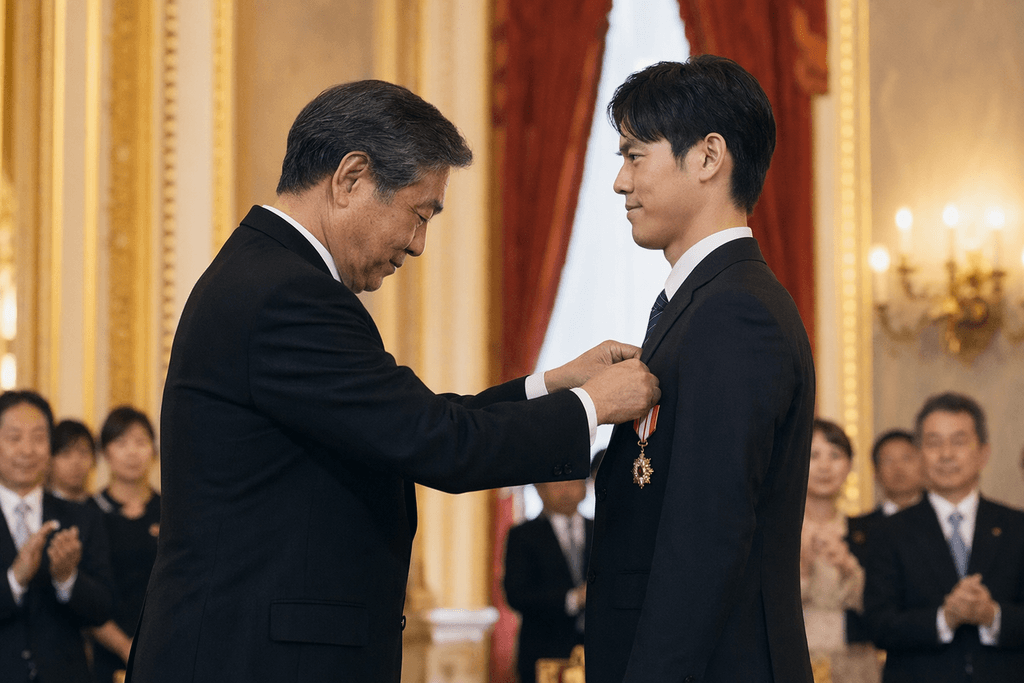
授ける
පිරිනමනවා / උගන්වනවා
授ける
පිරිනමනවා / උගන්වනවා
Explanation
授ける
පිරිනමනවා / උගන්වනවා
授ける
ප්රදානය කිරීම; දීම / පිරිනැමීම; සම්මාන හෝ අයිතිවාසිකම් ලබාදීම / උගන්වීම; උපදෙස් දීම
Word Forms
The basic and commonly used forms of this verb.
Basic forms
| Form | Word form | Usage |
|---|---|---|
| Imperfective form (mizenkei) | Connects to endings such as nai, reru, and seru. | |
| Continuative form (renyokei) | Connects to endings such as masu, tai, and ta. | |
| Conclusive form (shushikei) | Ends a sentence and serves as the dictionary form. | |
| Attributive form (rentaikei) | Modifies a noun. | |
| Conditional form (kateikei) | Combines with ba to express a condition. | |
| Imperative form (meireikei) |
Alternative:
授けよ
|
Expresses a command or instruction. |
Common forms
のきなみ
ගෙවල් පේළිය / සෑම තැනම
のきなみ
ගෙවල් පේළිය / සෑම තැනම
Explanation
ගෙවල් පේළිය / සෑම තැනම
のきなみ
(ගෙවල්වල) වහල අගන් පේළිය / ගෙවල් පේළිය / එක දිග ගොඩනැගිලි පේළිය / එක පෙළට / අඛණ්ඩව

( romanization )
月賦
මාසික වාරිකය
月賦
මාසික වාරිකය
Explanation
月賦
මාසික වාරිකය
月賦
මාසික වාරික ගෙවීම / මාසික වාරික / මාසික වාරික ලෙස ගෙවීම
ඔහුගේ මුදල් කළමනාකරණය දැඩිව අපහසු වුවද, මාසික වාරිකවලට උසස් ගුණාත්මක මෝටර් රථයක් මිලදී ගත් අතර, පසුව ණය ආපසු ගෙවීම්වලට අසීරු ලෙස හිරවීමට සිදුවිය.

( Base form )
( romanization )
( hiragana )
魂
ආත්මය
魂
ආත්මය
Explanation
魂
ආත්මය
魂
ආත්මය / සත්ත්වය/ආත්මශක්තිය / මූලික සාරය; හදවත
( romanization )
( romanization )
( hiragana historical )
( hiragana )
共和
ජනරජ පාලනය
共和
ජනරජ පාලනය
Explanation
共和
ජනරජ පාලනය
共和
ජනරජය / ජනරජවාදය / ජනරජ පාලනය
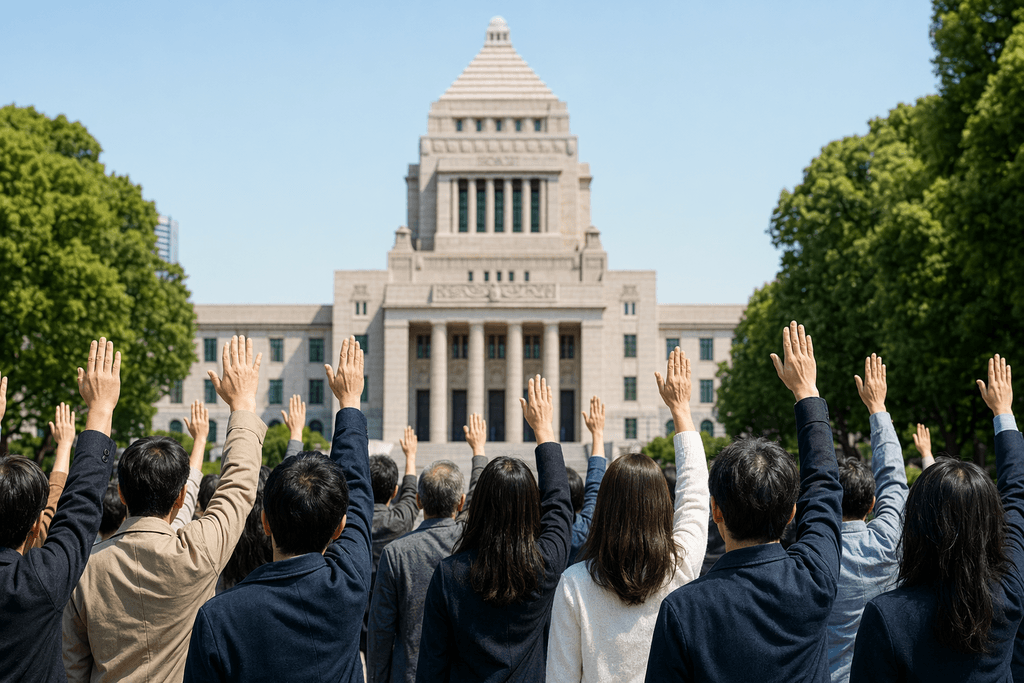
යුද්ධයෙන් පසු ව්යවස්ථාව සකස් කිරීම පිළිබඳ වාදවිවාදවලදී, රජකීය පාලන පද්ධතියේ යහපත්කම/අයහපත්කමට වඩා, ප්රභුත්වය පිහිටා ඇති තැන පැහැදිලි කිරීමට ඇති ‘ගණරජ්ය’ යන සංකල්පය නැවතත් ප්රශ්න කරනු ලැබීය.
( Base form )
( romanization )
( hiragana )
漢語
චීන මූලයක් ඇති ජපන් වචනය
漢語
චීන මූලයක් ඇති ජපන් වචනය
Explanation
漢語
චීන මූලයක් ඇති ජපන් වචනය
漢語
චීන සම්භවයේ ජපන් වචනය / ජපන් භාෂාවේ චීන ණය වචනය / චීන මූලය ඇති ජපන් පද
ශාස්ත්රීය ලිපිවලදී සංකල්පයන් නිවැරදිව නිර්වචනය කිරීම සඳහා චීනමය වචන බහුලව භාවිතා කරන අතර, පාඨකයා පිළිබඳ සැලකිල්ලෙන් සරල පරිවර්තන/වෙනුවට කියන පදවල්ද එකවර සටහන් කර දමන අවස්ථා ඇත.

( Base form )
( romanization )
( hiragana )
滅びる
විනාශ වෙනවා
滅びる
විනාශ වෙනවා
Explanation
滅びる
විනාශ වෙනවා
滅びる
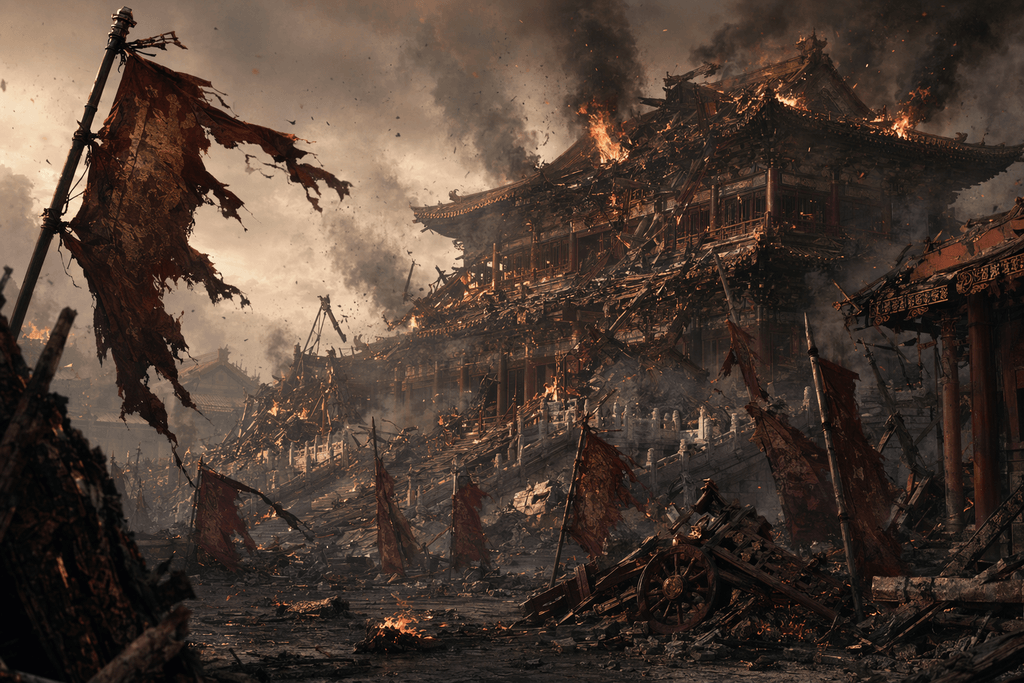
මැරී යාම / බිඳ වැටී විනාශ වීම / වඳවී යාම
Word Forms
The basic and commonly used forms of this verb.
Basic forms
| Form | Word form | Usage |
|---|---|---|
| Imperfective form (mizenkei) | Connects to endings such as nai, reru, and seru. | |
| Continuative form (renyokei) | Connects to endings such as masu, tai, and ta. | |
| Conclusive form (shushikei) | Ends a sentence and serves as the dictionary form. | |
| Attributive form (rentaikei) | Modifies a noun. | |
| Conditional form (kateikei) | Combines with ba to express a condition. | |
| Imperative form (meireikei) |
Alternative:
滅びよ
|
Expresses a command or instruction. |
Common forms
絶つ
සිඳිනවා / වැළකී සිටිනවා
絶つ
සිඳිනවා / වැළකී සිටිනවා
Explanation
絶つ
සිඳිනවා / වැළකී සිටිනවා
絶つ
කප්පාදු කරනවා / වෙන් කරනවා / නවත්වනවා

Word Forms
The basic and commonly used forms of this verb.
Basic forms
| Form | Word form | Usage |
|---|---|---|
| Imperfective form (mizenkei) |
Alternative:
絶と
|
Connects to endings such as nai, reru, and seru. |
| Continuative form (renyokei) |
Alternative:
絶っ
|
Connects to endings such as masu, tai, and ta. |
| Conclusive form (shushikei) | Ends a sentence and serves as the dictionary form. | |
| Attributive form (rentaikei) | Modifies a noun. | |
| Conditional form (kateikei) | Combines with ba to express a condition. | |
| Imperative form (meireikei) | Expresses a command or instruction. |
Common forms
踵
විලුඹ
踵
විලුඹ
Explanation
踵
විලුඹ
踵
ගොඩැල්ල / පාදයේ පසුපස ගොඩැල්ල

( romanization )
( hiragana )
Loading...

JLPT N1 多言語単語帳・3032語 / JLPT N1 Multilingual Vocabulary: 3032 Words

Jonathan Waller 氏の JLPT Resources の語彙リスト・レベル分類を出典とし、CC BY の条件に従って DiQt が学習者向けに意味を作り直した3032語の単語帳です。JLPT公式の語彙リストではありません。
This collection of 3032 words is based on the vocabulary list and level classifications in Jonathan Waller’s JLPT Resources under CC BY, with meanings rewritten by DiQt for learners. It is not an official JLPT vocabulary list.
Key Operations
Select the first quiz:
Ctrl + Enter
View Explanation:Ctrl + G
Close a feedback:Esc
When selecting a quiz
Answer:Enter
Select a choice:↓ or ↑
Reading out the question:Ctrl + K
View Hint: Ctrl + M
I don't know: Ctrl + Y



