
JLPT N1 වචන අර්ථ පුහුණුව - Unsolved

පිළිතුරු විකල්ප හතරක් ඇති ප්රශ්න මඟින් JLPT N1 වචන 3032ක අර්ථ සිංහලෙන් ඉගෙන ගන්න.
-
විකිණීමට ඉදිරිපත් කරනවා / ප්රසිද්ධ කරවනවා
-
රාජකාරිය කළ හැකි වෙනවා
-
සවිකරනවා / පළඳිනවා
- 古語の謙譲語。「奉る」とも書く。
- 古典文法ではラ行四段活用。派生形 te/ta/nai/masu/ba/ishi には現代語相当の形を主に示した。
-
ඛණ්ඩාංක
-
පුරාවිද්යාව
-
තනතුරු මාරුව
-
එක් හුස්මක් / කෙටි විවේකය
-
නිපාතය
-
අලුත විවාහ වූ තත්ත්වය
-
වෙනස
-
වාචික පණිවිඩය
-
මාංචු
-
උණු වතුර භාජනය / තේ පෝච්චිය
-
ආපදාව
-
ව්යාපාරය
-
හුරුපුරුදු වෙනවා
-
සිඳිනවා / වැළකී සිටිනවා
-
කොටස්වලට වෙන් කරනවා / මෙහෙයවනවා
-
සහනයක් දීම
-
නිවැරදි කිරීම
-
අකාර්යක්ෂමතාව
-
බලාපොරොත්තු සුන්වීම
-
ඔල්වරසන් හඬ
-
සංකල්පය
-
වසා දැමීම
-
මිනිස් සිරුර
-
ඇඳ ඇතිරිලි
-
වේගයෙන් දුවනවා
-
සම්බන්ධ කරනවා / බද්ධ කරනවා
-
නිහතමානී වෙනවා
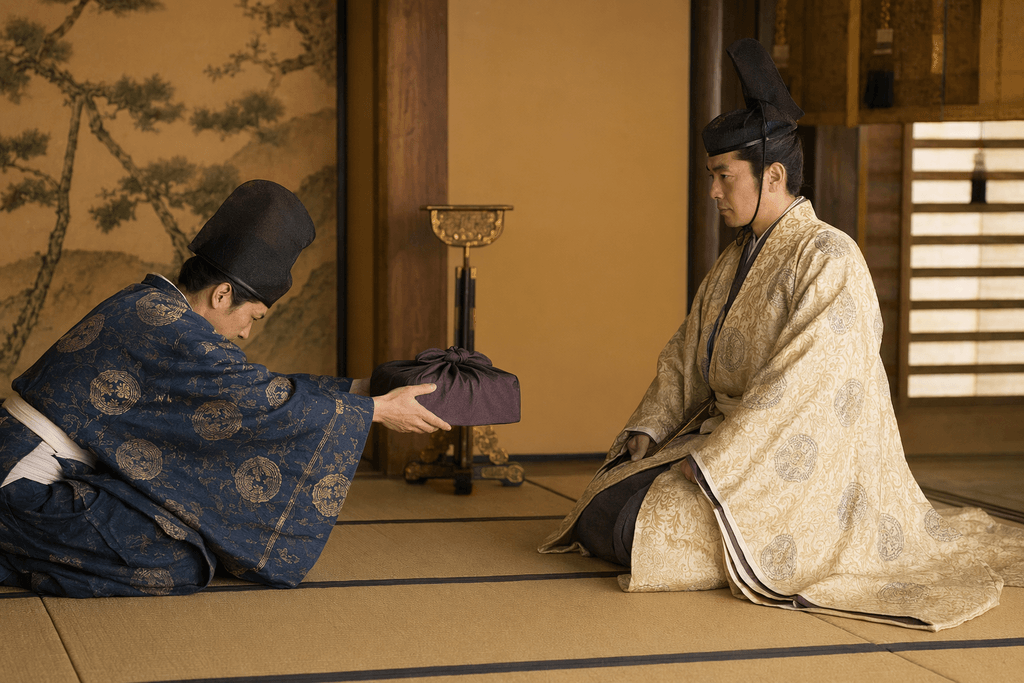
たてまつる
ගෞරවයෙන් පුදනවා
たてまつる
ගෞරවයෙන් පුදනවා
Explanation
ගෞරවයෙන් පුදනවා
たてまつる
(ගෞරවයෙන්) පිරිනමන්න / (පහත් ආකාරයෙන්) දන් දෙන්න / අර්පණය කරන්න
Word Forms
The basic and commonly used forms of this verb.
Basic forms
| Form | Word form | Usage |
|---|---|---|
| Imperfective form (mizenkei) | Connects to endings such as nai, reru, and seru. | |
| Continuative form (renyokei) | Connects to endings such as masu, tai, and ta. | |
| Conclusive form (shushikei) | Ends a sentence and serves as the dictionary form. | |
| Attributive form (rentaikei) | Modifies a noun. | |
| Conditional form (kateikei) | Combines with ba to express a condition. | |
| Imperative form (meireikei) | Expresses a command or instruction. |
Common forms
| Form | Word form | Usage |
|---|---|---|
| Te-form |
Alternative:
たてまつりて
|
Connects clauses with te. |
| Ta-form |
Alternative:
たてまつりた
|
Expresses the past with ta. |
| Nai-form | Expresses negation with nai. | |
| Masu-form | Used for polite speech. | |
| Ba-form | Expresses a condition with ba. | |
| Volitional form | Expresses intention or invitation. |
Notes
治療
වෛද්ය ප්රතිකාරය
治療
වෛද්ය ප්රතිකාරය
Explanation
治療
වෛද්ය ප්රතිකාරය
治療
වෛද්ය ප්රතිකාර / චිකිත්සා / රෝග ප්රතිකාරය
සාම්ප් රදායික වෛද් ය ප් රතිකාර effective ලදායී වනු ඇතැයි අපේක්ෂා නොකළ රෝගීන් තුළ පවා රෝග ලක්ෂණ ප් රගතිය නැවැත්වීමේ හැකියාව නව drug ෂධයට ඇති බව කියනු ලැබේ.

( Base form )
( romanization )
( hiragana )
優位
වාසිය
優位
වාසිය
Explanation
優位
වාසිය
優位
උසස්කම / ප්රමුඛත්වය / වාසිදායක තත්ත්වය

( Base form )
( romanization )
( hiragana )
過多
අතිරික්තය
過多
අතිරික්තය
Explanation
過多
අතිරික්තය
過多
අධිකත්වය / අතිරික්තය / අතිප්රමාණය

( Base form )
( romanization )
( romanization )
( hiragana historical )
( hiragana )
天
දෙව්ලොව / අහස
天
දෙව්ලොව / අහස
Explanation
天
දෙව්ලොව / අහස
天
(පුරාණ) අහස, ස්වර්ගය / (පුරාණ) ස්වර්ගලෝකය / (පැරණි මුළුතැන්ගෙයි) දුම රැස්වන ඉහළ කොටස / ලිප උඩ රාක්කය

( romanization )
( hiragana )
侵す
ආක්රමණය කරනවා / උල්ලංඝනය කරනවා
侵す
ආක්රමණය කරනවා / උල්ලංඝනය කරනවා
Explanation
侵す
ආක්රමණය කරනවා / උල්ලංඝනය කරනවා
侵す
අනවසරයෙන් ඇතුල්වීම/ආක්රමණය කිරීම / අන් අයිතිවාසිකම් හෝ සීමා උල්ලංඝනය කිරීම / මානසිකව හෝ සදාචාරයෙන් දූෂණය කිරීම

Word Forms
The basic and commonly used forms of this verb.
Basic forms
| Form | Word form | Usage |
|---|---|---|
| Imperfective form (mizenkei) |
Alternative:
侵そ
|
Connects to endings such as nai, reru, and seru. |
| Continuative form (renyokei) | Connects to endings such as masu, tai, and ta. | |
| Conclusive form (shushikei) | Ends a sentence and serves as the dictionary form. | |
| Attributive form (rentaikei) | Modifies a noun. | |
| Conditional form (kateikei) | Combines with ba to express a condition. | |
| Imperative form (meireikei) | Expresses a command or instruction. |
Common forms
公認
නිල පිළිගැනීම
公認
නිල පිළිගැනීම
Explanation
公認
නිල පිළිගැනීම
公認
නිල පිළිගැනීම / අනුමැතිය / නිල අවසරය
මෙම පද්ධතිය ජාත් යන්තර සංවිධානයකින් නිල පිළිගැනීමක් ලබා ගැනීමෙන් පසුව, දිගු කලක් තිස්සේ සැක සහිත පර්යේෂකයන් පවා එහි effectiveness ලදායීතාවය නැවත තක්සේරු කිරීමට බල කෙරිණි.

( Base form )
( romanization )
( hiragana )
語彙
වචන මාලාව
語彙
වචන මාලාව
Explanation
語彙
වචන මාලාව
語彙
ශබ්ද සම්භාරය / වචන සම්පත් / පද සම්ප්රදාය
විශේෂිත සාහිත් යය සමීපව කියවීමට නම්, කෙනෙකුගේ වචන මාලාව පුළුල් කිරීම පමණක් නොව, එක් එක් යෙදුමේ සියුම් ඇඟවුම් ග් රහණය කර ගැනීම ද අවශ් ය වේ.

( Base form )
( romanization )
( romanization )
( hiragana historical )
( hiragana )
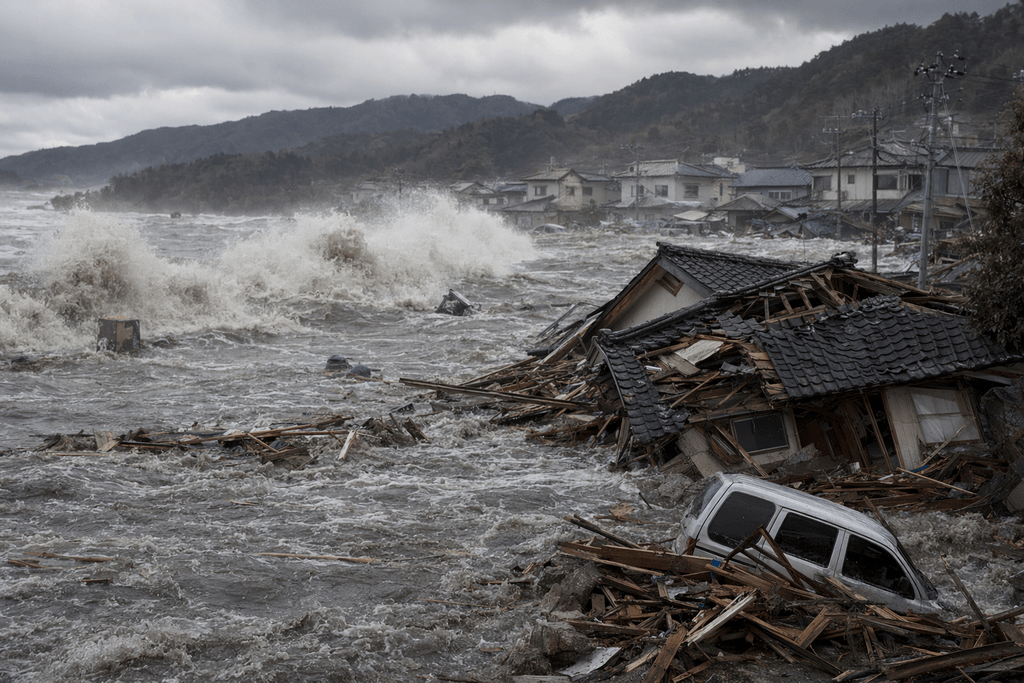
災害
ආපදාව
災害
ආපදාව
Explanation
災害
ආපදාව
災害
විපත / අපදා / විනාශකාරී අත්වැරැද්ද
( Base form )
( romanization )
( hiragana )
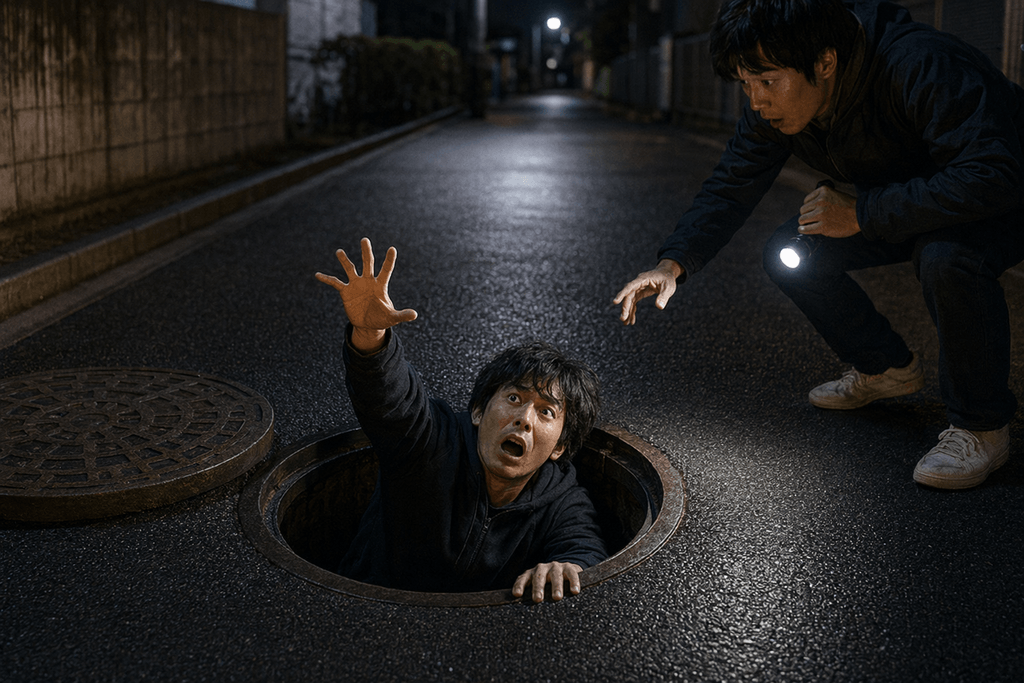
落ち込む
කලකිරෙනවා / පහළ වැටෙනවා
落ち込む
කලකිරෙනවා / පහළ වැටෙනවා
Explanation
落ち込む
කලකිරෙනවා / පහළ වැටෙනවා
落ち込む
(කුහරයකට වැනි තැනකට) වැටී යාම/අවැටී යාම / (මට්ටම/ආර්ථිකය ආදිය) පහත වැටීම, බෑවුමට යාම / මනසින් කඩා වැටීම, දුක්වීම/උදාසීන වීම
Word Forms
The basic and commonly used forms of this verb.
Basic forms
| Form | Word form | Usage |
|---|---|---|
| Imperfective form (mizenkei) |
Alternative:
落ち込も
|
Connects to endings such as nai, reru, and seru. |
| Continuative form (renyokei) | Connects to endings such as masu, tai, and ta. | |
| Conclusive form (shushikei) | Ends a sentence and serves as the dictionary form. | |
| Attributive form (rentaikei) | Modifies a noun. | |
| Conditional form (kateikei) | Combines with ba to express a condition. | |
| Imperative form (meireikei) | Expresses a command or instruction. |
Common forms
| Form | Word form | Usage |
|---|---|---|
| Te-form | Connects clauses with te. | |
| Ta-form | Expresses the past with ta. | |
| Nai-form |
Alternative:
落ち込まぬ
落ち込まん
|
Expresses negation with nai. |
| Masu-form | Used for polite speech. | |
| Ba-form | Expresses a condition with ba. | |
| Volitional form | Expresses intention or invitation. |
Loading...

JLPT N1 多言語単語帳・3032語 / JLPT N1 Multilingual Vocabulary: 3032 Words

Jonathan Waller 氏の JLPT Resources の語彙リスト・レベル分類を出典とし、CC BY の条件に従って DiQt が学習者向けに意味を作り直した3032語の単語帳です。JLPT公式の語彙リストではありません。
This collection of 3032 words is based on the vocabulary list and level classifications in Jonathan Waller’s JLPT Resources under CC BY, with meanings rewritten by DiQt for learners. It is not an official JLPT vocabulary list.
Key Operations
Select the first quiz:
Ctrl + Enter
View Explanation:Ctrl + G
Close a feedback:Esc
When selecting a quiz
Answer:Enter
Select a choice:↓ or ↑
Reading out the question:Ctrl + K
View Hint: Ctrl + M
I don't know: Ctrl + Y



