
JLPT N1 වචන අර්ථ පුහුණුව - Unsolved

පිළිතුරු විකල්ප හතරක් ඇති ප්රශ්න මඟින් JLPT N1 වචන 3032ක අර්ථ සිංහලෙන් ඉගෙන ගන්න.
-
සමාන කොටස් දෙකකට
-
සමහර විට
-
වැහැරුණු / අධෛර්යයට පත්
-
වායු ධාරාව
-
මූලික විමර්ශනය
-
උද්යෝගය
-
අඩු කරනවා
-
සපයා තිබෙනවා / සතු වෙනවා
-
වරදිනවා
-
අඳුර / නීතිවිරෝධී වෙළඳාම
-
නිරුත්තර බව / එපාවීම
-
සම්පූර්ණ විනාශය
-
හරියටම ඉහළ
-
ප්රථම උපාධිය
-
ගිනි දැල්වීම
-
මුදල් පොලිය
-
පරිත්යාගය
-
ගැළපෙන කට්ටලය
-
ඡන්දය
-
රසය / ආකර්ෂණය
-
කියවා ලියවීම
-
විසඳීමට යෙදෙනවා
-
නිරත වෙනවා
-
කොටස්වලට වෙන් කරනවා / මෙහෙයවනවා
- ラ行五段活用。連用形+て/たでは促音便(操って・操った)。
-
අවසානය තෙක් කරනවා
-
චරිතයක් රඟපෑම
-
ඇලී ගැලී සිටිනවා / තද වෙනවා
-
සිවිල් යුද්ධය
-
නිල පිළිගැනීම
-
පැමිණ සිටින සියල්ලන්
自ずから
ඉබේම
自ずから
ඉබේම
Explanation
自ずから
ඉබේම
自ずから
ස්වයංව / ස්වාභාවිකව / තනිවම

( Base form )
( romanization )
片付け
අස්පස් කිරීම
片付け
අස්පස් කිරීම
Explanation
片付け
අස්පස් කිරීම
片付け
පිළිවෙලට සකස් කිරීම / පිරිසිදු කර සකස් කිරීම / අවුල් අඩු කර පිළිවෙලට තැබීම

( Base form )
( romanization )
導く
මඟ පෙන්වනවා
導く
මඟ පෙන්වනවා
Explanation
導く
මඟ පෙන්වනවා
導く
මඟ පෙන්වීම / නායකත්වය දීම / නියාමනය කරගෙන යාම

Word Forms
The basic and commonly used forms of this verb.
Basic forms
| Form | Word form | Usage |
|---|---|---|
| Imperfective form (mizenkei) |
Alternative:
導こ
|
Connects to endings such as nai, reru, and seru. |
| Continuative form (renyokei) | Connects to endings such as masu, tai, and ta. | |
| Conclusive form (shushikei) | Ends a sentence and serves as the dictionary form. | |
| Attributive form (rentaikei) | Modifies a noun. | |
| Conditional form (kateikei) | Combines with ba to express a condition. | |
| Imperative form (meireikei) | Expresses a command or instruction. |
Common forms
動機
චේතනාව
動機
චේතනාව
Explanation
動機
චේතනාව
動機
ප්රේරණය / අභිප්රේතය / ක්රියාකිරීමට හේතුව

( Base form )
( romanization )
( hiragana )
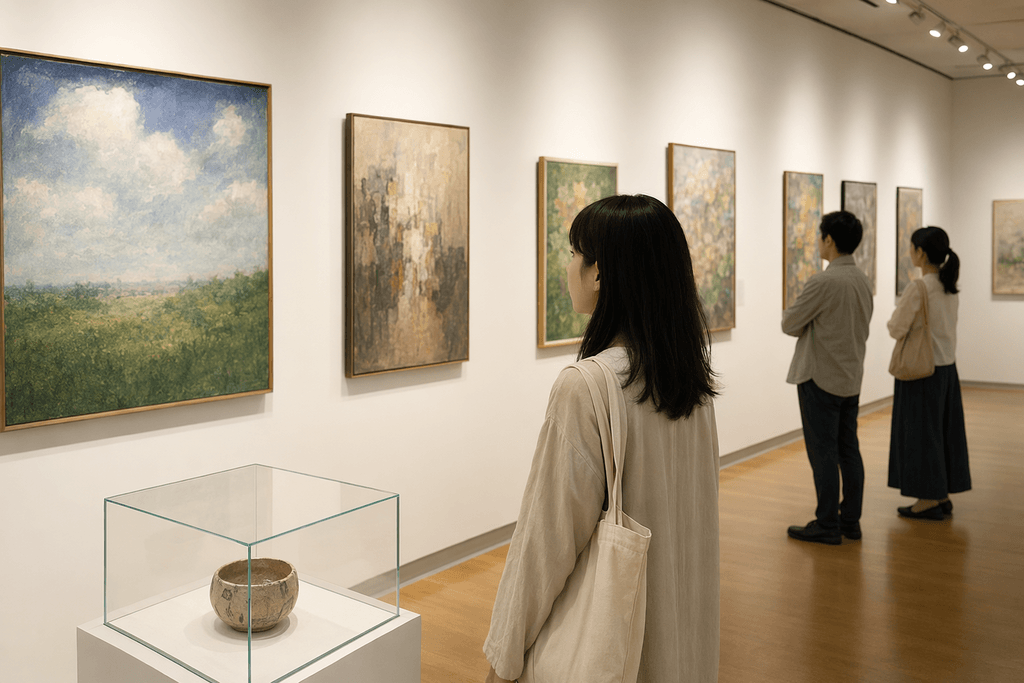
展示
ප්රදර්ශන කිරීම
展示
ප්රදර්ශන කිරීම
Explanation
展示
ප්රදර්ශන කිරීම
展示
ප්රදර්ශනය / දර්ශනය/පෙන්වීම / ප්රදර්ශන වස්තු
මෙම කෞතුකාගාරයේ ප් රදර්ශනය ව් යුහගත කර ඇත්තේ පශ්චාත් යුද ජපානයේ මතකය සම්ප් රේෂණය කිරීම වටා ඇති කතිකාව නැවත සලකා බැලීමට නරඹන්නන් පොළඹවන පරිදි ය.
( Base form )
( romanization )
( hiragana )
発病
රෝගය ඇරඹීම
発病
රෝගය ඇරඹීම
Explanation
発病
රෝගය ඇරඹීම
発病
රෝගය ඇරඹීම / රෝගාක්රමණය

( Base form )
( romanization )
( romanization )
( kyūjitai )
( hiragana historical )
( hiragana )
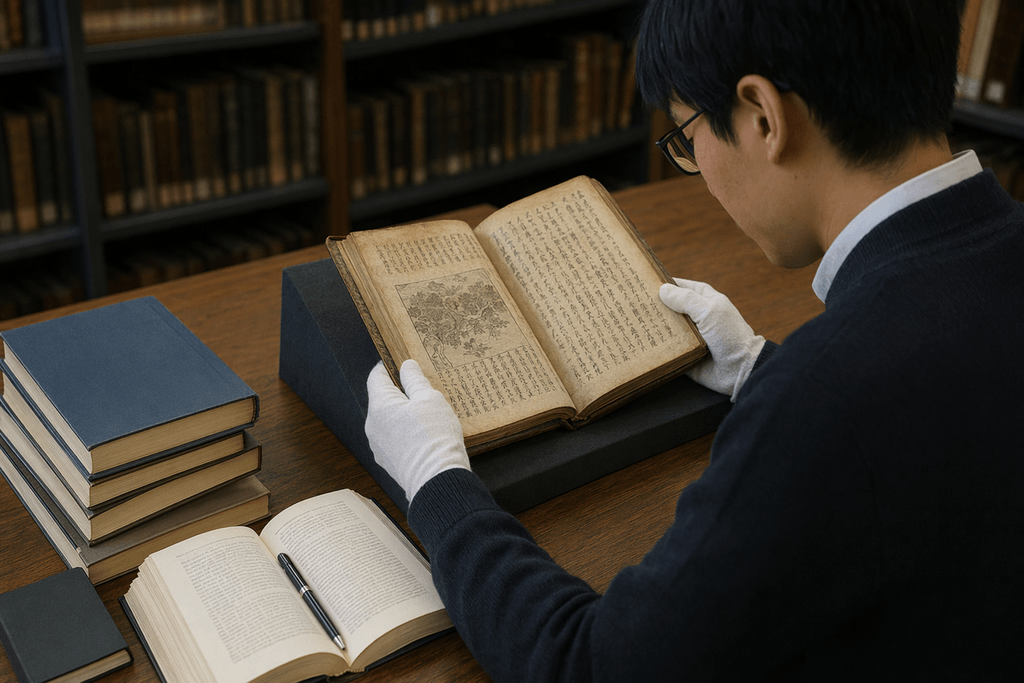
原典
මුල් මූලාශ්ර පාඨය
原典
මුල් මූලාශ්ර පාඨය
Explanation
原典
මුල් මූලාශ්ර පාඨය
原典
මුල් ප්රභව ග්රන්ථය / මුල් සංස්කරණය / ප්රාථමික මූලාශ්රය
( Base form )
( romanization )
( hiragana )
操る
හසුරුවනවා / ක්රියා කරවනවා
操る
හසුරුවනවා / ක්රියා කරවනවා
Explanation
操る
හසුරුවනවා / ක්රියා කරවනවා
操る
පාලනය කිරීම / මෙහෙයවීම/ක්රියාත්මක කිරීම / කපටි ලෙස නියාමනය කිරීම (පසුපසින් නූල් ඇදීම)

Word Forms
The basic and commonly used forms of this verb.
Basic forms
| Form | Word form | Usage |
|---|---|---|
| Imperfective form (mizenkei) |
Alternative:
操ろ
|
Connects to endings such as nai, reru, and seru. |
| Continuative form (renyokei) | Connects to endings such as masu, tai, and ta. | |
| Conclusive form (shushikei) | Ends a sentence and serves as the dictionary form. | |
| Attributive form (rentaikei) | Modifies a noun. | |
| Conditional form (kateikei) | Combines with ba to express a condition. | |
| Imperative form (meireikei) | Expresses a command or instruction. |
Common forms
| Form | Word form | Usage |
|---|---|---|
| Te-form | Connects clauses with te. | |
| Ta-form | Expresses the past with ta. | |
| Nai-form | Expresses negation with nai. | |
| Masu-form | Used for polite speech. | |
| Ba-form | Expresses a condition with ba. | |
| Volitional form | Expresses intention or invitation. |
Notes
澄ます
පැහැදිලි කරනවා / සන්සුන්ව සිටිනවා
澄ます
පැහැදිලි කරනවා / සන්සුන්ව සිටිනවා
Explanation
澄ます
පැහැදිලි කරනවා / සන්සුන්ව සිටිනවා
澄ます
පැහැදිලි කිරීම / පැහැදිලි වීම / මනස සන්සුන් කරගැනීම / කන් තදකර අවධානයෙන් ඇසීම
ඔහු විවේචන හඬට කන දී ඇහුම්කන් දෙනවා වගේ පෙනී සිටියත්, තමන්ට අසහනය ඇති කරන අපහසු සත්යයන් පමණක් නිරායාසයෙන්ම හුදෙක්ම ඇහුම් නොවී ගියා වගේ කරලා දමාගත්තේය.

Word Forms
The basic and commonly used forms of this verb.
Basic forms
| Form | Word form | Usage |
|---|---|---|
| Imperfective form (mizenkei) |
Alternative:
澄まそ
|
Connects to endings such as nai, reru, and seru. |
| Continuative form (renyokei) | Connects to endings such as masu, tai, and ta. | |
| Conclusive form (shushikei) | Ends a sentence and serves as the dictionary form. | |
| Attributive form (rentaikei) | Modifies a noun. | |
| Conditional form (kateikei) | Combines with ba to express a condition. | |
| Imperative form (meireikei) | Expresses a command or instruction. |
Common forms
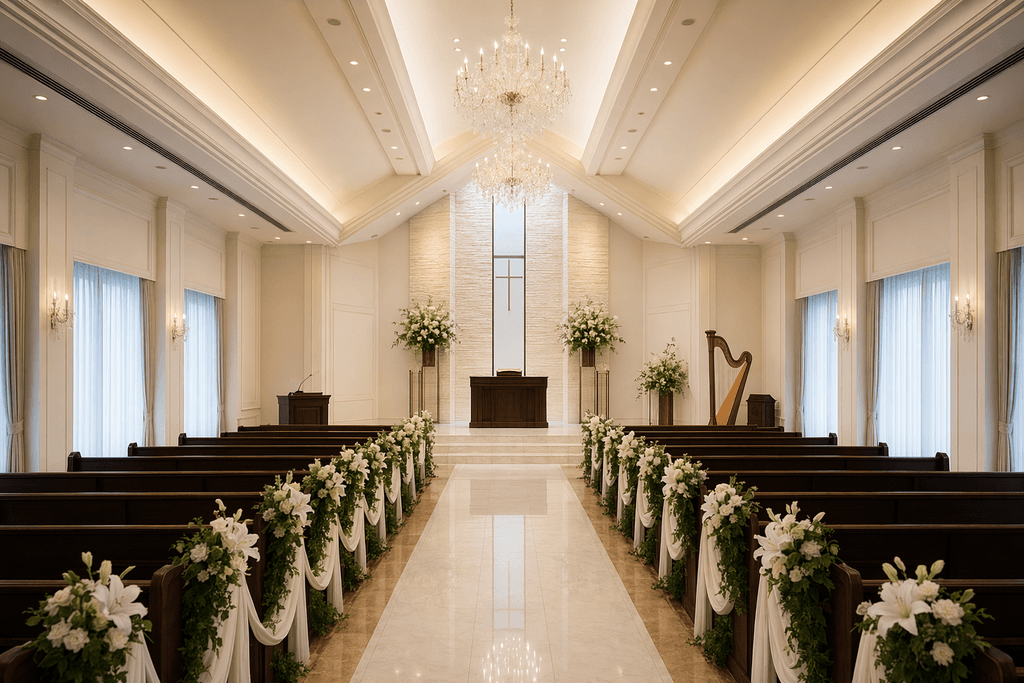
式場
උත්සව ශාලාව
式場
උත්සව ශාලාව
Explanation
式場
උත්සව ශාලාව
式場
උත්සව ශාලාව / විවාහ උත්සව ශාලාව / චාරිත්ර පැවැත්වෙන මණ්ඩපය
( Base form )
( romanization )
( hiragana )
Loading...

JLPT N1 多言語単語帳・3032語 / JLPT N1 Multilingual Vocabulary: 3032 Words

Jonathan Waller 氏の JLPT Resources の語彙リスト・レベル分類を出典とし、CC BY の条件に従って DiQt が学習者向けに意味を作り直した3032語の単語帳です。JLPT公式の語彙リストではありません。
This collection of 3032 words is based on the vocabulary list and level classifications in Jonathan Waller’s JLPT Resources under CC BY, with meanings rewritten by DiQt for learners. It is not an official JLPT vocabulary list.
Key Operations
Select the first quiz:
Ctrl + Enter
View Explanation:Ctrl + G
Close a feedback:Esc
When selecting a quiz
Answer:Enter
Select a choice:↓ or ↑
Reading out the question:Ctrl + K
View Hint: Ctrl + M
I don't know: Ctrl + Y



