
JLPT N1 වචන අර්ථ පුහුණුව - Unsolved

පිළිතුරු විකල්ප හතරක් ඇති ප්රශ්න මඟින් JLPT N1 වචන 3032ක අර්ථ සිංහලෙන් ඉගෙන ගන්න.
-
දැඩි
-
හිස් වූ / හිස් බැල්මැති
-
ලස්සන / පිරිසිදු
-
පහත වැටීම
-
එක්වීම
-
ධීවර ගම්මානය
-
උපන් ගම
-
ණය
-
මුද්රණය නවතා ඇති තත්ත්වය
-
පාලනය කරනවා
-
උඩඟු වෙනවා
-
තෙතමනය උරාගන්නවා
-
රෙදි වියනවා
-
ඇඟිලිවලින් ගන්නවා
-
ගෙන එනවා
-
හෙම්බත් වෙනවා
-
සපයා තිබෙනවා / සතු වෙනවා
-
ලිහිල් වෙනවා
-
දෛනික දීමනාව
-
භක්තිකයා
-
අළු පැහැය
-
සංචාරක මඟපෙන්වන්නා
-
මඳහස
-
කොටස / එක් පිටපතක්
-
සම්පූර්ණ වෙනස
-
අපැහැදිලි බව
-
සැහැල්ලු ජැකට්ටුව
-
රැකියා ස්ථානය
-
ක්ෂණය
-
පෙන්වා දීම
正当
නීත්යනුකූල / සාධාරණීකරණය කළ හැකි
正当
නීත්යනුකූල / සාධාරණීකරණය කළ හැකි
Explanation
正当
නීත්යනුකූල / සාධාරණීකරණය කළ හැකි
正当
නීතිසම්මත / යුක්තිසහගත / නිසි/යෝග්ය

Word Forms
The basic and commonly used forms of this adjectival noun.
Basic forms
| Form | Word form | Usage |
|---|---|---|
| Imperfective form (mizenkei) | Used in forms such as darou. | |
| Continuative form (renyokei) |
Alternative:
正当に
|
Used with de or ni. |
| Conclusive form (shushikei) | Ends a sentence with da. | |
| Attributive form (rentaikei) |
Alternative:
正当である
|
Modifies a noun with na. |
| Conditional form (kateikei) |
Alternative:
正当であれば
|
Expresses a condition with nara. |
| Imperative form (meireikei) | Used in formal expressions such as de are. |
Common forms
崇拝
වන්දනාව
崇拝
වන්දනාව
Explanation
崇拝
වන්දනාව
崇拝
වන්දනා කිරීම / ආදර ගෞරවය / පූජා භක්තිය

( Base form )
( romanization )
( kyūjitai )
( hiragana )
遺跡
ඓතිහාසික නටබුන්
遺跡
ඓතිහාසික නටබුන්
Explanation
遺跡
ඓතිහාසික නටබුන්
遺跡
පුරාවිද්යාත්මක නටබුන් / ඓතිහාසික නටබුන් ස්ථානය / පුරාණ අවශේෂ
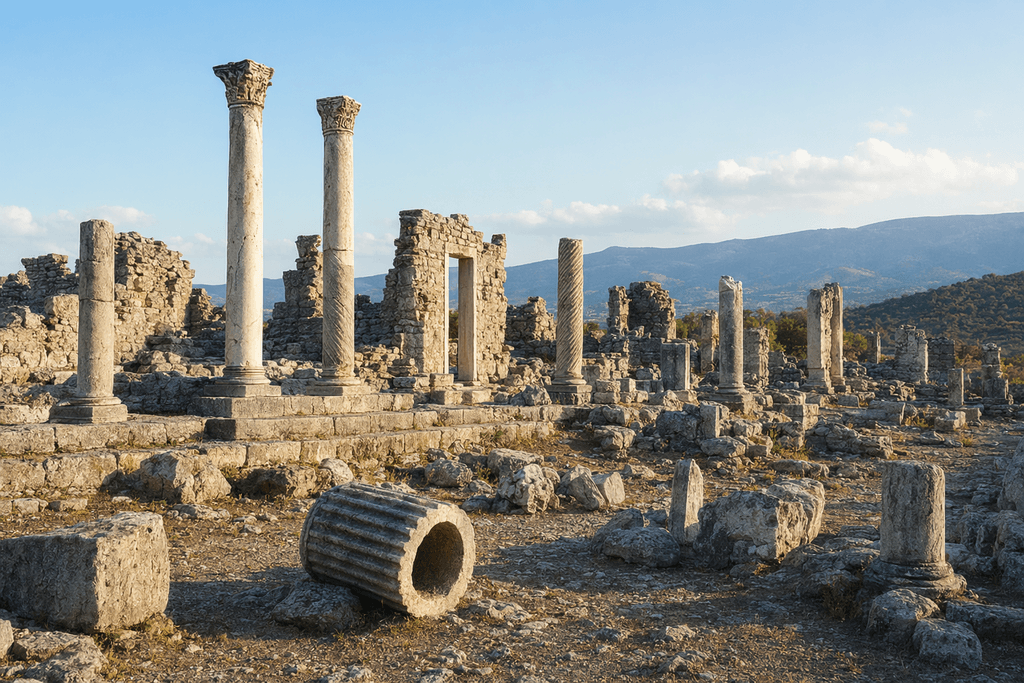
සංවර්ධන සැලැස්ම ඉදිරියට යන තරමට, කලින් පැවති සිවිලිසම පිළිබඳ කතාව කියන නෂ්ටාවශේෂ එකින් එක අතුරුදහන් වෙයිදැයි කියා සැලකිලිමත් වීමට හේතු වන අසංකාව පවතී.
( Base form )
( romanization )
( romanization )
( hiragana historical )
( hiragana )
取り寄せる
ඇණවුම් කර ගෙන්වනවා
取り寄せる
ඇණවුම් කර ගෙන්වනවා
Explanation
取り寄せる
ඇණවුම් කර ගෙන්වනවා
取り寄せる
(වෙනත් ස්ථානයකින්) ඇණවුම් කර ගෙන්වාගන්න / ගෙන්වාගන්න / බලාගෙන්වාගන්න / (තැපෑලෙන් වැනි) ගෙන්වා ලබාගන්න

Word Forms
The basic and commonly used forms of this verb.
Basic forms
| Form | Word form | Usage |
|---|---|---|
| Imperfective form (mizenkei) | Connects to endings such as nai, reru, and seru. | |
| Continuative form (renyokei) | Connects to endings such as masu, tai, and ta. | |
| Conclusive form (shushikei) | Ends a sentence and serves as the dictionary form. | |
| Attributive form (rentaikei) | Modifies a noun. | |
| Conditional form (kateikei) | Combines with ba to express a condition. | |
| Imperative form (meireikei) |
Alternative:
取り寄せよ
|
Expresses a command or instruction. |
Common forms
面する
දෙසට මුහුණලා තිබෙනවා
面する
දෙසට මුහුණලා තිබෙනවා
Explanation
面する
දෙසට මුහුණලා තිබෙනවා
面する
මුහුණලා තිබීම / (දෙසට) යොමුවී තිබීම / මුහුණ දීම / සෘජුව මුහුණට මුහුණ පත්වීම (සම්මුඛ වීම)
නව කාර්යාල ගොඩනැගිල්ල මුහුදට මුහුණලා ඉදිකර ඇති බැවින්, ආපදා ප්රතිචාරක පියවරවල දෘෂ්ටිකෝණයෙන්ද සුනාමි අවදානම සැලකිල්ලට ගත් නිර්මාණයක් අවශ්ය වේ.

Word Forms
The basic and commonly used forms of this verb.
Basic forms
| Form | Word form | Usage |
|---|---|---|
| Imperfective form (mizenkei) |
Alternative:
面せ
面さ
|
Connects to endings such as nai, reru, and seru. |
| Continuative form (renyokei) | Connects to endings such as masu, tai, and ta. | |
| Conclusive form (shushikei) | Ends a sentence and serves as the dictionary form. | |
| Attributive form (rentaikei) | Modifies a noun. | |
| Conditional form (kateikei) | Combines with ba to express a condition. | |
| Imperative form (meireikei) |
Alternative:
面せよ
|
Expresses a command or instruction. |
Common forms
問い合わせる
විමසනවා
問い合わせる
විමසනවා
Explanation
問い合わせる
විමසනවා
問い合わせる
විමසීමක් කිරීම / තොරතුරු සොයමින් විමසීම / සම්බන්ධ වී තොරතුරු ඉල්ලා සිටීම

Word Forms
The basic and commonly used forms of this verb.
Basic forms
| Form | Word form | Usage |
|---|---|---|
| Imperfective form (mizenkei) | Connects to endings such as nai, reru, and seru. | |
| Continuative form (renyokei) | Connects to endings such as masu, tai, and ta. | |
| Conclusive form (shushikei) | Ends a sentence and serves as the dictionary form. | |
| Attributive form (rentaikei) | Modifies a noun. | |
| Conditional form (kateikei) | Combines with ba to express a condition. | |
| Imperative form (meireikei) |
Alternative:
問い合わせよ
|
Expresses a command or instruction. |
Common forms
差異
වෙනස
差異
වෙනස
Explanation
差異
වෙනස
差異
වෙනස / අතරමැදි වෙනස / විචලනය

( Base form )
( romanization )
( hiragana )
欲望
ආශාව
欲望
ආශාව
Explanation
欲望
ආශාව
欲望
ආශාව / කාම ආශාව / ලෝභය

( Base form )
( romanization )
( hiragana )
事柄
කාරණය
事柄
කාරණය
Explanation
事柄
කාරණය
事柄
කාරණය / විෂය කරුණ / දේ / සිදුවීම

( Base form )
( romanization )
( hiragana )
鉄片
යකඩ කැබැල්ල
鉄片
යකඩ කැබැල්ල
Explanation
鉄片
යකඩ කැබැල්ල
鉄片
යකඩ කැබැල්ල / යකඩ කුඩු කැබැලි / යකඩ බිඳු

Loading...

JLPT N1 多言語単語帳・3032語 / JLPT N1 Multilingual Vocabulary: 3032 Words

Jonathan Waller 氏の JLPT Resources の語彙リスト・レベル分類を出典とし、CC BY の条件に従って DiQt が学習者向けに意味を作り直した3032語の単語帳です。JLPT公式の語彙リストではありません。
This collection of 3032 words is based on the vocabulary list and level classifications in Jonathan Waller’s JLPT Resources under CC BY, with meanings rewritten by DiQt for learners. It is not an official JLPT vocabulary list.
Key Operations
Select the first quiz:
Ctrl + Enter
View Explanation:Ctrl + G
Close a feedback:Esc
When selecting a quiz
Answer:Enter
Select a choice:↓ or ↑
Reading out the question:Ctrl + K
View Hint: Ctrl + M
I don't know: Ctrl + Y



