
JLPT N2 शब्दार्थ अभ्यास - Unsolved

चार विकल्प भएका प्रश्नबाट JLPT N2 का 1790 शब्दका अर्थ नेपालीमा सिक्नुहोस्।
-
रद्द गर्नु
-
मिसिनु
-
थाक्नु / जीर्ण हुनु
-
कार्यदिन
-
अभ्यास
-
पूरै शरीर / पूरा कदको
-
लकर
-
स्वाभाविक / साधारण
-
राजकुमारी
-
खातामा जम्मा गर्नु
-
ढल्नु
-
फर्कनु
-
अनुभवी व्यक्ति
-
क्षेत्रफल
-
निकटतम अङ्कमा गोलाइ
-
शङ्कास्पद / अनिश्चित
-
ठोस / जिद्दी
-
अशोभनीय
-
झुन्ड्याउनु
-
न्यानो हुनु
-
बोलाउनु / आह्वान गर्नु
-
तुलना गर्दा
-
नयाँ गरी / औपचारिक रूपमा
-
बिस्तारै / चुपचाप
-
मासिक तलब
-
चाल / सञ्चालन
-
स्वचालन
-
जलाउनु
-
एकत्रित हुनु / टुङ्गो लाग्नु
-
मूल फुटेर निस्कनु / उत्पन्न हुनु
思いつく
विचार फुर्नु
思いつく
विचार फुर्नु
Explanation
思いつく
विचार फुर्नु
思いつく
मनमा विचार आइ लाग्नु / अचानक उपाय/उत्तर सूझ्नु / उपाय वा विचार निकाल्नु

Word Forms
The basic and commonly used forms of this verb.
Basic forms
| Form | Word form | Usage |
|---|---|---|
| Imperfective form (mizenkei) |
Alternative:
思い付か
思いつこ
思い付こ
|
Connects to endings such as nai, reru, and seru. |
| Continuative form (renyokei) |
Alternative:
思い付き
|
Connects to endings such as masu, tai, and ta. |
| Conclusive form (shushikei) |
Alternative:
思い付く
|
Ends a sentence and serves as the dictionary form. |
| Attributive form (rentaikei) |
Alternative:
思い付く
|
Modifies a noun. |
| Conditional form (kateikei) |
Alternative:
思い付け
|
Combines with ba to express a condition. |
| Imperative form (meireikei) |
Alternative:
思い付け
|
Expresses a command or instruction. |
Common forms
| Form | Word form | Usage |
|---|---|---|
| Te-form |
Alternative:
思い付いて
|
Connects clauses with te. |
| Ta-form |
Alternative:
思い付いた
|
Expresses the past with ta. |
| Nai-form |
Alternative:
思い付かない
|
Expresses negation with nai. |
| Masu-form |
Alternative:
思い付きます
|
Used for polite speech. |
| Ba-form |
Alternative:
思い付けば
|
Expresses a condition with ba. |
| Volitional form |
Alternative:
思い付こう
|
Expresses intention or invitation. |
献立
भोजन योजना / खानाको सूची
献立
भोजन योजना / खानाको सूची
Explanation
献立
भोजन योजना / खानाको सूची
献立
मेनु / भोजनसूची / भोजन तालिका

( Base form )
( romanization )
( hiragana )
和英
जापानी-अङ्ग्रेजी
和英
जापानी-अङ्ग्रेजी
Explanation
和英
जापानी-अङ्ग्रेजी
和英
जापानी–अंग्रेजी / जापानी–अंग्रेजी शब्दकोश

( Base form )
( romanization )
( hiragana )
取り入れる
भित्र्याउनु / अपनाउनु
取り入れる
भित्र्याउनु / अपनाउनु
Explanation
取り入れる
भित्र्याउनु / अपनाउनु
取り入れる
भित्र ल्याउनु / बाली भित्र्याउनु / अपनाउनु

Word Forms
The basic and commonly used forms of this verb.
Basic forms
| Form | Word form | Usage |
|---|---|---|
| Imperfective form (mizenkei) | Connects to endings such as nai, reru, and seru. | |
| Continuative form (renyokei) | Connects to endings such as masu, tai, and ta. | |
| Conclusive form (shushikei) | Ends a sentence and serves as the dictionary form. | |
| Attributive form (rentaikei) | Modifies a noun. | |
| Conditional form (kateikei) | Combines with ba to express a condition. | |
| Imperative form (meireikei) |
Alternative:
取り入れよ
|
Expresses a command or instruction. |
Common forms
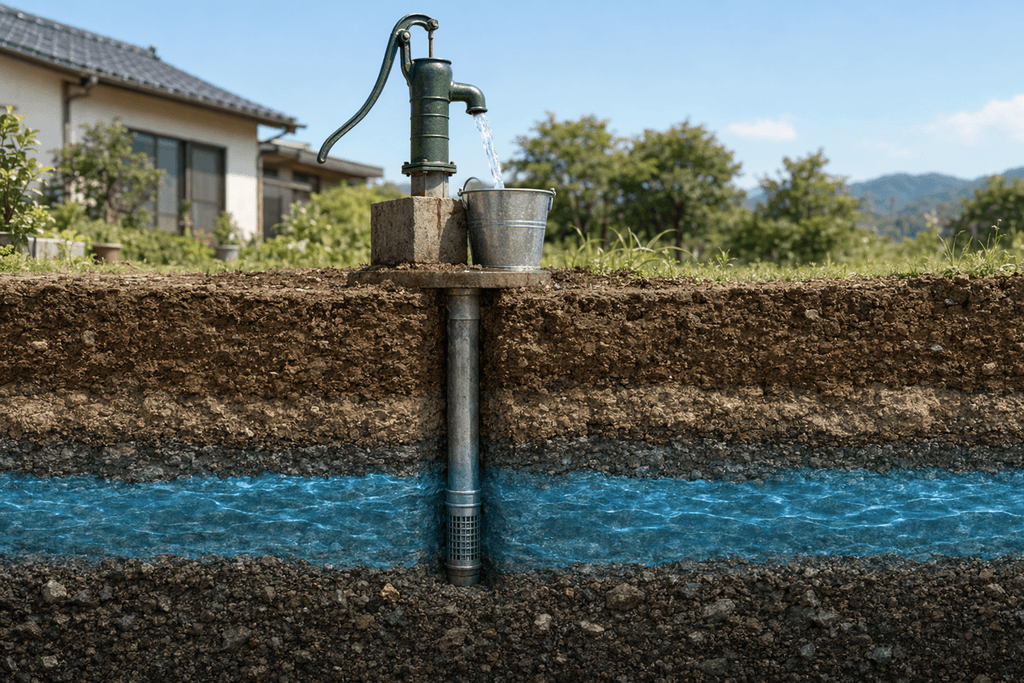
地下水
भूमिगत पानी
地下水
भूमिगत पानी
Explanation
地下水
भूमिगत पानी
地下水
भूजल / भूमिगत पानी / भूगर्भीय पानी
( Base form )
( romanization )
( hiragana )
茶色い
खैरो
茶色い
खैरो
Explanation
茶色い
खैरो
茶色い
खैरो / खैरो रङको / चियाझैं रङ भएको

Word Forms
The basic and commonly used forms of this adjective.
Basic forms
| Form | Word form | Usage |
|---|---|---|
| Imperfective form (mizenkei) | Used in forms such as karou; mainly literary. | |
| Continuative form (renyokei) |
Alternative:
茶色かっ
|
Used in forms such as kute and kunai. |
| Conclusive form (shushikei) | Ends a sentence. | |
| Attributive form (rentaikei) | Modifies a noun. | |
| Conditional form (kateikei) | Expresses a condition with kereba. | |
| Imperative form (meireikei) | Rarely used in modern Japanese. |
Common forms
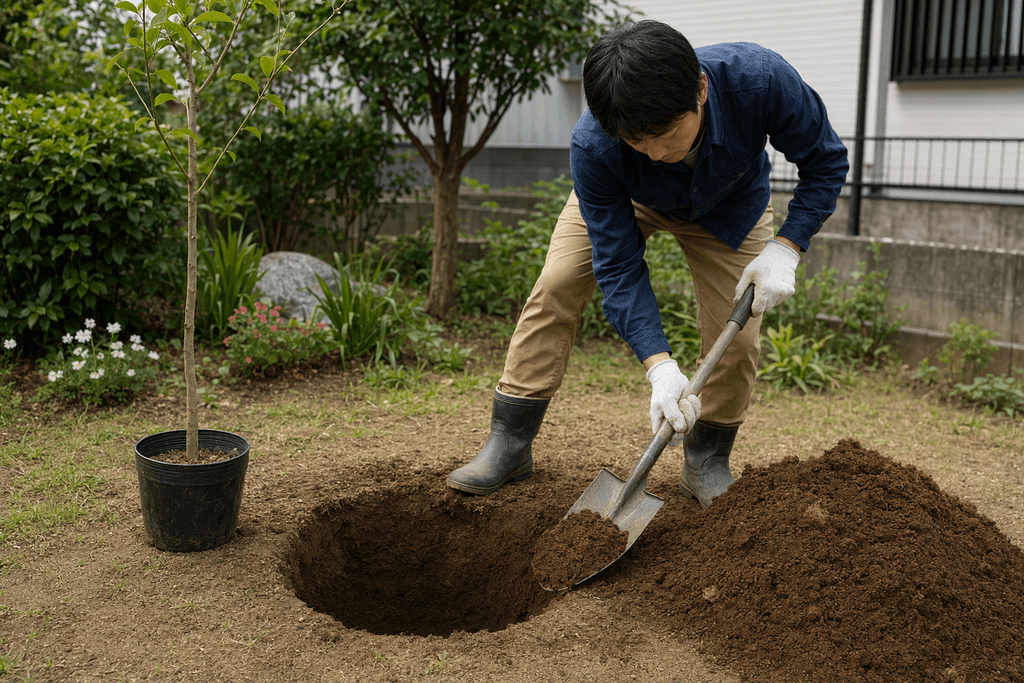
掘る
खन्नु
掘る
खन्नु
Explanation
掘る
खन्नु
掘る
खन्नु / उत्खनन गर्नु / (समलैंगिक स्ल्याङ) गुदा मैथुन गर्नु
Word Forms
The basic and commonly used forms of this verb.
Basic forms
| Form | Word form | Usage |
|---|---|---|
| Imperfective form (mizenkei) |
Alternative:
掘ろ
|
Connects to endings such as nai, reru, and seru. |
| Continuative form (renyokei) | Connects to endings such as masu, tai, and ta. | |
| Conclusive form (shushikei) | Ends a sentence and serves as the dictionary form. | |
| Attributive form (rentaikei) | Modifies a noun. | |
| Conditional form (kateikei) | Combines with ba to express a condition. | |
| Imperative form (meireikei) | Expresses a command or instruction. |
Common forms
どうせ
जे गरे पनि
どうせ
जे गरे पनि
Explanation
जे गरे पनि
どうせ
जे भए पनि / जसोतसो / आखिर त

( romanization )
日当たり
घाम लाग्ने अवस्था
日当たり
घाम लाग्ने अवस्था
Explanation
日当たり
घाम लाग्ने अवस्था
日当たり
घाम पर्ने अवस्था वा स्थिति / कुनै ठाउँमा पर्ने घामको मात्रा / घाम राम्रो लाग्ने स्थानको गुण

( romanization )
( romanization )
( hiragana historical )
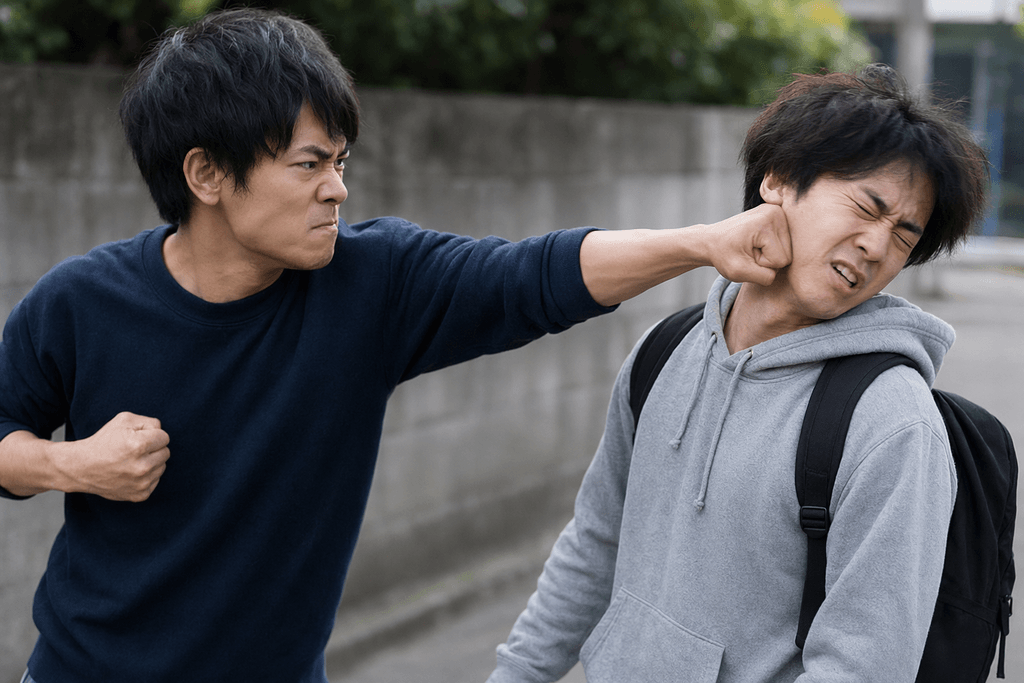
殴る
मुक्का हान्नु
殴る
मुक्का हान्नु
Explanation
殴る
मुक्का हान्नु
殴る
कुट्नु / हिर्काउनु / घूंसा हान्नु
Word Forms
The basic and commonly used forms of this verb.
Basic forms
| Form | Word form | Usage |
|---|---|---|
| Imperfective form (mizenkei) |
Alternative:
殴ろ
|
Connects to endings such as nai, reru, and seru. |
| Continuative form (renyokei) | Connects to endings such as masu, tai, and ta. | |
| Conclusive form (shushikei) | Ends a sentence and serves as the dictionary form. | |
| Attributive form (rentaikei) | Modifies a noun. | |
| Conditional form (kateikei) | Combines with ba to express a condition. | |
| Imperative form (meireikei) | Expresses a command or instruction. |
Common forms
Loading...

JLPT N2 多言語単語帳・1790語 / JLPT N2 Multilingual Vocabulary: 1790 Words

Jonathan Waller 氏の JLPT Resources の語彙リスト・レベル分類を出典とし、CC BY の条件に従って DiQt が学習者向けに意味を作り直した1790語の単語帳です。JLPT公式の語彙リストではありません。
This collection of 1790 words is based on the vocabulary list and level classifications in Jonathan Waller’s JLPT Resources under CC BY, with meanings rewritten by DiQt for learners. It is not an official JLPT vocabulary list.
Key Operations
Select the first quiz:
Ctrl + Enter
View Explanation:Ctrl + G
Close a feedback:Esc
When selecting a quiz
Answer:Enter
Select a choice:↓ or ↑
Reading out the question:Ctrl + K
View Hint: Ctrl + M
I don't know: Ctrl + Y



