
JLPT N2 शब्दार्थ अभ्यास - Unsolved

चार विकल्प भएका प्रश्नबाट JLPT N2 का 1790 शब्दका अर्थ नेपालीमा सिक्नुहोस्।
-
स्कार्फ
-
धारण क्षमता
-
छाला
-
सुक्खा भुट्नु
-
अरूलाई लुगा लगाइदिनु
-
सञ्चय गर्नु
-
हात धुने काम / शौचालय
-
निजी क्षेत्र / नागरिकहरू
-
अनुमान / पूर्वधारणा
-
जबरजस्ती गर्ने / ढिपी गर्ने
-
उत्पादन क्षेत्र
-
वाद्ययन्त्र
-
रेलको प्लेटफर्म
-
प्रक्रिया
-
मानव जीवन
-
वस्तु निर्माण
-
नातेदार
-
अन्धविश्वास
-
हिमआँधी
-
चिह्न
-
बगैँचाको रूख / गमलाको बिरुवा
-
आतसबाजी
-
नाइलन
-
टिकट जाँच / टिकट जाँचद्वार
-
परिकल्पना
-
हस्तलेखन अभ्यास
-
पोको पार्ने कपडा
-
मानविकी
-
व्यस्त समय
-
किनबेच
育児
बाल हेरचाह
育児
बाल हेरचाह
Explanation
育児
बाल हेरचाह
育児
बालसंगोपन / बाल हेरचाह / सन्तान पालन-पोषण

( Base form )
( romanization )
( kyūjitai )
( hiragana )
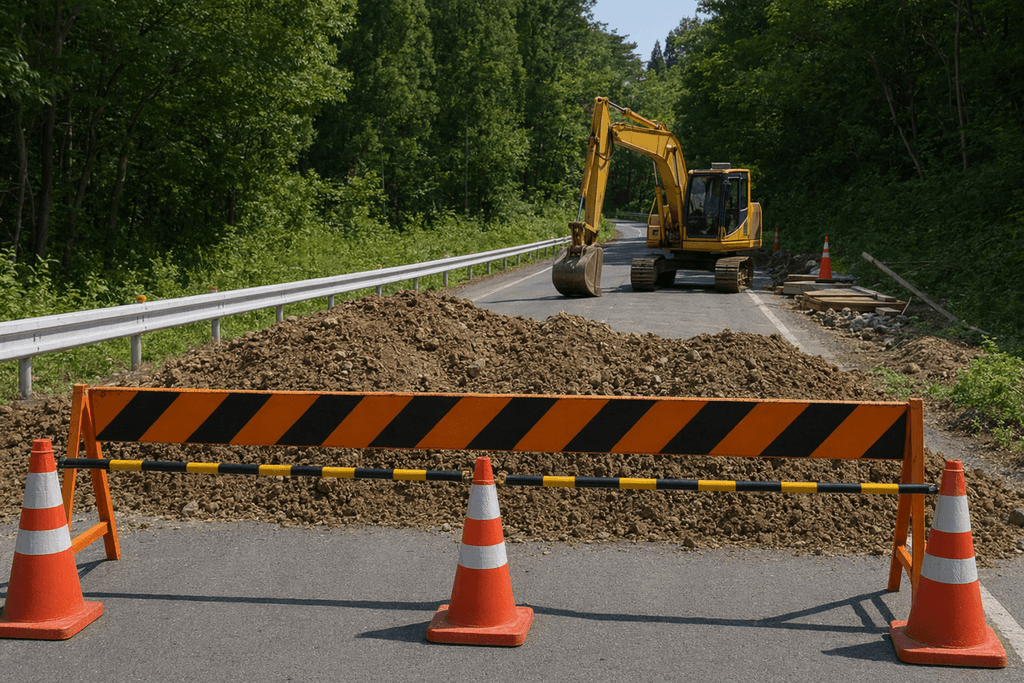
塞ぐ
थुन्नु
塞ぐ
थुन्नु
Explanation
塞ぐ
थुन्नु
塞ぐ
बन्द गर्नु; ढाक्नु / छेक्नु; रोक्नु; थुन्नु / खाली ठाउँ भर्नु; सिट/स्थान ओगट्नु
Word Forms
The basic and commonly used forms of this verb.
Basic forms
| Form | Word form | Usage |
|---|---|---|
| Imperfective form (mizenkei) |
Alternative:
塞ご
|
Connects to endings such as nai, reru, and seru. |
| Continuative form (renyokei) | Connects to endings such as masu, tai, and ta. | |
| Conclusive form (shushikei) | Ends a sentence and serves as the dictionary form. | |
| Attributive form (rentaikei) | Modifies a noun. | |
| Conditional form (kateikei) | Combines with ba to express a condition. | |
| Imperative form (meireikei) | Expresses a command or instruction. |
Common forms
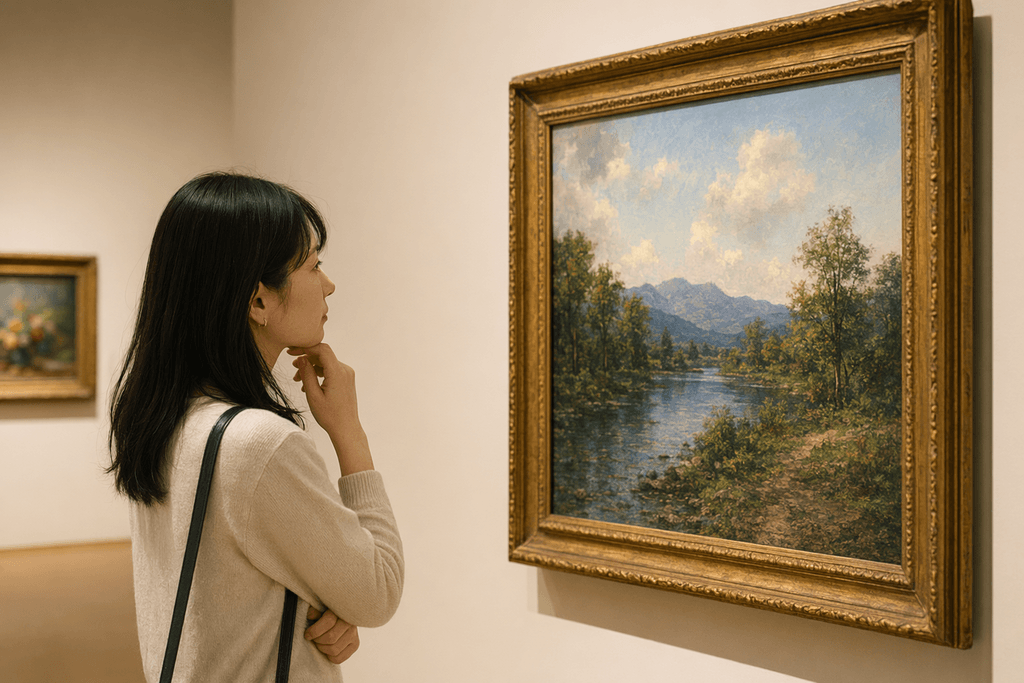
鑑賞
कलाको रसास्वादन
鑑賞
कलाको रसास्वादन
Explanation
鑑賞
कलाको रसास्वादन
鑑賞
कला, साहित्य, संगीत आदिको रसास्वादन / सौन्दर्यबोध / कदर
( Base form )
( romanization )
( romanization )
( stem )
( Past )
( hiragana historical )
( table-tags )
( inflection-template )
( imperfective stem )
( imperfective stem )
( imperfective )
( continuative stem )
( continuative stem )
( continuative )
( stem terminative )
( stem terminative )
( terminative )
( attributive stem )
( attributive stem )
( attributive )
( hypothetical stem )
( hypothetical stem )
( hypothetical )
( Imperative literary stem )
( colloquial Imperative stem )
( Imperative literary stem )
( colloquial Imperative stem )
( Imperative literary )
( colloquial Imperative )
( Passive voice )
( Passive voice )
( Passive voice )
( causative )
( causative )
( causative )
( causative )
( causative )
( causative )
( potential )
( potential )
( potential )
( volitional )
( volitional )
( volitional )
( negative )
( negative )
( negative )
( continuative negative )
( continuative negative )
( continuative negative )
( formal )
( formal )
( formal )
( perfective )
( perfective )
( perfective )
( conjunctive )
( conjunctive )
( conjunctive )
( Conditional hypothetical )
( Conditional hypothetical )
( Conditional hypothetical )
短所
कमजोर पक्ष / बेफाइदा
短所
कमजोर पक्ष / बेफाइदा
Explanation
短所
कमजोर पक्ष / बेफाइदा
短所
कमजोरी / कमजोर पक्ष / अवगुण

( Base form )
( romanization )
( hiragana )
謙遜
नम्र व्यवहार
謙遜
नम्र व्यवहार
Explanation
謙遜
नम्र व्यवहार
謙遜
विनम्रता / नम्रता / आत्मप्रशंसा नगर्ने स्वभाव

( Base form )
( romanization )
( adnominal )
( adverbial )
( hiragana )
( table-tags )
( inflection-template )
( imperfective stem )
( imperfective stem )
( imperfective )
( continuative stem )
( continuative stem )
( continuative )
( stem terminative )
( stem terminative )
( terminative )
( attributive stem )
( attributive stem )
( attributive )
( hypothetical stem )
( hypothetical stem )
( hypothetical )
( Imperative stem )
( Imperative stem )
( Imperative )
( informal negative )
( informal negative )
( informal negative )
( informal negative )
( informal negative )
( informal negative )
( informal Past )
( informal Past )
( informal Past )
( informal negative Past )
( informal negative Past )
( informal negative Past )
( informal negative Past )
( informal negative Past )
( informal negative Past )
( formal )
( formal )
( formal )
( formal negative )
( formal negative )
( formal negative )
( formal negative )
( formal negative )
( formal negative )
( formal Past )
( formal Past )
( formal Past )
( formal negative Past )
( formal negative Past )
( formal negative Past )
( formal negative Past )
( formal negative Past )
( formal negative Past )
( conjunctive )
( conjunctive )
( conjunctive )
( Conditional )
( Conditional )
( Conditional )
( Conditional Past )
( Conditional Past )
( Conditional Past )
( volitional )
( volitional )
( volitional )
( adverbial )
( adverbial )
( adverbial )
( noun-from-adj )
( noun-from-adj )
( noun-from-adj )
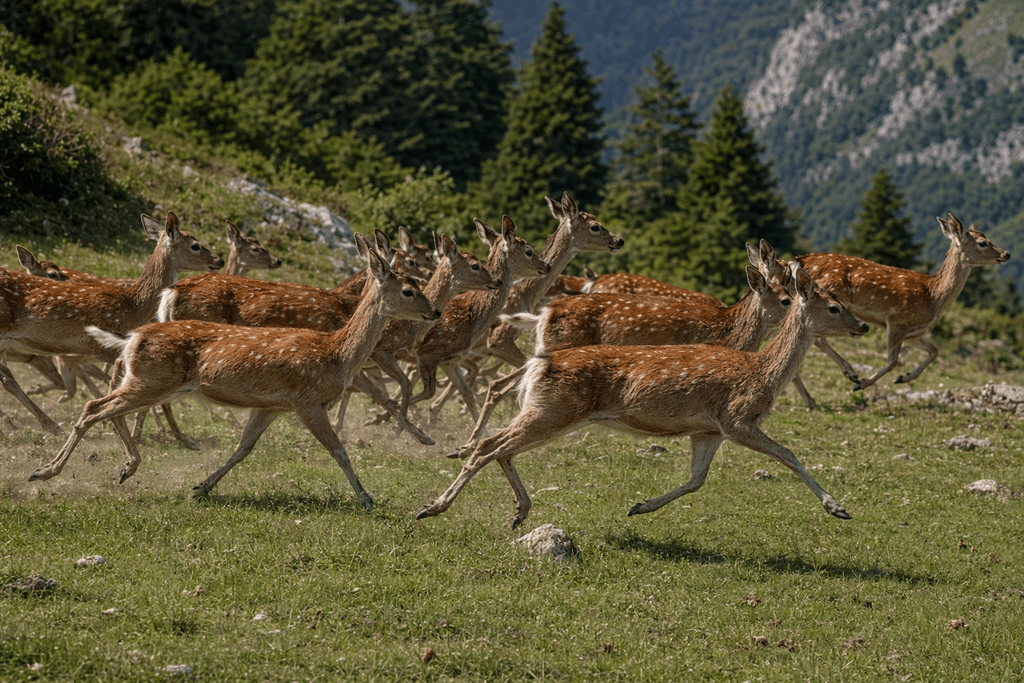
群れ
चराको बथान / जनावरको बथान
群れ
चराको बथान / जनावरको बथान
Explanation
群れ
चराको बथान / जनावरको बथान
群れ
जनावरहरूको झुण्ड / बथान / जनावरहरूको समूह
( romanization )
( hiragana historical )
中年
अधेँड उमेर
中年
अधेँड उमेर
Explanation
中年
अधेँड उमेर
中年
मध्य उमेर / मध्यावस्था / पाको उमेर

( Base form )
( romanization )
( hiragana )
ビニール
भिनाइल
ビニール
भिनाइल
Explanation
भिनाइल
ビニール
भिनाइल; प्लास्टिकको एक प्रकार / पीभीसी (पॉलीभिनाइल क्लोराइड)

( romanization )
確率
सम्भाव्यता
確率
सम्भाव्यता
Explanation
確率
सम्भाव्यता
確率
सम्भाव्यता / कुनै घटना घट्ने सम्भावना / घट्ने सम्भावनाको दर वा मापन

( Base form )
( romanization )
( hiragana )
もみじ
जापानी मेपल
もみじ
जापानी मेपल
Explanation
जापानी मेपल
もみじ
शरद ऋतुका रङ्गिएका पात / जापानी मेपल पातको डिजाइन भएको कुलचिन्ह / हरिणको मासु

( Base form )
( Base form )
( romanization )
Loading...

JLPT N2 多言語単語帳・1790語 / JLPT N2 Multilingual Vocabulary: 1790 Words

Jonathan Waller 氏の JLPT Resources の語彙リスト・レベル分類を出典とし、CC BY の条件に従って DiQt が学習者向けに意味を作り直した1790語の単語帳です。JLPT公式の語彙リストではありません。
This collection of 1790 words is based on the vocabulary list and level classifications in Jonathan Waller’s JLPT Resources under CC BY, with meanings rewritten by DiQt for learners. It is not an official JLPT vocabulary list.
Key Operations
Select the first quiz:
Ctrl + Enter
View Explanation:Ctrl + G
Close a feedback:Esc
When selecting a quiz
Answer:Enter
Select a choice:↓ or ↑
Reading out the question:Ctrl + K
View Hint: Ctrl + M
I don't know: Ctrl + Y



