
JLPT N2 शब्दार्थ अभ्यास - Unsolved

चार विकल्प भएका प्रश्नबाट JLPT N2 का 1790 शब्दका अर्थ नेपालीमा सिक्नुहोस्।
-
पोख्नु
-
संलग्न हुनु / असर पार्नु
-
विचलित हुनु / बाटोबाट हट्नु
-
ऊनको धागो
-
सन्तति
-
सरकारी कार्यालय
-
दौड / बाहुलाविहीन बनियान
-
भाँडो
-
लय
-
कसम खानु
-
फोटोमा देखिनु
-
गुञ्जिनु
-
विद्वत्ता
-
प्रकाश किरण
-
रेखाचित्र
-
छरपस्ट हुनु
-
पुलपुल्याउनु
-
घोच्नु / कोट्याउनु
-
अनावश्यक / अत्यधिक
-
निख्खर सेतो
-
मन्द ढलानको
- 「別々」は名詞的・副詞的にも用いられ、「別々に」「別々で」「別々の」の形がよく使われます。
-
आधार
-
साबुन
-
भवनबाहिर
-
बिर्को / भल्भ
-
मोटो डोरी
-
क्षमता / कर्मचारी दरबन्दी
-
शङ्खे जीव / शङ्खको खोल
-
मालसामान
-
माझी औँला
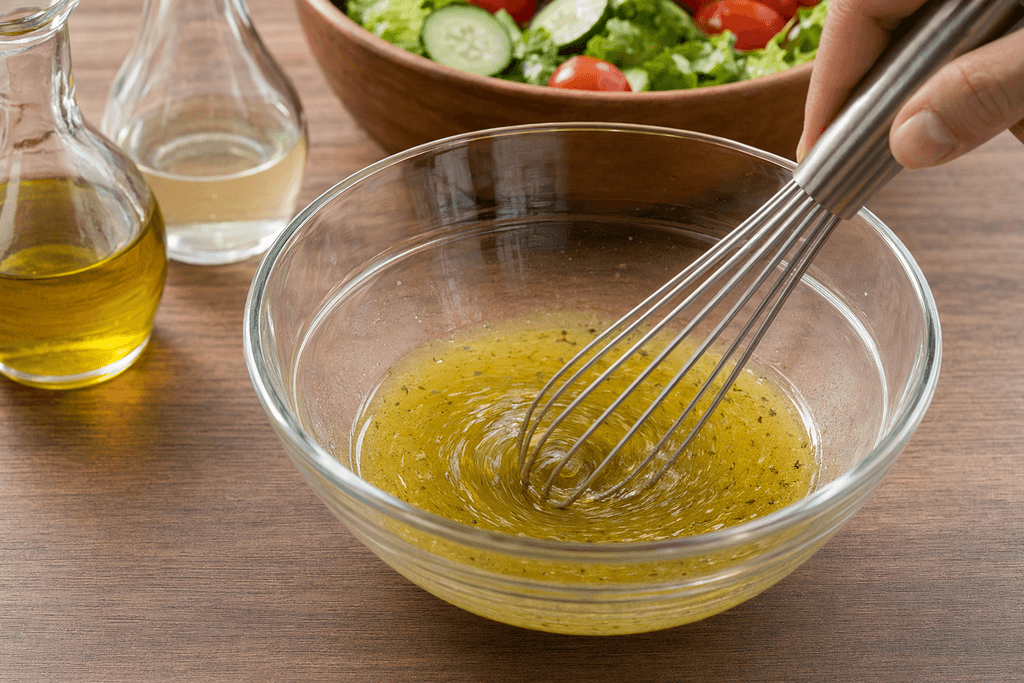
交ぜる
मिसाउनु
交ぜる
मिसाउनु
Explanation
交ぜる
मिसाउनु
交ぜる
मिसाउनु / मिश्रण गर्नु / घुलमिल गराउनु
Word Forms
The basic and commonly used forms of this verb.
Basic forms
| Form | Word form | Usage |
|---|---|---|
| Imperfective form (mizenkei) | Connects to endings such as nai, reru, and seru. | |
| Continuative form (renyokei) | Connects to endings such as masu, tai, and ta. | |
| Conclusive form (shushikei) | Ends a sentence and serves as the dictionary form. | |
| Attributive form (rentaikei) | Modifies a noun. | |
| Conditional form (kateikei) | Combines with ba to express a condition. | |
| Imperative form (meireikei) |
Alternative:
交ぜよ
|
Expresses a command or instruction. |
Common forms
ピストル
पेस्तोल
ピストル
पेस्तोल
Explanation
पेस्तोल
ピストル
पिस्तोल / हाते बन्दुक / हातले चलाइने सानो बन्दुक

( romanization )
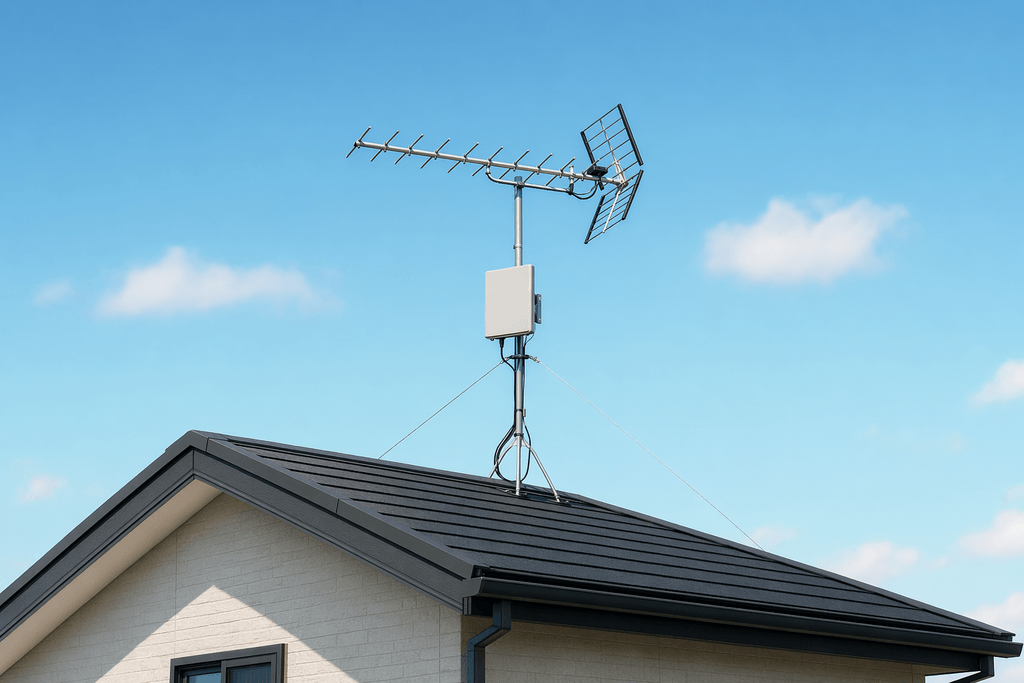
アンテナ
एन्टेना
アンテナ
एन्टेना
Explanation
एन्टेना
アンテナ
रेडियो वा टेलिभिजन सिग्नल प्राप्त/प्रेषण गर्ने उपकरण / इन्टरनेट: अन्य साइटहरूको अद्यावधिक/लिङ्क संकलन गर्ने वेबसाइट (‘एन्टेना साइट’ को संक्षेप)
( romanization )
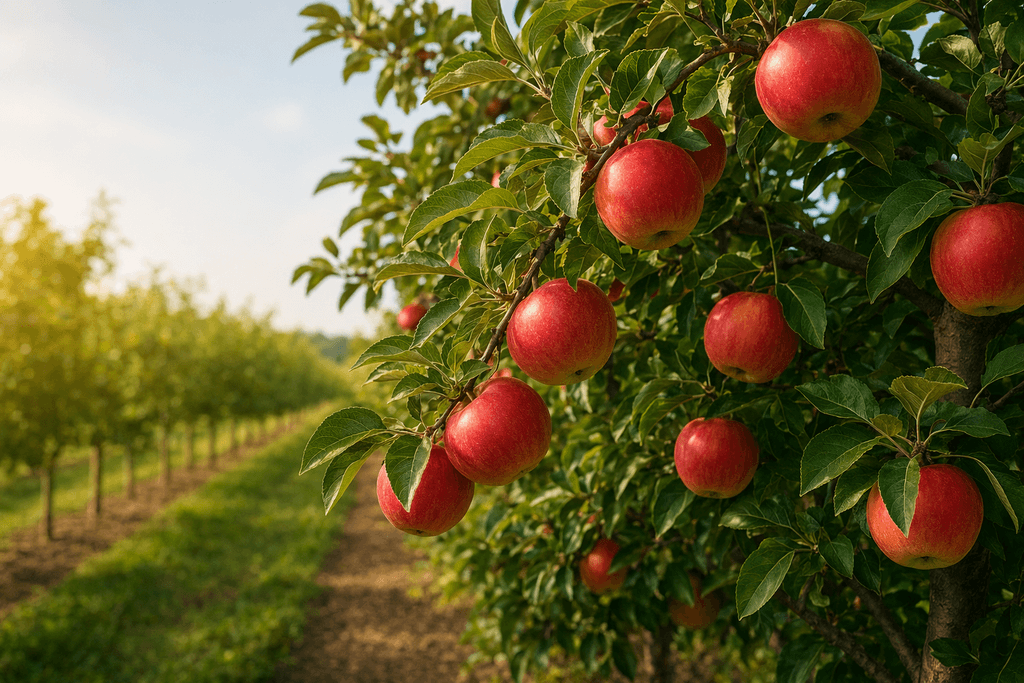
実る
फल लाग्नु / पाक्नु
実る
फल लाग्नु / पाक्नु
Explanation
実る
फल लाग्नु / पाक्नु
実る
फल लाग्नु / (बाली/फलफूल) पक्नु / (प्रयास) फलदायी हुनु
Word Forms
The basic and commonly used forms of this verb.
Basic forms
| Form | Word form | Usage |
|---|---|---|
| Imperfective form (mizenkei) |
Alternative:
実ろ
|
Connects to endings such as nai, reru, and seru. |
| Continuative form (renyokei) | Connects to endings such as masu, tai, and ta. | |
| Conclusive form (shushikei) | Ends a sentence and serves as the dictionary form. | |
| Attributive form (rentaikei) | Modifies a noun. | |
| Conditional form (kateikei) | Combines with ba to express a condition. | |
| Imperative form (meireikei) | Expresses a command or instruction. |
Common forms
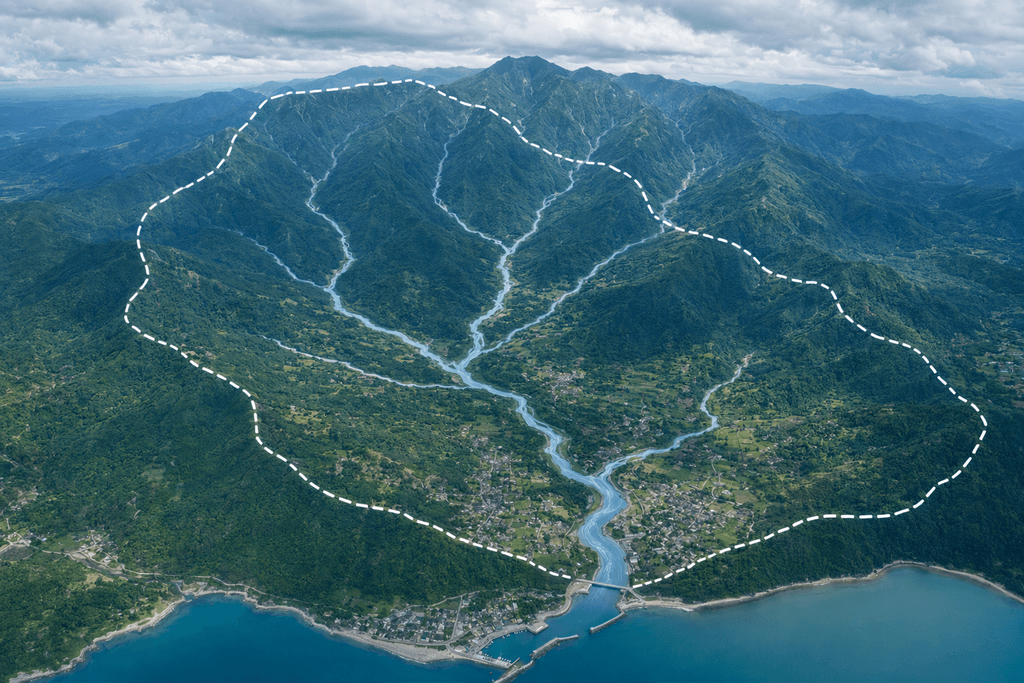
流域
नदीको जलाधार
流域
नदीको जलाधार
Explanation
流域
नदीको जलाधार
流域
नदी जलग्रहण क्षेत्र / नदी जलाधार / नदीको जल निकास क्षेत्र
( Base form )
( romanization )
( romanization )
( hiragana historical )
( hiragana )
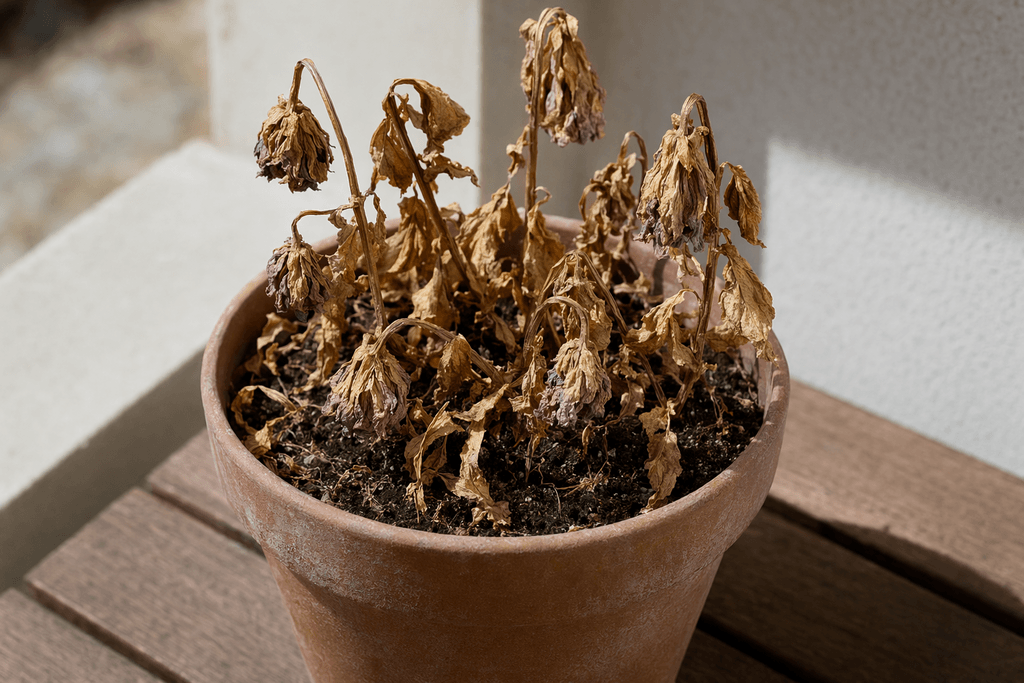
枯れる
ओइलाउनु
枯れる
ओइलाउनु
Explanation
枯れる
ओइलाउनु
枯れる
ओइलिनु / सुक्नु / (बिरुवा) मर्नु
Word Forms
The basic and commonly used forms of this verb.
Basic forms
| Form | Word form | Usage |
|---|---|---|
| Imperfective form (mizenkei) | Connects to endings such as nai, reru, and seru. | |
| Continuative form (renyokei) | Connects to endings such as masu, tai, and ta. | |
| Conclusive form (shushikei) | Ends a sentence and serves as the dictionary form. | |
| Attributive form (rentaikei) | Modifies a noun. | |
| Conditional form (kateikei) | Combines with ba to express a condition. | |
| Imperative form (meireikei) |
Alternative:
枯れよ
|
Expresses a command or instruction. |
Common forms
別々
छुट्टाछुट्टै
別々
छुट्टाछुट्टै
Explanation
別々
छुट्टाछुट्टै
別々
छुट्टाछुट्टै / बेग्लाबेग्लै / अर्काअर्कै

Word Forms
The basic and commonly used forms of this adjectival noun.
Basic forms
| Form | Word form | Usage |
|---|---|---|
| Imperfective form (mizenkei) | Used in forms such as darou. | |
| Continuative form (renyokei) |
Alternative:
別々に
|
Used with de or ni. |
| Conclusive form (shushikei) | Ends a sentence with da. | |
| Attributive form (rentaikei) |
Alternative:
別々の
|
Modifies a noun with na. |
| Conditional form (kateikei) |
Alternative:
別々であれば
|
Expresses a condition with nara. |
| Imperative form (meireikei) | Used in formal expressions such as de are. |
Common forms
| Form | Word form | Usage |
|---|---|---|
| Te-form equivalent | Connects clauses using de. | |
| Ta-form |
Alternative:
別々でした
|
Expresses the past with datta. |
| Nai-form |
Alternative:
別々じゃない
|
Expresses negation with dewa nai or ja nai. |
| Desu-form | Used for polite speech. |
Notes
表紙
पुस्तकको आवरण
表紙
पुस्तकको आवरण
Explanation
表紙
पुस्तकको आवरण
表紙
मुखपृष्ठ / आवरणपृष्ठ / पुस्तक, पत्रिका वा कापीको अगाडिको आवरण

( romanization )
( hiragana )
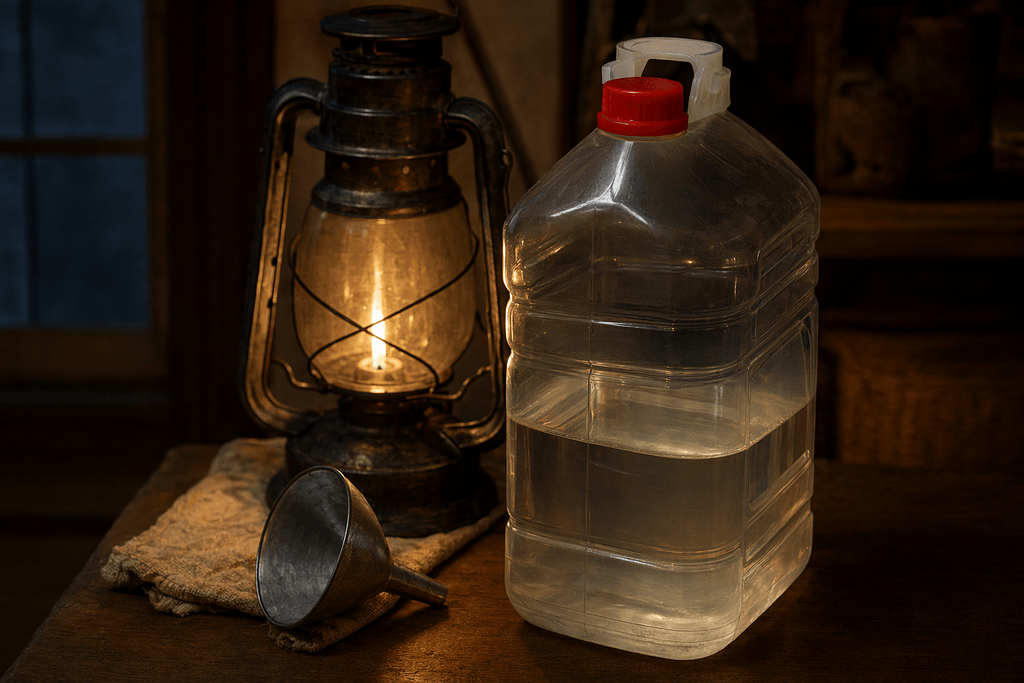
灯油
मट्टितेल
灯油
मट्टितेल
Explanation
灯油
मट्टितेल
灯油
बत्ती बाल्ने तेल / मट्टीतेल (केरोसिन)
( Base form )
( romanization )
( kyūjitai )
( hiragana )
無沙汰
लामो समयको सम्पर्कविहीनता
無沙汰
लामो समयको सम्पर्कविहीनता
Explanation
無沙汰
लामो समयको सम्पर्कविहीनता
無沙汰
लामो समयसम्म सम्पर्क नभएको अवस्था / लामो मौनता वा खबर नआएको अवधि / सम्पर्कविहीनता

( Base form )
( romanization )
( hiragana )
Loading...

JLPT N2 多言語単語帳・1790語 / JLPT N2 Multilingual Vocabulary: 1790 Words

Jonathan Waller 氏の JLPT Resources の語彙リスト・レベル分類を出典とし、CC BY の条件に従って DiQt が学習者向けに意味を作り直した1790語の単語帳です。JLPT公式の語彙リストではありません。
This collection of 1790 words is based on the vocabulary list and level classifications in Jonathan Waller’s JLPT Resources under CC BY, with meanings rewritten by DiQt for learners. It is not an official JLPT vocabulary list.
Key Operations
Select the first quiz:
Ctrl + Enter
View Explanation:Ctrl + G
Close a feedback:Esc
When selecting a quiz
Answer:Enter
Select a choice:↓ or ↑
Reading out the question:Ctrl + K
View Hint: Ctrl + M
I don't know: Ctrl + Y



