
JLPT N2 शब्दार्थ अभ्यास - Unsolved

चार विकल्प भएका प्रश्नबाट JLPT N2 का 1790 शब्दका अर्थ नेपालीमा सिक्नुहोस्।
-
सक्रिय योगदान
-
लक्ष्य
-
अनुमान / पूर्वधारणा
-
समाप्ति / अन्त्य
-
समात्ने ह्यान्डल / सवारीको स्टेयरिङ
-
तेल
-
निख्खर सेतो
-
अस्पष्ट
-
निश्चिन्त / लापरवाह
-
पूजा गर्नु / बिन्ती गर्नु
-
मसिनो काट्नु / खोप्नु
-
विचार फुर्नु
- 「請う」は「乞う」とも表記する。
- 「請うて」「請うた」は「問う」などと同じく、現代語では特殊なウ音便形として扱われる。
-
घुलमिल हुनु / घुल्नु
-
पाल्तु हुनु
-
का कारण हुनु
-
सङ्केतपाटी
-
माटोको कचौरा
-
गीत
-
साथमा ल्याउने काम
-
कति मिनेट
-
पिलास
-
परिमाण
-
सूर्यको किरण
-
जमाउने काम
-
लामो लहरमा
-
बिस्तारै / चुपचाप
-
मेहनत गरेर / लामो समयदेखि प्रतीक्षित
-
सन्ध्याकालीन पत्रिका
-
कोइला खानी
-
व्यवसाय बन्द
書籍
पुस्तकहरू
書籍
पुस्तकहरू
Explanation
書籍
पुस्तकहरू
書籍
पुस्तक / ग्रन्थ / किताब

( Base form )
( romanization )
( hiragana )
研修
पेसागत तालिम
研修
पेसागत तालिम
Explanation
研修
पेसागत तालिम
研修
सेवाकालीन अध्ययन र तालिम / कामसम्बन्धी प्रशिक्षण / व्यावसायिक विकास तालिम

( Base form )
( romanization )
( hiragana )
朗らか
प्रसन्न
朗らか
प्रसन्न
Explanation
朗らか
प्रसन्न
朗らか
हँसमुख / प्रफुल्लित / निर्मल, उज्यालो (आकाश)

Word Forms
The basic and commonly used forms of this adjectival noun.
Basic forms
| Form | Word form | Usage |
|---|---|---|
| Imperfective form (mizenkei) | Used in forms such as darou. | |
| Continuative form (renyokei) |
Alternative:
朗らかに
|
Used with de or ni. |
| Conclusive form (shushikei) | Ends a sentence with da. | |
| Attributive form (rentaikei) | Modifies a noun with na. | |
| Conditional form (kateikei) | Expresses a condition with nara. | |
| Imperative form (meireikei) | Used in formal expressions such as de are. |
Common forms
請う
अनुरोध गर्नु / याचना गर्नु
請う
अनुरोध गर्नु / याचना गर्नु
Explanation
請う
अनुरोध गर्नु / याचना गर्नु
請う
माग्नु / अनुरोध गर्नु / बिन्ती गर्नु

Word Forms
The basic and commonly used forms of this verb.
Basic forms
| Form | Word form | Usage |
|---|---|---|
| Imperfective form (mizenkei) |
Alternative:
{"form"=>"乞わ", "reading"=>"こわ"}
{"form"=>"請お", "reading"=>"こお"}
{"form"=>"乞お", "reading"=>"こお"}
|
Connects to endings such as nai, reru, and seru. |
| Continuative form (renyokei) |
Alternative:
{"form"=>"乞い", "reading"=>"こい"}
{"form"=>"請う", "reading"=>"こう"}
{"form"=>"乞う", "reading"=>"こう"}
|
Connects to endings such as masu, tai, and ta. |
| Conclusive form (shushikei) |
Alternative:
{"form"=>"乞う", "reading"=>"こう"}
|
Ends a sentence and serves as the dictionary form. |
| Attributive form (rentaikei) |
Alternative:
{"form"=>"乞う", "reading"=>"こう"}
|
Modifies a noun. |
| Conditional form (kateikei) |
Alternative:
{"form"=>"乞えば", "reading"=>"こえば"}
|
Combines with ba to express a condition. |
| Imperative form (meireikei) |
Alternative:
{"form"=>"乞え", "reading"=>"こえ"}
|
Expresses a command or instruction. |
Common forms
| Form | Word form | Usage |
|---|---|---|
| Te-form |
Alternative:
{"form"=>"乞うて", "reading"=>"こうて"}
{"form"=>"請いて", "reading"=>"こいて"}
{"form"=>"乞いて", "reading"=>"こいて"}
|
Connects clauses with te. |
| Ta-form |
Alternative:
{"form"=>"乞うた", "reading"=>"こうた"}
{"form"=>"請いた", "reading"=>"こいた"}
{"form"=>"乞いた", "reading"=>"こいた"}
|
Expresses the past with ta. |
| Nai-form |
Alternative:
{"form"=>"乞わない", "reading"=>"こわない"}
|
Expresses negation with nai. |
| Masu-form |
Alternative:
{"form"=>"乞います", "reading"=>"こいます"}
|
Used for polite speech. |
| Ba-form |
Alternative:
{"form"=>"乞えば", "reading"=>"こえば"}
|
Expresses a condition with ba. |
| Volitional form |
Alternative:
{"form"=>"乞おう", "reading"=>"こおう"}
|
Expresses intention or invitation. |
Notes
受け持つ
जिम्मेवार हुनु
受け持つ
जिम्मेवार हुनु
Explanation
受け持つ
जिम्मेवार हुनु
受け持つ
जिम्मा लिनु / जिम्मेवारी सम्हाल्नु / देखरेख गर्नु

Word Forms
The basic and commonly used forms of this verb.
Basic forms
| Form | Word form | Usage |
|---|---|---|
| Imperfective form (mizenkei) |
Alternative:
受け持と
|
Connects to endings such as nai, reru, and seru. |
| Continuative form (renyokei) | Connects to endings such as masu, tai, and ta. | |
| Conclusive form (shushikei) | Ends a sentence and serves as the dictionary form. | |
| Attributive form (rentaikei) | Modifies a noun. | |
| Conditional form (kateikei) | Combines with ba to express a condition. | |
| Imperative form (meireikei) | Expresses a command or instruction. |
Common forms
宴会
भोज
宴会
भोज
Explanation
宴会
भोज
宴会
भोज / रात्रिभोज / भोजन समारोह
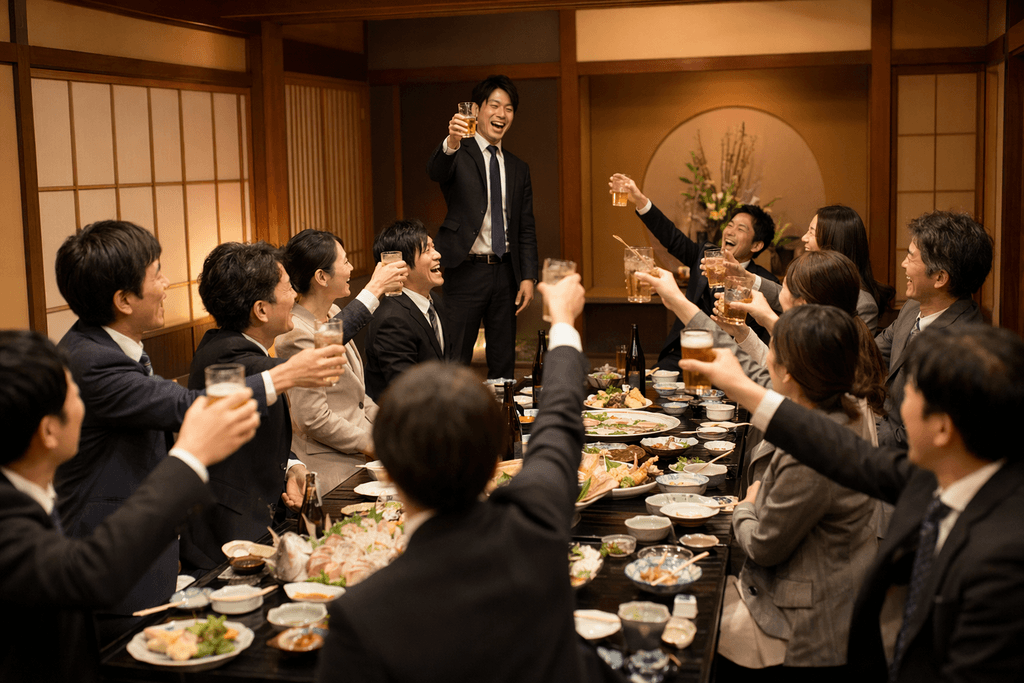
( Base form )
( romanization )
( romanization )
( kyūjitai )
( hiragana historical )
( hiragana )
天皇
जापानका सम्राट
天皇
जापानका सम्राट
Explanation
天皇
जापानका सम्राट
天皇
जापानका सम्राट / जापानका राज्यप्रमुख / जापानका सम्राटको उपाधि
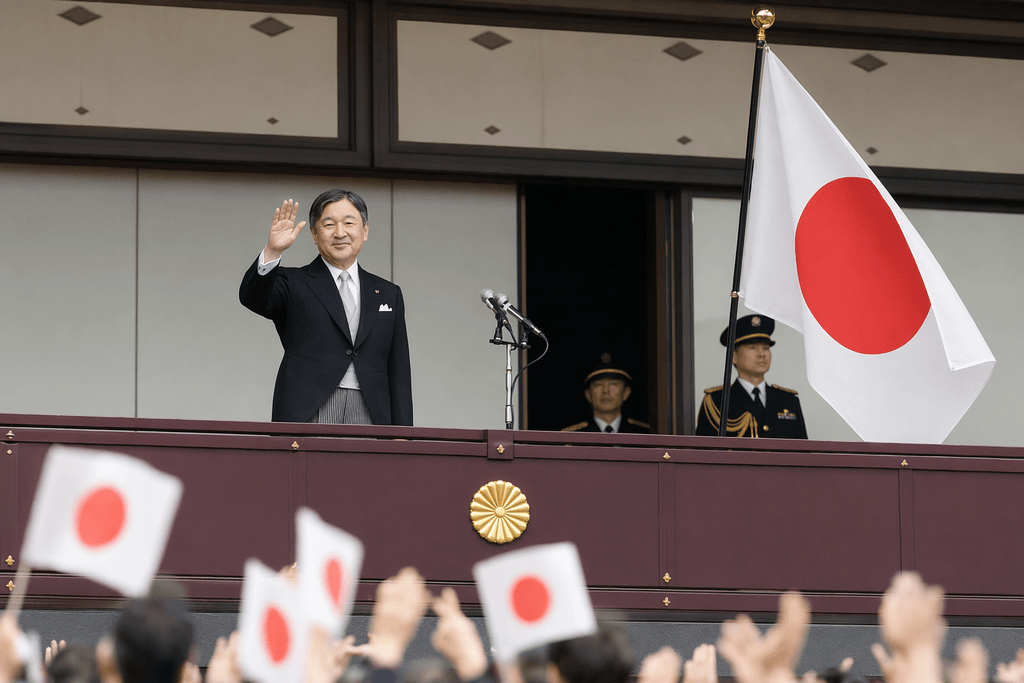
( Base form )
( romanization )
( romanization )
( hiragana historical )
( hiragana )
ファスナー
जिपर
ファスナー
जिपर
Explanation
जिपर
ファスナー
कपडा, ब्याग आदिमा प्रयोग हुने जिप/जिपर / दाँते पट्टी र स्लाइडर भएको बन्द गर्ने यन्त्र

( romanization )
悠々
फुर्सदिलो गरी
悠々
फुर्सदिलो गरी
Explanation
悠々
फुर्सदिलो गरी
悠々
हत्तनहत्ट नगरी / शान्त रूपमा / सजिलै

( Base form )
( romanization )
( hiragana )
目安
अन्दाजी आधार
目安
अन्दाजी आधार
Explanation
目安
अन्दाजी आधार
目安
मापदण्ड / आधार / अन्दाज

( Base form )
( romanization )
( hiragana )
Loading...

JLPT N2 多言語単語帳・1790語 / JLPT N2 Multilingual Vocabulary: 1790 Words

Jonathan Waller 氏の JLPT Resources の語彙リスト・レベル分類を出典とし、CC BY の条件に従って DiQt が学習者向けに意味を作り直した1790語の単語帳です。JLPT公式の語彙リストではありません。
This collection of 1790 words is based on the vocabulary list and level classifications in Jonathan Waller’s JLPT Resources under CC BY, with meanings rewritten by DiQt for learners. It is not an official JLPT vocabulary list.
Key Operations
Select the first quiz:
Ctrl + Enter
View Explanation:Ctrl + G
Close a feedback:Esc
When selecting a quiz
Answer:Enter
Select a choice:↓ or ↑
Reading out the question:Ctrl + K
View Hint: Ctrl + M
I don't know: Ctrl + Y



