
JLPT N2 शब्दार्थ अभ्यास - Unsolved

चार विकल्प भएका प्रश्नबाट JLPT N2 का 1790 शब्दका अर्थ नेपालीमा सिक्नुहोस्।
-
छड्के
-
सही
-
बकवास / जथाभावी
- 「恐縮」は「恐縮する」としてサ変動詞的にも用いられるが、ここでは形容動詞(ナ形容詞)として扱う。
-
कुच्चिनु / निराश हुनु
-
महसुस गर्नु
-
नजिक आउनु / दबाब दिनु
-
पुनःनिर्माण
-
कलाको रसास्वादन
-
मासिक तलब
-
खनिज
-
विद्यालयको चौर
-
मानक
-
लागू हुनु / मिल्नु
-
बिझ्नु
-
हराउनु / सिध्याउनु
-
पूर्णाङ्क
-
चिपचिपे चामलको केक
-
मुख्य आशय
-
हेर्दाहेर्दै बानी पर्नु
-
पाक्नु
-
खानेकुरा उसिन्नु
-
सुसज्जित हुनु
-
च्यात्नु
-
बुझाउनु / सुम्पनु
-
लगातार
-
जे गरे पनि
-
झनै
-
तैराउनु / भाव झल्काउनु
-
प्रजननद्वारा बढ्नु
-
सम्बन्धित हुनु
- 謙譲語として「思う」「知る」などの意味で用いられます。
- 古風・文章語的な別見出しとして「存ずる」もありますが、本項では「存じる」の上一段活用として扱います。
恐縮
कृतज्ञ / क्षमा चाहने
恐縮
कृतज्ञ / क्षमा चाहने
Explanation
恐縮
कृतज्ञ / क्षमा चाहने
恐縮
क्षमाप्रार्थी / कृतज्ञ / ऋणी महसुस गर्ने

Word Forms
The basic and commonly used forms of this adjectival noun.
Basic forms
| Form | Word form | Usage |
|---|---|---|
| Imperfective form (mizenkei) | Used in forms such as darou. | |
| Continuative form (renyokei) |
Alternative:
恐縮に
恐縮だっ
|
Used with de or ni. |
| Conclusive form (shushikei) | Ends a sentence with da. | |
| Attributive form (rentaikei) | Modifies a noun with na. | |
| Conditional form (kateikei) | Expresses a condition with nara. | |
| Imperative form (meireikei) | Used in formal expressions such as de are. |
Common forms
| Form | Word form | Usage |
|---|---|---|
| Te-form equivalent | Connects clauses using de. | |
| Ta-form | Expresses the past with datta. | |
| Nai-form |
Alternative:
恐縮じゃない
|
Expresses negation with dewa nai or ja nai. |
| Desu-form | Used for polite speech. |
Notes
引き返す
फर्कनु
引き返す
फर्कनु
Explanation
引き返す
फर्कनु
引き返す
फर्किनु / पछाडि फर्किनु / पहिलेको ठाउँमा फर्किनु

Word Forms
The basic and commonly used forms of this verb.
Basic forms
| Form | Word form | Usage |
|---|---|---|
| Imperfective form (mizenkei) |
Alternative:
引き返そ
|
Connects to endings such as nai, reru, and seru. |
| Continuative form (renyokei) | Connects to endings such as masu, tai, and ta. | |
| Conclusive form (shushikei) | Ends a sentence and serves as the dictionary form. | |
| Attributive form (rentaikei) | Modifies a noun. | |
| Conditional form (kateikei) | Combines with ba to express a condition. | |
| Imperative form (meireikei) | Expresses a command or instruction. |
Common forms
間接
अप्रत्यक्षता
間接
अप्रत्यक्षता
Explanation
間接
अप्रत्यक्षता
間接
अप्रत्यक्षता / परोक्षता / मध्यस्थता

( Base form )
( romanization )
( hiragana )
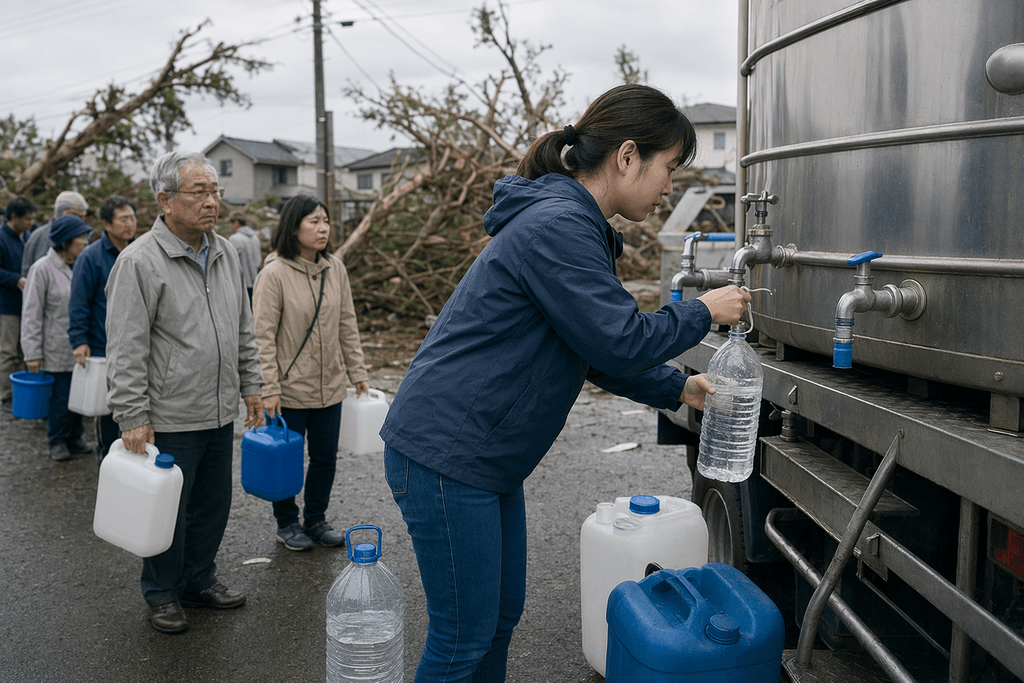
断水
पानी आपूर्ति बन्द
断水
पानी आपूर्ति बन्द
Explanation
断水
पानी आपूर्ति बन्द
断水
खानेपानी आपूर्ति बन्द / पानी वितरण अवरुद्ध / पानी काटिएको
( Base form )
( romanization )
( stem )
( Past )
( kyūjitai )
( table-tags )
( inflection-template )
( imperfective stem )
( imperfective stem )
( imperfective )
( continuative stem )
( continuative stem )
( continuative )
( stem terminative )
( stem terminative )
( terminative )
( attributive stem )
( attributive stem )
( attributive )
( hypothetical stem )
( hypothetical stem )
( hypothetical )
( Imperative literary stem )
( colloquial Imperative stem )
( Imperative literary stem )
( colloquial Imperative stem )
( Imperative literary )
( colloquial Imperative )
( Passive voice )
( Passive voice )
( Passive voice )
( causative )
( causative )
( causative )
( causative )
( causative )
( causative )
( potential )
( potential )
( potential )
( volitional )
( volitional )
( volitional )
( negative )
( negative )
( negative )
( continuative negative )
( continuative negative )
( continuative negative )
( formal )
( formal )
( formal )
( perfective )
( perfective )
( perfective )
( conjunctive )
( conjunctive )
( conjunctive )
( Conditional hypothetical )
( Conditional hypothetical )
( Conditional hypothetical )
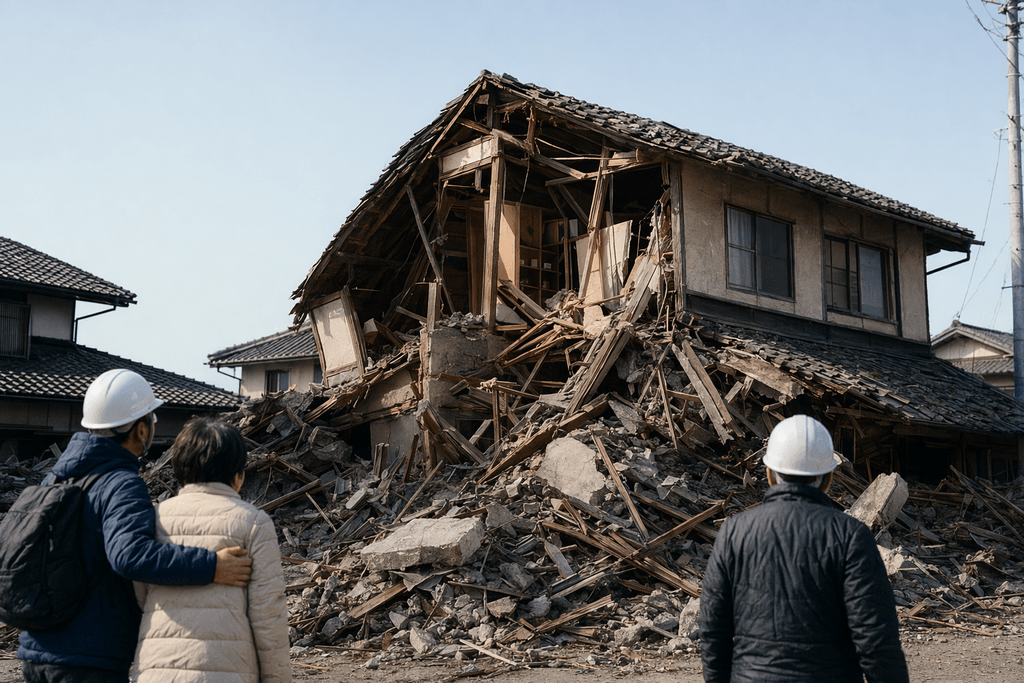
崩す
भत्काउनु / खुद्रा साट्नु
崩す
भत्काउनु / खुद्रा साट्नु
Explanation
崩す
भत्काउनु / खुद्रा साट्नु
崩す
भत्काउनु / आसन बिगार्नु / ठूलो नोट फुटाउनु
Word Forms
The basic and commonly used forms of this verb.
Basic forms
| Form | Word form | Usage |
|---|---|---|
| Imperfective form (mizenkei) |
Alternative:
崩そ
|
Connects to endings such as nai, reru, and seru. |
| Continuative form (renyokei) | Connects to endings such as masu, tai, and ta. | |
| Conclusive form (shushikei) | Ends a sentence and serves as the dictionary form. | |
| Attributive form (rentaikei) | Modifies a noun. | |
| Conditional form (kateikei) | Combines with ba to express a condition. | |
| Imperative form (meireikei) | Expresses a command or instruction. |
Common forms
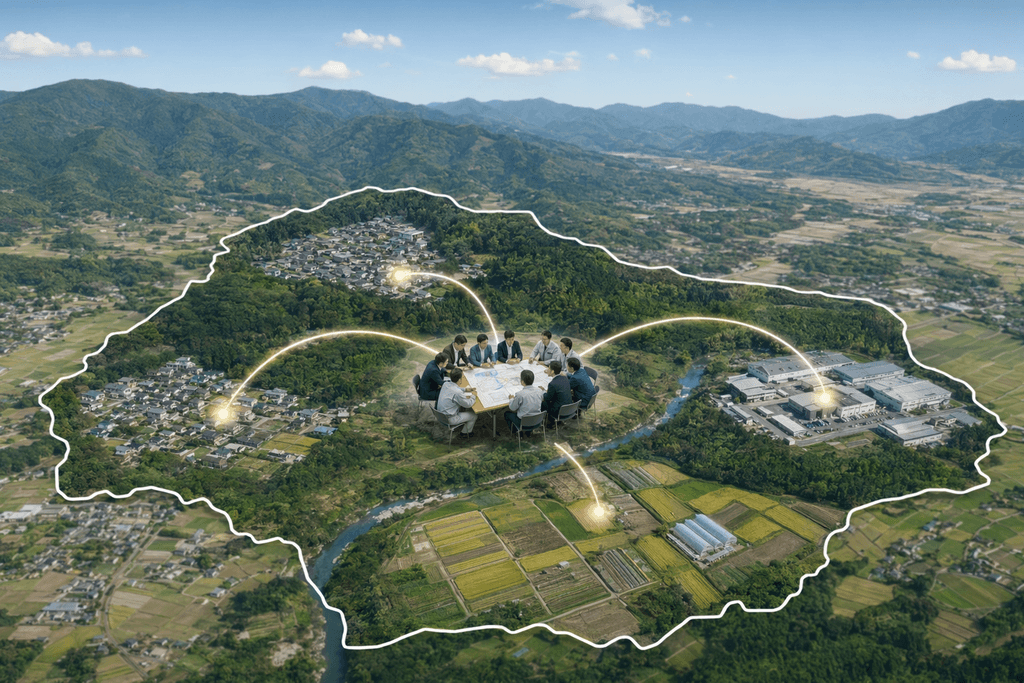
郡
जिल्ला
郡
जिल्ला
Explanation
郡
जिल्ला
郡
जिल्ला / इलाका / काउन्टी
( romanization )
( hiragana historical )
( hiragana )
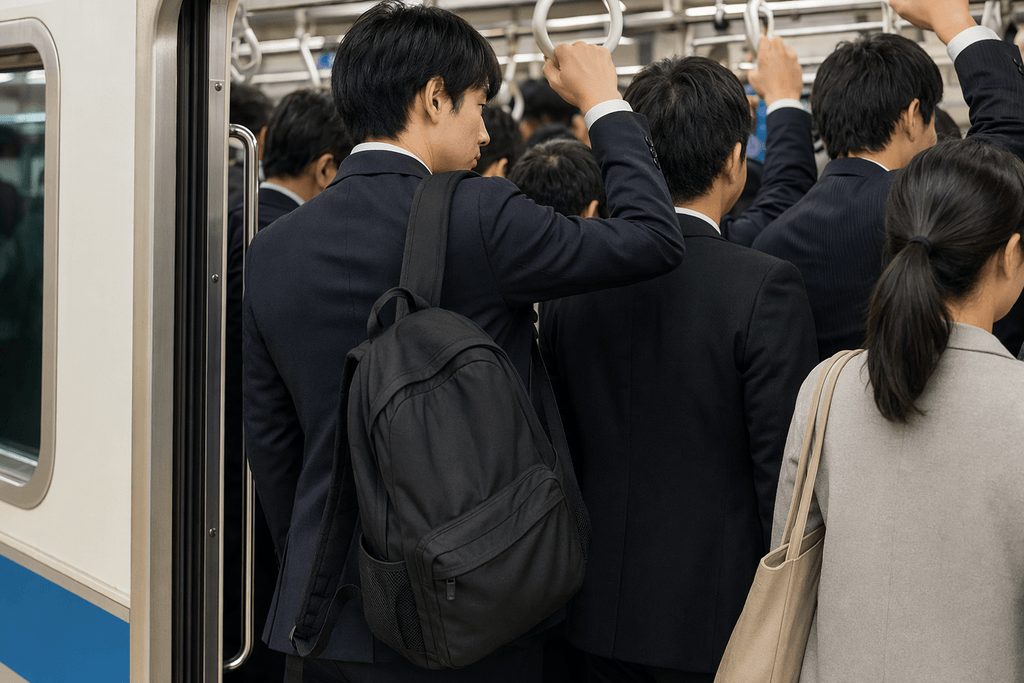
ぶら下げる
झुन्ड्याउनु
ぶら下げる
झुन्ड्याउनु
Explanation
ぶら下げる
झुन्ड्याउनु
ぶら下げる
झुण्ड्याउनु / टाँग्नु / झुण्ड्याएर बोक्नु
Word Forms
The basic and commonly used forms of this verb.
Basic forms
| Form | Word form | Usage |
|---|---|---|
| Imperfective form (mizenkei) |
Alternative:
ぶらさげ
|
Connects to endings such as nai, reru, and seru. |
| Continuative form (renyokei) |
Alternative:
ぶらさげ
|
Connects to endings such as masu, tai, and ta. |
| Conclusive form (shushikei) |
Alternative:
ぶらさげる
|
Ends a sentence and serves as the dictionary form. |
| Attributive form (rentaikei) |
Alternative:
ぶらさげる
|
Modifies a noun. |
| Conditional form (kateikei) |
Alternative:
ぶらさげれ
|
Combines with ba to express a condition. |
| Imperative form (meireikei) |
Alternative:
ぶら下げよ
ぶらさげろ
ぶらさげよ
|
Expresses a command or instruction. |
Common forms
| Form | Word form | Usage |
|---|---|---|
| Te-form |
Alternative:
ぶらさげて
|
Connects clauses with te. |
| Ta-form |
Alternative:
ぶらさげた
|
Expresses the past with ta. |
| Nai-form |
Alternative:
ぶらさげない
|
Expresses negation with nai. |
| Masu-form |
Alternative:
ぶらさげます
|
Used for polite speech. |
| Ba-form |
Alternative:
ぶらさげれば
|
Expresses a condition with ba. |
| Volitional form |
Alternative:
ぶらさげよう
|
Expresses intention or invitation. |
埋める
पुर्नु / भर्नु
埋める
पुर्नु / भर्नु
Explanation
埋める
पुर्नु / भर्नु
埋める
गाड्नु; पुर्नु / खाल्डो/छिद्र वा खाली ठाउँ भर्नु / अभाव वा घाटाको पूर्ति/भरपाइ गर्नु

Word Forms
The basic and commonly used forms of this verb.
Basic forms
| Form | Word form | Usage |
|---|---|---|
| Imperfective form (mizenkei) | Connects to endings such as nai, reru, and seru. | |
| Continuative form (renyokei) | Connects to endings such as masu, tai, and ta. | |
| Conclusive form (shushikei) | Ends a sentence and serves as the dictionary form. | |
| Attributive form (rentaikei) | Modifies a noun. | |
| Conditional form (kateikei) | Combines with ba to express a condition. | |
| Imperative form (meireikei) |
Alternative:
埋めよ
|
Expresses a command or instruction. |
Common forms
うんと
निकै धेरै
うんと
निकै धेरै
Explanation
निकै धेरै
うんと
खुब धेरै / अत्यन्त धेरै / निकै धेरै

( romanization )
存じる
थाहा पाउनु / सोच्नु
存じる
थाहा पाउनु / सोच्नु
Explanation
存じる
थाहा पाउनु / सोच्नु
存じる
विनम्र रूपमा जान्नु/थाहा पाउनु / विनम्र रूपमा सोच्नु वा महसुस गर्नु / विनम्र रूपमा अवगत हुनु

Word Forms
The basic and commonly used forms of this verb.
Basic forms
| Form | Word form | Usage |
|---|---|---|
| Imperfective form (mizenkei) | Connects to endings such as nai, reru, and seru. | |
| Continuative form (renyokei) | Connects to endings such as masu, tai, and ta. | |
| Conclusive form (shushikei) | Ends a sentence and serves as the dictionary form. | |
| Attributive form (rentaikei) | Modifies a noun. | |
| Conditional form (kateikei) | Combines with ba to express a condition. | |
| Imperative form (meireikei) |
Alternative:
存じよ
|
Expresses a command or instruction. |
Common forms
| Form | Word form | Usage |
|---|---|---|
| Te-form | Connects clauses with te. | |
| Ta-form | Expresses the past with ta. | |
| Nai-form | Expresses negation with nai. | |
| Masu-form | Used for polite speech. | |
| Ba-form | Expresses a condition with ba. | |
| Volitional form | Expresses intention or invitation. |
Notes
Loading...

JLPT N2 多言語単語帳・1790語 / JLPT N2 Multilingual Vocabulary: 1790 Words

Jonathan Waller 氏の JLPT Resources の語彙リスト・レベル分類を出典とし、CC BY の条件に従って DiQt が学習者向けに意味を作り直した1790語の単語帳です。JLPT公式の語彙リストではありません。
This collection of 1790 words is based on the vocabulary list and level classifications in Jonathan Waller’s JLPT Resources under CC BY, with meanings rewritten by DiQt for learners. It is not an official JLPT vocabulary list.
Key Operations
Select the first quiz:
Ctrl + Enter
View Explanation:Ctrl + G
Close a feedback:Esc
When selecting a quiz
Answer:Enter
Select a choice:↓ or ↑
Reading out the question:Ctrl + K
View Hint: Ctrl + M
I don't know: Ctrl + Y



