
JLPT N2 शब्दार्थ अभ्यास - Unsolved

चार विकल्प भएका प्रश्नबाट JLPT N2 का 1790 शब्दका अर्थ नेपालीमा सिक्नुहोस्।
-
घटबढ
-
खुसी / बधाई
-
साहिँली औँला
-
चिच्याउनु
-
पुनर्जीवित हुनु
-
उम्रिनु
- 表記: 炙る・焙る
-
हरेक पटक
-
जे गरे पनि
-
चाँडै
-
फुटाउनु
-
सञ्चार हुनु / पुस्तान्तरण हुनु
-
संयोगले बाटो पर्नु
-
सुरुआत
-
सिर्जनात्मक रचना
-
बैजनी
-
खाली ठाउँ / चिरा
-
बिरामीको स्याहार
-
रेलको प्लेटफर्म
-
नङ / पञ्जाको नङ
-
तेर्सो / समतल
-
हारजितको नतिजा
-
झन्झटिलो
-
प्रशंसनीय / उच्च पदको
-
वर्गाकार
-
भाडाको घर
-
सूर्यास्त
-
आकार
-
एकअर्काको छेउबाट पार हुनु / मत नमिल्नु
-
चाङ लगाउनु / दोहोर्याउनु
-
ढल्किनु / झुकाव हुनु
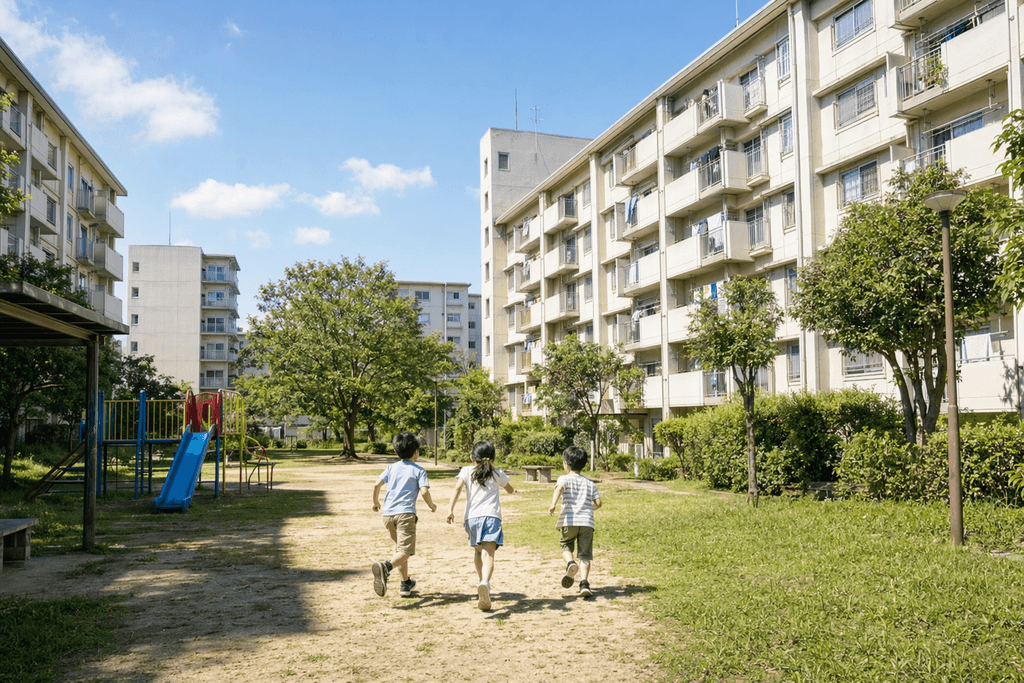
団地
आवासीय परिसर
団地
आवासीय परिसर
Explanation
団地
आवासीय परिसर
団地
बहु-युनिट अपार्टमेन्ट परिसर / सामूहिक आवासीय भवनसमूह / ठूलो आवासीय कम्प्लेक्स
( Base form )
( romanization )
( hiragana )
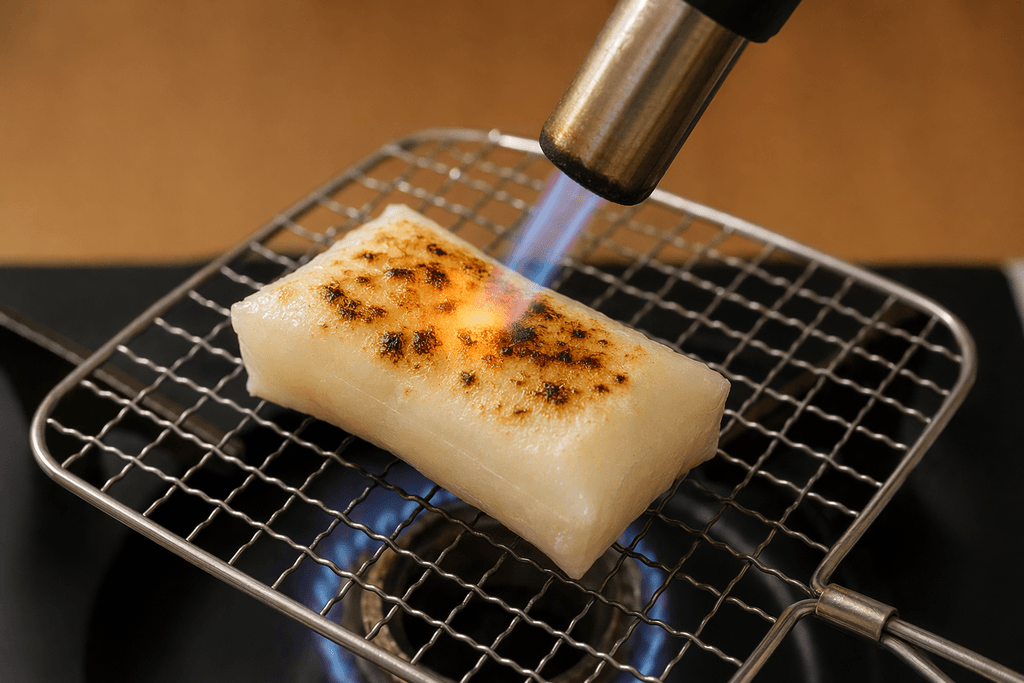
あぶる
आगोमा सेक्नु
あぶる
आगोमा सेक्नु
Explanation
आगोमा सेक्नु
あぶる
सेक्नु / पोल्नु / ताप्नु
Word Forms
The basic and commonly used forms of this verb.
Basic forms
| Form | Word form | Usage |
|---|---|---|
| Imperfective form (mizenkei) |
Alternative:
あぶろ
|
Connects to endings such as nai, reru, and seru. |
| Continuative form (renyokei) | Connects to endings such as masu, tai, and ta. | |
| Conclusive form (shushikei) | Ends a sentence and serves as the dictionary form. | |
| Attributive form (rentaikei) | Modifies a noun. | |
| Conditional form (kateikei) | Combines with ba to express a condition. | |
| Imperative form (meireikei) | Expresses a command or instruction. |
Common forms
| Form | Word form | Usage |
|---|---|---|
| Te-form | Connects clauses with te. | |
| Ta-form | Expresses the past with ta. | |
| Nai-form | Expresses negation with nai. | |
| Masu-form | Used for polite speech. | |
| Ba-form | Expresses a condition with ba. | |
| Volitional form | Expresses intention or invitation. |
Notes
こうして
यसरी
こうして
यसरी
Explanation
यसरी
こうして
यसरी / यस प्रकार / यो तरिकाले

( romanization )
交ざる
मिसिनु
交ざる
मिसिनु
Explanation
交ざる
मिसिनु
交ざる
मिसिनु / घुलमिल हुनु / मिश्रित हुनु

Word Forms
The basic and commonly used forms of this verb.
Basic forms
| Form | Word form | Usage |
|---|---|---|
| Imperfective form (mizenkei) |
Alternative:
交ざろ
|
Connects to endings such as nai, reru, and seru. |
| Continuative form (renyokei) | Connects to endings such as masu, tai, and ta. | |
| Conclusive form (shushikei) | Ends a sentence and serves as the dictionary form. | |
| Attributive form (rentaikei) | Modifies a noun. | |
| Conditional form (kateikei) | Combines with ba to express a condition. | |
| Imperative form (meireikei) | Expresses a command or instruction. |
Common forms
診断
निदान
診断
निदान
Explanation
診断
निदान
診断
रोग पहिचान / चिकित्सकीय परीक्षणका आधारमा रोग निर्धारण / बिरामीको अवस्थाको मूल्याङ्कन गरेर रोग पत्ता लगाउने प्रक्रिया

( Base form )
( romanization )
( kyūjitai )
( hiragana )
レンガ
इँटा
レンガ
इँटा
Explanation
इँटा
レンガ
इँटा / पकाइएको माटोको ब्लक

( Base form )
( romanization )
( romanization )
( hiragana historical )
( hiragana )
送料
ढुवानी शुल्क
送料
ढुवानी शुल्क
Explanation
送料
ढुवानी शुल्क
送料
ढुवानी शुल्क / हुलाक शुल्क / ढुवानी खर्च

( Base form )
( romanization )
( hiragana )
固い
ठोस / जिद्दी
固い
ठोस / जिद्दी
Explanation
固い
ठोस / जिद्दी
固い
कडा / दृढ / कठोर

Word Forms
The basic and commonly used forms of this adjective.
Basic forms
| Form | Word form | Usage |
|---|---|---|
| Imperfective form (mizenkei) | Used in forms such as karou; mainly literary. | |
| Continuative form (renyokei) |
Alternative:
固かっ
|
Used in forms such as kute and kunai. |
| Conclusive form (shushikei) | Ends a sentence. | |
| Attributive form (rentaikei) | Modifies a noun. | |
| Conditional form (kateikei) | Expresses a condition with kereba. | |
| Imperative form (meireikei) | Rarely used in modern Japanese. |
Common forms
蒸発
वाष्पीकरण / बेपत्ता हुनु
蒸発
वाष्पीकरण / बेपत्ता हुनु
Explanation
蒸発
वाष्पीकरण / बेपत्ता हुनु
蒸発
वाष्पीकरण / बाफमा रूपान्तरण

( Base form )
( romanization )
( stem )
( Past )
( kyūjitai )
( table-tags )
( inflection-template )
( imperfective stem )
( imperfective stem )
( imperfective )
( continuative stem )
( continuative stem )
( continuative )
( stem terminative )
( stem terminative )
( terminative )
( attributive stem )
( attributive stem )
( attributive )
( hypothetical stem )
( hypothetical stem )
( hypothetical )
( Imperative literary stem )
( colloquial Imperative stem )
( Imperative literary stem )
( colloquial Imperative stem )
( Imperative literary )
( colloquial Imperative )
( Passive voice )
( Passive voice )
( Passive voice )
( causative )
( causative )
( causative )
( causative )
( causative )
( causative )
( potential )
( potential )
( potential )
( volitional )
( volitional )
( volitional )
( negative )
( negative )
( negative )
( continuative negative )
( continuative negative )
( continuative negative )
( formal )
( formal )
( formal )
( perfective )
( perfective )
( perfective )
( conjunctive )
( conjunctive )
( conjunctive )
( Conditional hypothetical )
( Conditional hypothetical )
( Conditional hypothetical )
錆びる
खिया लाग्नु
錆びる
खिया लाग्नु
Explanation
錆びる
खिया लाग्नु
錆びる
खिया लाग्नु / धातुमा खिया बस्नु

Word Forms
The basic and commonly used forms of this verb.
Basic forms
| Form | Word form | Usage |
|---|---|---|
| Imperfective form (mizenkei) | Connects to endings such as nai, reru, and seru. | |
| Continuative form (renyokei) | Connects to endings such as masu, tai, and ta. | |
| Conclusive form (shushikei) | Ends a sentence and serves as the dictionary form. | |
| Attributive form (rentaikei) | Modifies a noun. | |
| Conditional form (kateikei) | Combines with ba to express a condition. | |
| Imperative form (meireikei) |
Alternative:
錆びよ
|
Expresses a command or instruction. |
Common forms
Loading...

JLPT N2 多言語単語帳・1790語 / JLPT N2 Multilingual Vocabulary: 1790 Words

Jonathan Waller 氏の JLPT Resources の語彙リスト・レベル分類を出典とし、CC BY の条件に従って DiQt が学習者向けに意味を作り直した1790語の単語帳です。JLPT公式の語彙リストではありません。
This collection of 1790 words is based on the vocabulary list and level classifications in Jonathan Waller’s JLPT Resources under CC BY, with meanings rewritten by DiQt for learners. It is not an official JLPT vocabulary list.
Key Operations
Select the first quiz:
Ctrl + Enter
View Explanation:Ctrl + G
Close a feedback:Esc
When selecting a quiz
Answer:Enter
Select a choice:↓ or ↑
Reading out the question:Ctrl + K
View Hint: Ctrl + M
I don't know: Ctrl + Y



