
JLPT N2 शब्दार्थ अभ्यास - Unsolved

चार विकल्प भएका प्रश्नबाट JLPT N2 का 1790 शब्दका अर्थ नेपालीमा सिक्नुहोस्।
-
जसरी भए पनि
-
फराकिलो
-
थाहै नपाई
-
सेवा काउन्टर
-
हरेक व्यक्ति
-
टायर
-
थोकमा बेच्नु / कोर्नु
-
नजिक आउनु / दबाब दिनु
-
चुच्चो हुनु / रिसाएको देखिनु
-
चुच्चो हुनु / रिसाएको देखिनु
-
सहनु / रोक्नु
-
खुम्चिनु
-
तोकिएको ठाउँमा भेट्नु
-
बीउ छर्नु
-
पानी उघाउनु
- 謙譲語。ラ行五段活用。
-
ढुवानी शुल्क
-
मातापिताप्रतिको सेवा
-
घण्टा
-
हेर्दाहेर्दै बानी पर्नु
-
पछि हट्नु / भासिनु
-
बस्नु
-
खचाखच
-
चाँडै
-
ठाउँठाउँमा सर्दै
-
हाइड्रोजन
-
कार्यक्रम सञ्चालन
-
सम्पूर्णता / समग्र
-
मनोरञ्जन पार्क
-
पकाउने भाँडो
-
लाभा
たいそう
अत्यन्त
たいそう
अत्यन्त
Explanation
अत्यन्त
たいそう
अत्यन्त / अति / अत्यधिक

( Base form )
( romanization )
( hiragana )
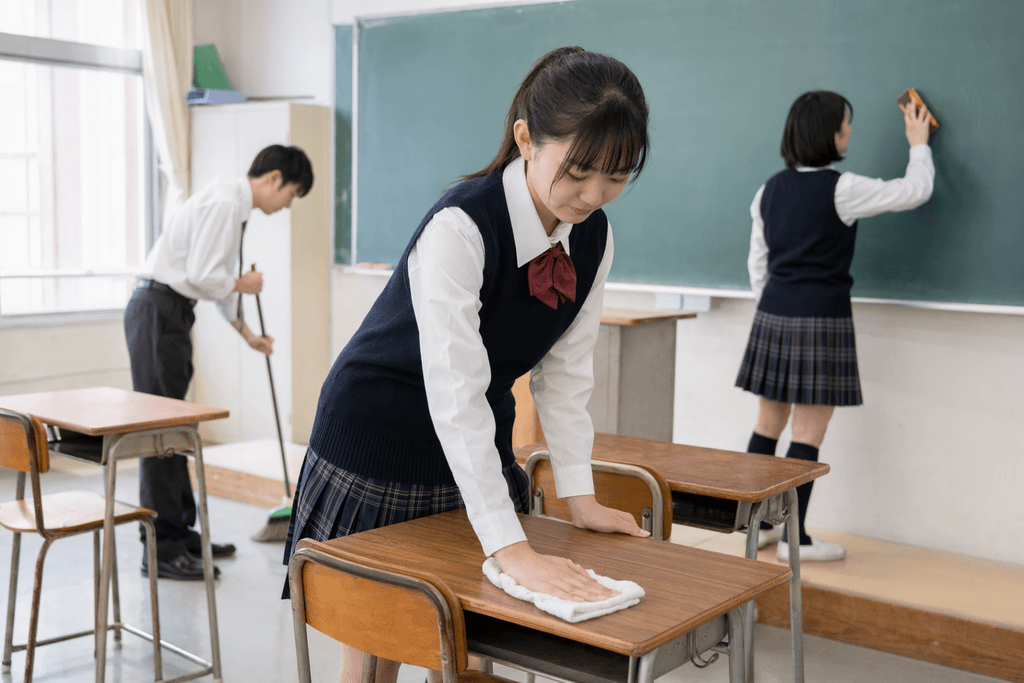
当番
ड्युटीको पालो
当番
ड्युटीको पालो
Explanation
当番
ड्युटीको पालो
当番
पालोको ड्युटी / पालोको कर्तव्य / पालोमा रहने व्यक्ति
( Base form )
( romanization )
( hiragana )
映る
प्रतिबिम्बित हुनु / पर्दामा देखिनु
映る
प्रतिबिम्बित हुनु / पर्दामा देखिनु
Explanation
映る
प्रतिबिम्बित हुनु / पर्दामा देखिनु
映る
प्रतिबिम्बित हुनु / देखिनु / पर्दामा देखिनु

Word Forms
The basic and commonly used forms of this verb.
Basic forms
| Form | Word form | Usage |
|---|---|---|
| Imperfective form (mizenkei) | Connects to endings such as nai, reru, and seru. | |
| Continuative form (renyokei) | Connects to endings such as masu, tai, and ta. | |
| Conclusive form (shushikei) | Ends a sentence and serves as the dictionary form. | |
| Attributive form (rentaikei) | Modifies a noun. | |
| Conditional form (kateikei) | Combines with ba to express a condition. | |
| Imperative form (meireikei) | Expresses a command or instruction. |
Common forms
詫びる
माफी माग्नु
詫びる
माफी माग्नु
Explanation
詫びる
माफी माग्नु
詫びる
माफी माग्नु / क्षमा याचना गर्नु / खेद प्रकट गर्नु

Word Forms
The basic and commonly used forms of this verb.
Basic forms
| Form | Word form | Usage |
|---|---|---|
| Imperfective form (mizenkei) |
Alternative:
侘び
|
Connects to endings such as nai, reru, and seru. |
| Continuative form (renyokei) |
Alternative:
侘び
|
Connects to endings such as masu, tai, and ta. |
| Conclusive form (shushikei) |
Alternative:
侘びる
|
Ends a sentence and serves as the dictionary form. |
| Attributive form (rentaikei) |
Alternative:
侘びる
|
Modifies a noun. |
| Conditional form (kateikei) |
Alternative:
侘びれ
|
Combines with ba to express a condition. |
| Imperative form (meireikei) |
Alternative:
詫びよ
侘びろ
侘びよ
|
Expresses a command or instruction. |
Common forms
| Form | Word form | Usage |
|---|---|---|
| Te-form |
Alternative:
侘びて
|
Connects clauses with te. |
| Ta-form |
Alternative:
侘びた
|
Expresses the past with ta. |
| Nai-form |
Alternative:
侘びない
|
Expresses negation with nai. |
| Masu-form |
Alternative:
侘びます
|
Used for polite speech. |
| Ba-form |
Alternative:
侘びれば
|
Expresses a condition with ba. |
| Volitional form |
Alternative:
侘びよう
|
Expresses intention or invitation. |
承る
सुन्नु / प्राप्त गर्नु
承る
सुन्नु / प्राप्त गर्नु
Explanation
承る
सुन्नु / प्राप्त गर्नु
承る
स्वीकार गर्नु / सुन्नु वा थाहा पाउनु / जिम्मा लिनु

Word Forms
The basic and commonly used forms of this verb.
Basic forms
| Form | Word form | Usage |
|---|---|---|
| Imperfective form (mizenkei) |
Alternative:
承ろ
|
Connects to endings such as nai, reru, and seru. |
| Continuative form (renyokei) | Connects to endings such as masu, tai, and ta. | |
| Conclusive form (shushikei) | Ends a sentence and serves as the dictionary form. | |
| Attributive form (rentaikei) | Modifies a noun. | |
| Conditional form (kateikei) | Combines with ba to express a condition. | |
| Imperative form (meireikei) | Expresses a command or instruction. |
Common forms
| Form | Word form | Usage |
|---|---|---|
| Te-form | Connects clauses with te. | |
| Ta-form | Expresses the past with ta. | |
| Nai-form | Expresses negation with nai. | |
| Masu-form | Used for polite speech. | |
| Ba-form | Expresses a condition with ba. | |
| Volitional form | Expresses intention or invitation. |
Notes
親指
हातको बूढी औँला / खुट्टाको बूढी औँला
親指
हातको बूढी औँला / खुट्टाको बूढी औँला
Explanation
親指
हातको बूढी औँला / खुट्टाको बूढी औँला
親指
औंठो / हातको ठूलो औंला

( Base form )
( romanization )
( hiragana )
捕る
पक्रनु
捕る
पक्रनु
Explanation
捕る
पक्रनु
捕る
जनावर/माछा/कीरा आदि समात्नु / सिकार समात्नु / बल समात्नु

Word Forms
The basic and commonly used forms of this verb.
Basic forms
| Form | Word form | Usage |
|---|---|---|
| Imperfective form (mizenkei) |
Alternative:
捕ろ
|
Connects to endings such as nai, reru, and seru. |
| Continuative form (renyokei) | Connects to endings such as masu, tai, and ta. | |
| Conclusive form (shushikei) | Ends a sentence and serves as the dictionary form. | |
| Attributive form (rentaikei) | Modifies a noun. | |
| Conditional form (kateikei) | Combines with ba to express a condition. | |
| Imperative form (meireikei) | Expresses a command or instruction. |
Common forms
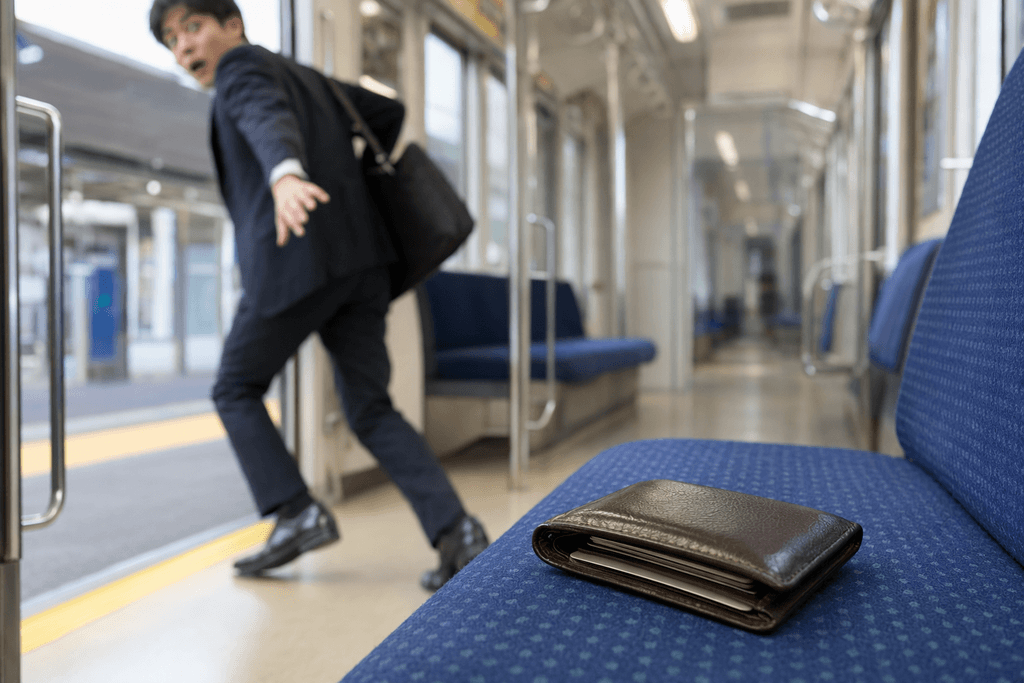
うっかり
अनजानमै
うっかり
अनजानमै
Explanation
अनजानमै
うっかり
लापरबाहीपूर्वक / ध्यान नदिई / भुलबस
( Base form )
( Base form )
( romanization )
オートメーション
स्वचालन
オートメーション
स्वचालन
Explanation
स्वचालन
オートメーション
स्वचालन / कार्यलाई मेशिन वा सफ्टवेयरबाट स्वतः गराउने प्रक्रिया / स्वचालित प्रणालीको प्रयोग

( romanization )
繋がり
सम्बन्ध
繋がり
सम्बन्ध
Explanation
繋がり
सम्बन्ध
繋がり
सम्बन्ध / जोड / बन्धन

( Base form )
( romanization )
Loading...

JLPT N2 多言語単語帳・1790語 / JLPT N2 Multilingual Vocabulary: 1790 Words

Jonathan Waller 氏の JLPT Resources の語彙リスト・レベル分類を出典とし、CC BY の条件に従って DiQt が学習者向けに意味を作り直した1790語の単語帳です。JLPT公式の語彙リストではありません。
This collection of 1790 words is based on the vocabulary list and level classifications in Jonathan Waller’s JLPT Resources under CC BY, with meanings rewritten by DiQt for learners. It is not an official JLPT vocabulary list.
Key Operations
Select the first quiz:
Ctrl + Enter
View Explanation:Ctrl + G
Close a feedback:Esc
When selecting a quiz
Answer:Enter
Select a choice:↓ or ↑
Reading out the question:Ctrl + K
View Hint: Ctrl + M
I don't know: Ctrl + Y



