
JLPT N2 शब्दार्थ अभ्यास - Unsolved

चार विकल्प भएका प्रश्नबाट JLPT N2 का 1790 शब्दका अर्थ नेपालीमा सिक्नुहोस्।
-
मानक
-
सुनौलो माछा
-
विश्वविद्यालयको सङ्काय
-
मोटो डोरी
-
यतापट्टि / ठीकअगाडि
-
अर्को ठाउँ
-
स्वागतयोग्य / कृतज्ञ
-
निर्लज्ज
-
गर्मी र ओसिलो
- 「鈍い」は「にぶい」「のろい」などと読まれるが、活用形は同じ。
-
हस्तलेखन अभ्यास
-
अङ्ग्रेजी-जापानी
-
मातापिताप्रतिको सेवा
-
हेलिकप्टर
-
कक्षाको समयतालिका
-
ह्रास
-
हिचकिचाउनु
-
ढल्किनु / झुकाव हुनु
-
जिम्मेवार हुनु
-
चिच्याउनु
-
प्रस्थान गर्नु
-
सान्त्वना दिनु
-
जथाभावी / अत्यधिक रूपमा
-
अलिकति पनि होइन / अत्यन्त
-
त्यसमाथि
-
आरामद्वारा स्वास्थ्यलाभ
-
तामा
-
झुत्रा कपडा / लुकाइएका दोष
-
दुर्भाग्य / विपत्ति
-
लेखन सामग्री
-
विद्वत्ता
直通
सीधा सेवा / प्रत्यक्ष सम्पर्क
直通
सीधा सेवा / प्रत्यक्ष सम्पर्क
Explanation
直通
सीधा सेवा / प्रत्यक्ष सम्पर्क
直通
प्रत्यक्ष जोड / सिधा लाइन / सिधै चल्ने सेवा

( Base form )
( romanization )
( stem )
( Past )
( table-tags )
( inflection-template )
( imperfective stem )
( imperfective stem )
( imperfective )
( continuative stem )
( continuative stem )
( continuative )
( stem terminative )
( stem terminative )
( terminative )
( attributive stem )
( attributive stem )
( attributive )
( hypothetical stem )
( hypothetical stem )
( hypothetical )
( Imperative literary stem )
( colloquial Imperative stem )
( Imperative literary stem )
( colloquial Imperative stem )
( Imperative literary )
( colloquial Imperative )
( Passive voice )
( Passive voice )
( Passive voice )
( causative )
( causative )
( causative )
( causative )
( causative )
( causative )
( potential )
( potential )
( potential )
( volitional )
( volitional )
( volitional )
( negative )
( negative )
( negative )
( continuative negative )
( continuative negative )
( continuative negative )
( formal )
( formal )
( formal )
( perfective )
( perfective )
( perfective )
( conjunctive )
( conjunctive )
( conjunctive )
( Conditional hypothetical )
( Conditional hypothetical )
( Conditional hypothetical )
筆者
लेखक
筆者
लेखक
Explanation
筆者
लेखक
筆者
लेखक (स्व-उल्लेखमा) / लेख वा पुस्तक लेख्ने व्यक्ति / लिखाइको कर्ता

( Base form )
( romanization )
( hiragana )
鈍い
भुत्ते / सुस्त
鈍い
भुत्ते / सुस्त
Explanation
鈍い
भुत्ते / सुस्त
鈍い
धार कुन्द भएको / संवेदना वा प्रतिक्रिया मन्द / ढिलो बुझ्ने
Word Forms
The basic and commonly used forms of this adjective.
Basic forms
| Form | Word form | Usage |
|---|---|---|
| Imperfective form (mizenkei) | Used in forms such as karou; mainly literary. | |
| Continuative form (renyokei) |
Alternative:
鈍かっ
|
Used in forms such as kute and kunai. |
| Conclusive form (shushikei) | Ends a sentence. | |
| Attributive form (rentaikei) | Modifies a noun. | |
| Conditional form (kateikei) | Expresses a condition with kereba. | |
| Imperative form (meireikei) | Rarely used in modern Japanese. |
Common forms
| Form | Word form | Usage |
|---|---|---|
| Te-form | Connects clauses with kute. | |
| Ta-form | Expresses the past with katta. | |
| Nai-form | Expresses negation with kunai. | |
| Ba-form | Expresses a condition with kereba. |
Notes
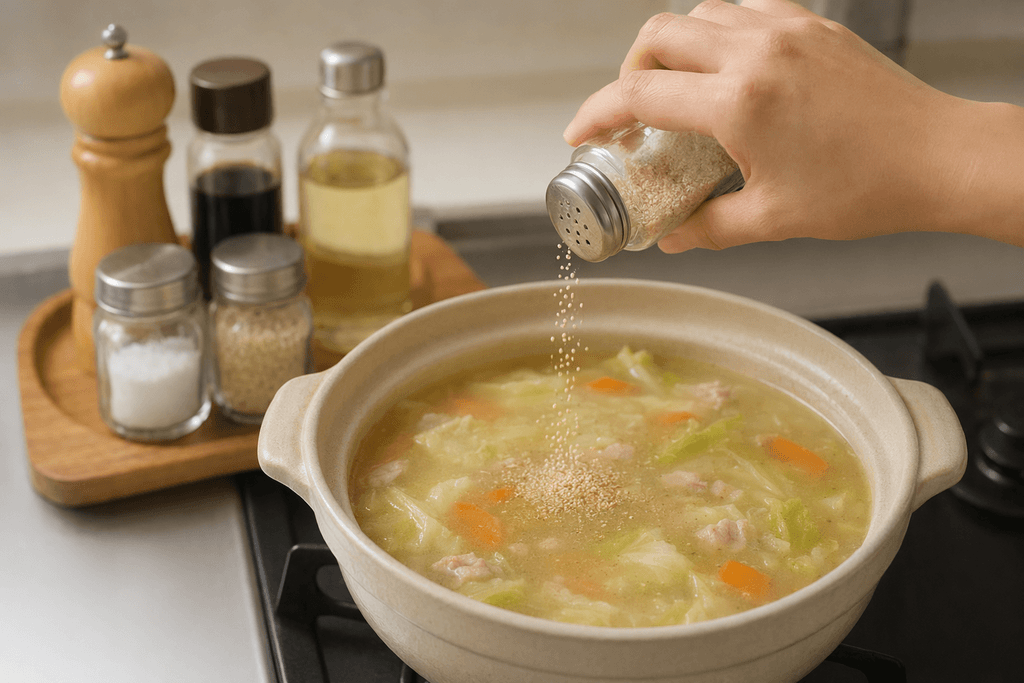
調味料
मसला
調味料
मसला
Explanation
調味料
मसला
調味料
मसला / स्वाद बढाउने पदार्थ
( Base form )
( romanization )
( romanization )
( hiragana historical )
( hiragana )
郵送
हुलाकबाट पठाउने काम
郵送
हुलाकबाट पठाउने काम
Explanation
郵送
हुलाकबाट पठाउने काम
郵送
डाकमार्फत पठाउने कार्य / डाकद्वारा प्रेषण / डाक पठाइ

( Base form )
( romanization )
( romanization )
( hiragana historical )
( hiragana )
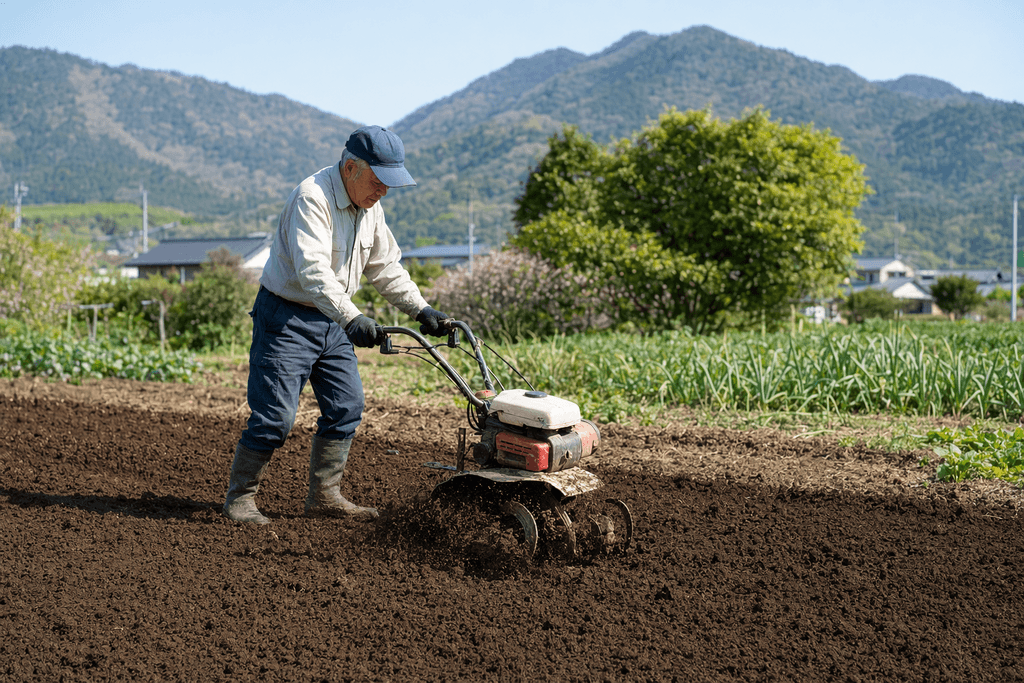
耕す
जोत्नु
耕す
जोत्नु
Explanation
耕す
जोत्नु
耕す
जमिन जोत्नु / खेत जोत्नु / हल चलाउनु
Word Forms
The basic and commonly used forms of this verb.
Basic forms
| Form | Word form | Usage |
|---|---|---|
| Imperfective form (mizenkei) |
Alternative:
耕そ
|
Connects to endings such as nai, reru, and seru. |
| Continuative form (renyokei) | Connects to endings such as masu, tai, and ta. | |
| Conclusive form (shushikei) | Ends a sentence and serves as the dictionary form. | |
| Attributive form (rentaikei) | Modifies a noun. | |
| Conditional form (kateikei) | Combines with ba to express a condition. | |
| Imperative form (meireikei) | Expresses a command or instruction. |
Common forms
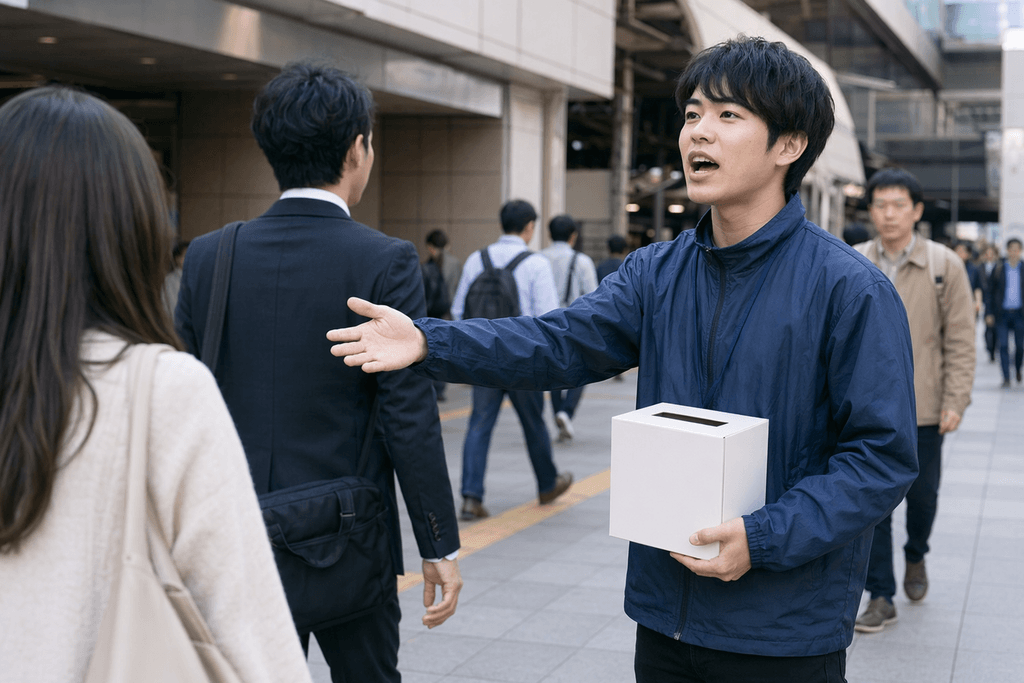
呼びかける
बोलाउनु / आह्वान गर्नु
呼びかける
बोलाउनु / आह्वान गर्नु
Explanation
呼びかける
बोलाउनु / आह्वान गर्नु
呼びかける
आवाज लगाउनु / अपिल गर्नु / सचेत गराउनु
Word Forms
The basic and commonly used forms of this verb.
Basic forms
| Form | Word form | Usage |
|---|---|---|
| Imperfective form (mizenkei) |
Alternative:
呼び掛け
|
Connects to endings such as nai, reru, and seru. |
| Continuative form (renyokei) |
Alternative:
呼び掛け
|
Connects to endings such as masu, tai, and ta. |
| Conclusive form (shushikei) |
Alternative:
呼び掛ける
|
Ends a sentence and serves as the dictionary form. |
| Attributive form (rentaikei) |
Alternative:
呼び掛ける
|
Modifies a noun. |
| Conditional form (kateikei) |
Alternative:
呼び掛けれ
|
Combines with ba to express a condition. |
| Imperative form (meireikei) |
Alternative:
呼び掛けろ
呼びかけよ
呼び掛けよ
|
Expresses a command or instruction. |
Common forms
| Form | Word form | Usage |
|---|---|---|
| Te-form |
Alternative:
呼び掛けて
|
Connects clauses with te. |
| Ta-form |
Alternative:
呼び掛けた
|
Expresses the past with ta. |
| Nai-form |
Alternative:
呼び掛けない
|
Expresses negation with nai. |
| Masu-form |
Alternative:
呼び掛けます
|
Used for polite speech. |
| Ba-form |
Alternative:
呼び掛ければ
|
Expresses a condition with ba. |
| Volitional form |
Alternative:
呼び掛けよう
|
Expresses intention or invitation. |
ひとまず
अहिलेलाई
ひとまず
अहिलेलाई
Explanation
अहिलेलाई
ひとまず
अहिलेलाई / हालका लागि / अस्थायी रूपमा

( romanization )
神話
मिथक
神話
मिथक
Explanation
神話
मिथक
神話
देवीदेवताको पौराणिक कथा; मिथक / आधारविहीन तर निर्विवाद झैँ ठानिने धारणा

( Base form )
( romanization )
( hiragana )
定期券
यात्रा पास
定期券
यात्रा पास
Explanation
定期券
यात्रा पास
定期券
नियतकालीन यात्रा पास / यातायातको आवधिक टिकट / सीजन टिकट

( Base form )
( romanization )
( hiragana )
Loading...

JLPT N2 多言語単語帳・1790語 / JLPT N2 Multilingual Vocabulary: 1790 Words

Jonathan Waller 氏の JLPT Resources の語彙リスト・レベル分類を出典とし、CC BY の条件に従って DiQt が学習者向けに意味を作り直した1790語の単語帳です。JLPT公式の語彙リストではありません。
This collection of 1790 words is based on the vocabulary list and level classifications in Jonathan Waller’s JLPT Resources under CC BY, with meanings rewritten by DiQt for learners. It is not an official JLPT vocabulary list.
Key Operations
Select the first quiz:
Ctrl + Enter
View Explanation:Ctrl + G
Close a feedback:Esc
When selecting a quiz
Answer:Enter
Select a choice:↓ or ↑
Reading out the question:Ctrl + K
View Hint: Ctrl + M
I don't know: Ctrl + Y



