
JLPT N2 शब्दार्थ अभ्यास - Unsolved

चार विकल्प भएका प्रश्नबाट JLPT N2 का 1790 शब्दका अर्थ नेपालीमा सिक्नुहोस्।
-
प्रत्येक
-
पेच
-
मुख्य सडक
-
दीर्घकालीन
-
वर्गाकार
-
खैरो
- 連用形「偉く」は副詞的用法にも用いられる。
-
सिउनु
-
बिदाइ गर्न जानु / अवसर छोड्नु
-
बस्नु
-
स्पष्टवादी
-
असाधारण
-
काल्पनिक / माथि तानिएको
-
हाई
-
लाभा
-
स्थापना / सम्झौता सम्पन्नता
-
नाइलन
-
काका-मामा र फुपू-सानीमाका सन्तान
-
क्षमा / अस्वीकार
-
निर्मल हुनु
-
छलफल गर्नु / तर्क गर्नु
-
नजिक आउनु / दबाब दिनु
-
विधेय
-
आयोजित कार्यक्रम
-
मानविकी
-
सरसफाइ
-
सवारी परिवर्तन
-
तलब
-
सिकर्मी
-
आयतन
-
दिशातर्फ / क्षेत्र
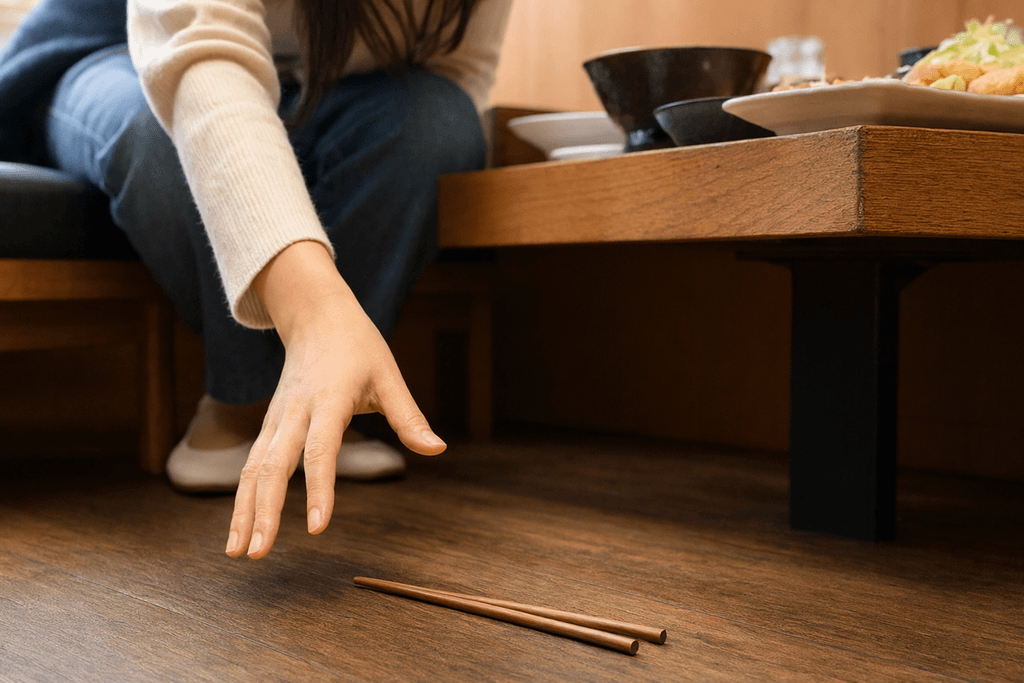
箸
खाने चपस्टिक
箸
खाने चपस्टिक
Explanation
箸
खाने चपस्टिक
箸
खाना उठाएर खाने दुईवटा साना डण्डी (प्रायः काठका), पूर्वी एसियामा प्रचलित / जापानी/चिनियाँ परिकार खाने उपकरण
( romanization )
( hiragana )
偉い
प्रशंसनीय / उच्च पदको
偉い
प्रशंसनीय / उच्च पदको
Explanation
偉い
प्रशंसनीय / उच्च पदको
偉い
प्रशंसनीय; महान / प्रतिष्ठित; उच्च पदस्थ / गम्भीर; भयानक

Word Forms
The basic and commonly used forms of this adjective.
Basic forms
| Form | Word form | Usage |
|---|---|---|
| Imperfective form (mizenkei) |
Alternative:
偉から
|
Used in forms such as karou; mainly literary. |
| Continuative form (renyokei) |
Alternative:
偉かっ
|
Used in forms such as kute and kunai. |
| Conclusive form (shushikei) | Ends a sentence. | |
| Attributive form (rentaikei) | Modifies a noun. | |
| Conditional form (kateikei) | Expresses a condition with kereba. | |
| Imperative form (meireikei) | Rarely used in modern Japanese. |
Common forms
| Form | Word form | Usage |
|---|---|---|
| Te-form | Connects clauses with kute. | |
| Ta-form | Expresses the past with katta. | |
| Nai-form | Expresses negation with kunai. | |
| Ba-form | Expresses a condition with kereba. |
Notes
増やす
बढाउनु
増やす
बढाउनु
Explanation
増やす
बढाउनु
増やす
बढाउनु / वृद्धि गर्नु / संख्या वा मात्रा बढाउनु

Word Forms
The basic and commonly used forms of this verb.
Basic forms
| Form | Word form | Usage |
|---|---|---|
| Imperfective form (mizenkei) |
Alternative:
増やそ
|
Connects to endings such as nai, reru, and seru. |
| Continuative form (renyokei) | Connects to endings such as masu, tai, and ta. | |
| Conclusive form (shushikei) | Ends a sentence and serves as the dictionary form. | |
| Attributive form (rentaikei) | Modifies a noun. | |
| Conditional form (kateikei) | Combines with ba to express a condition. | |
| Imperative form (meireikei) | Expresses a command or instruction. |
Common forms
のんき
निश्चिन्त / लापरवाह
のんき
निश्चिन्त / लापरवाह
Explanation
निश्चिन्त / लापरवाह
のんき
बेफिक्र / सहज स्वभावको / लापरवाह

Word Forms
The basic and commonly used forms of this adjectival noun.
Basic forms
| Form | Word form | Usage |
|---|---|---|
| Imperfective form (mizenkei) |
Alternative:
呑気だろ
|
Used in forms such as darou. |
| Continuative form (renyokei) |
Alternative:
呑気で
のんきに
呑気に
|
Used with de or ni. |
| Conclusive form (shushikei) |
Alternative:
呑気だ
|
Ends a sentence with da. |
| Attributive form (rentaikei) |
Alternative:
呑気な
|
Modifies a noun with na. |
| Conditional form (kateikei) |
Alternative:
呑気なら
|
Expresses a condition with nara. |
| Imperative form (meireikei) |
Alternative:
呑気であれ
|
Used in formal expressions such as de are. |
Common forms
| Form | Word form | Usage |
|---|---|---|
| Te-form equivalent |
Alternative:
呑気で
|
Connects clauses using de. |
| Ta-form |
Alternative:
呑気だった
|
Expresses the past with datta. |
| Nai-form |
Alternative:
呑気ではない
のんきじゃない
呑気じゃない
|
Expresses negation with dewa nai or ja nai. |
| Desu-form |
Alternative:
呑気です
|
Used for polite speech. |
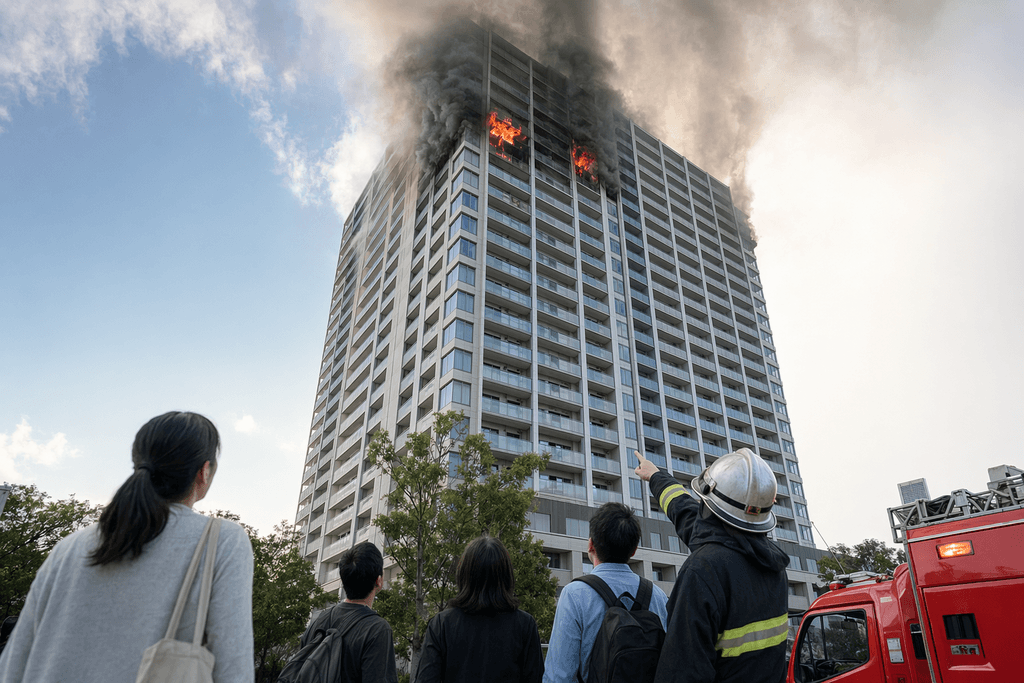
高層
माथिल्ला तह / अग्लो भवन
高層
माथिल्ला तह / अग्लो भवन
Explanation
高層
माथिल्ला तह / अग्लो भवन
高層
माथिल्लो तह / उच्च परत / उच्च-तल्ले भवन
( Base form )
( romanization )
( hiragana )
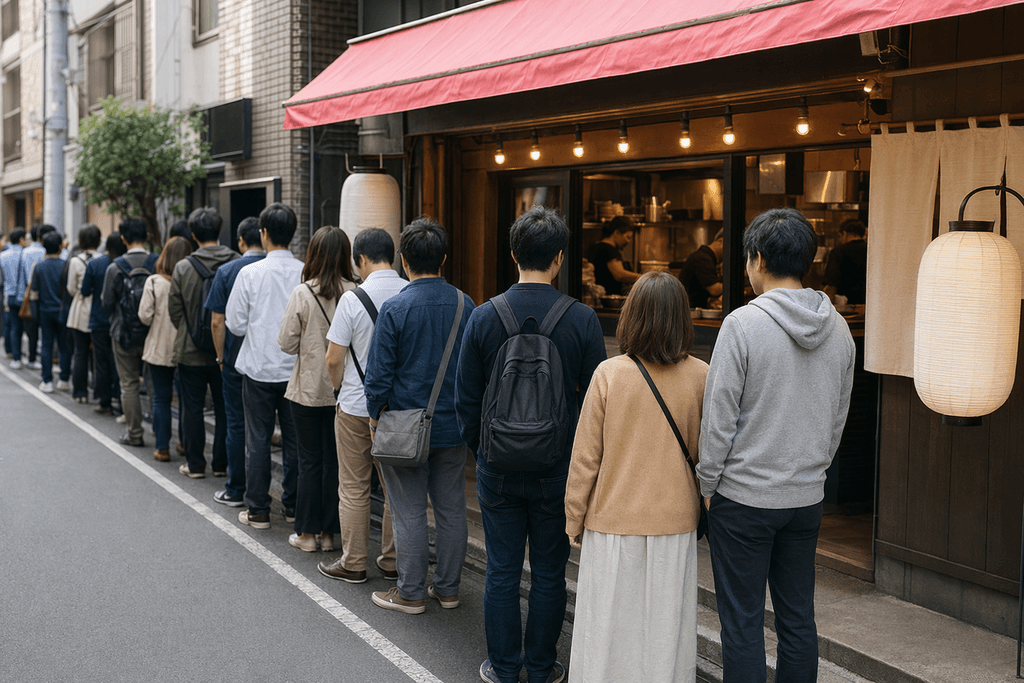
行列
पङ्क्ति / म्याट्रिक्स
行列
पङ्क्ति / म्याट्रिक्स
Explanation
行列
पङ्क्ति / म्याट्रिक्स
行列
कतार / जुलुस / आव्यूह (गणित)
( Base form )
( romanization )
( romanization )
( stem )
( Past )
( hiragana historical )
近づける
नजिक ल्याउनु / नजिक आउन दिनु
近づける
नजिक ल्याउनु / नजिक आउन दिनु
Explanation
近づける
नजिक ल्याउनु / नजिक आउन दिनु
近づける
नजिक ल्याउनु वा राख्नु / सम्बन्ध जोड्नु / लक्ष्यसँग नजिक पुर्याउनु

Word Forms
The basic and commonly used forms of this verb.
Basic forms
| Form | Word form | Usage |
|---|---|---|
| Imperfective form (mizenkei) |
Alternative:
近付け
|
Connects to endings such as nai, reru, and seru. |
| Continuative form (renyokei) |
Alternative:
近付け
|
Connects to endings such as masu, tai, and ta. |
| Conclusive form (shushikei) |
Alternative:
近付ける
|
Ends a sentence and serves as the dictionary form. |
| Attributive form (rentaikei) |
Alternative:
近付ける
|
Modifies a noun. |
| Conditional form (kateikei) |
Alternative:
近付けれ
|
Combines with ba to express a condition. |
| Imperative form (meireikei) |
Alternative:
近づけよ
近付けろ
近付けよ
|
Expresses a command or instruction. |
Common forms
| Form | Word form | Usage |
|---|---|---|
| Te-form |
Alternative:
近付けて
|
Connects clauses with te. |
| Ta-form |
Alternative:
近付けた
|
Expresses the past with ta. |
| Nai-form |
Alternative:
近付けない
|
Expresses negation with nai. |
| Masu-form |
Alternative:
近付けます
|
Used for polite speech. |
| Ba-form |
Alternative:
近付ければ
|
Expresses a condition with ba. |
| Volitional form |
Alternative:
近付けよう
|
Expresses intention or invitation. |
仮名遣い
काना हिज्जे
仮名遣い
काना हिज्जे
Explanation
仮名遣い
काना हिज्जे
仮名遣い
काना वर्तनीका नियमहरू / काना प्रयोगको तरिका / काना लेखनका प्रचलित प्रथाहरू

( Base form )
( romanization )
( romanization )
( hiragana historical )
リボン
रिबन
リボン
रिबन
Explanation
रिबन
リボン
फिता / रिबन / सजावटी फिता

( romanization )
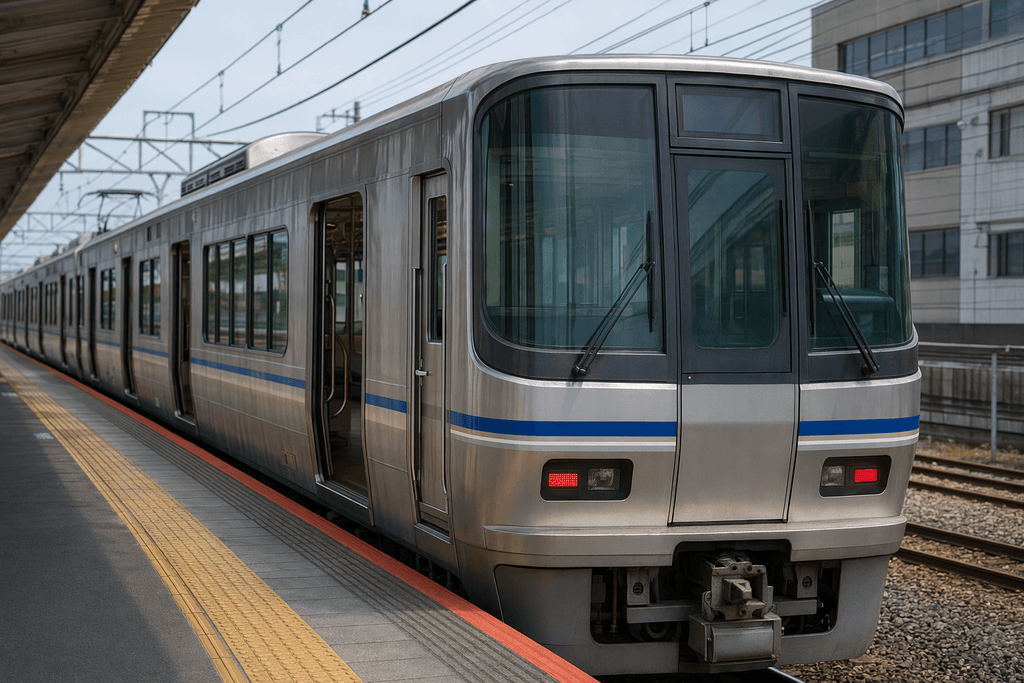
停車
सवारी रोकिने काम
停車
सवारी रोकिने काम
Explanation
停車
सवारी रोकिने काम
停車
रेल वा सवारी साधनको रोकाइ / (स्टेसनमा) रेलको ठहर
( Base form )
( romanization )
( romanization )
( hiragana historical )
( hiragana )
Loading...

JLPT N2 多言語単語帳・1790語 / JLPT N2 Multilingual Vocabulary: 1790 Words

Jonathan Waller 氏の JLPT Resources の語彙リスト・レベル分類を出典とし、CC BY の条件に従って DiQt が学習者向けに意味を作り直した1790語の単語帳です。JLPT公式の語彙リストではありません。
This collection of 1790 words is based on the vocabulary list and level classifications in Jonathan Waller’s JLPT Resources under CC BY, with meanings rewritten by DiQt for learners. It is not an official JLPT vocabulary list.
Key Operations
Select the first quiz:
Ctrl + Enter
View Explanation:Ctrl + G
Close a feedback:Esc
When selecting a quiz
Answer:Enter
Select a choice:↓ or ↑
Reading out the question:Ctrl + K
View Hint: Ctrl + M
I don't know: Ctrl + Y



