
JLPT N2 शब्दार्थ अभ्यास - Unsolved

चार विकल्प भएका प्रश्नबाट JLPT N2 का 1790 शब्दका अर्थ नेपालीमा सिक्नुहोस्।
-
पूर्ण विश्वास गर्नु
-
फल लाग्नु / पाक्नु
-
फुट्नु
- 「喩える」は異表記。
-
ओसिनु
-
दुर्भाग्य भोग्नु
-
खुम्चिनु
-
जिम्मेवार हुनु
-
सिउनु
-
खोजबिन गर्नु / छामछुम गर्नु
-
अवरोहण
-
अत्तर
-
तुरुन्तपछि
-
उफ्रिनु / फड्किनु
-
सिकाइ पाउनु
-
फुटाउनु
-
फुत्किनु / निसाना चुक्नु
-
समात्नु / बुझ्नु
-
छोटकरीमा लेख्नु / छोड्नु
-
विद्यालयको कक्षा
-
प्रधानमन्त्री
-
हेराइ
-
मिति र समय
-
सेवा काउन्टर
-
प्रारम्भिक स्तर
-
पूजा गर्नु / बिन्ती गर्नु
-
छर्नु
-
उग्र हुनु / छटपटाउनु
-
लालायित हुनु / आदर्श मान्नु
-
लागू गर्नु / मिलाउनु
-
आदेश दिनु / नियुक्त गर्नु
例える
उपमा दिनु
例える
उपमा दिनु
Explanation
例える
उपमा दिनु
例える
तुलना गर्नु / उपमा दिनु / उदाहरण दिनु

Word Forms
The basic and commonly used forms of this verb.
Basic forms
| Form | Word form | Usage |
|---|---|---|
| Imperfective form (mizenkei) |
Alternative:
喩え
|
Connects to endings such as nai, reru, and seru. |
| Continuative form (renyokei) |
Alternative:
喩え
|
Connects to endings such as masu, tai, and ta. |
| Conclusive form (shushikei) |
Alternative:
喩える
|
Ends a sentence and serves as the dictionary form. |
| Attributive form (rentaikei) |
Alternative:
喩える
|
Modifies a noun. |
| Conditional form (kateikei) |
Alternative:
喩えれ
|
Combines with ba to express a condition. |
| Imperative form (meireikei) |
Alternative:
例えよ
喩えろ
喩えよ
|
Expresses a command or instruction. |
Common forms
| Form | Word form | Usage |
|---|---|---|
| Te-form |
Alternative:
喩えて
|
Connects clauses with te. |
| Ta-form |
Alternative:
喩えた
|
Expresses the past with ta. |
| Nai-form |
Alternative:
喩えない
|
Expresses negation with nai. |
| Masu-form |
Alternative:
喩えます
|
Used for polite speech. |
| Ba-form |
Alternative:
喩えれば
|
Expresses a condition with ba. |
| Volitional form |
Alternative:
喩えよう
|
Expresses intention or invitation. |
Notes
払い戻す
पैसा फिर्ता गर्नु
払い戻す
पैसा फिर्ता गर्नु
Explanation
払い戻す
पैसा फिर्ता गर्नु
払い戻す
रकम फिर्ता गर्नु / पैसा फर्काउनु / भुक्तानी फिर्ता गर्नु

Word Forms
The basic and commonly used forms of this verb.
Basic forms
| Form | Word form | Usage |
|---|---|---|
| Imperfective form (mizenkei) |
Alternative:
払い戻そ
払戻さ
払戻そ
|
Connects to endings such as nai, reru, and seru. |
| Continuative form (renyokei) |
Alternative:
払戻し
|
Connects to endings such as masu, tai, and ta. |
| Conclusive form (shushikei) |
Alternative:
払戻す
|
Ends a sentence and serves as the dictionary form. |
| Attributive form (rentaikei) |
Alternative:
払戻す
|
Modifies a noun. |
| Conditional form (kateikei) |
Alternative:
払戻せ
|
Combines with ba to express a condition. |
| Imperative form (meireikei) |
Alternative:
払戻せ
|
Expresses a command or instruction. |
Common forms
| Form | Word form | Usage |
|---|---|---|
| Te-form |
Alternative:
払戻して
|
Connects clauses with te. |
| Ta-form |
Alternative:
払戻した
|
Expresses the past with ta. |
| Nai-form |
Alternative:
払戻さない
|
Expresses negation with nai. |
| Masu-form |
Alternative:
払戻します
|
Used for polite speech. |
| Ba-form |
Alternative:
払戻せば
|
Expresses a condition with ba. |
| Volitional form |
Alternative:
払戻そう
|
Expresses intention or invitation. |
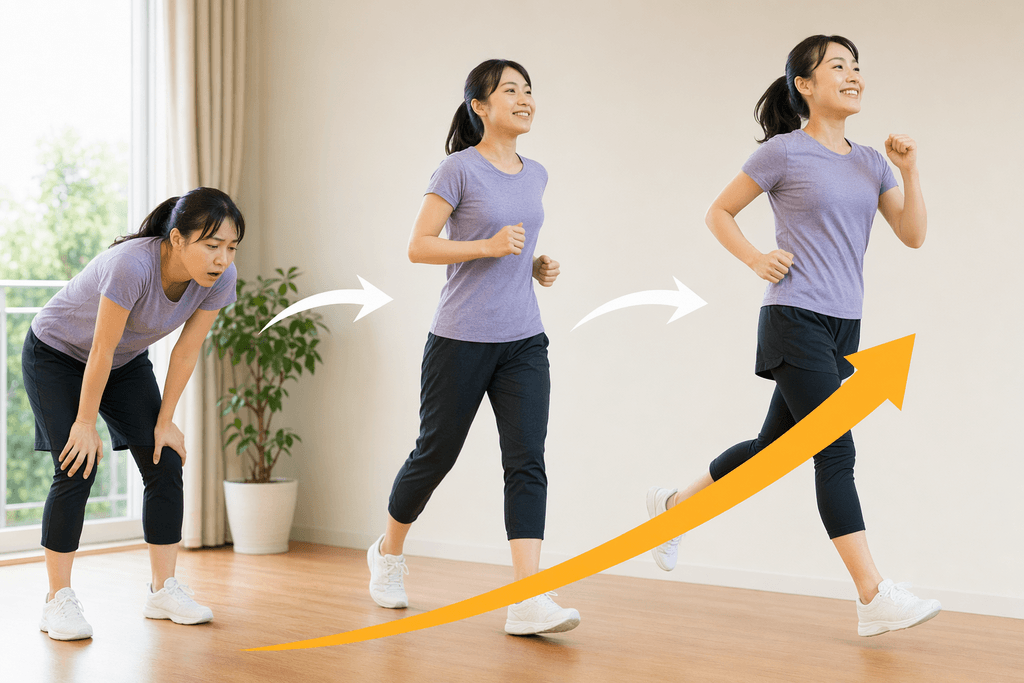
高める
बढाउनु / सुधार्नु
高める
बढाउनु / सुधार्नु
Explanation
高める
बढाउनु / सुधार्नु
高める
बढाउनु / सुधार गर्नु / उच्च बनाउनु
Word Forms
The basic and commonly used forms of this verb.
Basic forms
| Form | Word form | Usage |
|---|---|---|
| Imperfective form (mizenkei) | Connects to endings such as nai, reru, and seru. | |
| Continuative form (renyokei) | Connects to endings such as masu, tai, and ta. | |
| Conclusive form (shushikei) | Ends a sentence and serves as the dictionary form. | |
| Attributive form (rentaikei) | Modifies a noun. | |
| Conditional form (kateikei) | Combines with ba to express a condition. | |
| Imperative form (meireikei) |
Alternative:
高めよ
|
Expresses a command or instruction. |
Common forms
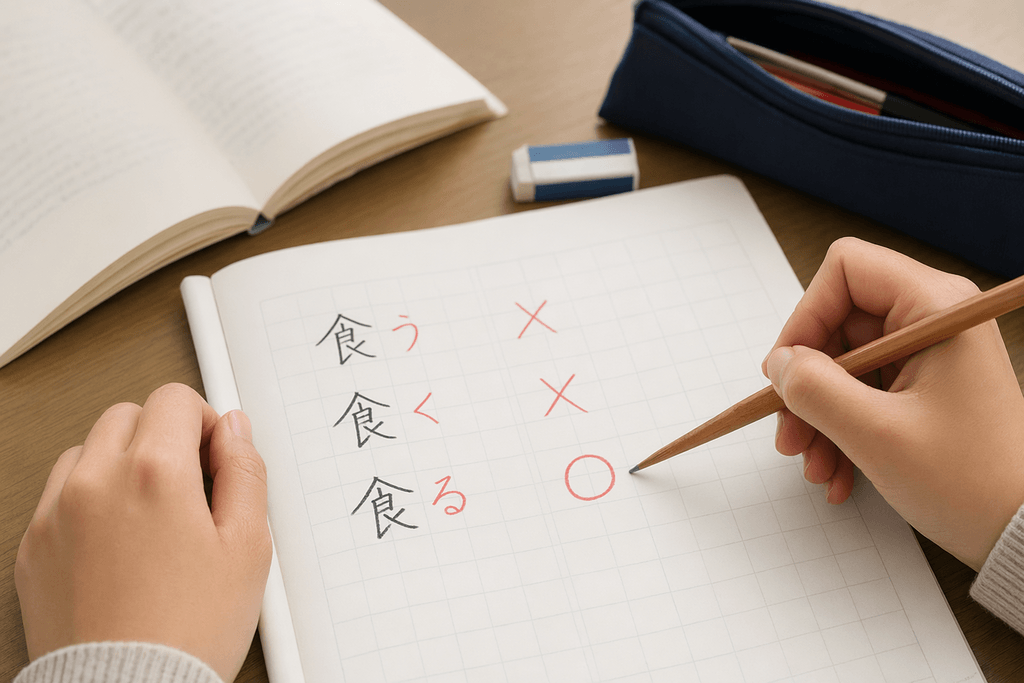
送り仮名
कान्जीपछि आउने काना
送り仮名
कान्जीपछि आउने काना
Explanation
送り仮名
कान्जीपछि आउने काना
送り仮名
कन्जीपछि रूपान्तरण अन्त्य सूचित गर्न जोडिने काना / जापानीमा क्रिया वा विशेषणको रूपान्तरण देखाउने काना
( Base form )
( romanization )
( hiragana )
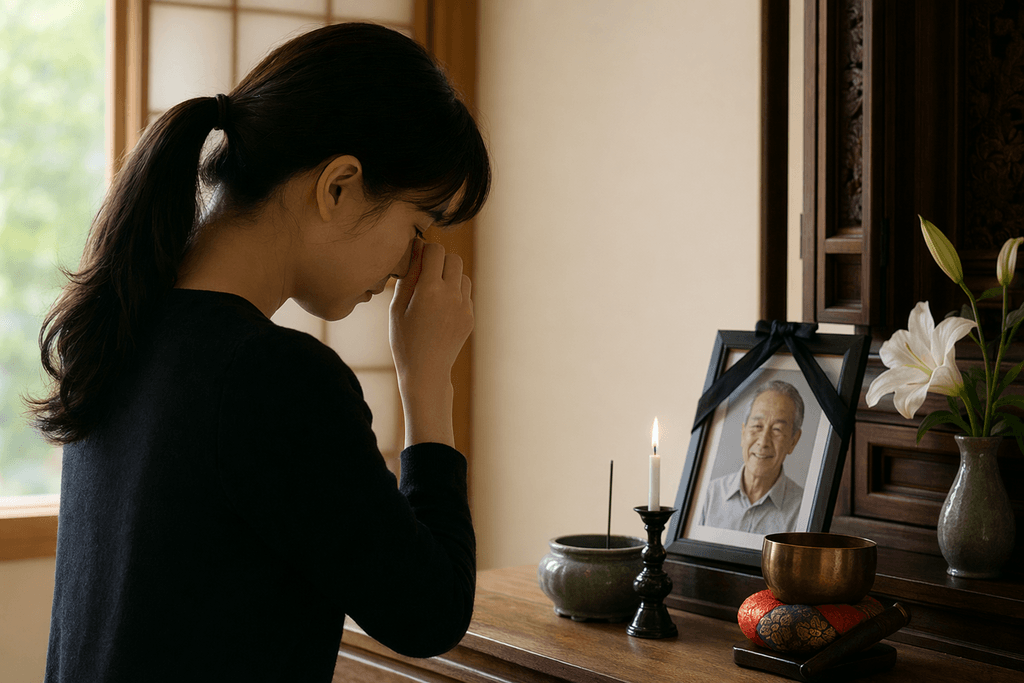
亡くす
मृत्युले गुमाउनु
亡くす
मृत्युले गुमाउनु
Explanation
亡くす
मृत्युले गुमाउनु
亡くす
कसैलाई मृत्युले गुमाउनु / कसैको निधन सहनु / कसैको मृत्युबाट वियोग भोग्नु
Word Forms
The basic and commonly used forms of this verb.
Basic forms
| Form | Word form | Usage |
|---|---|---|
| Imperfective form (mizenkei) |
Alternative:
亡くそ
|
Connects to endings such as nai, reru, and seru. |
| Continuative form (renyokei) | Connects to endings such as masu, tai, and ta. | |
| Conclusive form (shushikei) | Ends a sentence and serves as the dictionary form. | |
| Attributive form (rentaikei) | Modifies a noun. | |
| Conditional form (kateikei) | Combines with ba to express a condition. | |
| Imperative form (meireikei) | Expresses a command or instruction. |
Common forms
混ざる
मिसिनु
混ざる
मिसिनु
Explanation
混ざる
मिसिनु
混ざる
मिसिनु / मिश्रित हुनु / घुलमिल हुनु

Word Forms
The basic and commonly used forms of this verb.
Basic forms
| Form | Word form | Usage |
|---|---|---|
| Imperfective form (mizenkei) | Connects to endings such as nai, reru, and seru. | |
| Continuative form (renyokei) | Connects to endings such as masu, tai, and ta. | |
| Conclusive form (shushikei) | Ends a sentence and serves as the dictionary form. | |
| Attributive form (rentaikei) | Modifies a noun. | |
| Conditional form (kateikei) | Combines with ba to express a condition. | |
| Imperative form (meireikei) | Expresses a command or instruction. |
Common forms
浴衣
गर्मीमा लगाउने सुती किमोनो
浴衣
गर्मीमा लगाउने सुती किमोनो
Explanation
浴衣
गर्मीमा लगाउने सुती किमोनो
浴衣
गर्मीमा लगाइने हल्का सूती किमोनो / स्नानपछि लगाइने हल्का सूती पोशाक / आराम वा सुत्न प्रयोग हुने साधारण किमोनो

( romanization )
( hiragana )
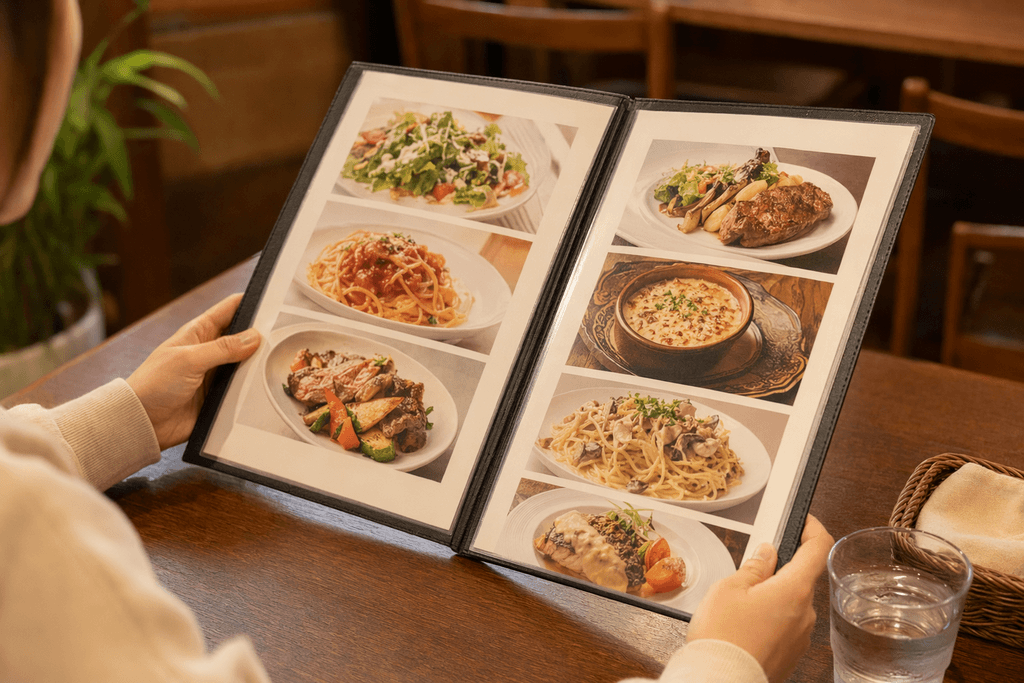
メニュー
मेनु
メニュー
मेनु
Explanation
मेनु
メニュー
रेस्तराँमा खानेकुराको सूची / कम्प्युटर वा एपमा विकल्पहरूको सूची
( romanization )
味わう
स्वाद लिनु / अनुभव गर्नु
味わう
स्वाद लिनु / अनुभव गर्नु
Explanation
味わう
स्वाद लिनु / अनुभव गर्नु
味わう
रसास्वादन गर्नु / अनुभवको आनन्द लिनु / महसुस गर्नु

Word Forms
The basic and commonly used forms of this verb.
Basic forms
| Form | Word form | Usage |
|---|---|---|
| Imperfective form (mizenkei) | Connects to endings such as nai, reru, and seru. | |
| Continuative form (renyokei) | Connects to endings such as masu, tai, and ta. | |
| Conclusive form (shushikei) | Ends a sentence and serves as the dictionary form. | |
| Attributive form (rentaikei) | Modifies a noun. | |
| Conditional form (kateikei) | Combines with ba to express a condition. | |
| Imperative form (meireikei) | Expresses a command or instruction. |
Common forms
冷やす
चिस्याउनु
冷やす
चिस्याउनु
Explanation
冷やす
चिस्याउनु
冷やす
चिस्याउनु / भावना वा उत्तेजना शान्त पार्नु

Word Forms
The basic and commonly used forms of this verb.
Basic forms
| Form | Word form | Usage |
|---|---|---|
| Imperfective form (mizenkei) | Connects to endings such as nai, reru, and seru. | |
| Continuative form (renyokei) | Connects to endings such as masu, tai, and ta. | |
| Conclusive form (shushikei) | Ends a sentence and serves as the dictionary form. | |
| Attributive form (rentaikei) | Modifies a noun. | |
| Conditional form (kateikei) | Combines with ba to express a condition. | |
| Imperative form (meireikei) | Expresses a command or instruction. |
Common forms
Loading...

JLPT N2 多言語単語帳・1790語 / JLPT N2 Multilingual Vocabulary: 1790 Words

Jonathan Waller 氏の JLPT Resources の語彙リスト・レベル分類を出典とし、CC BY の条件に従って DiQt が学習者向けに意味を作り直した1790語の単語帳です。JLPT公式の語彙リストではありません。
This collection of 1790 words is based on the vocabulary list and level classifications in Jonathan Waller’s JLPT Resources under CC BY, with meanings rewritten by DiQt for learners. It is not an official JLPT vocabulary list.
Key Operations
Select the first quiz:
Ctrl + Enter
View Explanation:Ctrl + G
Close a feedback:Esc
When selecting a quiz
Answer:Enter
Select a choice:↓ or ↑
Reading out the question:Ctrl + K
View Hint: Ctrl + M
I don't know: Ctrl + Y



