
JLPT N2 शब्दार्थ अभ्यास - Unsolved

चार विकल्प भएका प्रश्नबाट JLPT N2 का 1790 शब्दका अर्थ नेपालीमा सिक्नुहोस्।
-
झुन्ड्याउनु
-
बेवास्ता गर्नु
-
छरपस्ट हुनु
- 自動詞。下一段活用。
- 「増える」と同語で、「殖える」は生物・資産などがふえる意で用いられることがある。
-
कुच्चिनु / निराश हुनु
-
फुत्किनु / निसाना चुक्नु
-
सम्बन्धित हुनु
-
जोत्नु
-
माया गर्नु
-
पछि आउनु
-
अप्रत्यक्षता
-
हेलिकप्टर
-
तातामी बिछ्याएको कोठा
-
खरानी रङ
-
स्केल
-
गति बढाउने काम
-
सानो घण्टी
-
घरेलु कामदार
-
पसल
-
आन्तरिक फोन
-
हारजितको नतिजा
-
पछाडिको ढोका
-
औषधि पसल
-
गर्मीमा लगाउने सुती किमोनो
-
विषयवस्तु
-
थाहा पाउनु / सोच्नु
-
फुट्नु
-
नाफा हुनु
-
चित्रको रङ
-
यात्रा पास
-
आकार
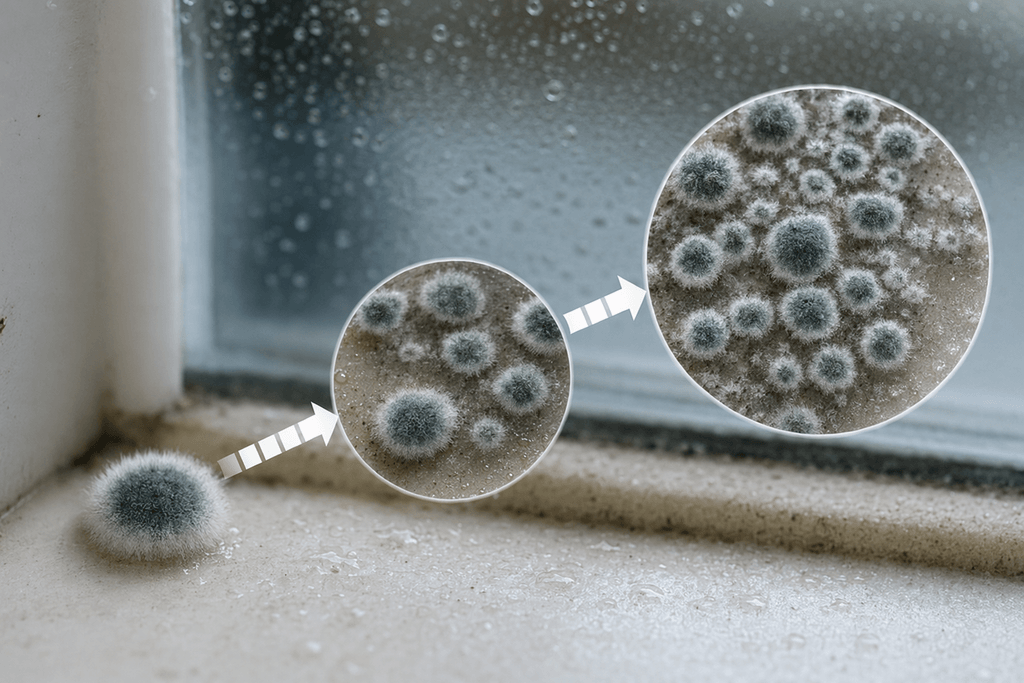
殖える
प्रजननद्वारा बढ्नु
殖える
प्रजननद्वारा बढ्नु
Explanation
殖える
प्रजननद्वारा बढ्नु
殖える
बढ्नु / संख्या बढ्नु / छिटो बढ्नु
Word Forms
The basic and commonly used forms of this verb.
Basic forms
| Form | Word form | Usage |
|---|---|---|
| Imperfective form (mizenkei) | Connects to endings such as nai, reru, and seru. | |
| Continuative form (renyokei) | Connects to endings such as masu, tai, and ta. | |
| Conclusive form (shushikei) | Ends a sentence and serves as the dictionary form. | |
| Attributive form (rentaikei) | Modifies a noun. | |
| Conditional form (kateikei) | Combines with ba to express a condition. | |
| Imperative form (meireikei) |
Alternative:
殖えよ
|
Expresses a command or instruction. |
Common forms
| Form | Word form | Usage |
|---|---|---|
| Te-form | Connects clauses with te. | |
| Ta-form | Expresses the past with ta. | |
| Nai-form | Expresses negation with nai. | |
| Masu-form | Used for polite speech. | |
| Ba-form | Expresses a condition with ba. | |
| Volitional form | Expresses intention or invitation. |
Notes
掻く
कन्याउनु / पसिना आउनु
掻く
कन्याउनु / पसिना आउनु
Explanation
掻く
कन्याउनु / पसिना आउनु
掻く
(टाउको आदि) कोट्याउनु / केही संज्ञासँग मिलेर अर्थ बनाउने गैरउत्पादक सहायक क्रिया

Word Forms
The basic and commonly used forms of this verb.
Basic forms
| Form | Word form | Usage |
|---|---|---|
| Imperfective form (mizenkei) |
Alternative:
掻こ
|
Connects to endings such as nai, reru, and seru. |
| Continuative form (renyokei) | Connects to endings such as masu, tai, and ta. | |
| Conclusive form (shushikei) | Ends a sentence and serves as the dictionary form. | |
| Attributive form (rentaikei) | Modifies a noun. | |
| Conditional form (kateikei) | Combines with ba to express a condition. | |
| Imperative form (meireikei) | Expresses a command or instruction. |
Common forms
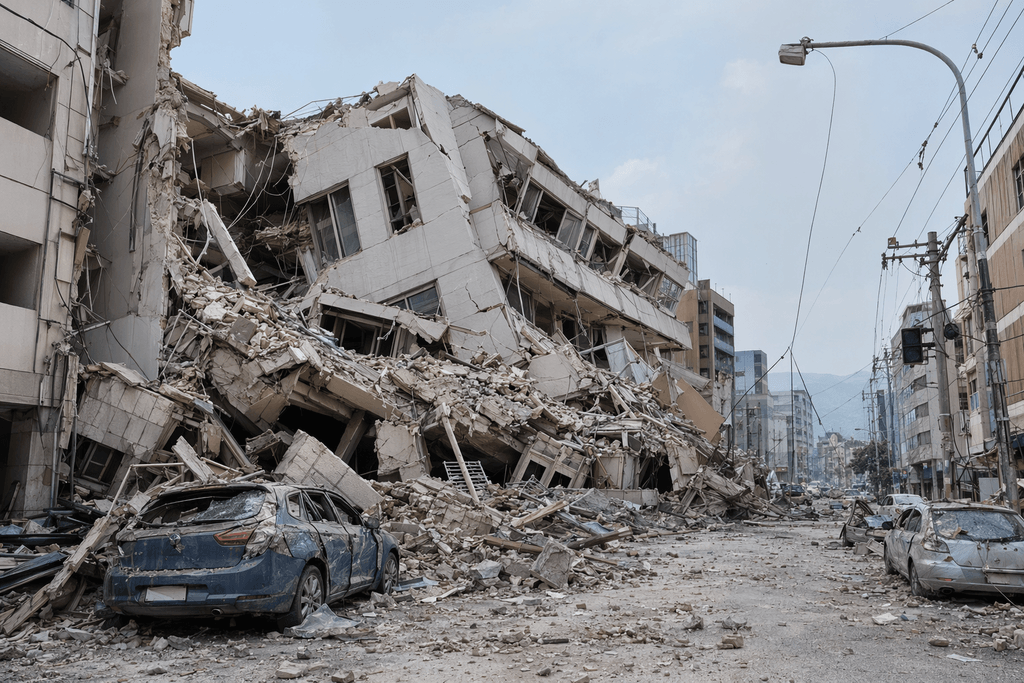
潰れる
किचिनु / दिवालिया हुनु
潰れる
किचिनु / दिवालिया हुनु
Explanation
潰れる
किचिनु / दिवालिया हुनु
潰れる
कुचलिनु/ध्वस्त हुनु / दिवालिया हुनु / धुत्त भएर ढलिनु
Word Forms
The basic and commonly used forms of this verb.
Basic forms
| Form | Word form | Usage |
|---|---|---|
| Imperfective form (mizenkei) | Connects to endings such as nai, reru, and seru. | |
| Continuative form (renyokei) | Connects to endings such as masu, tai, and ta. | |
| Conclusive form (shushikei) | Ends a sentence and serves as the dictionary form. | |
| Attributive form (rentaikei) | Modifies a noun. | |
| Conditional form (kateikei) | Combines with ba to express a condition. | |
| Imperative form (meireikei) |
Alternative:
潰れよ
|
Expresses a command or instruction. |
Common forms
人造
मानवनिर्मित
人造
मानवनिर्मित
Explanation
人造
मानवनिर्मित
人造
मानव-निर्मित वस्तु / कृत्रिम पदार्थ / सिंथेटिक वस्तु
( Base form )
( romanization )
( romanization )
( hiragana historical )
( hiragana )
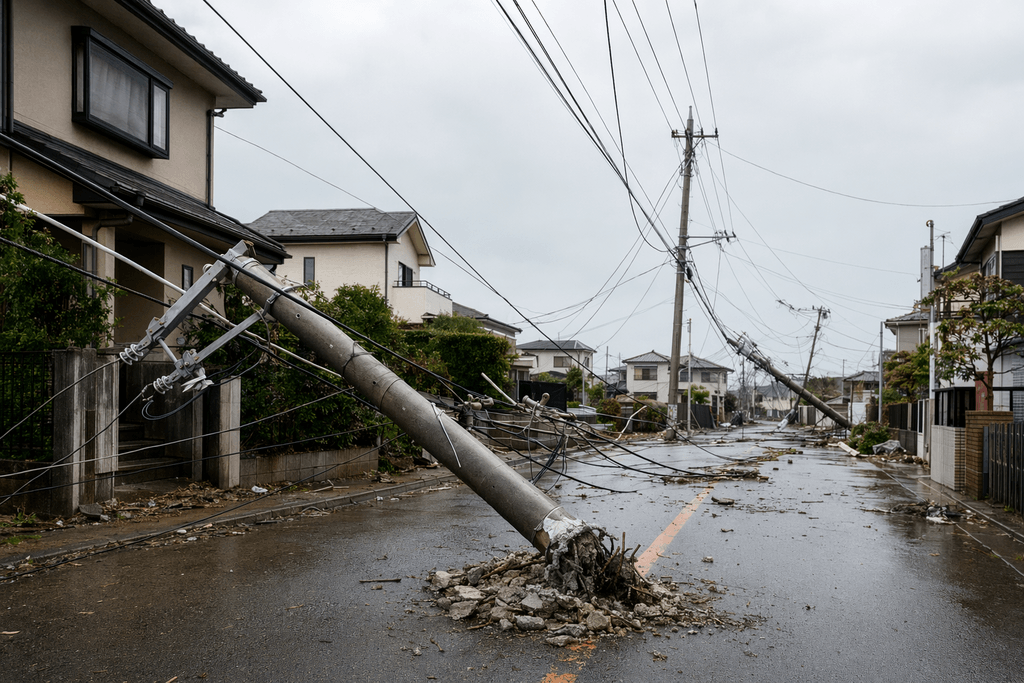
電柱
बिजुलीको पोल
電柱
बिजुलीको पोल
Explanation
電柱
बिजुलीको पोल
電柱
विद्युत् लाइनको खम्बा / टेलिफोन वा टेलिग्राफ लाइनको खम्बा
( Base form )
( romanization )
( hiragana )
中身
अन्तर्वस्तु
中身
अन्तर्वस्तु
Explanation
中身
अन्तर्वस्तु
中身
भित्रको सामग्री / अन्तर्भाग / कुराको सार

( Base form )
( romanization )
( hiragana )
過半数
बहुमत
過半数
बहुमत
Explanation
過半数
बहुमत
過半数
बहुमत / अर्धभन्दा बढी संख्या / अर्धभन्दा बढी अनुपात
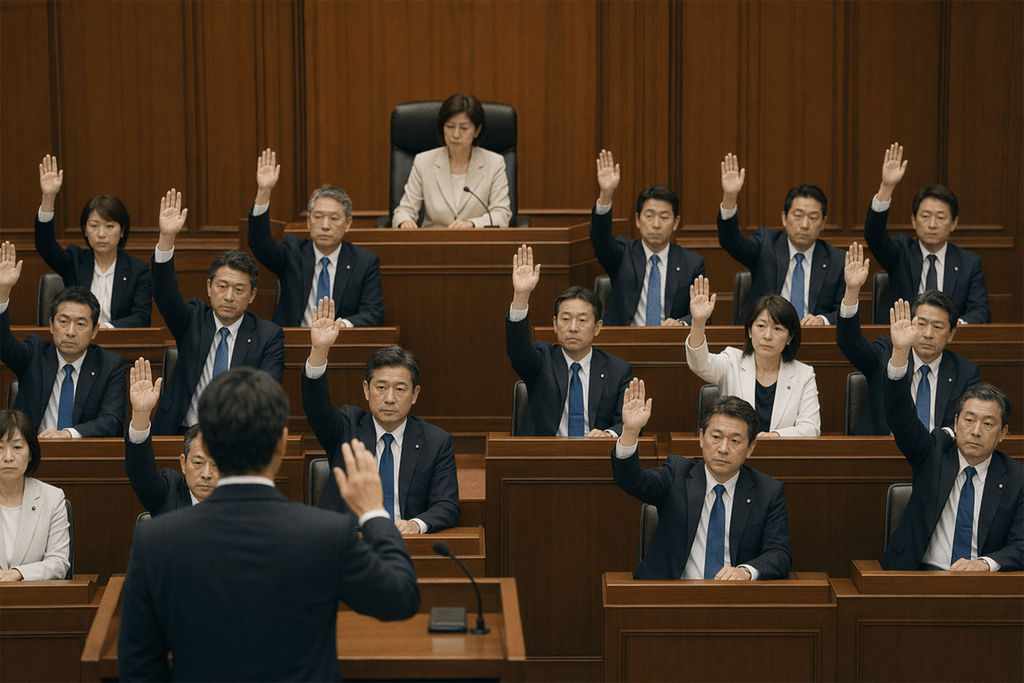
( Base form )
( romanization )
( hiragana )
火口
ज्वालामुखीको मुख
火口
ज्वालामुखीको मुख
Explanation
火口
ज्वालामुखीको मुख
火口
ज्वालामुखीको क्रेटर / बयलरको अग्निद्वार
( Base form )
( romanization )
( romanization )
( hiragana historical )
( hiragana )
見下ろす
माथिबाट तल हेर्नु
見下ろす
माथिबाट तल हेर्नु
Explanation
見下ろす
माथिबाट तल हेर्नु
見下ろす
उच्च स्थानबाट तलतिर (कुनै ठाउँ/दृश्य) हेर्नु / कसैलाई हेला गर्नु; तुच्छ ठान्नु

Word Forms
The basic and commonly used forms of this verb.
Basic forms
| Form | Word form | Usage |
|---|---|---|
| Imperfective form (mizenkei) |
Alternative:
見下ろそ
|
Connects to endings such as nai, reru, and seru. |
| Continuative form (renyokei) | Connects to endings such as masu, tai, and ta. | |
| Conclusive form (shushikei) | Ends a sentence and serves as the dictionary form. | |
| Attributive form (rentaikei) | Modifies a noun. | |
| Conditional form (kateikei) | Combines with ba to express a condition. | |
| Imperative form (meireikei) | Expresses a command or instruction. |
Common forms
分数
भिन्न
分数
भिन्न
Explanation
分数
भिन्न
分数
भिन्न / अंश-हर भएको संख्या

( romanization )
Loading...

JLPT N2 多言語単語帳・1790語 / JLPT N2 Multilingual Vocabulary: 1790 Words

Jonathan Waller 氏の JLPT Resources の語彙リスト・レベル分類を出典とし、CC BY の条件に従って DiQt が学習者向けに意味を作り直した1790語の単語帳です。JLPT公式の語彙リストではありません。
This collection of 1790 words is based on the vocabulary list and level classifications in Jonathan Waller’s JLPT Resources under CC BY, with meanings rewritten by DiQt for learners. It is not an official JLPT vocabulary list.
Key Operations
Select the first quiz:
Ctrl + Enter
View Explanation:Ctrl + G
Close a feedback:Esc
When selecting a quiz
Answer:Enter
Select a choice:↓ or ↑
Reading out the question:Ctrl + K
View Hint: Ctrl + M
I don't know: Ctrl + Y



