
JLPT N2 शब्दार्थ अभ्यास - Unsolved

चार विकल्प भएका प्रश्नबाट JLPT N2 का 1790 शब्दका अर्थ नेपालीमा सिक्नुहोस्।
-
शीतलता लिनु
-
निको पार्नु / घाउ निको पार्नु
-
मन नपराएको देखाउनु
-
संस्थाको नाममा
-
स्वास्थ्य संरक्षण
-
विद्युत् शक्ति
-
कृषि उपज
-
भण्डारण
-
पूरा नाम
-
बिछ्याउनु / फैलाउनु
-
जिस्क्याउनु
-
प्रस्थान गर्नु
- 「拝む」はマ行五段活用の動詞。
- 未然形「拝も」は意志・推量の助動詞「う」に接続する形。
-
झुत्रा कपडा / लुकाइएका दोष
-
एन्टेना
-
सटही / मनी अर्डर
-
नाघ्नु / घोडाचढी बस्नु
-
ठाउँ लिनु
-
काँधमा बोक्नु
-
सीमा
-
एकल जीव
-
गोली प्रहार / प्रक्षेपण
-
गलैँचा
-
चिम्नी
-
धारण क्षमता
-
सुक्खा भुट्नु
-
बाल्नु / आगो सल्काउनु
-
मन नपराएको देखाउनु
- ワア行五段活用。未然形「占お」は意志形「占おう」などで用いる。
-
उक्त दिन
-
लेखन शैली
-
सेन्टिमिटर
はめる
खाँद्नु / लगाउनु
はめる
खाँद्नु / लगाउनु
Explanation
खाँद्नु / लगाउनु
はめる
धारण गर्नु / ठिक ठाउँमा फिट गर्नु / फसाउनु

Word Forms
The basic and commonly used forms of this verb.
Basic forms
| Form | Word form | Usage |
|---|---|---|
| Imperfective form (mizenkei) | Connects to endings such as nai, reru, and seru. | |
| Continuative form (renyokei) | Connects to endings such as masu, tai, and ta. | |
| Conclusive form (shushikei) | Ends a sentence and serves as the dictionary form. | |
| Attributive form (rentaikei) | Modifies a noun. | |
| Conditional form (kateikei) | Combines with ba to express a condition. | |
| Imperative form (meireikei) |
Alternative:
はめよ
|
Expresses a command or instruction. |
Common forms
ねじ
पेच
ねじ
पेच
Explanation
पेच
ねじ
पेच / स्क्रु / घुम्याएर कस्ने धागोदार धातु फास्टनर

( romanization )
宣伝
प्रचारप्रसार / राजनीतिक प्रचार
宣伝
प्रचारप्रसार / राजनीतिक प्रचार
Explanation
宣伝
प्रचारप्रसार / राजनीतिक प्रचार
宣伝
विज्ञापन / प्रचारप्रसार / प्रचारबाजी

( Base form )
( romanization )
( kyūjitai )
( hiragana )
拝む
पूजा गर्नु / बिन्ती गर्नु
拝む
पूजा गर्नु / बिन्ती गर्नु
Explanation
拝む
पूजा गर्नु / बिन्ती गर्नु
拝む
हात जोडेर प्रार्थना गर्नु / आदरपूर्वक ढोग गर्नु

Word Forms
The basic and commonly used forms of this verb.
Basic forms
| Form | Word form | Usage |
|---|---|---|
| Imperfective form (mizenkei) |
Alternative:
拝も
|
Connects to endings such as nai, reru, and seru. |
| Continuative form (renyokei) | Connects to endings such as masu, tai, and ta. | |
| Conclusive form (shushikei) | Ends a sentence and serves as the dictionary form. | |
| Attributive form (rentaikei) | Modifies a noun. | |
| Conditional form (kateikei) | Combines with ba to express a condition. | |
| Imperative form (meireikei) | Expresses a command or instruction. |
Common forms
| Form | Word form | Usage |
|---|---|---|
| Te-form | Connects clauses with te. | |
| Ta-form | Expresses the past with ta. | |
| Nai-form | Expresses negation with nai. | |
| Masu-form | Used for polite speech. | |
| Ba-form | Expresses a condition with ba. | |
| Volitional form | Expresses intention or invitation. |
Notes
手首
नाडी
手首
नाडी
Explanation
手首
नाडी
手首
कलाई / हात र बाँहबीचको जोडिने भाग

( Base form )
( romanization )
( hiragana )
発つ
प्रस्थान गर्नु
発つ
प्रस्थान गर्नु
Explanation
発つ
प्रस्थान गर्नु
発つ
प्रस्थान गर्नु / निस्किनु / यात्रा सुरु गर्नु

Word Forms
The basic and commonly used forms of this verb.
Basic forms
| Form | Word form | Usage |
|---|---|---|
| Imperfective form (mizenkei) |
Alternative:
発と
|
Connects to endings such as nai, reru, and seru. |
| Continuative form (renyokei) |
Alternative:
発っ
|
Connects to endings such as masu, tai, and ta. |
| Conclusive form (shushikei) | Ends a sentence and serves as the dictionary form. | |
| Attributive form (rentaikei) | Modifies a noun. | |
| Conditional form (kateikei) | Combines with ba to express a condition. | |
| Imperative form (meireikei) | Expresses a command or instruction. |
Common forms
夫妻
दम्पती
夫妻
दम्पती
Explanation
夫妻
दम्पती
夫妻
पति-पत्नी / दम्पती / श्रीमान-श्रीमती

( Base form )
( romanization )
( hiragana )
バランス
सन्तुलन
バランス
सन्तुलन
Explanation
सन्तुलन
バランス
सन्तुलन / समतोल अवस्था / प्रतिस्पर्धी प्रभावहरूको सन्तुलित अवस्था

( romanization )
占う
ज्योतिष हेर्नु
占う
ज्योतिष हेर्नु
Explanation
占う
ज्योतिष हेर्नु
占う
भाग्य बताउनु / भविष्यवाणी गर्नु / शकुन हेर्नु

Word Forms
The basic and commonly used forms of this verb.
Basic forms
| Form | Word form | Usage |
|---|---|---|
| Imperfective form (mizenkei) |
Alternative:
占お
|
Connects to endings such as nai, reru, and seru. |
| Continuative form (renyokei) | Connects to endings such as masu, tai, and ta. | |
| Conclusive form (shushikei) | Ends a sentence and serves as the dictionary form. | |
| Attributive form (rentaikei) | Modifies a noun. | |
| Conditional form (kateikei) | Combines with ba to express a condition. | |
| Imperative form (meireikei) | Expresses a command or instruction. |
Common forms
| Form | Word form | Usage |
|---|---|---|
| Te-form | Connects clauses with te. | |
| Ta-form | Expresses the past with ta. | |
| Nai-form | Expresses negation with nai. | |
| Masu-form | Used for polite speech. | |
| Ba-form | Expresses a condition with ba. | |
| Volitional form | Expresses intention or invitation. |
Notes
名所
प्रसिद्ध स्थल
名所
प्रसिद्ध स्थल
Explanation
名所
प्रसिद्ध स्थल
名所
प्रसिद्ध स्थान / दर्शनीय स्थल / चर्चित स्थल
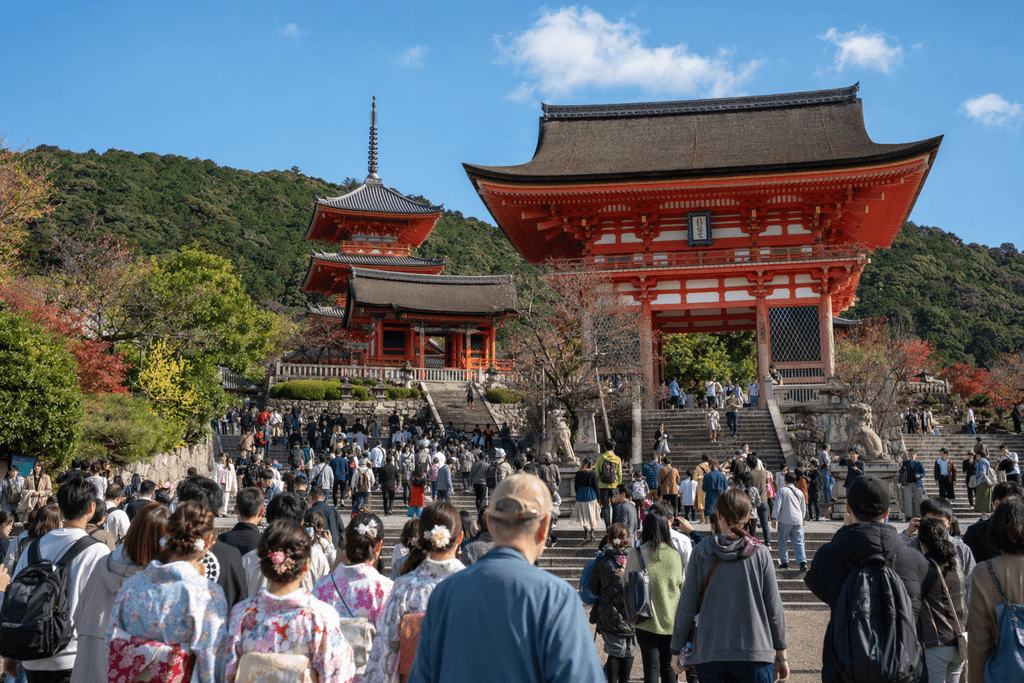
( Base form )
( Base form )
( romanization )
( romanization )
( hiragana )
Loading...

JLPT N2 多言語単語帳・1790語 / JLPT N2 Multilingual Vocabulary: 1790 Words

Jonathan Waller 氏の JLPT Resources の語彙リスト・レベル分類を出典とし、CC BY の条件に従って DiQt が学習者向けに意味を作り直した1790語の単語帳です。JLPT公式の語彙リストではありません。
This collection of 1790 words is based on the vocabulary list and level classifications in Jonathan Waller’s JLPT Resources under CC BY, with meanings rewritten by DiQt for learners. It is not an official JLPT vocabulary list.
Key Operations
Select the first quiz:
Ctrl + Enter
View Explanation:Ctrl + G
Close a feedback:Esc
When selecting a quiz
Answer:Enter
Select a choice:↓ or ↑
Reading out the question:Ctrl + K
View Hint: Ctrl + M
I don't know: Ctrl + Y



