
JLPT N2 शब्दार्थ अभ्यास - Unsolved

चार विकल्प भएका प्रश्नबाट JLPT N2 का 1790 शब्दका अर्थ नेपालीमा सिक्नुहोस्।
-
कङ्क्रिट
-
जङ्गल
-
सूर्यास्त
-
नियमित बन्द दिन
-
पूर्वतयारी बैठक
-
तुरुन्तपछि
-
जिम्मेवार हुनु
-
सर्नु / नमिल्नु
-
उठाउनु / उल्लेख गर्नु
-
प्रहरी जवान
-
भुइँमा बस्ने गद्दी
-
सोधपुछ
-
अस्थायी / विशेष
-
भिजिटिङ कार्ड
-
विरोध
-
भोज
-
झरना
-
बुट्टारहित कपडा
-
जथाभावी / अत्यधिक रूपमा
-
भुवादार / हल्का तैरिँदै
-
सोचेजस्तै / आखिरमा
-
नजिक ल्याउनु / बटुल्नु
-
बीचमा च्याप्नु / घुसाउनु
-
खातामा जम्मा गर्नु
-
अलमलिँदै
-
यसरी
-
केही हदसम्म
-
पसल
-
उपकरण
-
विशेष गुण
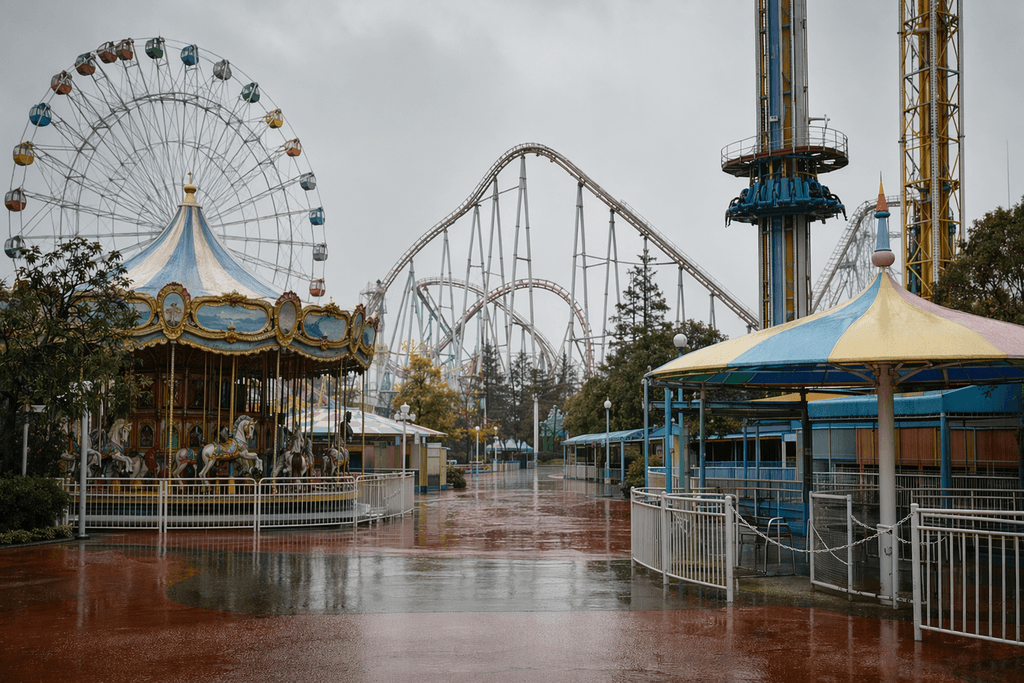
遊園地
मनोरञ्जन पार्क
遊園地
मनोरञ्जन पार्क
Explanation
遊園地
मनोरञ्जन पार्क
遊園地
मनोरञ्जन पार्क / मनोरञ्जन उद्यान / झूला र आकर्षण भएको पार्क
( Base form )
( romanization )
( romanization )
( hiragana historical )
( hiragana )
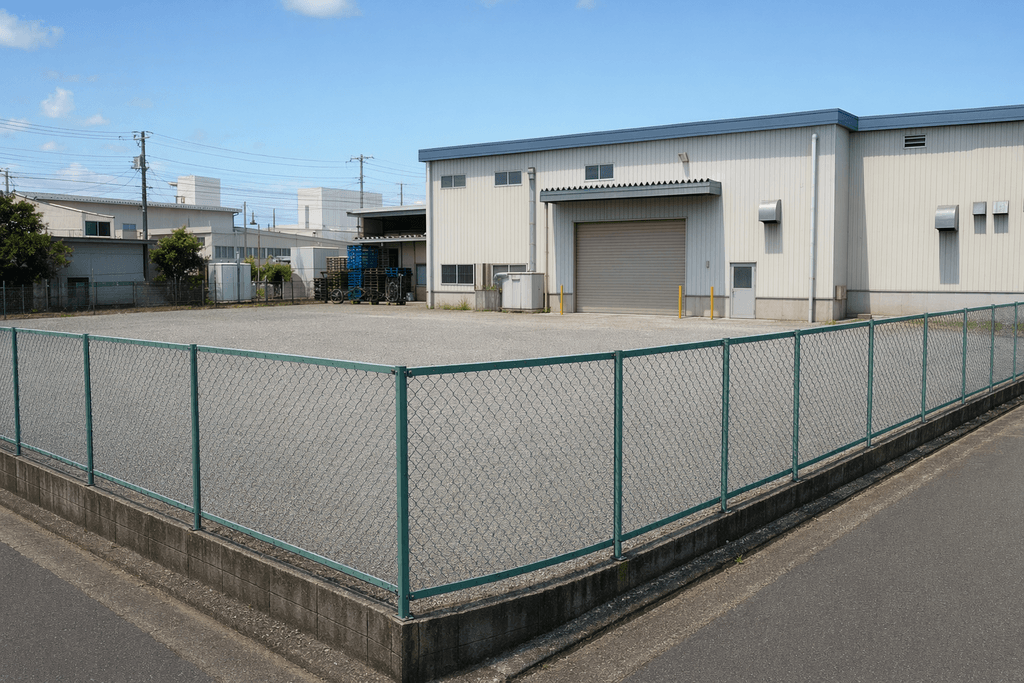
敷地
परिसर
敷地
परिसर
Explanation
敷地
परिसर
敷地
स्थल / परिसर / जग्गा
( Base form )
( romanization )
( hiragana )
剃る
खौरनु
剃る
खौरनु
Explanation
剃る
खौरनु
剃る
दाह्री खौरनु / शरीरका रौँ खौरनु / क्षौर गर्नु

Word Forms
The basic and commonly used forms of this verb.
Basic forms
| Form | Word form | Usage |
|---|---|---|
| Imperfective form (mizenkei) |
Alternative:
剃ろ
|
Connects to endings such as nai, reru, and seru. |
| Continuative form (renyokei) | Connects to endings such as masu, tai, and ta. | |
| Conclusive form (shushikei) | Ends a sentence and serves as the dictionary form. | |
| Attributive form (rentaikei) | Modifies a noun. | |
| Conditional form (kateikei) | Combines with ba to express a condition. | |
| Imperative form (meireikei) | Expresses a command or instruction. |
Common forms
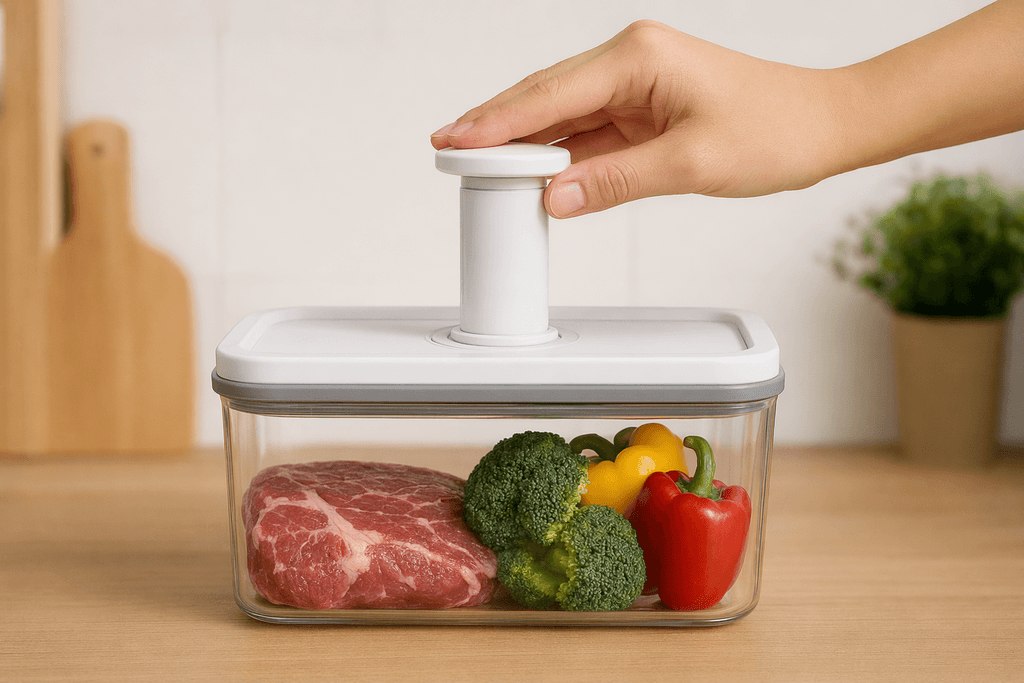
真空
निर्वात
真空
निर्वात
Explanation
真空
निर्वात
真空
निर्वात / हावा वा ग्यास नभएको स्थान/अवस्था / हावा निकालेर बनाइएको सिलबन्द अवस्था
( Base form )
( romanization )
( adnominal )
( adverbial )
( hiragana )
( table-tags )
( inflection-template )
( imperfective stem )
( imperfective stem )
( imperfective )
( continuative stem )
( continuative stem )
( continuative )
( stem terminative )
( stem terminative )
( terminative )
( attributive stem )
( attributive stem )
( attributive )
( hypothetical stem )
( hypothetical stem )
( hypothetical )
( Imperative stem )
( Imperative stem )
( Imperative )
( informal negative )
( informal negative )
( informal negative )
( informal negative )
( informal negative )
( informal negative )
( informal Past )
( informal Past )
( informal Past )
( informal negative Past )
( informal negative Past )
( informal negative Past )
( informal negative Past )
( informal negative Past )
( informal negative Past )
( formal )
( formal )
( formal )
( formal negative )
( formal negative )
( formal negative )
( formal negative )
( formal negative )
( formal negative )
( formal Past )
( formal Past )
( formal Past )
( formal negative Past )
( formal negative Past )
( formal negative Past )
( formal negative Past )
( formal negative Past )
( formal negative Past )
( conjunctive )
( conjunctive )
( conjunctive )
( Conditional )
( Conditional )
( Conditional )
( Conditional Past )
( Conditional Past )
( Conditional Past )
( volitional )
( volitional )
( volitional )
( adverbial )
( adverbial )
( adverbial )
( noun-from-adj )
( noun-from-adj )
( noun-from-adj )
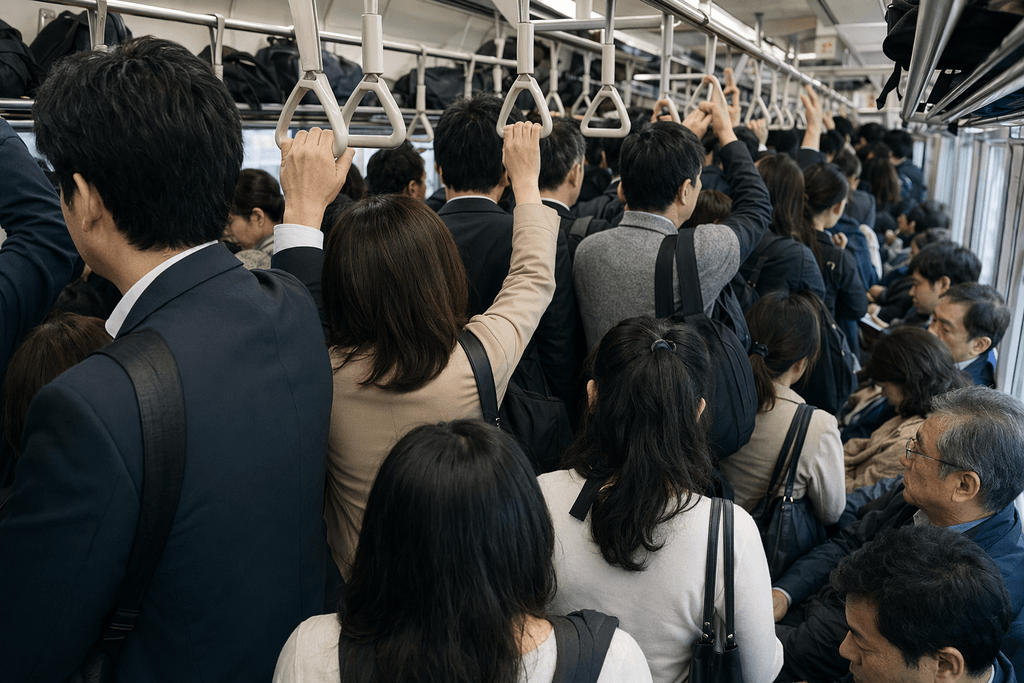
満員
क्षमता भरिएको अवस्था
満員
क्षमता भरिएको अवस्था
Explanation
満員
क्षमता भरिएको अवस्था
満員
पूरा भरिएको (मानिसले) / खाली स्थान/सीट छैन / ठसाठस भीड
( Base form )
( romanization )
( romanization )
( hiragana historical )
( hiragana )
ご覧
हेराइ
ご覧
हेराइ
Explanation
ご覧
हेराइ
ご覧
अवलोकन / दर्शन / हेराइ

( romanization )
( hiragana )
うろうろ
यताउता
うろうろ
यताउता
Explanation
यताउता
うろうろ
उद्देश्यबिनै यहाँ-त्यहाँ घुम्दै / वरिपरि अल्मलिँदै हिँड्दै / भौतारिँदै यत्ताउता डुल्दै
( Base form )
( Base form )
( romanization )
焦がす
डढाउनु
焦がす
डढाउनु
Explanation
焦がす
डढाउनु
焦がす
जलाउनु / पोल्नु / जलेर कालो पार्नु

Word Forms
The basic and commonly used forms of this verb.
Basic forms
| Form | Word form | Usage |
|---|---|---|
| Imperfective form (mizenkei) |
Alternative:
焦がそ
|
Connects to endings such as nai, reru, and seru. |
| Continuative form (renyokei) | Connects to endings such as masu, tai, and ta. | |
| Conclusive form (shushikei) | Ends a sentence and serves as the dictionary form. | |
| Attributive form (rentaikei) | Modifies a noun. | |
| Conditional form (kateikei) | Combines with ba to express a condition. | |
| Imperative form (meireikei) | Expresses a command or instruction. |
Common forms
あくまで
अन्त्यसम्म / मात्र
あくまで
अन्त्यसम्म / मात्र
Explanation
अन्त्यसम्म / मात्र
あくまで
अन्तिमसम्म / अडिग रूपमा / हठपूर्वक

( hiragana historical )
過程
प्रक्रिया
過程
प्रक्रिया
Explanation
過程
प्रक्रिया
過程
प्रक्रिया / काम वा परिवर्तन हुन जाने चरणहरूको क्रम / लक्ष्यमा पुग्न अपनाइने चरणबद्ध बाटो

( Base form )
( romanization )
( hiragana )
Loading...

JLPT N2 多言語単語帳・1790語 / JLPT N2 Multilingual Vocabulary: 1790 Words

Jonathan Waller 氏の JLPT Resources の語彙リスト・レベル分類を出典とし、CC BY の条件に従って DiQt が学習者向けに意味を作り直した1790語の単語帳です。JLPT公式の語彙リストではありません。
This collection of 1790 words is based on the vocabulary list and level classifications in Jonathan Waller’s JLPT Resources under CC BY, with meanings rewritten by DiQt for learners. It is not an official JLPT vocabulary list.
Key Operations
Select the first quiz:
Ctrl + Enter
View Explanation:Ctrl + G
Close a feedback:Esc
When selecting a quiz
Answer:Enter
Select a choice:↓ or ↑
Reading out the question:Ctrl + K
View Hint: Ctrl + M
I don't know: Ctrl + Y



