
JLPT N2 शब्दार्थ अभ्यास - Unsolved

चार विकल्प भएका प्रश्नबाट JLPT N2 का 1790 शब्दका अर्थ नेपालीमा सिक्नुहोस्।
-
तथ्याङ्क
-
हराएको सामान
-
कार्यदक्षता
-
कृपया सहयोग गर्नुहोला
-
केही उपाय छैन
-
कृपया
-
चिसोले कठ्याङ्ग्रिनु
-
च्यातेर निकाल्नु / टिप्नु
-
एकत्रित हुनु / टुङ्गो लाग्नु
- 一段動詞(下一段活用)。
- 「捕らえる」とも表記する。
-
बोक्रा ताछ्नु
-
न्यानो पार्नु
-
उचाल्नु / तेलमा डुबाएर तार्नु
-
कानेखुसी गर्नु
-
सिकाइ पाउनु
-
हाम फालेर पस्नु
-
नामपद
-
गोष्ठी कक्षा
-
हस्तलेखन अभ्यास
-
बारम्बार
-
ठाउँठाउँमा सर्दै
-
अन्ततः / मुस्किलले
-
निर्मल हुनु
-
पूर्ण विश्वास गर्नु
-
बिरामी भेट्न जानु
- 「生ずる」は「生じる」とも用いられるズル型の動詞。未然形「生ぜ」は文語的・硬い用法に多い。
-
पसल
-
अनुक्रमणिका
-
प्रश्नोत्तर
-
टुक्रा
-
पोस्टर
-
वास्तविक अनुभूति / प्रत्यक्ष बोध
タイア
टायर
タイア
टायर
Explanation
टायर
タイア
टायर / सवारीसाधनको चक्कामा लगाइने रबरको आवरण

( romanization )
こちらこそ
मलाई पनि त्यस्तै / तपाईंलाई पनि धन्यवाद
こちらこそ
मलाई पनि त्यस्तै / तपाईंलाई पनि धन्यवाद
Explanation
मलाई पनि त्यस्तै / तपाईंलाई पनि धन्यवाद
こちらこそ
बरु म नै भन्नुपर्ने हो। / धन्यवाद/माफी त बरु म नै भन्नुपर्थ्यो। / त्यसो त म नै हो भन्ने प्रत्युत्तर।

( romanization )
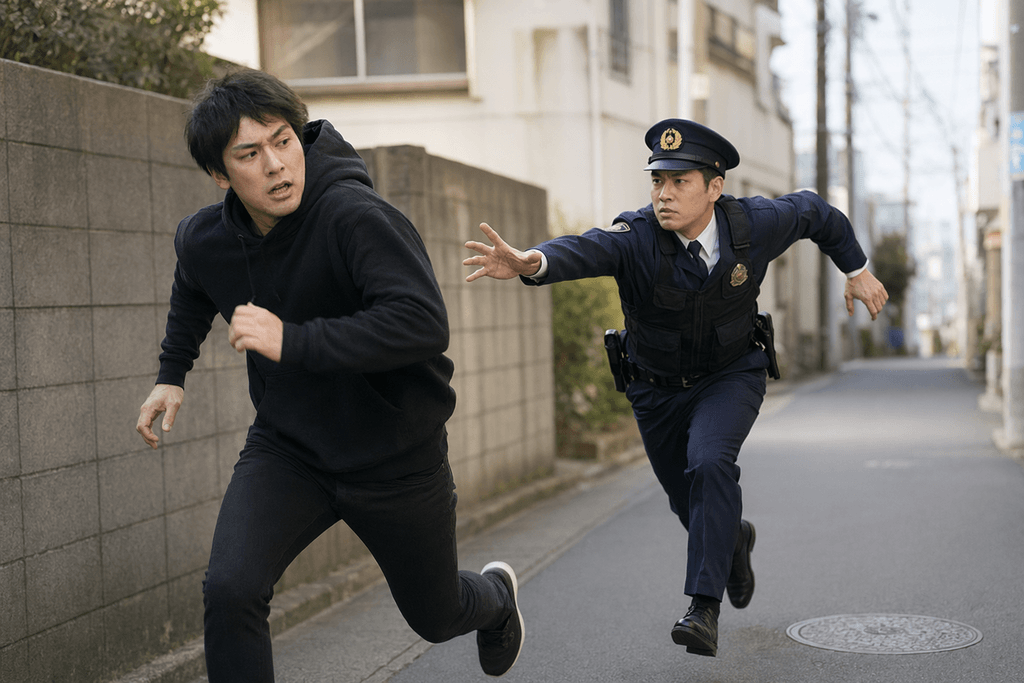
捕える
समात्नु / बुझ्नु
捕える
समात्नु / बुझ्नु
Explanation
捕える
समात्नु / बुझ्नु
捕える
समात्नु / बन्दी बनाउनु / कब्जा गर्नु
Word Forms
The basic and commonly used forms of this verb.
Basic forms
| Form | Word form | Usage |
|---|---|---|
| Imperfective form (mizenkei) |
Alternative:
捕らえ
|
Connects to endings such as nai, reru, and seru. |
| Continuative form (renyokei) |
Alternative:
捕らえ
|
Connects to endings such as masu, tai, and ta. |
| Conclusive form (shushikei) |
Alternative:
捕らえる
|
Ends a sentence and serves as the dictionary form. |
| Attributive form (rentaikei) |
Alternative:
捕らえる
|
Modifies a noun. |
| Conditional form (kateikei) |
Alternative:
捕らえれ
|
Combines with ba to express a condition. |
| Imperative form (meireikei) |
Alternative:
捕えよ
捕らえろ
捕らえよ
|
Expresses a command or instruction. |
Common forms
| Form | Word form | Usage |
|---|---|---|
| Te-form |
Alternative:
捕らえて
|
Connects clauses with te. |
| Ta-form |
Alternative:
捕らえた
|
Expresses the past with ta. |
| Nai-form |
Alternative:
捕らえない
|
Expresses negation with nai. |
| Masu-form |
Alternative:
捕らえます
|
Used for polite speech. |
| Ba-form |
Alternative:
捕らえれば
|
Expresses a condition with ba. |
| Volitional form |
Alternative:
捕らえよう
|
Expresses intention or invitation. |
Notes
延びる
लम्बिनु / सर्नु
延びる
लम्बिनु / सर्नु
Explanation
延びる
लम्बिनु / सर्नु
延びる
लामो हुनु वा विस्तारित हुनु / स्थगित हुनु / दीर्घायु हुनु

Word Forms
The basic and commonly used forms of this verb.
Basic forms
| Form | Word form | Usage |
|---|---|---|
| Imperfective form (mizenkei) |
Alternative:
延びよ
|
Connects to endings such as nai, reru, and seru. |
| Continuative form (renyokei) | Connects to endings such as masu, tai, and ta. | |
| Conclusive form (shushikei) | Ends a sentence and serves as the dictionary form. | |
| Attributive form (rentaikei) | Modifies a noun. | |
| Conditional form (kateikei) | Combines with ba to express a condition. | |
| Imperative form (meireikei) |
Alternative:
延びよ
|
Expresses a command or instruction. |
Common forms
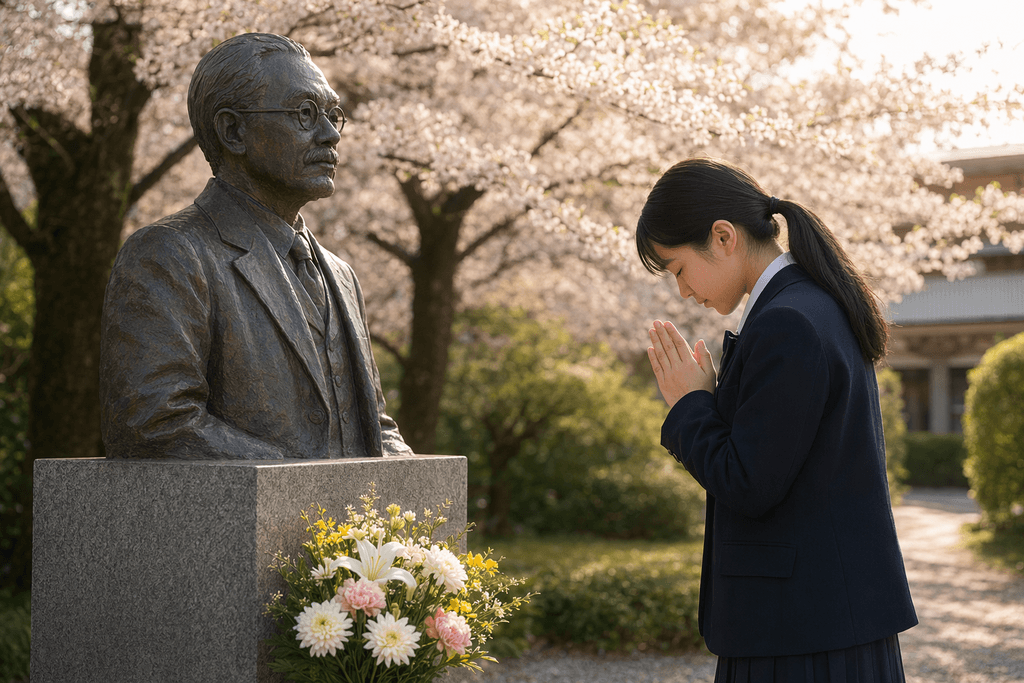
敬う
आदर गर्नु
敬う
आदर गर्नु
Explanation
敬う
आदर गर्नु
敬う
सम्मान गर्नु / आदर गर्नु / श्रद्धा गर्नु
Word Forms
The basic and commonly used forms of this verb.
Basic forms
| Form | Word form | Usage |
|---|---|---|
| Imperfective form (mizenkei) | Connects to endings such as nai, reru, and seru. | |
| Continuative form (renyokei) | Connects to endings such as masu, tai, and ta. | |
| Conclusive form (shushikei) | Ends a sentence and serves as the dictionary form. | |
| Attributive form (rentaikei) | Modifies a noun. | |
| Conditional form (kateikei) | Combines with ba to express a condition. | |
| Imperative form (meireikei) | Expresses a command or instruction. |
Common forms
測量
जग्गा नापजाँच
測量
जग्गा नापजाँच
Explanation
測量
जग्गा नापजाँच
測量
मापन / सर्वेक्षण (विशेषगरी भूमिको नापजाँच)

( Base form )
( romanization )
( romanization )
( stem )
( Past )
( hiragana historical )
( table-tags )
( inflection-template )
( imperfective stem )
( imperfective stem )
( imperfective )
( continuative stem )
( continuative stem )
( continuative )
( stem terminative )
( stem terminative )
( terminative )
( attributive stem )
( attributive stem )
( attributive )
( hypothetical stem )
( hypothetical stem )
( hypothetical )
( Imperative literary stem )
( colloquial Imperative stem )
( Imperative literary stem )
( colloquial Imperative stem )
( Imperative literary )
( colloquial Imperative )
( Passive voice )
( Passive voice )
( Passive voice )
( causative )
( causative )
( causative )
( causative )
( causative )
( causative )
( potential )
( potential )
( potential )
( volitional )
( volitional )
( volitional )
( negative )
( negative )
( negative )
( continuative negative )
( continuative negative )
( continuative negative )
( formal )
( formal )
( formal )
( perfective )
( perfective )
( perfective )
( conjunctive )
( conjunctive )
( conjunctive )
( Conditional hypothetical )
( Conditional hypothetical )
( Conditional hypothetical )
やっぱり
सोचेजस्तै / आखिरमा
やっぱり
सोचेजस्तै / आखिरमा
Explanation
सोचेजस्तै / आखिरमा
やっぱり
सोचेझैं / अन्ततः / तैपनि

( romanization )
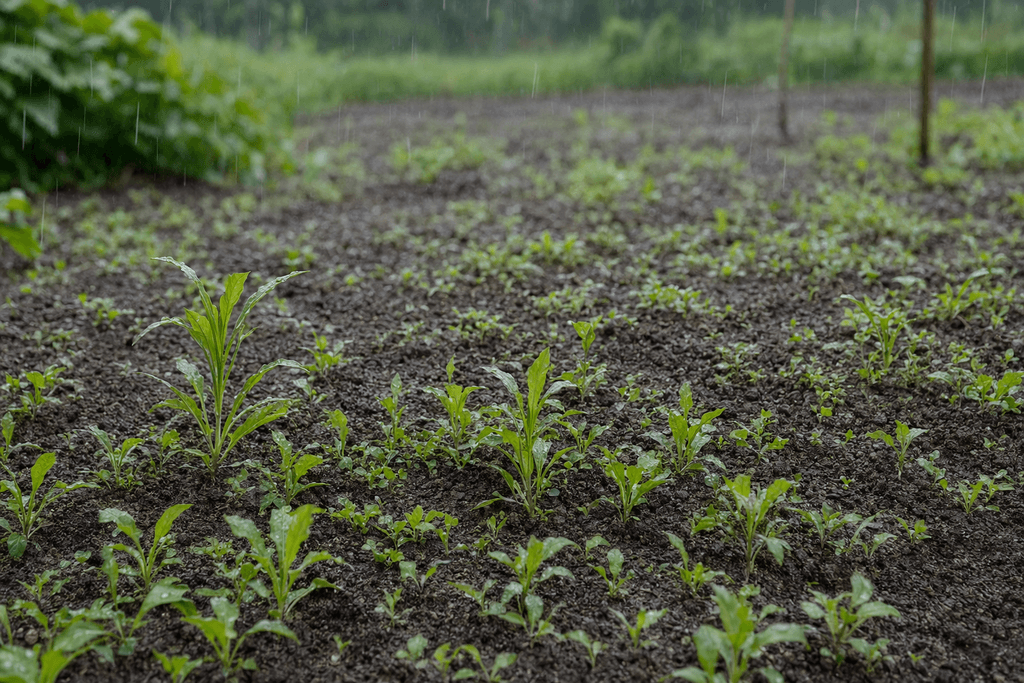
生ずる
उत्पन्न हुनु / उत्पन्न गर्नु
生ずる
उत्पन्न हुनु / उत्पन्न गर्नु
Explanation
生ずる
उत्पन्न हुनु / उत्पन्न गर्नु
生ずる
अंकुरित हुनु / उत्पादन गर्नु / उपज दिनु
Word Forms
The basic and commonly used forms of this verb.
Basic forms
| Form | Word form | Usage |
|---|---|---|
| Imperfective form (mizenkei) |
Alternative:
生ぜ
|
Connects to endings such as nai, reru, and seru. |
| Continuative form (renyokei) | Connects to endings such as masu, tai, and ta. | |
| Conclusive form (shushikei) | Ends a sentence and serves as the dictionary form. | |
| Attributive form (rentaikei) | Modifies a noun. | |
| Conditional form (kateikei) | Combines with ba to express a condition. | |
| Imperative form (meireikei) |
Alternative:
生ぜよ
生じよ
|
Expresses a command or instruction. |
Common forms
| Form | Word form | Usage |
|---|---|---|
| Te-form | Connects clauses with te. | |
| Ta-form | Expresses the past with ta. | |
| Nai-form |
Alternative:
生ぜない
|
Expresses negation with nai. |
| Masu-form | Used for polite speech. | |
| Ba-form | Expresses a condition with ba. | |
| Volitional form |
Alternative:
生じまい
|
Expresses intention or invitation. |
Notes
お手伝いさん
घरेलु कामदार
お手伝いさん
घरेलु कामदार
Explanation
お手伝いさん
घरेलु कामदार
お手伝いさん
गृहसहायिका / नोकरानी / घरमा काम गर्ने सहायक

( Base form )
( romanization )
中旬
महिनाको बीचका दस दिन
中旬
महिनाको बीचका दस दिन
Explanation
中旬
महिनाको बीचका दस दिन
中旬
महिनाको मध्य १० दिन (११–२० गते) / महिनाको ११ देखि २० गतेसम्मको अवधि

( Base form )
( romanization )
( hiragana )
Loading...

JLPT N2 多言語単語帳・1790語 / JLPT N2 Multilingual Vocabulary: 1790 Words

Jonathan Waller 氏の JLPT Resources の語彙リスト・レベル分類を出典とし、CC BY の条件に従って DiQt が学習者向けに意味を作り直した1790語の単語帳です。JLPT公式の語彙リストではありません。
This collection of 1790 words is based on the vocabulary list and level classifications in Jonathan Waller’s JLPT Resources under CC BY, with meanings rewritten by DiQt for learners. It is not an official JLPT vocabulary list.
Key Operations
Select the first quiz:
Ctrl + Enter
View Explanation:Ctrl + G
Close a feedback:Esc
When selecting a quiz
Answer:Enter
Select a choice:↓ or ↑
Reading out the question:Ctrl + K
View Hint: Ctrl + M
I don't know: Ctrl + Y



