
JLPT N2 शब्दार्थ अभ्यास - Unsolved

चार विकल्प भएका प्रश्नबाट JLPT N2 का 1790 शब्दका अर्थ नेपालीमा सिक्नुहोस्।
-
अन्तर्वस्तु
-
हिमआँधी
-
तुलना
-
मट्टितेल
-
संस्थाको नाममा
-
लोकगीत
-
प्रतिबिम्बित हुनु / पर्दामा देखिनु
-
डुबुल्की मार्नु / भूमिगत हुनु
-
ढल्किनु / झुकाव हुनु
- 補助動詞的に他動詞の連用形に付いて「乱雑に〜する」「むやみに〜する」の意を表す用法がある。
-
नाइलन
-
नियमन
-
भान्से / भल्भ
-
घुम्रिनु
-
समावेश गर्नु
-
पवित्र पार्नु
- 五段活用(ラ行)。未然形は「配ら」(ない接続)と「配ろ」(う接続)があります。
-
विद्युत् धारा
-
मूर्तिकला / कुँदाइ
-
भित्री कट्टु
-
ठाडो / लम्बवत्
-
दृढ
-
सही
- 外来語の形容動詞(ナ形容詞)。
- 連体形では通常「モダンな」を用いる。
-
वृद्धि
-
फ्राइप्यान
-
हार
-
आतसबाजी
-
थप खाना
-
वृत्तपरिधि
-
मैदान
-
समाधान
-
मापक यन्त्र
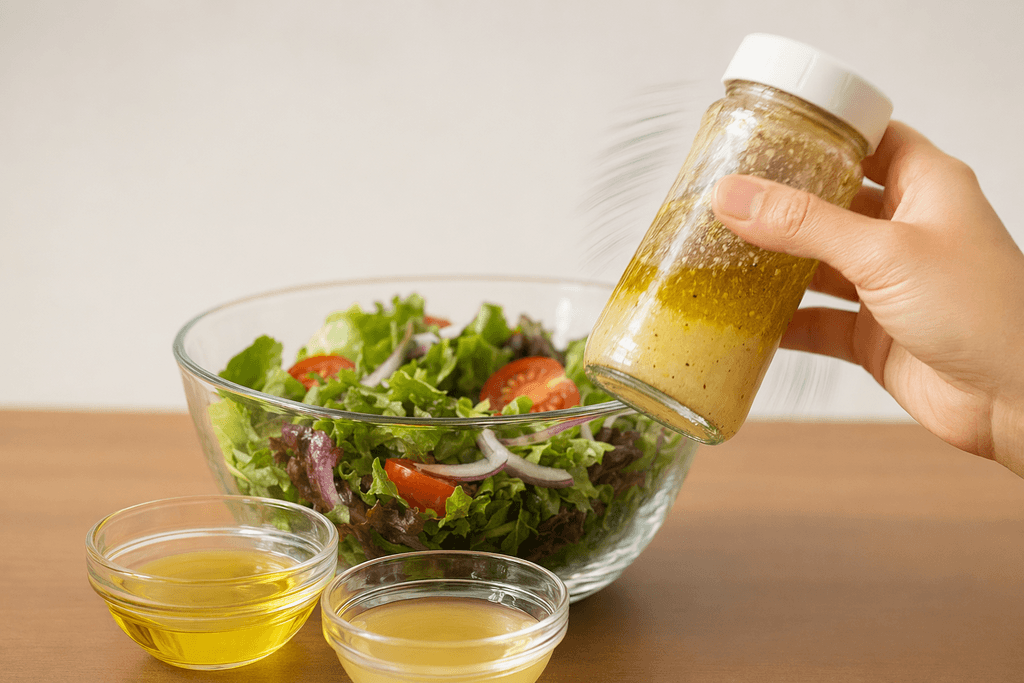
混合
मिश्रण प्रक्रिया / मिश्रित पदार्थ
混合
मिश्रण प्रक्रिया / मिश्रित पदार्थ
Explanation
混合
मिश्रण प्रक्रिया / मिश्रित पदार्थ
混合
मिश्रण / मेलमेस / संमिश्रण
( Base form )
( romanization )
( hiragana )
住まい
बसोबासको ठाउँ
住まい
बसोबासको ठाउँ
Explanation
住まい
बसोबासको ठाउँ
住まい
निवास / ठेगाना (विशेषतः सम्मानसूचक प्रयोगमा) / बसोबास

( Base form )
( romanization )
散らかす
छरपस्ट पार्नु
散らかす
छरपस्ट पार्नु
Explanation
散らかす
छरपस्ट पार्नु
散らかす
छरपस्ट पार्नु / अस्तव्यस्त छोड्नु / जथाभावी ढङ्गले गर्नु

Word Forms
The basic and commonly used forms of this verb.
Basic forms
| Form | Word form | Usage |
|---|---|---|
| Imperfective form (mizenkei) |
Alternative:
散らかそ
|
Connects to endings such as nai, reru, and seru. |
| Continuative form (renyokei) | Connects to endings such as masu, tai, and ta. | |
| Conclusive form (shushikei) | Ends a sentence and serves as the dictionary form. | |
| Attributive form (rentaikei) | Modifies a noun. | |
| Conditional form (kateikei) | Combines with ba to express a condition. | |
| Imperative form (meireikei) | Expresses a command or instruction. |
Common forms
| Form | Word form | Usage |
|---|---|---|
| Te-form | Connects clauses with te. | |
| Ta-form | Expresses the past with ta. | |
| Nai-form | Expresses negation with nai. | |
| Masu-form | Used for polite speech. | |
| Ba-form | Expresses a condition with ba. | |
| Volitional form | Expresses intention or invitation. |
Notes
乾燥
सुकाइ / सुक्खापन
乾燥
सुकाइ / सुक्खापन
Explanation
乾燥
सुकाइ / सुक्खापन
乾燥
सुक्खापन / सुष्कता / निर्जलीकरण

( Base form )
( romanization )
( romanization )
( hiragana historical )
( hiragana )
配る
बाँड्नु
配る
बाँड्नु
Explanation
配る
बाँड्नु
配る
वितरण गर्नु / बाँड्नु / पुर्याउनु

Word Forms
The basic and commonly used forms of this verb.
Basic forms
| Form | Word form | Usage |
|---|---|---|
| Imperfective form (mizenkei) |
Alternative:
配ろ
|
Connects to endings such as nai, reru, and seru. |
| Continuative form (renyokei) | Connects to endings such as masu, tai, and ta. | |
| Conclusive form (shushikei) | Ends a sentence and serves as the dictionary form. | |
| Attributive form (rentaikei) | Modifies a noun. | |
| Conditional form (kateikei) | Combines with ba to express a condition. | |
| Imperative form (meireikei) | Expresses a command or instruction. |
Common forms
| Form | Word form | Usage |
|---|---|---|
| Te-form | Connects clauses with te. | |
| Ta-form | Expresses the past with ta. | |
| Nai-form | Expresses negation with nai. | |
| Masu-form | Used for polite speech. | |
| Ba-form | Expresses a condition with ba. | |
| Volitional form | Expresses intention or invitation. |
Notes
長女
जेठी छोरी
長女
जेठी छोरी
Explanation
長女
जेठी छोरी
長女
जेठी छोरी / घरको जेठी छोरी / पहिलो जन्मेकी छोरी

( Base form )
( romanization )
( hiragana )
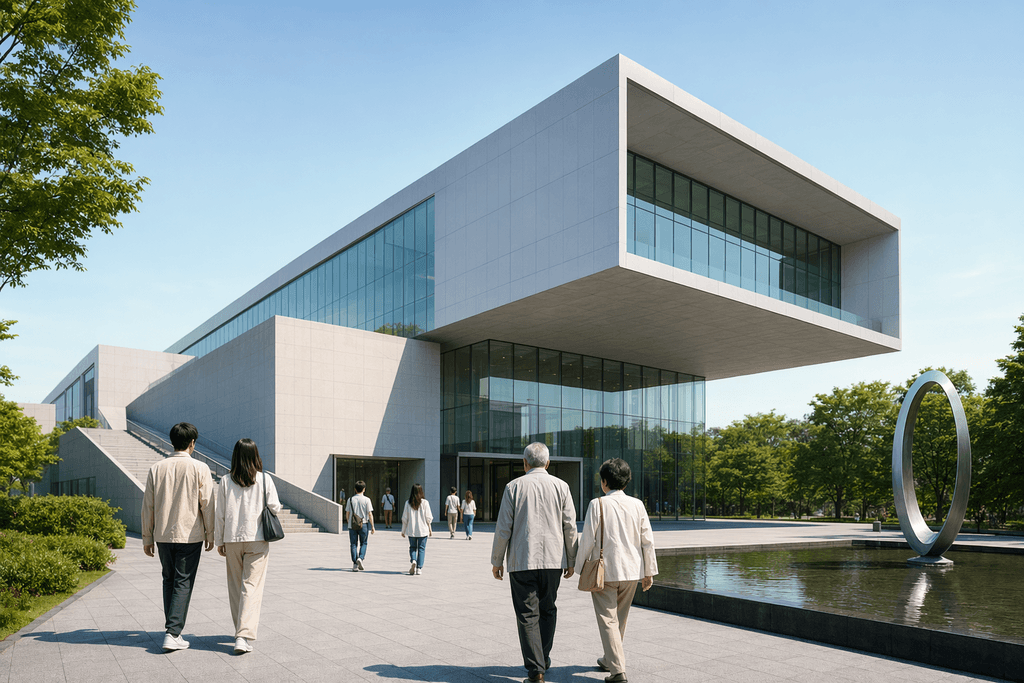
モダン
आधुनिक
モダン
आधुनिक
Explanation
आधुनिक
モダン
आधुनिक / समकालीन / स्टाइलिश
Word Forms
The basic and commonly used forms of this adjectival noun.
Basic forms
| Form | Word form | Usage |
|---|---|---|
| Imperfective form (mizenkei) | Used in forms such as darou. | |
| Continuative form (renyokei) |
Alternative:
モダンに
|
Used with de or ni. |
| Conclusive form (shushikei) | Ends a sentence with da. | |
| Attributive form (rentaikei) |
Alternative:
モダンの
|
Modifies a noun with na. |
| Conditional form (kateikei) | Expresses a condition with nara. | |
| Imperative form (meireikei) | Used in formal expressions such as de are. |
Common forms
| Form | Word form | Usage |
|---|---|---|
| Te-form equivalent | Connects clauses using de. | |
| Ta-form | Expresses the past with datta. | |
| Nai-form |
Alternative:
モダンじゃない
|
Expresses negation with dewa nai or ja nai. |
| Desu-form | Used for polite speech. |
Notes
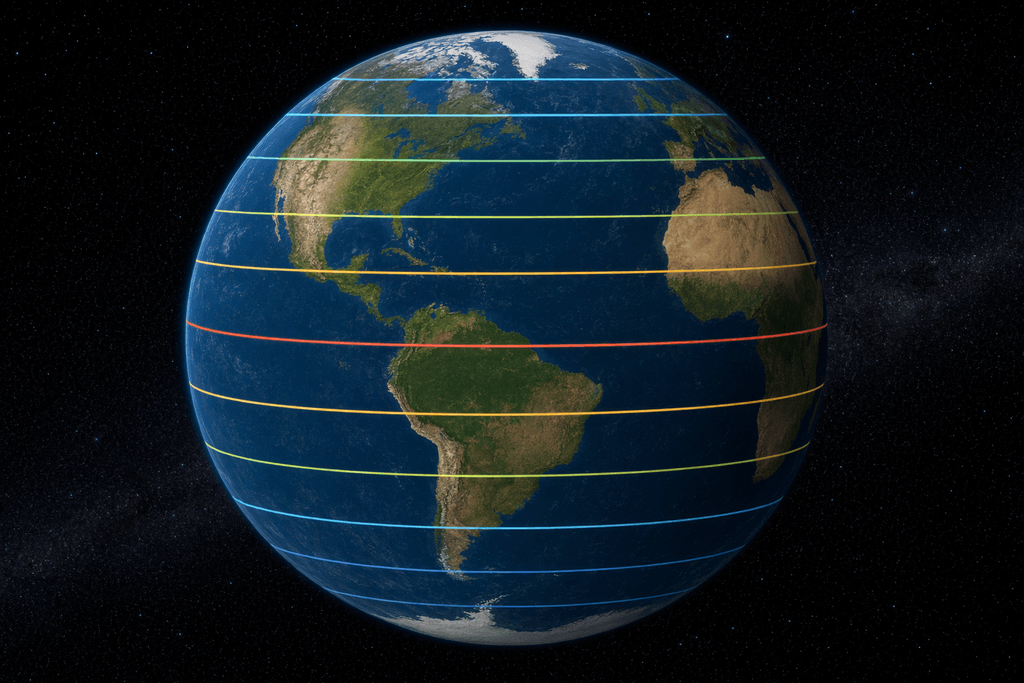
緯度
अक्षांश
緯度
अक्षांश
Explanation
緯度
अक्षांश
緯度
अक्षांश / भूमध्य रेखाबाट उत्तर वा दक्षिण दिशातर्फको कोणीय दूरी / स्थानको उत्तर–दक्षिण स्थिति जनाउने कोणीय मापन
( Base form )
( romanization )
( romanization )
( hiragana historical )
( hiragana )
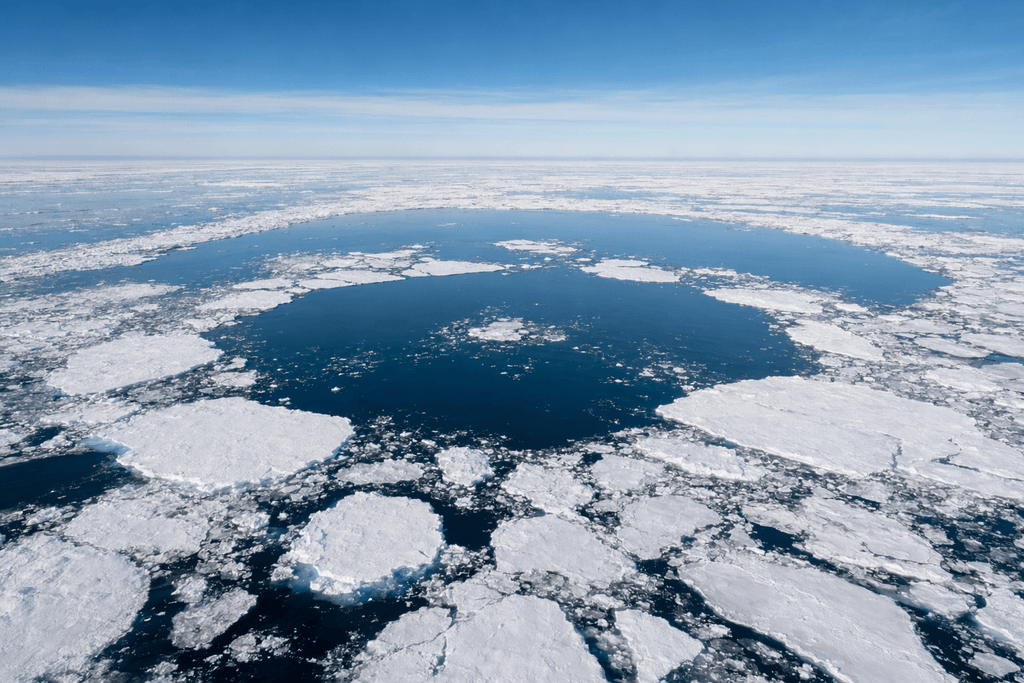
北極
उत्तरी ध्रुव
北極
उत्तरी ध्रुव
Explanation
北極
उत्तरी ध्रुव
北極
उत्तरी ध्रुव / पृथ्वीको उत्तरतम बिन्दु / उत्तरी ध्रुवीय क्षेत्र
( Base form )
( romanization )
( hiragana )
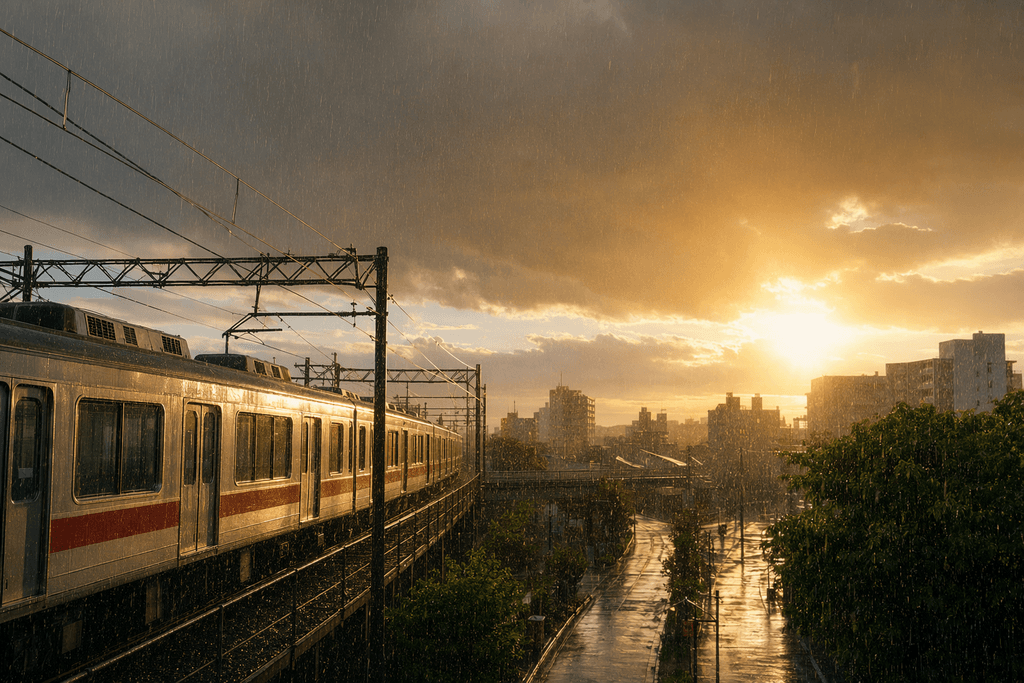
夕立
साँझको अचानक वर्षा
夕立
साँझको अचानक वर्षा
Explanation
夕立
साँझको अचानक वर्षा
夕立
साँझपख पर्ने आकस्मिक वर्षा / साँझको छोटो र भारी वर्षा / साँझतिर पर्ने क्षणिक वर्षा
( Base form )
( romanization )
( romanization )
( hiragana historical )
( hiragana )
Loading...

JLPT N2 多言語単語帳・1790語 / JLPT N2 Multilingual Vocabulary: 1790 Words

Jonathan Waller 氏の JLPT Resources の語彙リスト・レベル分類を出典とし、CC BY の条件に従って DiQt が学習者向けに意味を作り直した1790語の単語帳です。JLPT公式の語彙リストではありません。
This collection of 1790 words is based on the vocabulary list and level classifications in Jonathan Waller’s JLPT Resources under CC BY, with meanings rewritten by DiQt for learners. It is not an official JLPT vocabulary list.
Key Operations
Select the first quiz:
Ctrl + Enter
View Explanation:Ctrl + G
Close a feedback:Esc
When selecting a quiz
Answer:Enter
Select a choice:↓ or ↑
Reading out the question:Ctrl + K
View Hint: Ctrl + M
I don't know: Ctrl + Y



